Did you know that warehouse accidents cost U.S. businesses a whopping $13 billion each year in fines, repairs, and lost time? A 2023 OSHA report actually pointed out that most of these incidents happen because of overlooked safety issues – exactly the kind of gaps modern guardrail systems are built to close.
Today’s warehouses are juggling super tight deadlines, heavier machinery, and complex operations. Without solid safety measures, even small mistakes can quickly turn into expensive disasters. That’s where advanced guardrail solutions come into play. These tools make sure equipment stays where it should and workers avoid dangerous spots.
So, why jump on this now? Well, with updated compliance rules and rising insurance costs, waiting is just too risky. Modern guardrail systems don’t just protect your team; they also shield your bottom line. They can do everything from preventing forklift collisions to making your inventory flow smoother, and they’re designed to fit perfectly into your warehouse’s unique way of working efficiently.
The Bottom Line:
- Warehouse accidents cost billions yearly, but guardrails reduce risks dramatically.
- AI-powered systems like NVIDIA NeMo ensure precise safety monitoring.
- Compliance standards now require proactive accident prevention measures.
- Guardrails protect both workers and equipment from costly damage.
- Modern solutions integrate seamlessly with existing warehouse operations.
The Hidden Dangers in Your Warehouse
When we talk about warehouse safety, we often think of obvious stuff like spills or broken machines. But here’s the kicker: it’s the hidden risks – like old rules no one follows or staff who haven’t been properly trained – that are the silent threats. In fact, over 40% of safety violations actually come from these kind of unnoticed gaps, according to OSHA’s latest reports.
Understanding the Sneaky Warehouse Risks
These unseen issues in warehouses can set off a chain reaction of problems. From forklift bumps to misplacing inventory, everyday hazards can create big ripple effects, hitting both how much you get done and how safe your team is. Recent studies even show that a third of facilities (34%) deal with at least one major incident every three months – and a lot of these could have been totally avoided with the right safeguards in place.
Common Accidents & What They Really Cost You
Forklifts are a big culprit, causing over a quarter (25%) of warehouse injuries, says the National Safety Council. Just one collision can trash thousands of dollars worth of goods and shut down operations for hours. Then there are slips and falls, which make up another 20% of incidents, often leading to workers’ compensation claims and annoying schedule delays.
Even equipment that just “acts up” can create silent dangers. A 2023 look at maintenance logs revealed that 63% of racking failures (yikes!) happened because of wear and tear that wasn’t taken care of. These kinds of incidents can cost businesses an average of $150,000 each time in repairs and lost productivity.
The Non-Negotiable Necessity of Guardrails
Given all those hidden dangers and the hefty costs of accidents, it’s clear: guardrails aren’t just a nice-to-have, they’re an absolute must. They’re your frontline defense against both the obvious and the sneaky risks lurking in your warehouse.
What are Guardrails?
Think of guardrails as your warehouse’s safety champions. Traditionally, these were physical barriers – tough steel or plastic systems that stood between moving equipment, workers, and valuable assets. But in today’s smart warehouses, “guardrails” has a broader meaning. It also includes cutting-edge, AI-powered digital systems that act as virtual protectors, monitoring operations in real-time.
What Do They Actually Do? (Their Functions)
Guardrails do a lot more than just block things. Here’s a quick look at their main functions:
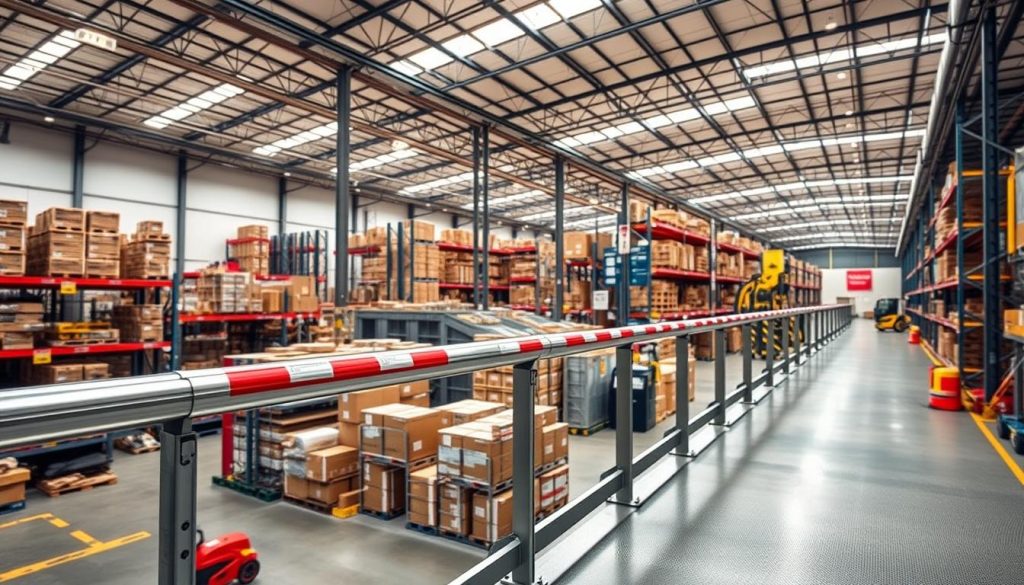
- Physical Protection: This is the classic role. They stop forklifts from crashing into shelving, prevent vehicles from hitting support columns, and keep pedestrians safe from traffic lanes. They act as a solid buffer, absorbing impacts and preventing bigger disasters.
- Defining Safe Zones: Guardrails create clear, designated pathways for vehicles and people. They protect sensitive equipment, expensive machinery, and stacked inventory from accidental bumps, ensuring everything stays where it should.
- Boosting Workflow: By creating clear, safe routes, guardrails actually make your operations smoother. Fewer collisions mean less downtime, faster movement of goods, and more efficient work.
- Smart Monitoring (Digital Guardrails): This is where modern tech like NVIDIA NeMo Guardrails and Amazon Bedrock Guardrails shine. These AI systems constantly watch over operations, can flag potential hazards before they become accidents, warn operators, and even help streamline complex movements to enhance safety and efficiency simultaneously.
Ultimately, guardrails, both physical and digital, create a safer, more predictable, and ultimately more profitable environment by actively preventing costly incidents.
Where to Install Guardrails in your Warehouse Now
Let’s talk about exactly where you should be putting those guardrails in your warehouse. It’s not just about sticking them anywhere; it’s about smart placement that can literally save lives and money. We’re talking about focusing on the spots where crashes and falls happen most – these are the areas that need your immediate attention.
1. Loading Zones & Forklift Paths
Imagine the chaos at your loading docks: trucks backing up, forklifts zipping around, people walking. It’s a high-traffic, high-risk area with lots of blind spots. That’s why you absolutely need to install impact-resistant barriers right at the edges of your docks and along those busy forklift lanes. Think tough steel barriers, often with reflective panels, to clearly mark off boundaries. Why? Because OSHA reports show these exact spots are where a whopping 58% of preventable accidents occur. Getting these areas locked down is a top priority.
2. Rack Ends & Equipment Clusters
Your pallet rack corners and spots where you have valuable machinery grouped together are constantly at risk of being bumped and scraped. Even a minor collision can damage your racks, products, or expensive equipment. Bolting on sturdy protectors in these spots is a game-changer.
Look for ones with angled designs that can actually deflect impacts, guiding forklifts away rather than letting them hit head-on, all while still allowing easy access for operations. One distribution center saw their rack damage drop by an incredible 74% just by doing this – that’s a huge saving on repairs and downtime!
3. Elevated Work Areas
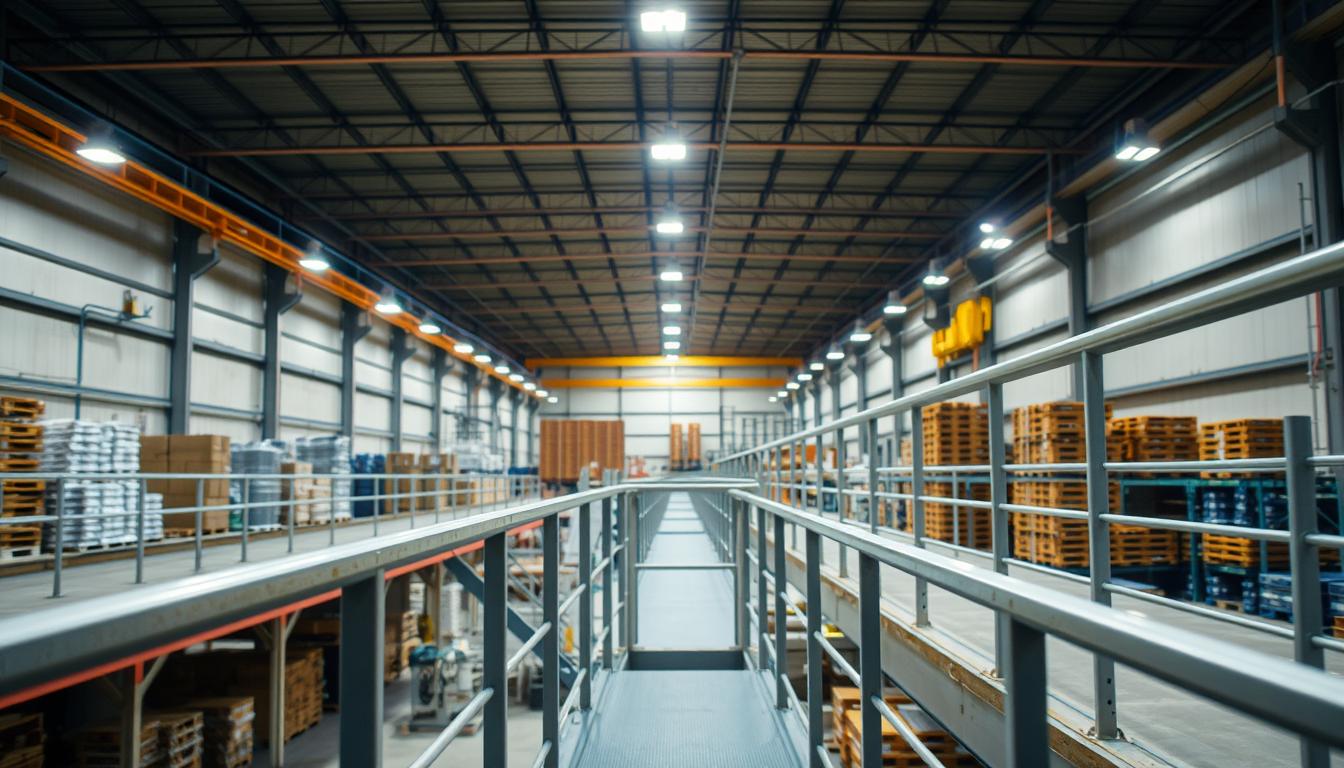
Anywhere your team works high up – like mezzanines, elevated platforms, or catwalks – presents a serious fall risk. You need to secure these areas with proper railings. We’re talking about 42-inch high railings that include midrails (a rail in the middle) and toe boards (a small barrier at the bottom edge). These aren’t just for show; they prevent both tools and, more importantly, workers from tumbling down into active work zones below. It’s about ensuring safety for those working at height and protecting anyone below them.
Choosing the Right Solution
Now, it’s not a one-size-fits-all situation. You need to pick the right kind of guardrail for the specific risks in each zone:
- For Loading Docks, think heavy-duty Steel Bollards. These bad boys are built to stop impacts from massive 10,000-pound vehicles, preventing major accidents.
- In your Rack Aisles, where impacts are often from the side, Polymer Guards are fantastic. They’re designed to absorb those bumps, protecting your racks from constant wear and tear.
- For Staircases, Mesh Railings are a smart choice. They give you solid protection without blocking anyone’s view or airflow, keeping the area feeling open yet secure.
Always, always make sure you check the installation guides and any local safety codes. As a warehouse manager in Ohio put it, “Proper placement cut our near-misses by half within three months—best application of our maintenance budget this year.” That’s the kind of real-world impact smart guardrail installation can have on your bottom line.
What Kind of Guardrail Do I Need for my Warehouse?
You’ve mapped out where your warehouse needs protection. Now comes the fun part: picking the right kind of guardrail! It’s not a one-size-fits-all deal; different areas and different risks call for different champions. Think of it like choosing the right tool for the job.
1. Heavy-Duty Heroes: Steel Guardrails
These are the absolute workhorses. Made from tough steel, they’re built to withstand serious impacts.
- Best for: Your main forklift traffic lanes, protecting really critical machinery, along loading docks, or anywhere a heavy vehicle collision is a real concern.
- Why they’re great: They’re incredibly strong and can absorb big hits, protecting both your structures and your team.
2. Shock Absorbers: Polymer & Plastic Barriers
These newer types of barriers, often made from special plastics like polymer or HDPE, are designed to flex and absorb impact. They bounce back from lighter hits, often causing less damage to both the barrier and the vehicle that hits them.
- Best for: Protecting your pallet racking from frequent bumps, defining pedestrian walkways, or in areas with lighter forklift traffic where you want to minimize vehicle damage.
- Why they’re great: They’re durable, highly visible, and can reduce minor repair costs over time.
3. Spot Protection: Bollards
Think of bollards as super sturdy vertical posts. They’re perfect for protecting single, specific points.
- Best for: Guarding building columns, vulnerable corners, roll-up door frames, electrical panels, fire hydrants, or gas meters.
- Why they’re great: They offer strong, targeted protection in tight spaces where a full guardrail might be too much.
4. People Protectors: Handrails & Pedestrian Barriers
These are all about keeping your team safe on foot. Handrails are usually for elevated areas or stairs, while pedestrian barriers define walkways.
- Best for: Staircases, mezzanines, elevated platforms, and creating clear, protected walking paths where foot traffic might cross vehicle lanes.
- Why they’re great: They prevent falls, guide people safely, and clearly separate humans from machines.
Ultimately, most warehouses end up with a mix of these. The best way to choose? Look at the specific risk in each spot, think about the type of traffic (heavy forklifts vs. light pallet jacks vs. people), and always, always consult with a safety expert or guardrail supplier. They can help you design a system that’s just right for your space.
Getting Started with Guardrails: Your Action Plan
So you’re convinced your warehouse needs better guardrails – awesome! But where do you even begin? Don’t worry, it’s not as overwhelming as it sounds. Here’s a simple action plan to get your facility safer and more efficient:
1. First, Take a Good Look Around (Your Risk Assessment)
Before you buy anything, play detective in your own warehouse. Walk through every aisle, watch how forklifts move, see where people walk. Where are the near-misses happening? Which areas look a bit sketchy? Dig into your old accident reports too – they’ll tell you exactly where the hot spots are. This helps you figure out your biggest risks.
2. Don't Go It Alone (Ask the Pros!)
You don’t have to be a safety expert overnight. Once you have an idea of your problem areas, reach out to specialists. This could be a safety consultant or even the companies that sell guardrails. They’ve seen it all and can help you figure out the best solutions for your specific setup. They’ll guide you through what’s required and what’s smart.
3. Make a Smart Plan (Design Your Custom Solution)
With expert help, you can create a tailored plan. It’s not about buying a generic kit; it’s about designing a system that perfectly fits your unique warehouse layout and traffic patterns. This plan will map out exactly where each type of guardrail should go and what kind it should be.
4. Get Them Installed Right (Professional Installation is Key!)
Once you’ve got your plan and your guardrails, make sure they’re installed professionally. This isn’t a DIY job. Proper installation is crucial for the guardrails to actually do their job and keep everyone safe. Don’t cut corners here!
5. Keep It Going (Training & Regular Checks)
Finally, remember it’s an ongoing effort. Teach your team about the new guardrails – why they’re there, and how to work safely around them. And schedule regular checks to make sure everything stays in top shape. A well-maintained guardrail system is a happy, safe system!
Why Guardrails Are a Must-Have
All in all, those hidden dangers and big accident costs in warehouses aren’t going away. That’s why having strong guardrails – the tough physical ones and the smart, AI-powered systems – isn’t just a good idea, it’s totally necessary. They’re your best defense against unexpected bumps, costly falls, and even those sneaky risks that fly under the radar.
Ultimately, investing in modern guardrails is a win-win. You’re not just protecting your team from serious harm, which is always the top priority. You’re also shielding your business from massive financial hits, keeping operations smooth, and boosting efficiency. So, let’s get those warehouses secured – it’s smart for your people and smart for your wallet.
Common Questions about Guardrails
Are guardrails just for forklifts?
Nope! While they’re important for forklift areas, guardrails protect people, equipment, and structures. They define walkways, shield machinery, and prevent falls from elevated areas.
Do I need both physical and AI-powered guardrails?
It depends. Physical barriers are a must, but AI adds an extra layer of real-time monitoring and predictive safety. It’s the future of warehouse safety, but not always required for every facility.
How much do guardrails cost?
It varies widely based on the type, material, length, and installation. It’s an investment, but accidents cost way more in the long run. Get a custom quote for your specific needs.
Can I install guardrails myself?
Professional installation is highly recommended, especially for heavy-duty systems. Proper installation is critical for effectiveness and safety.
How often do guardrails need maintenance?
Regular inspections are necessary. Check for damage, loose bolts, and wear and tear. A quick check monthly can prevent bigger problems later.