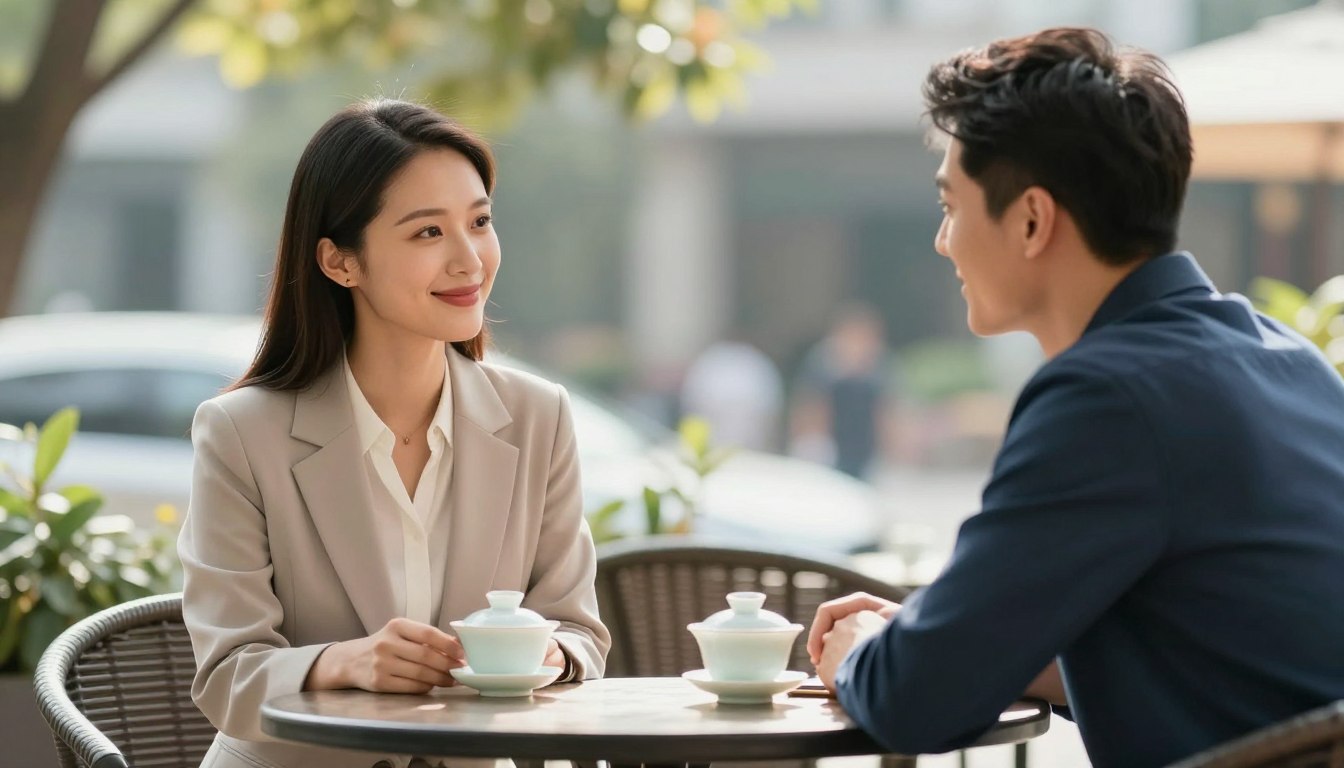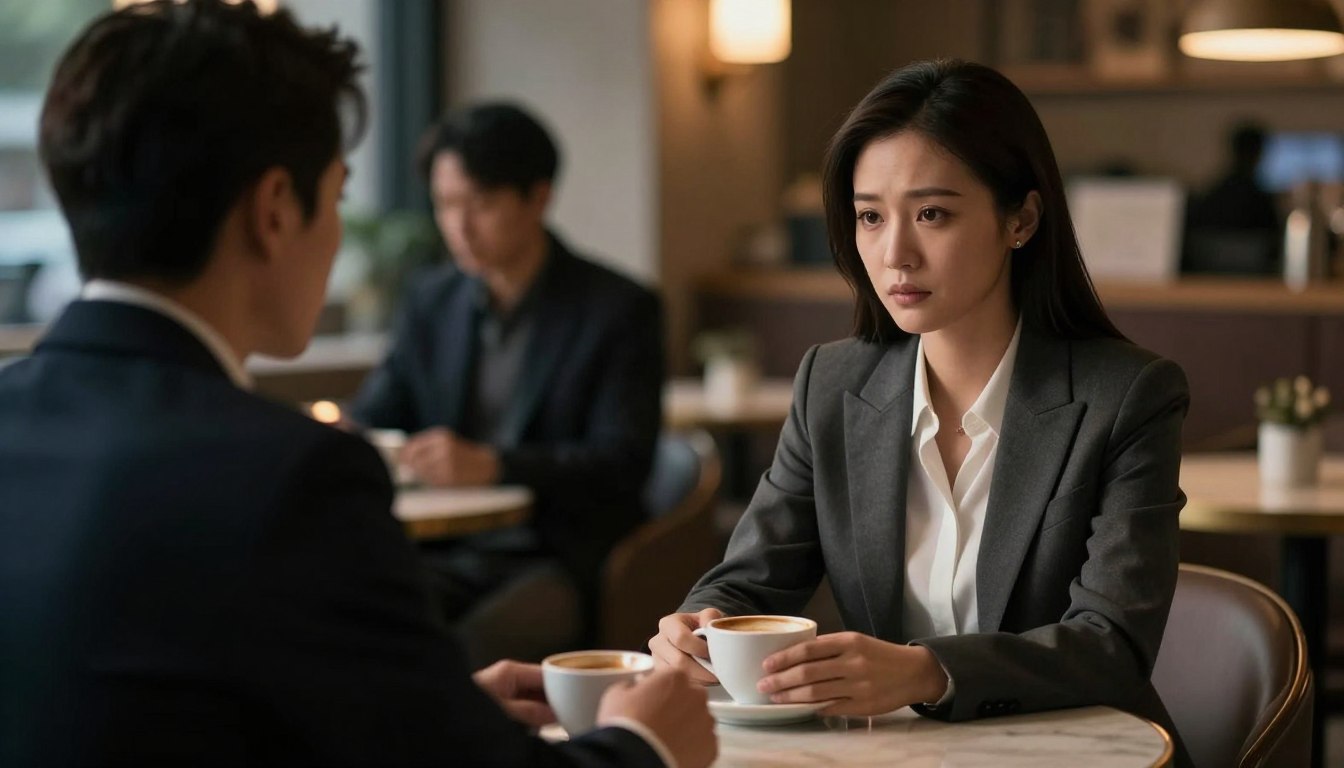
I first heard the term “Sheng-nu” in my mid-20s. It was used for educated, unmarried women. The label followed me, even as I pursued my career.
In my home society, age 27 was a magic number. It supposedly marked the shift from eligible to something else. Every birthday after that felt like a silent alarm.
My 20s were a tug-of-war. I was building my professional life. Yet, I felt the weight of expectations that my social status depended on marriage.
I moved to the United States seeking a new path. My big question remained: Did leaving my home culture erase that psychological burden? Or did I trade one set of dating challenges for another in a new part of the world?
Key Takeaways
- The “Sheng-nu” label creates significant pressure on unmarried, educated women in certain cultures.
- An arbitrary age, like 27, can become a source of anxiety for many people.
- Societal expectations often conflict with personal goals like career building.
- Moving to a new country doesn’t automatically resolve deep-seated cultural anxieties.
- This personal journey explores the search for genuine connection beyond stereotypes.
Confronting Leftover Woman Stigma: From China to the West
My education and career success seemed at odds with traditional expectations. I later learned the term “Sheng-nu” was not just slang. It was a deliberate policy tool.
Historical Roots of the "Leftover Woman" Label in Chinese Society
In 2007, China’s Ministry of Education officially adopted this label. The goal was to pressure educated females into traditional roles. This addressed demographic concerns.
Patriarchal norms suggested men should “marry down.” They often chose younger, less educated partners. As more women pursued higher education, a mismatch appeared.
Economic reforms in the 1980s expanded mass education. This created a generation of financially independent women. They could delay or reject marriage.
Today, about 7 million single women aged 25-34 in urban China are economic powerhouses. They contribute 41% to the nation’s GDP. That is the highest rate in the world.

Modern Shifts in Marriage and Societal Norms Abroad
Moving to the West showed me a different landscape. The social pressure to get married by a certain age felt much lighter. Personal timelines for career and growth were more respected.
Research shows college-educated women aged 25-29 are three times more likely to be unmarried. This isn’t due to a lack of options. It often reflects higher standards and greater agency in the marriage market.
| Aspect | Chinese Context | Western Context |
|---|---|---|
| Social Pressure | High; state-sanctioned labels | Significantly lower |
| Economic Contribution | 41% of GDP from single women | Varies; less tied to marital status |
| Primary Life Goals | Often conflict between family and career | More acceptance of diverse priorities |
| Average Marriage Age | Younger, especially for women | Generally older |
This contrast was stark. My worth was no longer tied to a marital label. It was a profound shift in perspective.
Dating Over 30: My Asian Female Experiences in the West
Dating over 30 as a Chinese woman in the USA presented a strange mix of freedom and new anxieties. The explicit pressure to get married was gone, but I carried internalized fears from years of the “leftover” label.

Overcoming Age Anxiety and Cultural Stereotypes
I found myself over-explaining my single status on early dates. Would Western men see my age as a problem? Surprisingly, many valued my ambition.
My education and career became assets, not threats. This helped me slowly unlearn the ingrained anxiety. The arbitrary number that defined “leftover” status lost its power.
Navigating Trends Like "Yellow Fever" in the Dating Scene
The more insidious challenge was fetishization. Yellow fever vs genuine connection became a critical filter. Some men made comments revealing a fantasy about Asian women.
I had to constantly screen for those genuinely interested in me—my career, my thoughts, my experiences—rather than a stereotype. It was exhausting work my non-Asian friends didn’t face.
Decoding Cultural Labels: Leftover Woman Stigma Abroad vs China
Singles’ Day, a multi-billion dollar shopping festival born in China, perfectly encapsulates the modern paradox for unmarried women there. The marketplace profits from singlehood while society often criticizes it.

Media Portrayals and Societal Pressure in Both Worlds
Back home, news and TV shows often frame single females as lonely or intimidating. Campaigns by brands like SK-II, showing successful unmarried professionals, try to shift this narrative.
In the West, the media pressure is different. I rarely saw the explicit “leftover” label. Yet, stereotypes about Asian females created their own set of expectations to navigate.
“During family gatherings, my aunt just loves to tease my parents about why I’m still single. In her mind, I must lead a miserable life. I need to defend my parents [so] I constantly upgrade my own self-image by buying myself more and more expensive clothes to wear.”
A 33-year-old Chinese professional
This quote hit home. Economic power became a shield against criticism, a way to prove a fulfilling life outside marriage.
Family Expectations Versus Personal Autonomy in Dating
Moving abroad gave me space, but not freedom from concern. Weekly calls with my mother were gentle probes about my social life. Visits home meant direct questions from relatives.
The physical distance changed the game, but not the emotional stakes. My personal desire for autonomy constantly met the deep-seated wish of my parents to see me settled.
| Aspect | Chinese Context | Western Context |
|---|---|---|
| Source of Pressure | Explicit societal labels, family urgency | Subtle media cues, personal timelines |
| Societal Response | Conspicuous consumption as defense | Theoretical acceptance of career focus |
| Individual Strategy | Prove success to deflect criticism | Navigate racial stereotypes in dating |
I was negotiating two different sets of rules for my own life.
Embracing Authentic Connections: My Journey Forward
Answering the title’s question honestly: moving overseas didn’t fix my dating age anxiety, but it transformed it. Relocation gave me space to question old narratives. I met men who saw my education and ambition as assets, not threats.
My life is no longer defined by a race toward marriage. Yet, old fears sometimes surface during calls with my mother. The work requires constant vigilance against stereotypes.
I learned there are many ways to build a meaningful path. My privilege allowed this journey. Many single women in China create fulfilling lives within their own circumstances.
To other women navigating this: your worth isn’t set by your age or relationship status. Define success on your own terms. The journey toward authentic connection is always worthwhile.