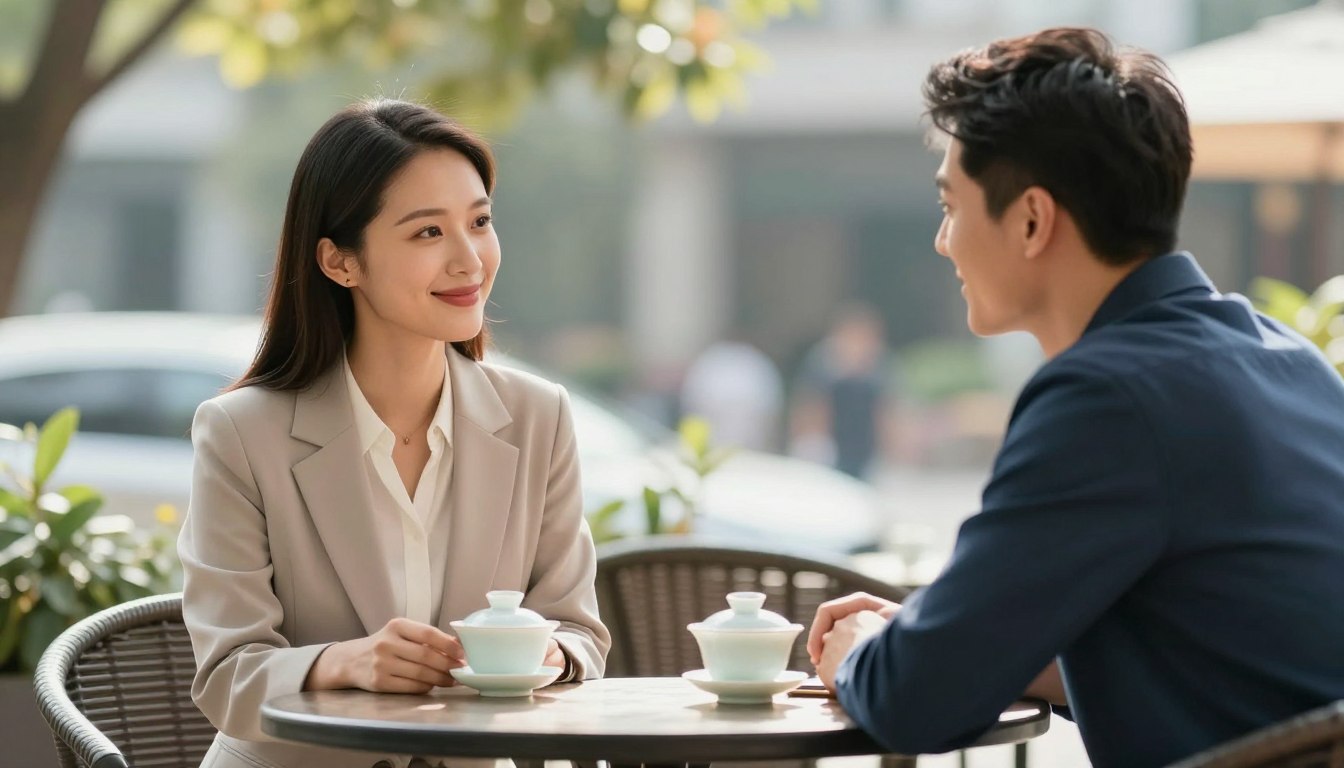
Imagine your date hands you a thoughtful present. You unwrap it, expecting flowers or chocolates. Instead, you find a bag of rice.
This scenario might seem puzzling from a Western perspective. Romantic gifts often symbolize fleeting beauty or sweet indulgence. In many other cultures, a practical gift carries a much deeper message.
To grasp this, we must look at the cultural context. Historically, values like duty, respect, and family harmony were paramount. Showing care meant ensuring a person’s well-being and security in tangible ways.
Providing essentials like food was a profound expression of commitment. It signaled a focus on longevity and shared daily life, not just momentary passion.
Today’s dating world blends these traditional ideals with more modern, expressive approaches. This mix can lead to beautiful, if sometimes confusing, gestures.
This article will decode these differences. We’ll explore how actions speak volumes and how to appreciate the substance behind the gesture. It’s about building understanding in relationships.
Key Takeaways
- A practical gift can be a deep expression of care, not a lack of romance.
- Different cultures have unique ways of showing affection and commitment.
- Historical values emphasizing family and duty influence modern relationship gestures.
- Understanding the intent behind a gesture is more important than the gift itself.
- Cross-cultural dating is an opportunity to learn new expressions of love and respect.
- Modern dating often blends traditional practical care with more openly romantic expressions.
Exploring the Essence of Chinese Romantic Gestures
When dating across cultures, the most meaningful signs of affection are often the ones you have to learn to see. In this cultural context, romantic expressions love have historically been implicit.
They are shown through consistent actions rather than loud declarations. This philosophy values lasting care over fleeting passion.
Navigating Cultural Expressions of Love
Traditional expression of deep sentiment focused on duty and secure well-being. Preparing a favorite meal or remembering a small detail were profound gestures.
Today’s younger generation blends this quiet dedication with more open expressing love. They create a hybrid style that honors their heritage.

The Role of Subtle Actions in Showing Affection
Simple, thoughtful actions carry immense weight. Adjusting a partner’s scarf or carrying their bag speaks volumes.
These gestures signal protective care and genuine investment. Public emotional restraint often reflects values of dignity and respect.
Understanding these cues is key. It prevents missing sincere emotion and serious intent.
| Gesture Type | Typical Western Expression | Typical Chinese Expression |
|---|---|---|
| Showing Care | Verbal compliments, “I love you” | Acts of service, like making tea |
| Thoughtfulness | Buying flowers or gifts | Noting and fulfilling practical needs |
| Protection | Public displays of affection | Walking on the traffic side of the sidewalk |
“Action is the foundational key to all success.” – This idea mirrors how consistent, quiet deeds build trust in relationships.
For people from this background, everyday thoughtfulness is the core vocabulary of romance. Learning this language opens a richer connection.
Practical vs Romantic Gifts in China
Gift-giving in this culture weaves a unique tapestry where a warm scarf can hold as much romantic weight as a dozen roses. The choice reveals deep priorities about care and commitment.
Understanding Practical Gifts and Their Meanings
A practical present focuses on your partner’s daily welfare and long-term comfort. It says, “I am thinking of your needs and our shared future.” This logic has roots in a historical context where providing essentials showed one’s ability to build a stable life.
Specific things carry clear messages. Quality rice or tea means “I care about your nourishment.” A nice winter coat whispers, “I want to keep you warm.” Useful gadgets signal a desire to make daily life easier.

Celebrating Romantic Gift Traditions
Romantic gifts are certainly part of the modern relationship landscape. Younger generations often blend both styles, giving flowers or jewelry for special occasions.
Symbolic items, like matching couple accessories, are popular. The key is to see the intent behind any gesture. Whether practical or traditionally romantic, these actions are expressions of sincere affection.
How Chinese Men Show Affection
For many Chinese men, showing affection is less about grand declarations and more about consistent, reliable actions. Their expression of care is often quiet and woven into daily life.
This way of relating builds a foundation of security and stability, which is seen as the bedrock of lasting romance.

Traditional Gestures and Modern Twists
Traditional gestures focus on acts of service and protective care. Fixing things, driving you places, or solving practical problems shows his useful character.
Asking if you’ve eaten or reminding you to dress warmly are common. These questions carry deep caring intent.
Today, younger men often blend this with more open romance. They might be more comfortable with verbal expression and public displays.
Yet, they still value the reserved qualities of their heritage in certain contexts.
Everyday Expressions vs Special Occasions
Everyday affection appears in small, considerate acts. He remembers your preferences and anticipates your needs.
Special occasions might involve elaborate plans for anniversaries. These moments celebrate significant milestones in your life together.
Some people might mistake reserved public behavior for a lack of interest. In reality, the relationship is deeply valued and shown through private support.
Reading between the lines is key. Consistent presence and practical help are profound declarations of feeling.
Gift Giving Etiquette in Chinese Relationships
The act of giving a present is a delicate dance of timing, meaning, and respect. Getting it right shows deep understanding and can strengthen your bond in a unique way.
Rules of Engagement in the Gift Exchange
Timing is critical. A gift too early or too expensive can create an uncomfortable sense of obligation. Gauge the stage of your connection first.
Reciprocity is often expected. Unlike some Western customs, receiving a gift usually means you should return something of comparable value later. This maintains balance.
Be ready for a polite initial refusal. It’s customary to gently insist two or three times. This dance shows respect, not genuine rejection.

Cultural Nuances Behind Each Gesture
Certain gifts are major taboos. Avoid clocks (associated with death), shoes (might “walk away”), and sharp objects (cutting ties). Knowing these shows cultural awareness.
Appropriate gifts evolve. Start with small, thoughtful items like snacks. For serious relationships, practical home goods signal long-term intent.
Presentation and thoughtfulness reflect your character. Use both hands to give. Gifts for family members carry enormous weight, showing respect for others and integration into their culture.
Decoding 'Lie Ren Shi' in Chinese Dating
A new phrase has taken social media by storm, reshaping how young people talk about romance. “Lie Ren Shi” translates to “hunter-type person.” It describes someone adept at the strategic pursuit of romantic interests.
This term reflects a more analytical approach to modern courtship.
Defining the Viral Term in Context
Emerging from online dating discourse, “Lie Ren Shi” signifies a shift. It moves beyond waiting for fate. Instead, it values emotional intelligence and situational awareness.
A skilled individual knows when to advance or retreat. They understand the psychology of attraction. This strategic character is seen as a learned skill.

Modern Interpretations and Nuances
The term is controversial. It can imply admirable social prowess. It might also suggest calculation that feels insincere.
It reveals how romantic success is today viewed as requiring strategy. This balances the traditional belief in destined connections, or “yuan fen,” with proactive effort.
For international daters, understanding this phrase offers a window into contemporary expectations. It highlights the evolving landscape of chinese love and connection.
| Aspect | Lie Ren Shi Approach | Traditional Courtship |
|---|---|---|
| Core Philosophy | Active pursuit and strategy | Passive waiting for fate or family |
| Primary Skills | Reading social cues, timing | Demonstrating stability, duty |
| View on Romance | A skill to be developed | A destiny to be fulfilled |
Interpreting the Symbolism Behind a Bag of Rice
At first glance, a bag of rice seems like an odd romantic present, yet it carries centuries of symbolic weight. This humble staple transforms into a profound gesture when you understand its meaning. It represents sustenance, life, and the giver’s desire to nourish your journey together.
The Historical Context of Practical Tokens
In an agricultural society, rice meant wealth and security. Offering quality grain was a serious courtship action. It showed one’s ability to provide and build a stable future.
This historical time valued practical things as the ultimate expression of care. A full rice bowl symbolized abundance and family harmony.

Linking Everyday Items to Affectionate Meanings
Receiving rice signals a focus on your daily wellbeing. It whispers, “I am thinking of your nourishment.” This practical item is a declaration of commitment.
The sentiment is about long-term care, not momentary romance. Older generations recognize this depth immediately.
Similar tokens in this culture include:
- Tea, for sharing daily rituals.
- Cooking ingredients, showing a wish to prepare meals for you.
- Household items, envisioning a shared domestic life.
When you receive such a gift, acknowledge its significance. It shows a sense of serious intent. This approach prioritizes substance over style, a true language of love.
Understanding these gestures unlocks a deeper form of love built on tangible support.
Mastering Chinese Love Languages.
Learning to express affection in Mandarin involves more than just translating words from English. The true language of romance blends specific phrase choices with meaningful actions. Understanding both unlocks deeper connection.
Verbal Expressions and Cultural Phrases
Start with gentle phrases. Saying “wǒ xǐhuān nǐ” (I like you) often carries the sentiment of “I love you” in developing bonds. The stronger “wǒ ài nǐ” (I love you) is usually saved for deep commitment.
Use “wǒ xiǎng nǐ” to convey missing someone. The word “xiǎng” captures thinking, wanting, and longing. Terms like “qīn ài de” (dear) add daily warmth.

These words reflect a culture that values measured expression. They show respect for the relationship’s stage.
Non-Verbal Cues and Their Significance
Actions often speak louder. Daily check-ins, remembering a partner‘s preferences, or protective gestures are key. Cooking a meal or carrying a bag shows care through service.
These cues demonstrate affection quietly. They build a foundation of security and practical support.
| Type | Example | Meaning |
|---|---|---|
| Verbal Phrase | “Wǒ xiǎng nǐ” | Expresses missing and thinking of someone. |
| Non-Verbal Cue | Preparing a favorite meal | Shows nurturing care and attentiveness. |
| Verbal Term | “Qīn ài de” | A respectful term of endearment. |
| Non-Verbal Action | Walking on the traffic side | Signals protective instinct. |
Balance is essential. A successful partner learns to express love through both words and deeds. Notice the small, consistent actions that reveal true feelings.
Signing Off With Heartfelt Insights
Building bridges between different ways of showing affection enriches every relationship. What starts as confusion over a practical gift can become deep appreciation for a cultural context that values substance.
Understanding these expressions isn’t about replacing your own. It’s about expanding your emotional vocabulary. This allows you to recognize sincere care in many forms.
Approach cross-cultural connections with curiosity. The desire to make a partner feel valued and secure is universal. It simply speaks in different dialects of action.
Take these insights forward. Learn a key phrase. Appreciate a subtle gesture. Talk openly about how you each give and receive care.
This effort to understand is itself a profound act of love. It builds a lasting bridge between worlds, strengthening your bond.