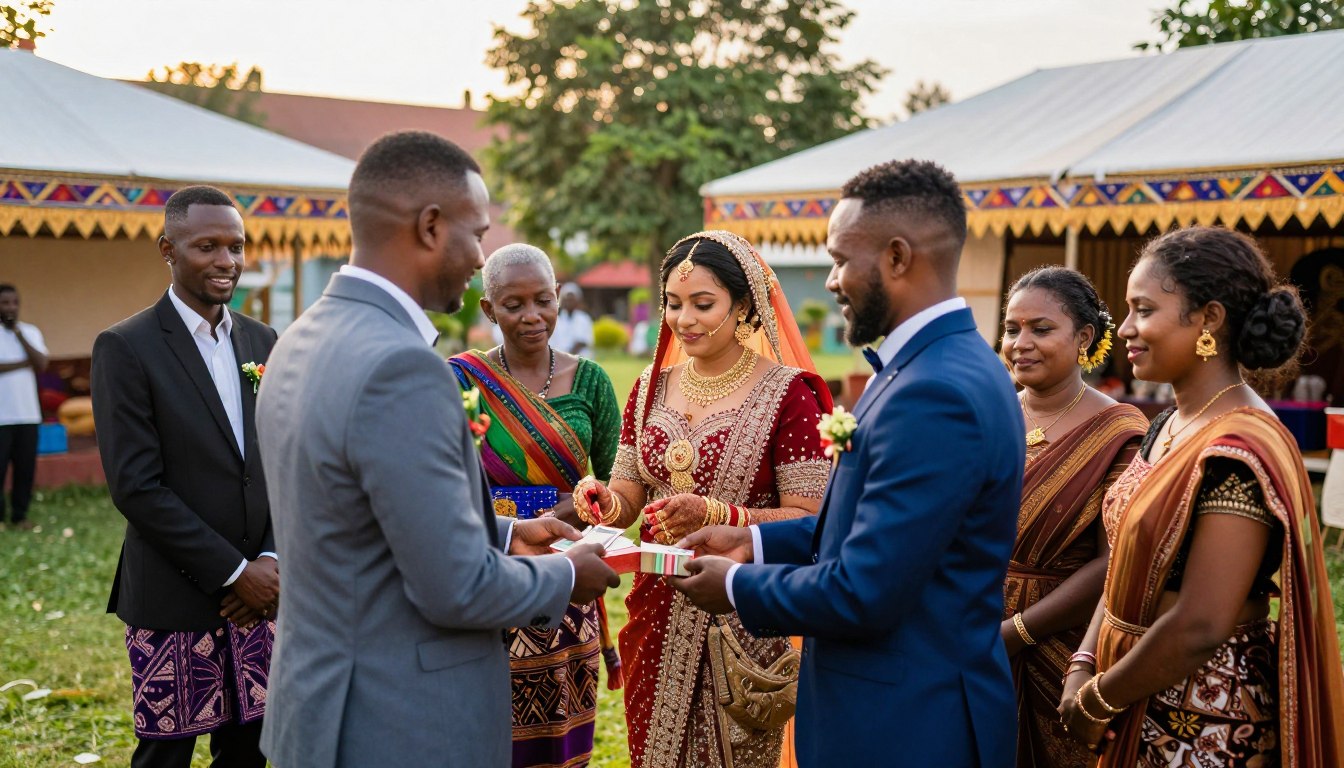
In modern China, an ancient marriage practice continues to shape lives. This tradition involves a significant payment from the groom’s family to the bride’s. Over 70% of unions in the country currently include this custom.
The phrase “No House, No Spouse” reflects a harsh reality for many men. In rural areas, the requirement for home ownership combines with this substantial gift. Together, they create a massive financial barrier to starting a family.
Here lies a great paradox. As China races forward with economic development, this old custom grows stronger. The average national cost reached 69,000 RMB by 2023, a sum far beyond what many families can afford.
Why does this practice remain so powerful in 2026? Its persistence reveals deep tensions between old ways and new realities. It highlights issues of gender, economic inequality, and shifting social expectations.
Key Takeaways
- An ancient marriage custom remains a powerful force in over 70% of Chinese unions today.
- The demand “No House, No Spouse” creates a dual financial burden, especially in rural communities.
- Despite modernization, the cost of this tradition has skyrocketed, becoming a major barrier.
- This practice’s resilience points to unresolved conflicts between tradition and modernity.
- Understanding this issue requires looking at demographics, economics, and cultural values.
- The custom’s future will be shaped by government policies and changing social attitudes.
Setting the Stage: The Rising Significance of Caili in Modern China
What began as a symbolic ritual in agrarian societies has transformed into a significant economic factor in modern marriages. To understand why, we must look back at its long journey.
Historical Background of Bride Price Traditions
The concept traces back over 2,000 years. Classical texts like the Book of Rites documented early forms of betrothal gifts.
These customs served as both marriage validation and economic compensation. A family lost a daughter’s labor, so gifts offered balance.
Even after 1949, when new laws banned marriage transactions, the practice endured. Its deep cultural roots allowed it to survive major political change.
The Shift from Respectful Ritual to Economic Barrier
The items exchanged evolved with China’s economy. In the 1950s, gifts were practical household necessities.
By the 1970s, they became status symbols like watches. The 1980s brought modern appliances.
A fundamental change occurred in the 1990s. Money began to replace material goods entirely.
This shift marked the start of its transformation into a purely financial negotiation.
Market liberalization and the One-Child Policy intensified the change. The logic of compensation evolved from reimbursing farm labor to covering modern sacrifices.
Today, it’s often framed as offsetting a woman’s career risks in a marriage. This evolution explains how a respectful ritual became a major economic barrier.
Average Bride Price in China by Province: Regional Trends and Economic Impact
Provincial data on marital customs exposes a counterintuitive reality where tradition carries a heavier price tag in less developed regions. The national average reached 69,000 RMB in 2023, but this figure masks dramatic local variations.

Variations Between Rural and Urban Areas
In major metropolitan centers, this marital gift often holds symbolic value. It signals respect rather than representing a major financial transaction.
The function changes dramatically in the countryside. Here, the payment serves as crucial economic support for the bride’s family. In some rural areas, the sum can represent years of accumulated savings.
Data-Driven Insights from Wealthier vs. Underdeveloped Provinces
Statistics reveal a clear and puzzling pattern across different regions:
- Wealthy Zhejiang province reports averages exceeding 183,000 RMB
- Eastern coastal regions average 22,700 RMB (26.19% of wedding costs)
- Western inland areas average 28,000 RMB (38.36% of wedding costs)
- Rural Jiangxi faces demands surpassing 380,000 RMB in some cases
This creates a paradox. Economically underdeveloped western regions show higher relative expenses than wealthy eastern ones. For many families in these areas, the marital transfer represents a critical financial opportunity.
The local marriage market dynamics intensify this trend. Gender ratios and urbanization patterns create unique pressures in each region.
Analyzing the Caili Bride Price Impact on Chinese Marriage Requirements and Demographics
Behind the rising cost of marriage in China lies a stark numbers game with profound social consequences. This reality shapes requirements for both local men and foreigners seeking a partner.
The tradition’s impact is deeply tied to the nation’s demographics. It creates a complex web of expectations and competition.

Marriage Requirements for Foreigners and Expat Considerations
For an expatriate groom, the rules can be different. Some families view an international union as a status boost and may waive the customary gift.
Others maintain traditional expectations regardless of nationality. It becomes a delicate cultural negotiation, not just a financial one.
Gender Imbalance and the Intensified Marriage Squeeze
Decades of the One-Child Policy created a severe shortage of women. In provinces like Jiangxi, there are over 120 men for every 100 women.
This scarcity fuels intense competition. The perceived value of a woman in the marriage market soars, inflating the caili demand.
Urban migration worsens the squeeze. Millions move to cities each year, and women often use marriage to secure an urban hukou for better benefits.
This system leaves many rural men behind as “bare branches” with little hope of marrying. The result is a direct contributor to falling marriage numbers and a shrinking population.
Navigating the Cost of Getting Married in China 2025 and the Cultural Debate
A perfect storm of economic pressure and deep-seated custom makes marriage one of life’s most costly ventures in China today. This section breaks down the numbers and explores the heated cultural arguments behind them.
Economic Pressures and Rising Wedding Expenses
The total cost for a groom’s family is staggering. A Shaanxi survey found average house expenses at 345,900 yuan and the marital gift at 131,600 yuan.
Adding ceremony and furnishing costs, the total easily surpasses 500,000 yuan. This represents 8-10 years of income for an average rural family.
Consequently, 80% of surveyed men borrowed money to wed. This debt trap strains new marriages for years.
Some banks tried to formalize this need. The Bank of Jiujiang briefly offered loans up to 300,000 RMB specifically for this purpose.
This financialization of a tradition sparked public outrage, seen as profiting from a social problem.

Understanding Why Caili is So High in China
Many women and their parents see a high sum as crucial economic security. In rural areas, land rights often favor men, leaving women financially vulnerable.
This payment can be one of the few ways a woman secures assets in her own name. Some feminists view it as compensation for career sacrifices and domestic labor.
Others argue it commodifies women and reinforces inequality. The debate is fierce on social media, where criticism often blames women instead of the underlying structures.
Older generations see it as essential respect. Younger couples often find it outdated. This intergenerational clash complicates every negotiation between families.
Reflections on the Future Landscape of Marriage and Caili in China
The resilience of a centuries-old practice offers a lens into China’s struggle to balance tradition with progress. Recent government policy has tried to curb high marital costs with caps and guidelines.
These efforts show limited success. They often fail to address root causes like economic inequality or women’s rights. Wealthier families easily circumvent official rules.
A generational shift is emerging. Some young couples now choose unions based on mutual respect, not financial exchange. This change remains concentrated in urban areas.
If the custom remains unaffordable, marriage rates may keep declining. This trend risks accelerating population aging. True reform must tackle the underlying social and economic divides that sustain this practice.