I’m introducing you to one of the most fascinating shifts in modern dating I’ve encountered. Singles are now treating their former partners like professional references. They create detailed recommendations for potential new connections.
This isn’t a fleeting fad. It’s a reflection of how people are rethinking traditional approaches to romance. The movement started with a single, viral social media post. A person asked if friends could “refer” their exes because finding a normal partner felt so hard.
That post resonated deeply with frustrated singles. They were tired of the uncertainty in conventional methods. The concept is straightforward. Instead of navigating murky dating apps alone, people turn to those who have “field-tested” potential partners.
I find it interesting this emerged at a time when many seek more reliable sources of information. It’s a distinctly local twist that prioritizes efficiency and transparency. Throughout this article, I’ll explore why this approach gained momentum. We’ll look at what it reveals about contemporary relationship dynamics in our world.
Key Takeaways
- A new approach to finding partners treats former relationships like professional references.
- The movement began with a viral social media post expressing frustration with conventional methods.
- It prioritizes efficiency and transparency over traditional dating uncertainty.
- People are seeking reliable information from those who know potential partners best.
- This reflects a global rethinking of how we form connections in the digital age.
- The phenomenon shows how culture and technology intersect in personal relationships.
- Understanding this shift helps us see changing attitudes toward romance and compatibility.
Unpacking Viral Chinese Dating Trends 2025
I watched in real-time as a viral concept transformed private breakups into public referrals. It spread across platforms at incredible speed. This new strategy turned a moment of frustration into a widespread movement.

What started as a joke became a legitimate tool for many young people. They were tired of vague online profiles. So, they created something better.
Ex-Partner Referrals: From Social Media to Dating Profiles
Users began posting detailed summaries of former lovers. These read like professional performance reviews. One famous example listed a man’s height, job, and even his video game habits.
It included a “condition” rating of 90% new. This humorous touch addressed serious concerns. Another user joked about referring her current boyfriend if they ever split up.
The level of detail was astonishing. People shared MBTI types, zodiac signs, and specific quirks. This gave others reliable information at a glance.
The Role of Digital Platforms in Driving New Trends
Social media allowed this idea to grow. A single post resonated with thousands of users. Platforms turned private chats into public resources.
Women and men used these spaces to collaborate. They borrowed terms like “internal referral” from the professional world. This made the whole process feel efficient and familiar.
Digital tools created a new ecosystem for connection. Past relationship data became valuable. Young people used creativity to solve a common problem together.
Dating App Culture in China vs West
The way people use technology to find partners varies dramatically across the globe. I’ve seen how the core approach in different regions shapes the entire digital culture.
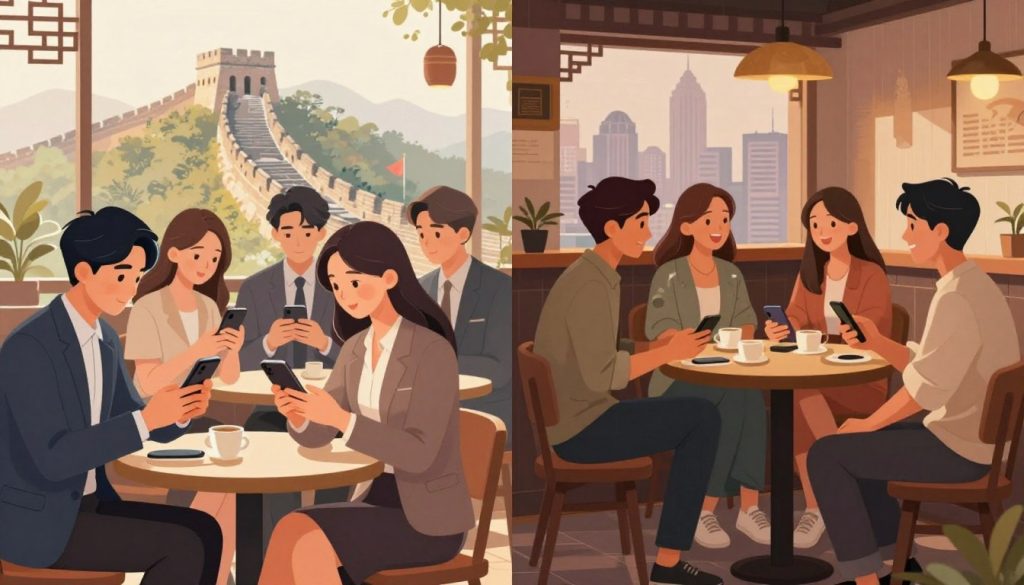
In one country, a new wave of “slow” apps limits daily messages. They prioritize voice notes over photos. This aims to build deeper connections. It’s a direct response to widespread user distrust.
Many fear encountering scammers or exaggerated profiles on mainstream platforms. “The risks of a blind search are too high,” one person noted online. This caution fundamentally changes how users interact.
Comparative Insights on User Experiences
I’ve noticed a stronger preference for verification in this market. Users seek transparency before engaging. This explains why experience-based referrals have become popular.
They act as a trusted supplement to algorithm-driven dating apps. The culture here often integrates practical factors like career stability. Western brand platforms, in contrast, frequently focus on attraction and shared interests.
How Social Media Shapes Dating Behavior on Both Sides
Social media fuels this shift. It turns private networks into public vetting tools. The ex-partner referral trend filled a gap that traditional dating app interactions missed.
In the West, these platforms might drive different behaviors. Video features, for example, are often for quick entertainment. Elsewhere, they can serve as crucial authenticity checks.
This entire world of digital matchmaking shows how local values reshape technology. It’s not just about the app itself, but what users demand from it.
Chinese Dating Trends: Evolution and Insights
The search for a life partner has evolved into a highly structured, data-driven process in recent years. I’ve watched this shift closely. Marriage registrations fell from 13.47 million couples in 2013 to just 6.11 million in 2024.
This dramatic change reshaped the entire landscape. People began seeking more efficient paths to serious relationships.

Pragmatic Dating Standards and Efficiency in Partner Selection
In response to the marriage decline, users adopted a remarkably pragmatic approach. They started treating partner selection like a research project.
Detailed profiles list specific criteria. These include exact age, height, job sector, and personality traits. The goal is to maximize matchmaking efficiency from the very first glance.
“Born in 1995, 183 cm tall, works at a state-owned enterprise, emotionally stable, can cook. Downside: a bit of a mama’s boy. Worth considering.”
This candid style states gender and practical skills upfront. It highlights both advantages and potential deal-breakers.
Data-Driven Relationship Choices and Structured Profiles
This isn’t about cold calculations. It’s a response to wanting reliable information in a complex dating world.
Spontaneous romance has given way to careful evaluation. While local governments offer financial incentives for marriage, this grassroots trend is a user-built solution.
It prioritizes transparency and practical compatibility. This evolution in matchmaking culture could influence how connections are formed globally.
Spotting Red Flags in Modern Chinese Dating
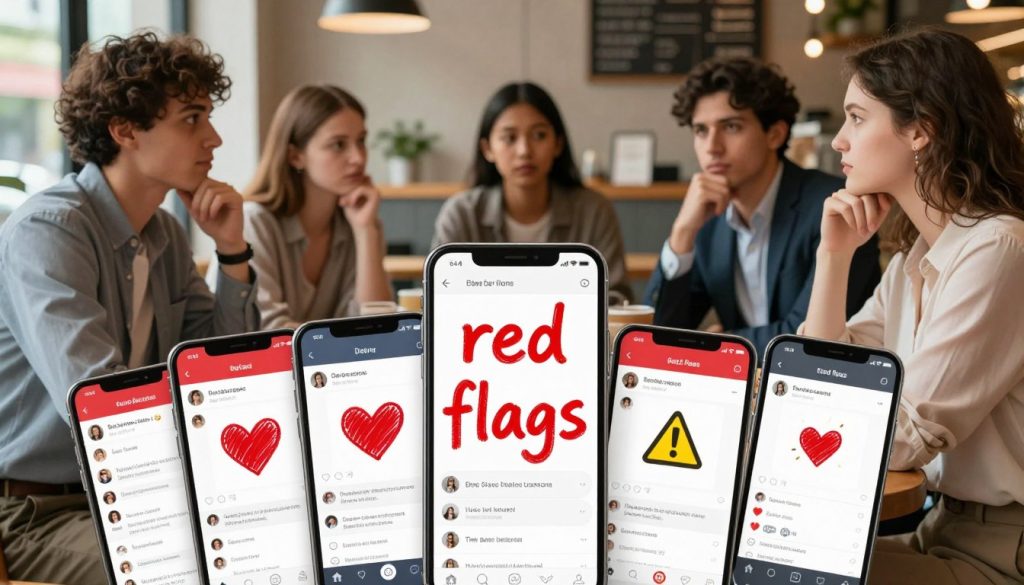
Protecting yourself in the world of online romance means understanding the new red flags that have emerged. Many young singles fear encountering scammers or people who exaggerate their careers and appearance. This fear is why the ex-partner referral movement gained such traction.
Recognizing Warning Signs in Digital Dating Profiles
One major warning sign is when someone’s real-life look doesn’t match their photos. This is why users value verification from an ex. As one person noted, transparent info from someone who knows them beats a stranger’s profile every time.
Behavior during stress reveals character. An ex might note if a person swears during video games or handles conflict poorly. Others might rush toward romance or sex without building a real connection.
I’m concerned about balance. Critics say reducing people to lists commodifies them, like shopping. Still, the risks of blind modern dating make some transparency vital.
| Common Profile Red Flag | What Ex-Referrals Often Reveal | Why It Matters |
|---|---|---|
| Photos look heavily edited or outdated | Accurate description of real appearance and style | Saves time and prevents catfishing |
| Vague about job or life details | Specific info on career, habits, and lifestyle | Builds trust and screens for scammers |
| Pushes for quick intimacy | Insight into their relationship pace and respect | Protects emotional and physical safety |
| Angry or dismissive in chats | How they behave in conflict (e.g., swearing at games) | Shows long-term compatibility risks |
Even with a referral, users must do their own checks. A red flag for one user might be fine for others. The best way is to use all info wisely.
My Reflections on the Future of Chinese Dating Trends
What began as a social media joke could change how we vet partners. This movement asks for more honesty in finding love.
Success stories prove the value. One woman referred her ex after a friendly breakup. Another user met him and they were a great match.
I believe this practical approach may influence global culture. With marriage rates falling, singles want reliable information.
The matchmaking industry could blend apps with community reviews. Young people value real insights over perfect profiles.