I never imagined a simple “hello” could lead to wedding talks in just months. That was my shocking entry into Chinese dating. The pace felt like a rollercoaster from the very first meeting.
My journey taught me that romantic connections operate on a different clock. Expectations and milestones were compressed into fast-forward mode. It was a cultural approach to relations that left me reeling.
The people I met saw dating as a practical path toward marriage. It wasn’t about casual exploration. This was a serious search for a life partner.
The change from my past experiences was dramatic. I felt caught between honoring my partner’s norms and my own need for slower progress. The speed often left me overwhelmed.
In this article, I’ll share my personal story. I’ll break down each stage from initial chats to meeting parents. We’ll navigate exclusivity and the social pressures that make it feel like a race against time.
Key Takeaways
- The dating pace can accelerate from introduction to marriage talks remarkably fast.
- Cultural norms often view romantic connections as a direct path to marriage.
- Expectations around relationship milestones are frequently compressed.
- Many individuals approach dating with a practical, long-term mindset.
- The speed of commitment can create a feeling of whiplash.
- Understanding social pressures is key to navigating the landscape.
- Personal boundaries and communication are essential when timelines feel rushed.
Initial Greetings and First Impressions
The first day I tried a dating app in China, the immediate intensity of the questions took me by surprise. Within hours of matching, I was asked about my career, family, and future plans. This direct exchange of information felt incredibly forward.
I quickly learned it was standard. The first impression stage here is less about casual banter. It’s more about efficient assessment.
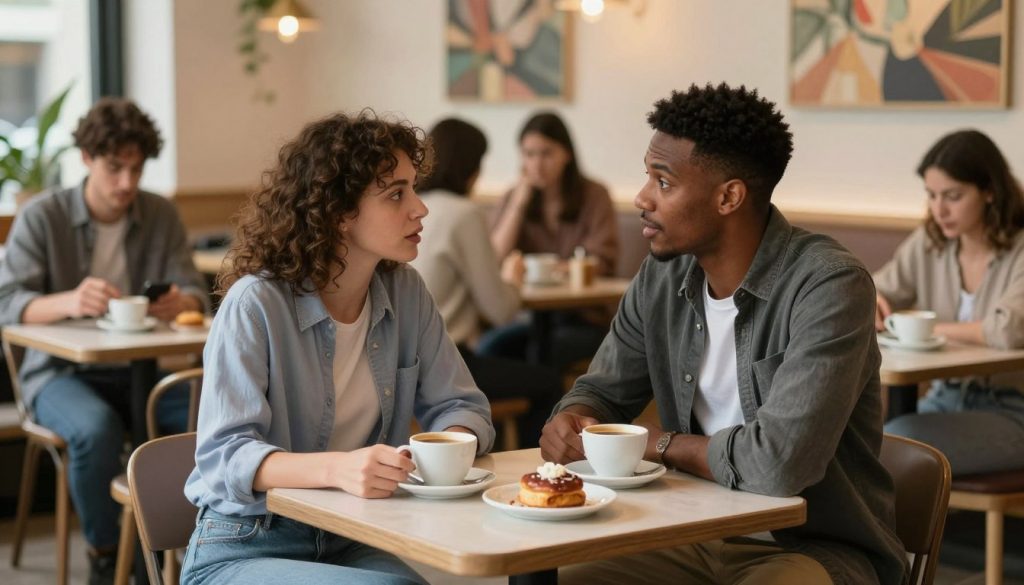
People want to quickly determine if you meet practical criteria for a life partner. They assess factors like education, job stability, and home ownership. These elements are seen as essential for long-term compatibility.
My first in-person meeting felt like a friendly interview. Both parties were gathering data to make an informed decision. The time invested in those initial chats is purposeful and strategic.
Many daters prefer to establish practical compatibility early. They avoid investing months in someone who doesn’t meet fundamental requirements. Questions that might seem intrusive elsewhere are viewed as necessary information gathering.
This approach values honesty and directness from the very start. It sets a clear, intentional tone for everything that follows.
Understanding the Chinese Relationship Timeline
Unlike the multi-year courtships common in Western culture, I discovered relations here often aim for marriage within a single year. The entire journey from hello to husband can be remarkably compressed.
I learned romantic connections are seen as a direct path to marriage. Dating serves as a serious trial period, creating strong ties between early meetings and long-term plans.
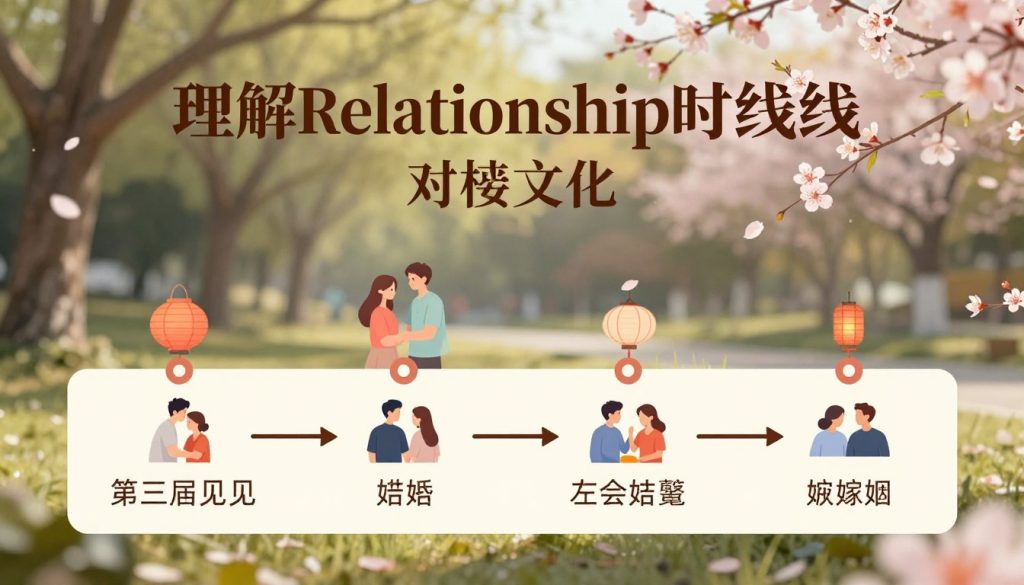
The trade-off with this approach is gaining quick clarity on compatibility. You sacrifice the leisurely exploration common in other dating scenes.
This created internal issues as I navigated my comfort zone. It was a cultural trade that valued efficiency over extended romance.
Social expectations add urgency, especially for women nearing their late twenties. The emphasis on family formation shapes this accelerated progression.
My previous years of casual dating stood in stark contrast. Here, the focus is on building purposeful relations with clear intentions.
Stages of Dating in China: From Casual Chats to Serious Intentions
Understanding the stages of dating in China was like learning a new language. Every interaction carried specific meaning and intent.
The progression from hello to commitment followed a clear, structured path. It was a process designed for efficiency and clarity.
Navigating the Early Stages
I learned that early chats were never truly casual. They were purposeful conversations to establish baseline compatibility.
After just a few days of talking, my date was often assessing long-term potential. This created an interesting trade between practical evaluation and emotional connection.
The time invested upfront aimed to avoid wasted months later. It felt different from the more exploratory dating I knew from other countries.

Cultural Nuances in Meeting and Mingling
Dates were often structured events like dinners or movies. This wasn’t just for fun; it provided a clear context for evaluation.
It contrasted with the spontaneous “hanging out” common in Western countries. Understanding the relations between each stage helped me navigate expectations.
The trade-off was less ambiguity about where things were headed. I always knew the next step, even if the pace felt rushed.
Seeing the clear connections between stages, from chatting to exclusivity, removed much guesswork. It was a defined process, not a vague exploration.
When to Meet the Parents in Chinese Dating
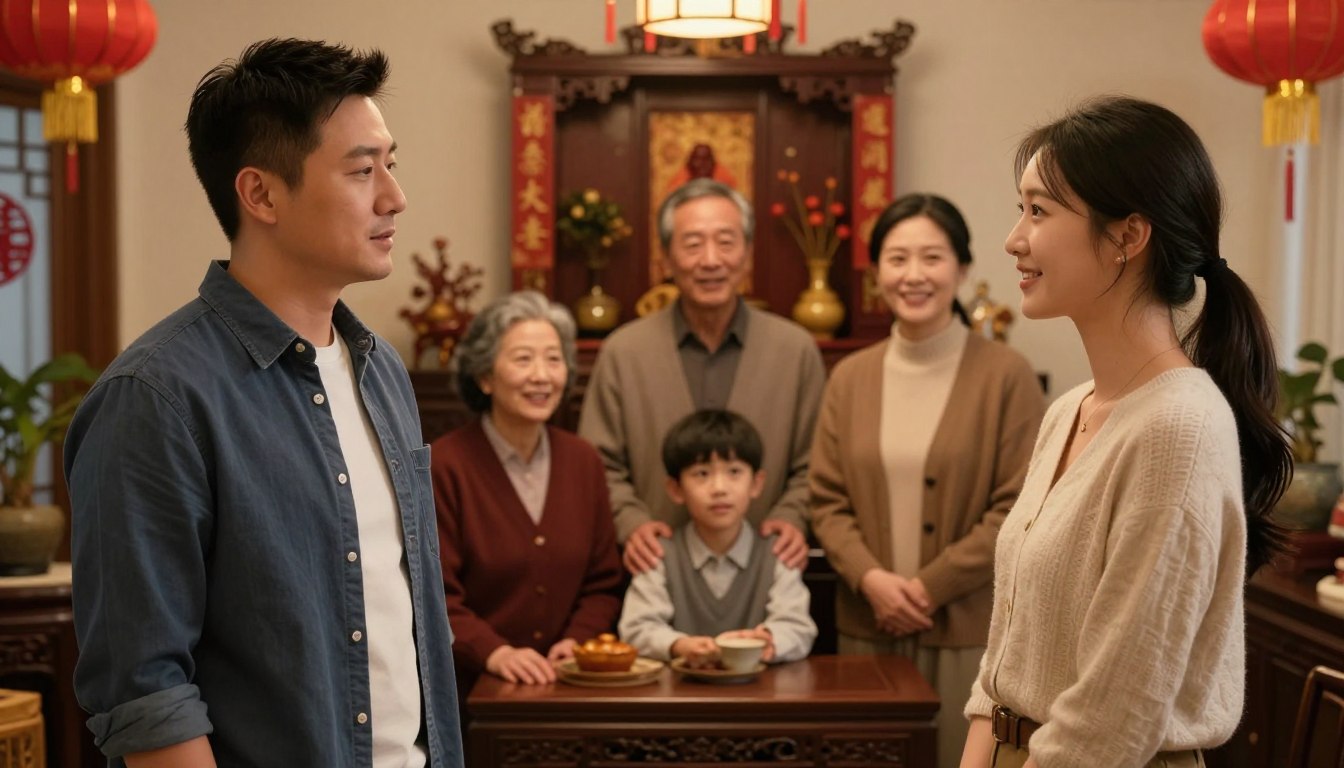
Meeting the family wasn’t just a step; it was a high-stakes declaration in my partner’s culture. Figuring out when to meet the parents in Chinese dating became a source of real anxiety for me.
Breaking the Ice with Family
I learned you only meet parents after both sides see strong marriage potential. This typically happens within three to six months of exclusive dating. It’s a clear signal of serious intent.
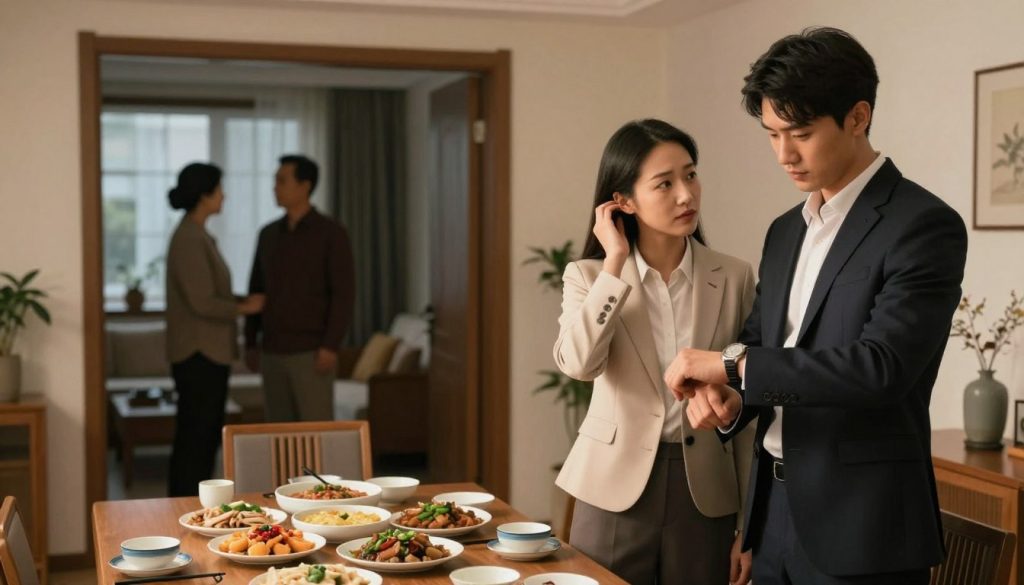
The day of the introduction was planned weeks ahead. My partner coached me on greetings and gifts. It was nothing like a casual “hello.”
This meeting is a two-way evaluation. The parents assess your suitability. Your partner watches how you interact with family members. It tests your respect for their values.
The ties to engagement are very strong. For some families, this introduction is a semi-official wedding announcement. The pressure on both sides is immense.
Successful relations with the family can secure the future. Failure often ends the romance. The time invested in this one day defines the path forward.
Exclusive Relationships vs. Dating China
My assumptions about casual dating were completely upended by local norms. I discovered there’s no real “seeing other people” phase here. Dating someone means you are exclusive by default.
This implicit agreement starts from the very first meeting. It differs from Western norms where you might date multiple people before having “the talk.” Here, going on dates automatically establishes exclusive ties.
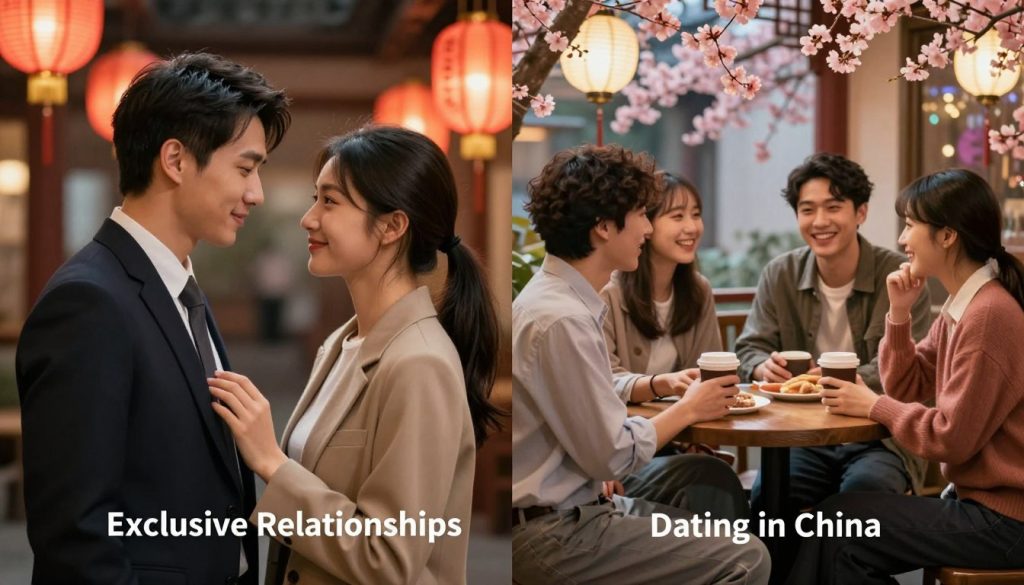
Both sides operate under this assumption. Accepting a date carried more weight than I was used to. I had to be much more careful about who I agreed to meet.
The relations between dating and commitment are compressed. Exclusivity is assumed from day one, not after months. This eliminated the ambiguous “what are we?” phase entirely.
This automatic exclusivity reduced my anxiety in some ways. I always knew where I stood. However, the time between meeting someone and serious commitment felt incredibly short.
The concept is tied to a practical, marriage-focused approach. Since dating is viewed as marriage preparation, it makes sense to focus on one person. You wouldn’t simultaneously evaluate multiple candidates.
Ending things required more serious conversations. You were ending a committed relationship, not just stopping casual dates. The terms of dating here are fundamentally different.
Understanding this cultural norm was crucial for navigating new relations. It required clear communication and respect from both sides from the very beginning.
Pressure to Marry in China: The Social Timeline
I quickly learned that being single past a certain age wasn’t just a personal choice. It was a social concern that everyone seemed to monitor. The pressure to marry created an invisible countdown that started ticking in your mid-twenties.
This societal timeline felt unavoidable. Friends and family would mark each passing year with increased urgency. I felt the weight of their expectations every single day.
Identifying Social Milestones
Society here has very specific age brackets for major life events. For women, the ideal window is often 25 to 27 years old. Crossing into your late twenties signals that time is running out.
Men face a similar squeeze in their early thirties. These milestones aren’t just casual observations. They shape how people are perceived in their careers and social circles.

Balancing Personal Desires with External Expectations
My biggest struggle was reconciling what I wanted with what was expected. I valued taking time to find genuine compatibility. The social push for speed created real internal issues.
External factors amplified the pressure. Historical government policy and traditional values created a competitive atmosphere. The government has long encouraged family formation through various incentives.
These combined forces made resisting the timeline difficult. Some people felt forced to make compromises. They feared the stigma of another birthday passing alone.
I saw how this rush could lead to problematic issues in partnerships. The pressure to marry by a certain day or year sometimes overshadowed the need for a strong connection. Understanding this social policy context was crucial for navigating my own path.
Cultural Traditions and Modern Dating Trends
I witnessed a fascinating evolution where traditional courtship rituals met digital-age dating habits. This created a constant trade between old-world formality and new-world casualness. Every interaction felt like a negotiation between these two forces.
Over the years, I saw a clear change in how people connected. The fundamental goal of finding a life partner remained. Yet, the methods shifted dramatically with apps and social media.
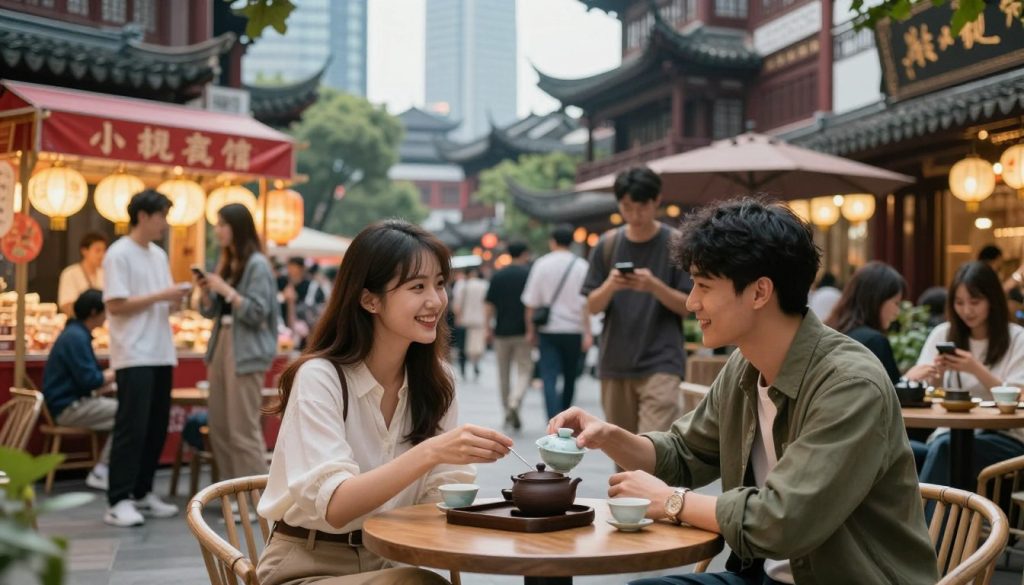
Influence from other countries is undeniable, especially among those who studied abroad. They often brought back different ideas about romance. This created new relations between generations, with parents sometimes puzzled by their children’s slower pace.
The core values, however, showed remarkable resilience. Despite global exposure, the emphasis on family approval and practical compatibility held strong. It was a trade that balanced modern tools with ancient expectations.
I observed this trade play out differently in various cities. In cosmopolitan hubs, the blend felt more pronounced. In other countries I’ve lived, the contrast was even starker.
Looking back over the years, the relations between tradition and innovation define the current scene. Deep cultural patterns adapt slowly, even as surface behaviors evolve rapidly.
Timeline of Chinese Dating Milestones
Seeing the typical sequence of events laid out helped me anticipate each step instead of feeling blindsided. Creating a clear progression map was my key to surviving the speed.
The common path I followed looked like this:
- First contact and intense chatting (Day 1-7)
- Initial in-person meeting (Week 1-2)
- Exclusive dating agreement (Weeks 2-4)
- Meeting friends and serious future talks (Months 1-3)
- Introductions to parents (Months 3-6)
- Engagement discussions and planning (Months 6-12)
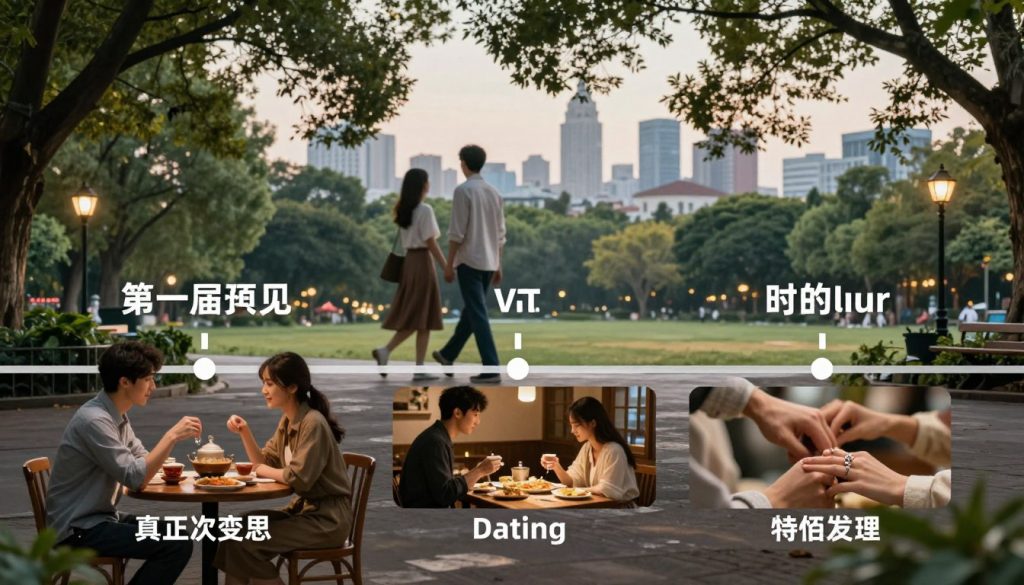
Each milestone creates stronger ties and higher expectations. It becomes harder to exit without causing hurt. You must be sure before proceeding to the next stage.
The agreement to move forward is often unspoken. Accepting an invitation, like meeting parents, signals your readiness. That specific day announces marriage intent to both families.
The time between stages can vary. But the overall trajectory toward marriage within a year or two is consistent. This contrasts with longer Western relations.
Knowing this social roadmap helped me communicate. I could reference specific milestones when discussing pace. It turned vague discomfort into clear conversation about our relations.
The Role of Social Media and Technology in Chinese Dating
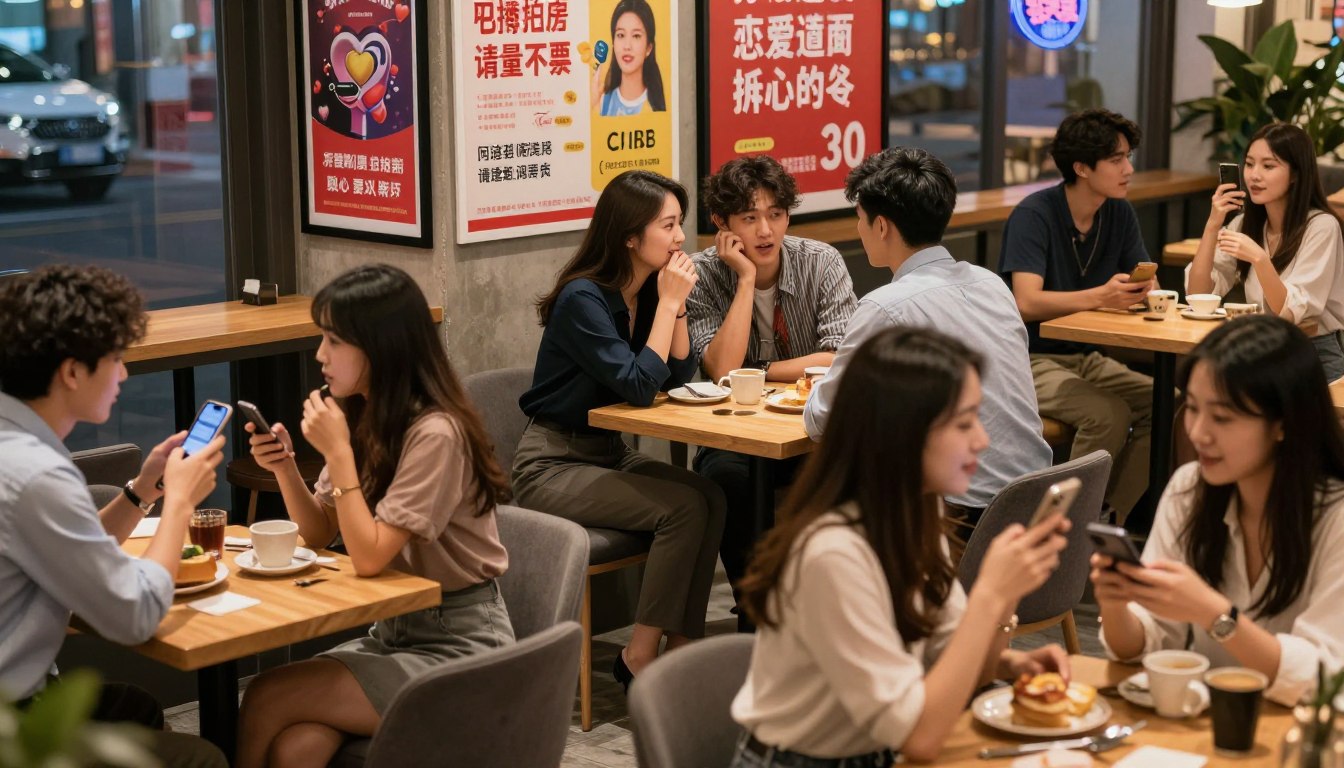
Technology reshaped every interaction, turning my social media profile into a digital resume for potential partners. Apps like Tantan and Momo opened doors to meeting people outside my usual circles. But WeChat became the undeniable heart of it all.
Exchanging WeChat IDs was the crucial first step. Your “Moments” feed acted as a curated window into your life. I learned to post content showing stability and family values. This was my silent application for serious relations.

This digital shift created clear trade-offs. Gathering information became incredibly fast. Yet, it added pressure to maintain a perfect online image and reply to messages within minutes.
The day-to-day communication happened entirely on WeChat. Couples shared meal photos and voice messages constantly. This constant contact was a key signal of commitment and interest.
Social media made relations very public. Posting couple photos created social accountability. It felt like announcing your status to the world.
I saw a cultural trade here. In other nations, social media use might be more casual. Here, it was a strategic tool. The time invested in daily messaging was viewed as proof of genuine intent.
Navigating Family Expectations and Tradition
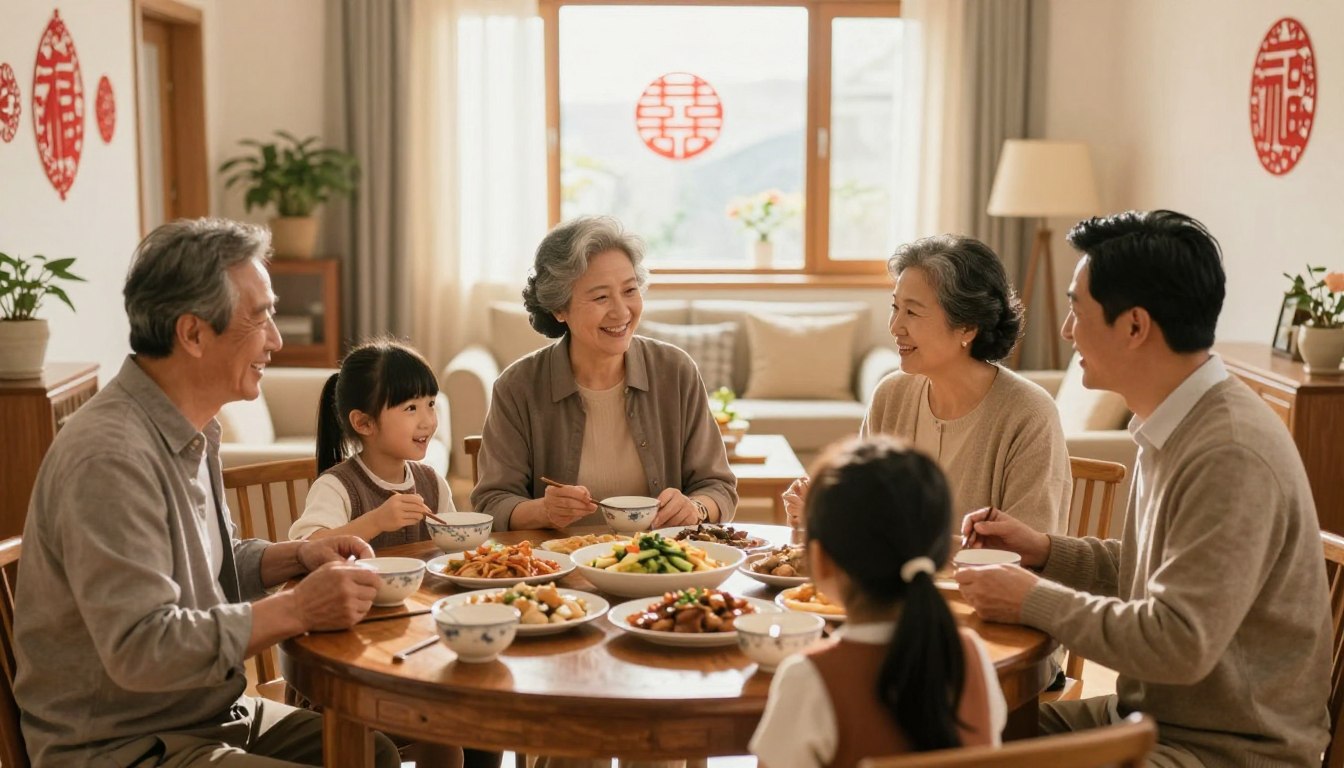
I soon realized that saying ‘yes’ to a partner meant saying ‘yes’ to an entire family network. Family members on both sides held significant sway. Their opinions shaped major decisions, from compatibility checks to wedding plans.
This created unique issues for me. I deeply valued my personal autonomy. Yet, simply dismissing their input was never an option in this culture.
Blending Independence with Conventional Values
Finding a balance required clever compromise. I learned to honor key traditions while carving out space for my own choices. It was a constant trade between personal needs and family harmony.
The concept of filial piety was central. Respecting and pleasing parents is a fundamental virtue. This made the relations between individual desires and family expectations delicate.
Practical matters added more layers. Expectations about providing grandchildren were influenced by modern government policy. Elder care and regular contact were non-negotiable family ties.
Both sides of the family assessed our relations deeply. They looked at social status and shared values. These evaluations could bring new issues or solidify bonds.
The final trade was clear. Marrying someone meant joining their family with all its ongoing obligations. Navigating this was perhaps the most profound lesson.
Personal Reflections on the Chinese Dating Journey
This journey taught me more about cultural empathy and personal boundaries than I ever expected. My entire view on romantic connections was reshaped during this time.
The day-to-day reality forced me to question my own assumptions. Was a slower pace better, or just different? I struggled with the pressure but grew to value the clarity.
I learned the issues weren’t about one culture being right. It was about honoring both perspectives. This required constant communication and compromise from both people.
Stepping outside my comfort zone was the only way to truly understand.
The change in my thinking happened slowly over the years. What felt like overwhelming pressure became understandable with context. I saw how individual relations are part of a larger family network.
My reflection ends with deep gratitude. The experience built a lasting appreciation for different paths to love. It was a challenging but invaluable chapter in my life.
Learning from the Past: Key Takeaways in Relationships
Looking back, my biggest lessons came from moments of cultural friction, not from smooth sailing. The most important one was about time. What felt rushed to me was a normal, efficient pace for my partner. Neither view was wrong.
This fast progression taught me to address potential issues directly and early. Small doubts don’t fade away on a compressed schedule. They need honest conversation to prevent bigger problems later in your relations.
Finding harmony requires change and compromise from both sides. You must both adjust your expectations to create a shared path forward.
Meeting in the middle isn’t about losing yourself. It’s about building something new together.
Over the years, I saw that successful relations here are practical partnerships. People evaluate long-term compatibility factors that build a stable life. Family approval is also essential, not optional.
The Impact of Traditional Rituals on Modern Relationships
I initially dismissed ancient customs as relics. Their persistent influence on modern love stories proved me wrong. These practices are not forgotten. They are actively adapted to frame serious commitments today.
Rituals That Still Shape Today's Dating Culture
I learned that symbolic exchanges, like betrothal gifts, remain vital. They are not about materialism. This trade represents a deeper social contract between families.
It formalizes the agreement and establishes the terms of a union. The focus is on creating lasting ties. This shapes all future family relations.
Even modern couples often incorporate key traditions. They honor their parents and cultural heritage. This change shows adaptation, not abandonment.
Another key ritual is the formal parent meeting. Specific protocols around greetings and gifts are followed. It tests respect and solidifies the new relations.
Understanding this helped me see dating as a family agreement. The rituals create a profound sense of connection. They make the bond feel substantial and enduring.
Shifting Social Norms and Dating Dynamics in China
Over the past decade, I’ve watched the landscape of love transform. Broader societal change has unfolded over recent years. Urbanization and education now shape romantic relations.
Dating culture varies by region. Rural areas remain traditional. Major cities show diversity, with some people adopting patterns from Western countries.
Gender dynamics have shifted. More women pursue careers and delay marriage. They still face more scrutiny than men.
Past government policy created lasting issues. The one-child rule caused a gender imbalance. A significant percent skew makes the partner search competitive.
Young adults discuss these issues openly on social media. Hashtags questioning norms gain traction.
Divorce rates have risen in recent years. Stigma has decreased in cities, though it’s less common than in many Western countries.
Despite shifts, core relations between dating and marriage stay strong. Most view romance through a long-term lens.
New policy encourages larger families. It hasn’t eased daily pressure. The percent marrying has dipped slightly in cities.
Key issues include housing costs and generational conflicts. These factors drive ongoing evolution.
Future of Dating in China: Trends to Watch
Peering into the next decade, I anticipate a fascinating evolution in how people connect and commit. Several powerful forces are set to reshape the dating scene.
International influence will grow. More students study in countries like the United States. They return with new ideas about relations and personal timelines.
Technology will keep transforming how we meet. AI matchmaking and virtual dates will become common. The fundamental goal-oriented nature will likely persist.
A key trade-off will be between career ambitions and social expectations. Educated women face tough choices. This could drive policy changes to address these issues.
Demographic challenges are significant. The gender imbalance means a percent of men may struggle to find partners. Acceptance of international marriages might rise.
I expect tension between traditional family hopes and personal desires. Intergenerational relations will require compromise.
Government policy on housing and childcare could reduce stress. This might ease the time pressure in major cities.
Global dating culture from other countries, including the United States, will bring diversity. Some may adopt casual dating, while others stay traditional.
The percent marrying later will likely increase over the years. This change will be slow but steady across different regions.
Other trends to watch include cross-cultural connections and evolving family roles. The trade between innovation and tradition will define the future.
Final Thoughts on the Chinese Relationship Timeline
At the end of this whirlwind, I see that every culture has its own rhythm for building connections. I now understand the logic behind the fast pace. It values clarity and purpose in romantic relations.
My time dating in the United States and other countries was different. There is no perfect timeline. Each approach involves a trade-off between exploration and certainty.
The key is finding an agreement with your partner. Both sides must navigate these issues together. The ties I formed taught me that a significant percent of success comes from mutual effort, not just speed.