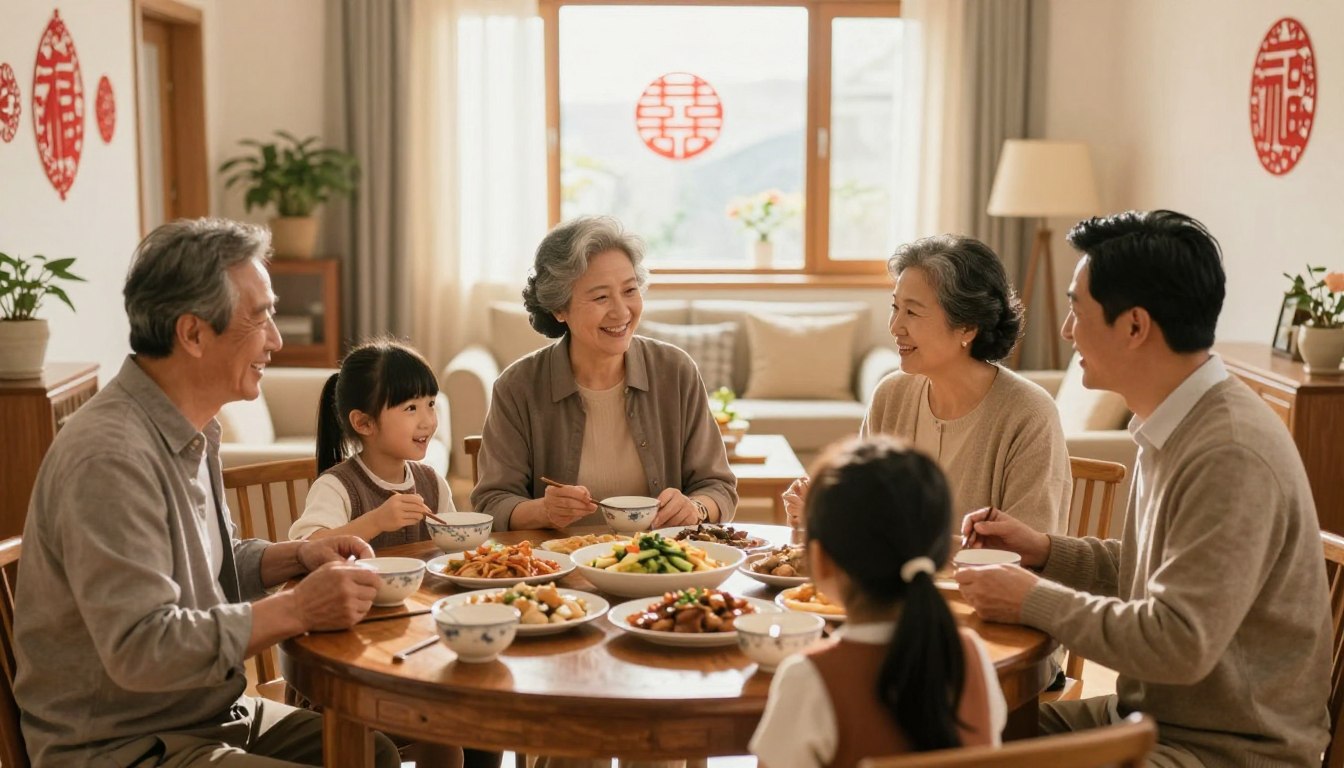
Can a strong sense of family loyalty make a relationship more stable and fulfilling? In many cultures, like Chinese society, family values are very important in shaping personal relationships.
The concept of Xiǎo, or Filial Piety, is a big deal in Chinese culture. It teaches respect, obedience, and care for parents and elders. This value greatly affects how people handle their personal relationships.
Looking into how family loyalty and relationship stability are connected helps us understand their value. We see how these values make relationships stronger and more lasting.
Key Takeaways
- Family loyalty is a key factor in keeping relationships stable.
- Cultural values like Filial Piety shape personal relationships.
- Showing respect and care for family members can make relationships stronger.
- Knowing how family dynamics work is key to building strong relationships.
- Chinese family values give us insights into creating more stable relationships.
Understanding Filial Piety and Its Importance
Filial piety is key to understanding family loyalty and its role in personal relationships. It’s a Chinese tradition that values respect, obedience, and care for parents and elders.
What is Filial Piety (Xiǎo)?
Filial piety, or “Xiǎo,” is a traditional virtue that honors parents and ancestors. It includes showing respect, providing care, and keeping family lineage alive. It’s not just for immediate family but also for ancestors and future generations, creating a sense of continuity and responsibility.
This virtue greatly impacts family dynamics. By focusing on family needs, individuals strengthen family bonds. This unity and cooperation help keep family relationships stable and strong.
Historical Roots of Filial Piety
Filial piety’s roots are in Confucianism, which values moral virtues and ethics. Confucius saw filial piety as a key virtue, essential for loyalty and righteousness. Throughout Chinese history, it’s been a core part of moral education, shaping social norms and cultural practices.
Over time, filial piety has evolved with social and economic changes. Yet, its core values of respect, care, and loyalty have stayed the same. These values continue to influence family relationships and cultural identity.
Filial Piety in Modern Contexts
In today’s world, filial piety faces new challenges like urbanization and Western cultural influence. Yet, it remains a vital part of cultural heritage. Many people continue to value family loyalty and respect for elders.
- Filial piety continues to influence family dynamics and relationships.
- It adapts to modern societal changes while retaining its core values.
- The practice of filial piety is seen as a way to maintain cultural identity and continuity.
By embracing filial piety, individuals can build stronger, more resilient family bonds. This contributes to personal and societal well-being.
The Role of Family Loyalty in Relationships
Family loyalty is key in keeping families stable and happy. It’s about the strong ties and promises between family members. These ties go beyond just immediate family to include extended and multi-generational ones.
How Family Loyalty Strengthens Bonds
Family loyalty makes everyone feel safe and part of something bigger. When family supports each other, relationships last longer. This support system helps families face tough times together.
It also makes talking openly, understanding each other, and trusting one another easier. This way, families can live in peace and harmony.
The Impact of Family Dynamics on Couples
Family dynamics greatly affect couples. When families support their loved ones, couples build a stronger bond. This support can be emotional, financial, or practical, helping couples through hard times.
| Family Dynamics | Impact on Couples |
|---|---|
| Supportive Family Environment | Strengthens relationship foundation |
| Multi-generational Support | Provides emotional and practical assistance |
| Family Conflicts | Can strain couple’s relationship |
Filial Piety as a Relationship Foundation
Filial piety, or showing respect to elders, is essential for good relationships. It shows loyalty and respect to family. This commitment helps families feel closer and understand each other better.
In summary, family loyalty is very important for relationships. It strengthens bonds, affects how couples interact, and forms a strong foundation. This loyalty helps families stay stable and happy.
Filial Piety in Different Cultures
Cultural views on filial piety show a rich mix of family duties and responsibilities. How societies see and act on filial piety greatly shapes family ties and bonds.
Cultural Perspectives on Family Duties
Different cultures have their own ideas about family duties. These ideas come from their history, religion, and social norms. For example, in many Asian cultures, filial piety is deeply rooted in Confucianism. It stresses respect for elders and ancestors.
In contrast, Western cultures often focus on individualism. This can change how family duties are seen and carried out.
Comparison of Cultural Views
| Culture | View on Filial Piety | Family Duties |
|---|---|---|
| Chinese | Emphasizes respect for elders and ancestors | Children are expected to care for their parents |
| Western | Prioritizes individualism | Family duties are often seen as personal choices |
| Indian | Views filial piety as a moral obligation | Children are expected to support their parents financially and emotionally |
Comparing Western and Eastern Approaches
The Western and Eastern views on filial piety are quite different. Eastern cultures focus on family values, while Western societies emphasize individual rights and freedoms. This difference impacts how families handle responsibilities and expectations.
“The way we care for our elders is a reflection of our values as a society.” –
Unknown
The Role of Traditions and Customs
Traditions and customs are key in shaping filial piety. For example, many cultures have rituals and ceremonies to honor ancestors and elders. These practices strengthen family ties and teach values to the young.
- Rituals and ceremonies to honor ancestors
- Respect for elders through specific customs
- Family gatherings to strengthen bonds
By understanding and valuing these cultural differences, we can build more empathy and cooperation among diverse communities.
The Psychological Benefits of Filial Piety
Practicing filial piety can make life more emotionally resilient. It brings many psychological benefits that boost well-being. These benefits help build stronger, more supportive family ties.
Emotional Support from Family Ties
One key benefit of filial piety is the emotional support it offers. Strong family bonds are linked to better emotional health and resilience. Feeling supported by family helps people deal with stress and tough times better.
Emotional support from family members gives a sense of security and comfort. This is very important during hard times.

Enhancing Emotional Intelligence
Filial piety also boosts emotional intelligence. By taking on family responsibilities, people learn to handle their emotions better. This emotional smarts is key for healthy relationships and making smart choices.
Through filial piety, people develop empathy and understanding. These are core parts of emotional intelligence.
Coping Mechanisms through Family Loyalty
Family loyalty from filial piety offers great coping strategies in tough times. People with strong family ties often have better ways to deal with challenges. They can count on their family for support, guidance, and encouragement.
This support network is priceless for facing life’s ups and downs and keeping mental health strong. Studies show that those who practice filial piety have less stress and anxiety. The feeling of belonging and support from family bonds boosts overall psychological well-being.
By nurturing these relationships, people can become more resilient and live more fulfilling lives.
Filial Piety and Conflict Resolution
Filial piety greatly affects how families deal with disagreements. It promotes respect, empathy, and loyalty. This helps families manage conflicts and grow closer together.
Navigating Disagreements Within Families
Dealing with family disagreements needs a balance of understanding and talking. When family members value filial piety, they handle conflicts with empathy and patience. This approach helps calm tensions and leads to better conversations.
Effective communication is key in solving family conflicts. By listening well and speaking respectfully, family members can find solutions that please everyone.
How Family Support Can Mediate Conflict
Family support is vital in resolving conflicts. When family members feel supported, they’re more likely to share their concerns and work out differences. Filial piety creates this supportive atmosphere by encouraging unity and cooperation.
Having a family mediator can make conflict resolution smoother. A respected family member can help everyone be heard and keep the conversation productive.
| Conflict Resolution Strategies | Role of Filial Piety | Benefits |
|---|---|---|
| Active Listening | Promotes empathy and understanding | Reduces misunderstandings |
| Respectful Communication | Fosters a culture of respect | Encourages open dialogue |
| Mediation by Family Members | Utilizes family support and unity | Facilitates efficient resolution |
The Influence of Extended Family
Extended family members also have a big impact on conflict resolution. Grandparents, aunts, and uncles can offer valuable advice and support. They use their experience to help solve disputes.
Extended family members can provide a broader perspective, finding solutions that immediate family might miss. Their involvement strengthens the family’s unity and cooperation.
By embracing filial piety and using support from both immediate and extended family, individuals can better handle conflicts. This leads to stronger, more united family bonds.
Filial Piety and Personal Growth
Embracing filial piety can deeply impact personal growth and self-esteem. It strengthens family ties and makes individuals stronger and more resilient.
Building Character Through Family Obligations
Meeting family obligations through filial piety builds character. It teaches responsibility and duty. Caring for family members develops empathy, patience, and understanding, key for personal growth.
Key character traits developed through filial piety include:
- Responsibility
- Empathy
- Patience
- Self-discipline
The Influence of Loyalty on Self-Esteem
Loyalty through filial piety boosts self-esteem. Being reliable and supportive builds trust and confidence in the family. This confidence can spread to other life areas.
| Aspect of Filial Piety | Impact on Self-Esteem |
|---|---|
| Family Support | Provides a sense of security and belonging |
| Reliability | Builds trust and confidence |
| Caring for Family Members | Fosters a sense of purpose and fulfillment |
Learning Resilience from Family Connections
Family ties from filial piety teach resilience. Dealing with family challenges helps individuals learn to face adversity. They grow strong enough to overcome obstacles.
Resilience is built through:
- Coping with family challenges
- Adapting to changing family dynamics
- Supporting family members through difficult times
Challenges to Filial Piety in Modern Society
In today’s fast-paced world, the traditional values of filial piety face big challenges. As society changes, the practice of filial piety is tested in many ways.
Work-Life Balance and Family Expectations
The modern workplace demands a lot, making it hard to balance work and family. Many struggle to meet their family duties while doing their job well. This balance is key for filial piety, as it means spending time with family.
The Rise of Individualism
The growth of individualism in today’s society affects filial piety. As people focus more on their personal goals, family loyalty can take a backseat. This shift towards individualistic values can lessen the importance of family duties.
Technology's Role in Family Relationships
Technology has changed how families connect, bringing both benefits and drawbacks. It helps keep families in touch but can also make them feel less connected. Finding the right balance in using technology is key to keeping family bonds strong.
The challenges to filial piety in modern society are complex. Understanding these challenges helps individuals keep the values of filial piety alive in today’s world.
Promoting Filial Piety Among Younger Generations
Teaching kids about filial piety can change family life for good. As times change, we must find new ways to keep family loyalty alive.
Encouraging Value Systems in Children
Teaching kids strong values is key to filial piety. Parents and caregivers are key in shaping these values. Showing respect, empathy, and responsibility to family members is a great example for kids.
Key values to instill in children include:
- Respect for elders and tradition
- Empathy towards family members
- Responsibility in contributing to family well-being
Educational Approaches to Family Loyalty
Schools also have a big role in teaching kids about family loyalty. Using stories, lessons, and activities that show the value of filial piety can help reinforce what kids learn at home.
| Educational Approach | Description | Benefits |
|---|---|---|
| Storytelling | Sharing stories that exemplify filial piety | Engages children emotionally, promotes understanding |
| Family Projects | Assigning projects that involve family history or traditions | Encourages children to appreciate their heritage |
| Role-playing | Acting out scenarios that demonstrate family loyalty | Helps children practice empathy and responsibility |
Positive Reinforcement and Its Effects
Positive reinforcement is a great way to encourage kids to value family loyalty. By praising and rewarding good behavior, we can help kids keep these values alive.
Research shows that positive feedback can really help kids adopt and keep filial piety values. By supporting and rewarding good behavior, we can build a strong sense of loyalty in the next generation.
Success Stories: Couples Embracing Filial Piety
Filial piety is more than a cultural tradition. It’s a powerful way to build stronger, more resilient relationships. By focusing on family loyalty, couples can lay a strong foundation for lasting stability and harmony.
Real-Life Examples of Stable Relationships
Many couples have made filial piety a part of their daily lives. They’ve seen their relationships grow stronger and more supportive. For example, Mark and Emma, married over 30 years, show the positive effects of family loyalty.
They involve their children in family decisions and activities. This has brought them closer together, creating a sense of unity and cooperation.
The Lee family is another great example. They’ve kept their bond strong across generations through filial piety. By honoring their elders and spending quality time together, they’ve built a supportive network. This network has helped them face life’s challenges.
Lessons Learned from Successfully Loyal Couples
Couples who have embraced filial piety share important lessons. One key lesson is the value of communication and mutual respect. By talking openly and involving everyone in decisions, they’ve strengthened their bond.
Another important aspect is the role of tradition and cultural heritage. Couples who celebrate their cultural roots and pass down values to the next generation create a sense of continuity. This shared identity strengthens their family bonds.
These success stories show that filial piety can lead to more stable, fulfilling relationships. By learning from these examples, other couples can apply these principles to their own lives. This can deepen their connection and commitment.
Practical Tips for Cultivating Family Loyalty
In today’s fast-paced world, keeping family loyalty strong can be tough. But, there are practical ways to do it. Building a loyal family environment needs intentional actions and a commitment to relationships.
Creating Shared Family Rituals
Shared family rituals are key to unity and loyalty. They can be simple, like having dinner together weekly or celebrating special days with traditional activities. Consistency is key to making these rituals work.
- Schedule regular family activities, such as game nights or outdoor adventures.
- Create and maintain family traditions that are passed down through generations.
- Make time for spontaneous celebrations and surprises to keep the spirit alive.
Communication Strategies for Stronger Bonds
Effective communication is the base of a strong family bond. It’s not just about speaking, but also listening and understanding each other. Active listening can greatly improve family communication.
- Practice open and honest communication to avoid misunderstandings.
- Use “I” statements instead of “you” statements to reduce blame and defensiveness.
- Schedule regular family meetings to discuss important issues and share feelings.
Recognizing and Celebrating Family Achievements
Recognizing and celebrating family achievements, no matter how small, boosts morale and loyalty. It’s about acknowledging the efforts and successes of family members. Acknowledgment goes a long way in making family members feel valued.
- Celebrate individual and collective achievements with appropriate rewards or recognition.
- Create a family scrapbook or journal to document milestones and memories.
- Host family gatherings to honor achievements and strengthen bonds.
Conclusion: The Lasting Impact of Filial Piety
Filial piety is key in building strong, lasting relationships. It helps people connect deeply with their families and partners. This value is essential for creating lasting bonds.
Strengthening Relationships Through Loyalty
Loyalty to family is vital for stable relationships. When couples prioritize family, they lay a strong foundation for love and commitment. This loyalty builds trust and security in their bond.
The Future of Filial Piety
Filial piety’s importance won’t fade as society changes. It remains a cornerstone for building strong relationships. Teaching younger generations about filial piety ensures a future filled with stable families and couples.
Embracing Family Values
Embracing family values creates a supportive space for love and commitment. This approach positively impacts relationships, encouraging loyalty and dedication. It fosters a culture of love and support.