
Stepping into the world of dating across cultures can feel like learning a new language. It’s not just about words. It’s about the meanings behind actions and social milestones.
What one person sees as a casual outing might signal serious intent to another. These contrasting norms have sparked countless misunderstandings when East Asian and Western approaches meet.
The journey of finding a partner in this culture involves a unique set of expectations. Social norms and family dynamics play a far more central role than many outsiders expect. These customs are deeply rooted in values that have shaped society for generations.
Understanding these nuances isn’t about deciding which way is better. It’s about building awareness. This knowledge helps prevent confusion and fosters more successful cross-cultural connections.
This guide will explore key themes like family involvement and communication styles. We’ll look at the balance between tradition and modern practice. Our goal is to offer practical insights from real experiences and cultural research.
Remember, these are broad patterns. Individual experiences will always vary. Not every person from this background will follow every norm described here.
Understanding Chinese Relationship Differences
Imagine two people sharing a meal, yet reading from entirely different rulebooks on what that meal signifies. This is the core of many cross-cultural dating experiences. Actions and words carry meanings shaped by deep-seated social values.
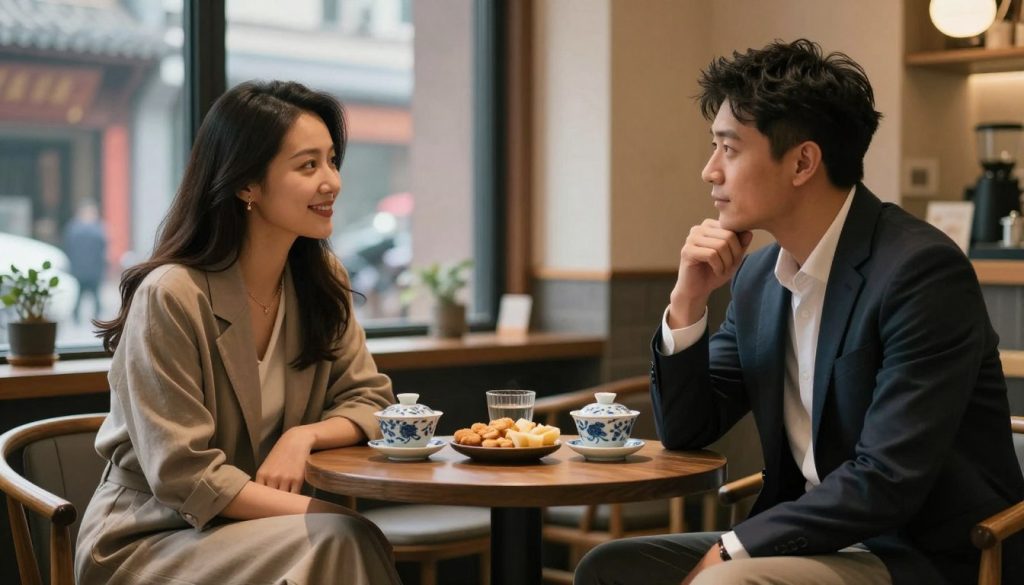
Defining Cultural Nuances in Dating
In many Western contexts, dating is often a casual exploration phase. People might see several others before deciding on exclusivity. The focus is frequently on personal connection and individual happiness.
Contrast this with a common perspective in China. Here, dating often implies a more serious intention from the outset. The activity is typically seen as a direct step toward finding a marriage partner.
What Sets Chinese Relationships Apart
These distinct approaches aren’t random. They spring from historical and social foundations. Confucian values emphasizing family harmony and social stability have long influenced relationship customs.
Key factors that shape these dating norms include:
- Family and Community Focus: Long-term stability for the family unit is often prioritized over purely individual exploration.
- Social Responsibility: Marriage is viewed as a cornerstone of social order, not just a personal milestone.
- Global Influences: Modern media and travel expose a new generation to different ideas, creating a blend of traditional and modern practices.
Understanding this foundational contrast is crucial. It affects everything from how people meet to the pace of commitment. Recognizing these nuances helps build stronger, more respectful connections across cultures.
The Role of Family in Shaping Chinese Dating Norms
In many societies, dating is a private affair between two individuals. Here, it’s often a family-centric process from the start. The family unit’s opinion carries immense weight in romantic decisions.

This deep involvement stems from a cultural view of marriage as a union between families. It’s not just about personal happiness.
How Family Opinions Influence Decisions
Filial piety, the respect for one’s parents, is a powerful force. A dater might prioritize their family’s approval over their own romantic feelings. This can be surprising for outsiders.
Mothers, in particular, often have significant sway. If a parent disapproves, the partnership faces serious challenges. Dismissing this involvement rarely ends well.
Traditional Family Expectations and Modern Realities
Younger people today navigate a complex space. They balance modern desires with traditional expectations that still hold emotional weight.
Practical pressures are real. Parents might attend marriage markets or arrange introductions to find a suitable match for their child by a certain age.
Understanding this dynamic is crucial for anyone entering this cultural context. It transforms how you approach the entire process.
Cultural Nuances in Intimacy and Commitment
Physical affection might seem like a universal language, but its meaning changes dramatically across cultural lines. This area is where many couples experience their most confusing and painful misunderstandings.
What feels like a natural step forward for one person can be a major commitment signal to another. Clarifying intentions before becoming intimate is absolutely critical.
Interpreting Physical Affection Differently
In many Western dating scenes, kissing or sex can be part of exploring a connection. It doesn’t always mean a long-term promise.
In contrast, these same actions often carry much heavier meaning. They can be seen as an unspoken agreement to a serious future together.
My ex-husband believed that once we had sex, we were officially a couple who would eventually marry and have children. He didn’t ask; he just stated that’s how it would be.
– A woman’s real-life experience
This assumption isn’t rare. It highlights why having an explicit conversation, even if it feels unromantic, is so important.
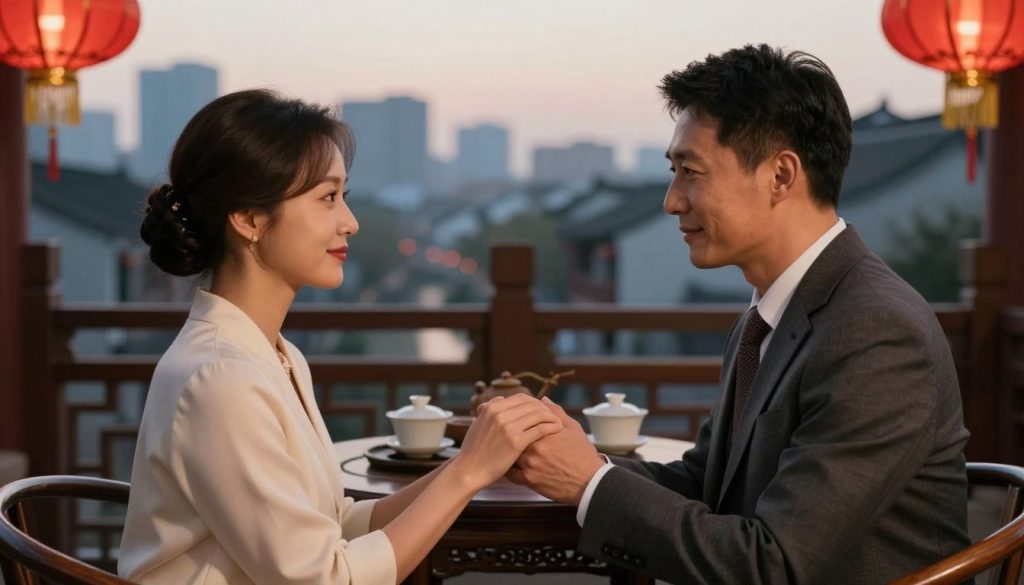
Commitment Signals: A Cultural Comparison
For many, physical intimacy is not an exploratory phase. It’s the start of a dedicated path toward marriage and family.
This creates a major gap in expectations. A casual encounter might be misinterpreted as agreeing to a lifelong bond.
Key points to remember include:
- Actions speak louder than words, but their translation varies by culture.
- Never assume your partner shares your view on what intimacy means for the relationship.
- These are high-stakes misunderstandings that involve deep trust and vulnerability.
Navigating this aspect of cross-cultural dating requires patience, empathy, and clear communication from the very beginning.
Western Versus Chinese Dating Expectations
The purpose behind going on a date can be worlds apart depending on where you grew up. In Western contexts, dating often focuses on personal exploration and fun. Many people see it as a way to meet new people without immediate pressure.
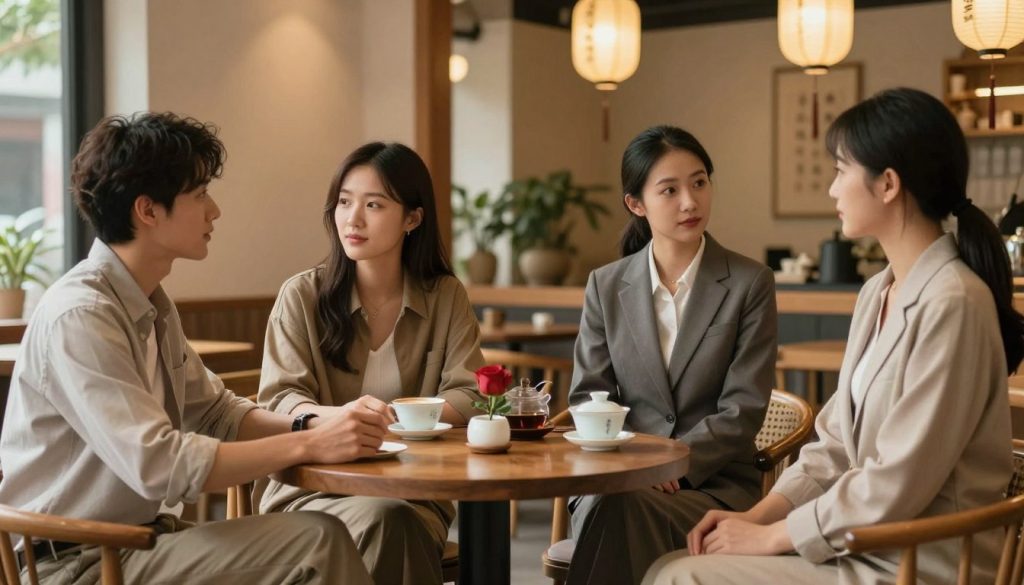
Approaches to Casual Versus Serious Dating
For many in China, dating has a clear goal from the start. The entire process is viewed as a search for a marriage partner. This creates a fundamental gap in understanding between cultures.
Conversations about marriage and children can happen surprisingly early. This feels natural within a culture where dating implies serious intent. For Westerners, such talks might feel rushed or presumptuous.
Social pressure adds to this urgency, especially for women. Finding a suitable partner by a certain age is a common life goal. This explains why the dating pace often feels accelerated.
These approaches reflect deeper values about family and individual fulfillment. Younger generations are now blending traditions with modern ideas, creating new dating norms.
Navigating First Impressions and Initial Dates
A successful first date often hinges on understanding unspoken social codes. Your behavior is carefully observed as a key indicator of your character.
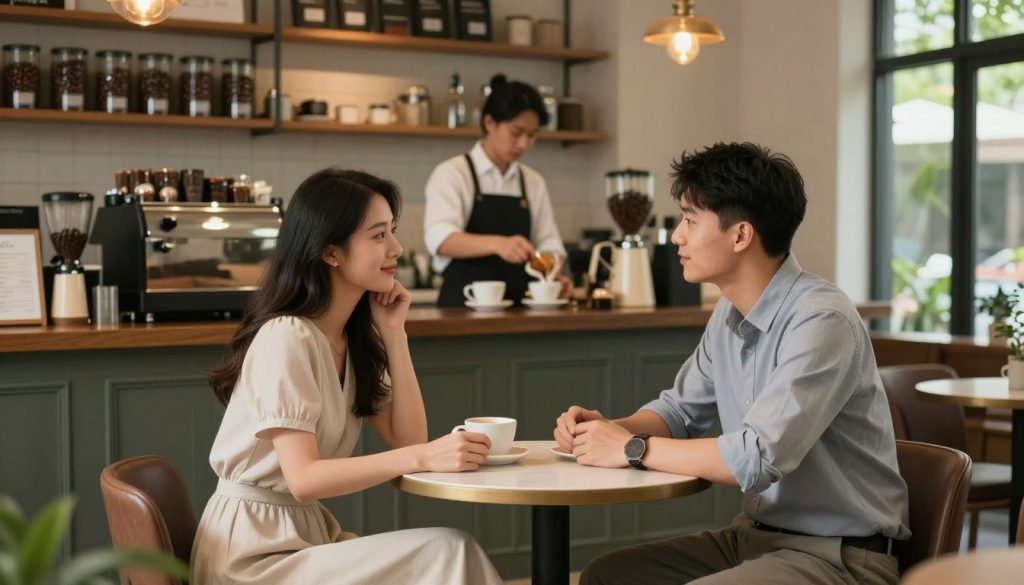
Manners, Respect, and the Importance of Family Inquiries
Demonstrating respect is the most important thing you can do. This extends to your date, service staff, and anyone else you meet. Politeness and good manners form the foundation of a positive first impression.
Expect deep conversations about family backgrounds. Asking about parents, siblings, and their occupations is standard. This isn’t being nosy. It’s a culturally appropriate way to assess long-term compatibility.
Be prepared to share details about your own family too. Remembering names and congratulating your date on their family’s successes shows you care. This shared language of family values builds an early connection.
A unique custom involves bringing matching items. You might both carry the same flower or wear complementary accessories. This creates a symbolic “meet-cute” story for families to share later.
If asked to bring a specific item, do not forget it. Forgetting can be seen as a major sign of disrespect. Such a small misstep can end a potential relationship before it starts.
The formal tone of early meetings will relax over time as you both become more comfortable. Rushing to informality too quickly, however, can seem inappropriate. Patience and respect pave the way for a genuine connection.
The Impact of Modern Technology on Dating in China
Over the past few years, smartphones have become the new matchmakers. They introduce a generation to potential partners their parents might never have met.
Evolution of Dating Apps and Social Media
Dating apps were once met with friction but are now growing fast. Platforms like TanTan offer a familiar swipe interface for meeting new people.
Momo was the first to cover the entire country. It has shifted from a casual reputation toward more serious dating. For those focused on marriage, Baihe requires proof of education and property.
How Modern Tools Affect Traditional Values
These modern tools often mirror old values. Baihe’s verification process reflects a practical, marriage-minded approach.
A lot of users heavily edit their profile photos. This creates trust challenges when couples finally meet in person.
Younger Chinese people are more comfortable with app-based dating. Older generations may still view it with suspicion. The pandemic years forced even traditionally-minded people to give these tools a try.
The medium has changed, but core cultural expectations about family and commitment persist. Technology provides a new path, but the destination often remains the same.
Embracing Tradition Amidst Modernity
The social currency of reputation, known as ‘face,’ fundamentally shapes how conflicts are managed within romantic partnerships in this culture. This concept, called mianzi, is about maintaining social dignity and respect for everyone involved.
It operates very differently from Western models of direct confrontation. Here, the goal is for both individuals to emerge from a disagreement without damage to their pride or social standing.
The Concept of 'Saving Face' in Relationships
Face is a priceless asset. In a partnership, it means you must find solutions that allow your partner to keep their dignity intact.
This creates a delicate balance during compromises. If you yield completely, you may appear weak. If you are too headstrong, you damage the other person’s pride and may push them away.
- Argument Style: Disagreements might happen more publicly, as private confrontations can be seen as more shameful.
- Breakup Handling: Endings are often managed to minimize public humiliation for both sides.
- Family Narratives: How the partnership is described to others is crafted to protect everyone’s reputation.
This culture encourages respectful treatment and seeking win-win outcomes. For Western partners, the challenge is that direct, honest communication can sometimes threaten face.
Understanding this is essential. Inadvertently causing a loss of face can damage a connection deeply, as considerations often extend to both families’ social standing.
Clear Communication: Bridging Cultural Gaps
The most common point of friction in cross-cultural romance isn’t about love, but about how love is communicated. Styles of expression vary greatly, leading to confusion about intentions and expectations.
This gap can make even simple interactions feel uncertain. Partners may be left guessing about where they stand.
Direct versus Indirect Expression of Intentions
In many Western contexts, people value straightforward talk about feelings and goals. In contrast, communication here often relies on hints and actions.
Romantic interest might be shown through persistent attention or thoughtful gifts, not a direct “I like you.” Some men and women may avoid stating their true plans, whether about marriage or their current relationship status.
This indirect style can be misunderstood. It sometimes allows individuals to hide their real intentions, which is a red flag.
Tips for Avoiding Misunderstandings
Bridging this gap requires effort from both people. Here are practical steps to foster clearer understanding:
- Ask Specific Questions: Don’t assume. Politely ask about relationship goals, timelines, and what certain actions mean to them.
- Clarify the Meaning of Intimacy: Discuss what physical closeness signifies for each of you to prevent major misreads.
- Observe Actions and Words: If someone’s stories don’t add up, trust your instincts. Consistent actions matter more than smooth talk.
- Meet in the Middle: Successful couples adapt. One partner may practice being more direct, while the other learns to read subtle cues.
Patience with the language of love, in all its forms, is key. Building this kind of understanding turns potential conflict into a stronger connection.
Personal Experiences and Real-Life Anecdotes
Listening to personal anecdotes can transform abstract cultural concepts into tangible lessons. Real stories highlight where theory meets messy, human reality.
Lessons Learned from Cross-Cultural Encounters
One woman’s experience reveals a common pattern. Her ex-husband believed intimacy meant an unbreakable bond leading to marriage.
He wasn’t the first Chinese man I’d met who brought up engagement or children early on. When he stayed the night, I wasn’t prepared to suddenly be talking about our future family.
– A shared experience from dating
This rapid progression can feel overwhelming. Some men discuss lifelong commitment within weeks or months. For women accustomed to years-long courtships, it’s a lot to process.
Another painful lesson involves hidden intentions. One man claimed his relationship was ending to gain trust. He disappeared after his girlfriend found out.
Key takeaways from these encounters include:
- Early marriage talk doesn’t always mean traditional values. Some men who move fast may still cheat.
- Trust your instincts if something feels off. Cultural explanations shouldn’t excuse concerning behavior.
- Clear communication about intentions from the start is non-negotiable.
- Not all stories are negative. Many cross-cultural relationships succeed with understanding and patience.
These stories underscore the emotional toll of mismatched expectations. They remind us that successful dating across cultures requires awareness, clear talk, and time.
Practical Tips for Dating in Chinese Culture
Navigating a new dating landscape becomes smoother with a handful of key guidelines. This advice helps you build respect and avoid common mistakes.
Do's and Don'ts for Westerners
Start by doing your homework. Knowledge about customs shows respect and builds confidence. Good manners are essential for everyone you meet.
Embrace these key actions:
- Ask detailed questions about family and remember the answers.
- Be open to a faster pace. Many couples become official quickly.
- Clarify what intimacy means to avoid major misunderstandings.
- Never dismiss family opinions. This involvement is crucial.
Also, understand that public disagreements are normal. Sharing phones is common for partners. The man often pays for early dates.
Advice for Balancing Expectations and Reality
Use your knowledge as a guide, not a strict rulebook. Every person is unique. Younger generations often blend modern and traditional ways.
Have honest talks about marriage timelines early. Pressure exists, but clear communication finds a middle course. Trust your instincts about red flags.
Successful cross-cultural dating needs flexibility and respect. Stay curious, communicate clearly, and honor your own boundaries. This balance leads to a strong, loving relationship.
Final Thoughts on the Journey Through Chinese Dating Culture
Ultimately, building a life with someone from a different background is an exercise in mutual learning. This exploration of dating norms highlights the beautiful complexity of human connection.
Use your knowledge of common patterns as a helpful guide, not a strict rulebook. Every person and partnership is unique. The real goal is to build awareness that prevents misunderstandings.
Successful couples navigate these nuances with patience, clear talk, and respect. They find a shared way forward that honors both their love and their backgrounds.
While the topic involves generalizations, real experience is wonderfully diverse. Embrace the journey with curiosity and an open heart.
We’d love to hear your stories and questions. Share your own dating experiences from around the world in the comments below.