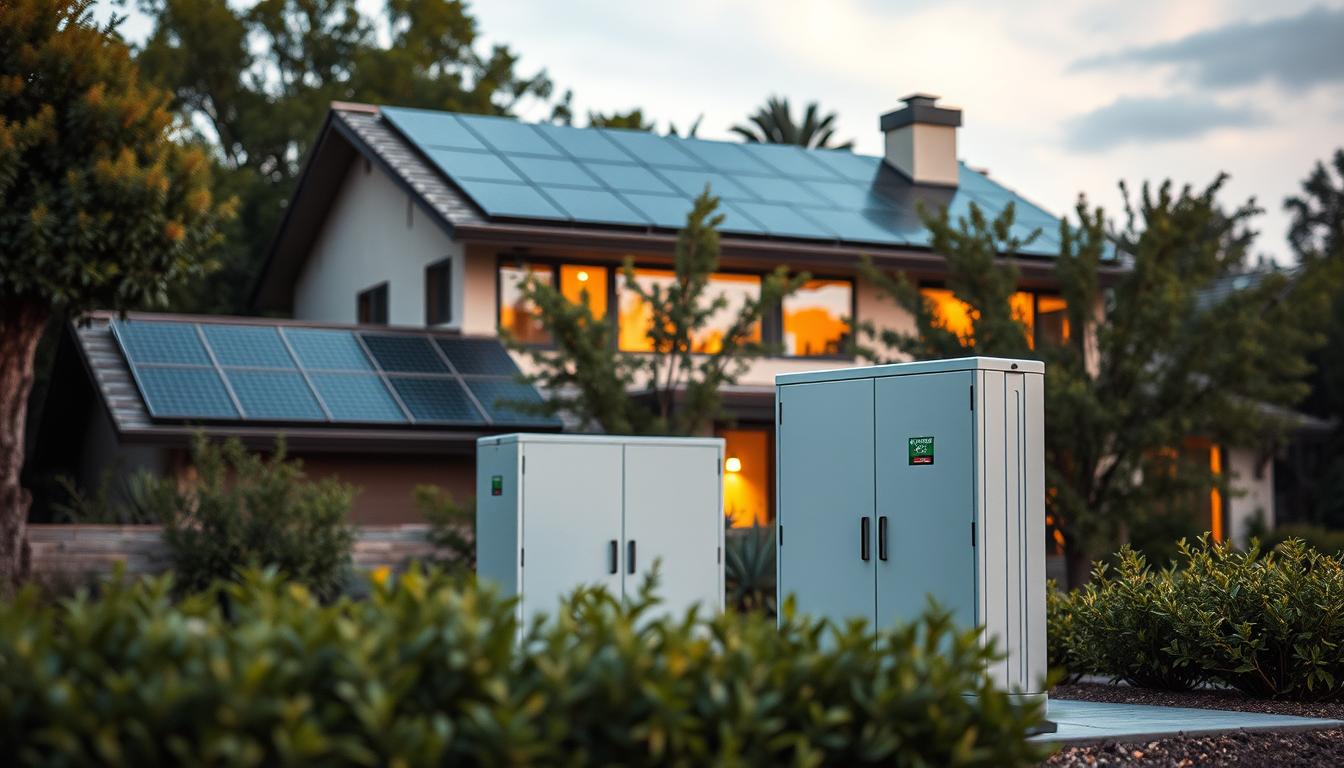
Something big is happening with home solar in California! Get this: a whopping 90% of brand-new residential solar systems in the Golden State now come with batteries! That’s a huge shift, showing us just how much homeowners are changing the way they think about going solar.
For years, California was the place for rooftop solar. Thanks to some really sweet net metering policies, it was a no-brainer for families to install panels and watch their electricity bills practically disappear. But, well, those days of simply putting up panels and seeing your bill shrink have definitely changed.
NEM 3.0 is a new policy that has completely rewritten the rulebook. Basically, it means homeowners get a lot less money for any extra power they send back to the grid. What used to be a super easy financial decision now needs a bit more thought and a smarter plan.
That’s where battery storage systems come in! They used to be considered a nice-to-have luxury, but now, they’re pretty much essential for any smart home solar setup. And it’s not just about saving money anymore – it’s about gaining real energy independence, having power when the grid goes down, and really getting the most out of your clean energy investment.
As we figure out this new solar landscape together,we’re here to help you understand exactly why adding a battery has become absolutely non-negotiable. We’ll show you how to make the most of your clean energy journey in this transformed market!
The Big Takeaways
- NEM 3.0. have changed solar energy cost a lot.
- Batteries are no longer just an extra perk for solar; they’re a must-have.
- Most new solar systems (90%) now come with batteries.
- People are choosing solar more and more to have their own power and be prepared for outages.
- Getting your money’s worth from solar now really depends on having good battery storage.
A New Chapter Begins for California Solar
California’s always been a leader when it comes to home solar. For decades, it was all about putting panels on your roof to cut your electric bill and help the planet. In fact, over 1.5 million homes in California have solar – more than any other state!
But now, with something called NEM 3.0, things have changed. It’s not just about panels anymore; it’s about adding energy storage, or batteries, to the mix. This new policy means we have to think differently about how solar systems are designed and used to still get the most bang for your buck.
At first, some folks worried about these changes. But smart Californians are realizing this actually opens the door to more energy independence and even better financial benefits if you play it right.
California's Solar Scene is Changing
Before NEM 3.0, most homeowners just got solar panels big enough to cover all their electricity use. They’d send extra power back to the grid and get good credit for it.
Today? We’re seeing a new trend: smaller solar systems paired with batteries are becoming the norm.
Think about this: just a few years ago, less than 10% of new solar installations included batteries. Now, that number has jumped to over 30%! Many solar companies aren’t even offering solar-only options anymore.
This isn’t just a fleeting trend; it’s a move toward homeowners having more control over their own power. People are starting to see their homes as mini power plants, generating, storing, and smartly using their own energy throughout the day.
Why Batteries Are Now a Must-Have
Adding batteries to your solar system used to be a nice extra, but now, it’s pretty much essential for California homeowners. And there are good reasons for it, both technical and financial.
Think about it: Solar panels make most of their power when the sun is brightest (think 10 AM to 2 PM). But when do most people use the most electricity? In the evenings! Without a battery, you’d be sending your valuable daytime solar power back to the grid for less money, only to buy it back at higher prices when you actually need it. Batteries solve this by storing that daytime power for later.
Quick Look: Solar Before & After Batteries
| Feature | Old Solar (Pre-NEM 3.0) | New Solar + Battery (Post-NEM 3.0) | Your Benefit |
|---|---|---|---|
| Value for Extra Power | Almost full price | Much less | You keep more of your own power. |
| Bill Checking | Once a year | Every month | Batteries help even out your monthly use. |
| Evening Power | Grid-dependent | From your battery | Avoid those super expensive evening rates! |
| Power Outages | No power | Available with battery | Stay powered up during blackouts. |
Financially, batteries let you do what solar alone can’t anymore: protect yourself from California’s rising peak electricity rates. By saving the solar energy you make during the day and using it when rates are highest in the evening, batteries help keep solar financially appealing.
Understanding NEM 3.0: The Big Change for California Solar
If you’re in California and thinking about solar, or already have it, you need to know about NEM 3.0. It’s totally changed how solar works with the power company!
So, What Exactly IS NEM 3.0?
Basically, NEM 3.0 (officially called “Net Billing Tariff”) is California’s newest rule for how solar owners get paid for their extra power. It started in April 2023.
The old days of getting full credit for the power you send back to the grid are gone. Now, it’s more like the power company “buys” your extra solar power at a wholesale (cheaper) rate and then “sells” you power back at a retail (more expensive) rate. Big difference, right?
The Big Changes:
- You Get Paid Way Less for Extra Power: This is huge. Before, you’d get almost full price for the solar power you sent back. With NEM 3.0, that payment is slashed by about 75%. So, if you used to get 30 cents per kWh, now it might be only 8 cents. This means it’s way better to use your solar power yourself than to send it back to the grid.
- Time-of-Use Rates are Mandatory: You’ll be on a plan where electricity costs change throughout the day. It’s most expensive in the evening (usually 4-9 PM), which is exactly when your solar panels aren’t making much power, but you’re using a lot. This creates a problem: you make power when it’s cheap, and you buy it when it’s expensive!
- Monthly Billing Instead of Yearly: Before, if you made extra power in the sunny summer, those credits could help pay your winter bills. Not anymore! With NEM 3.0, any leftover credits at the end of each month are bought back at those super low wholesale rates. So, no more “saving up” your solar credits for later in the year.
The "Solar-Only" Problem With NEM 3.0
All these changes mean that getting solar panels without a battery just doesn’t make as much financial sense as it used to. The numbers simply don’t add up because you get so little for your extra power and pay so much for evening power.
As an expert put it, “NEM 3.0 basically forces Californians to rethink solar. It makes batteries a necessity, not just a fancy extra.”
What does this mean for your wallet? The time it takes to get your money back from a solar-only system has stretched from 5-7 years to potentially 10-15 years. That’s a much longer wait to see savings!
Why Batteries Are Now Non-Negotiable for California Home Solar After NEM 3.0
NEM 3.0 has really changed the solar landscape in California. Batteries aren’t just a nice extra anymore; they’re absolutely essential. If you get solar without a battery now, you’ll likely see much smaller savings and miss out on some big benefits. Let’s look at why batteries are so important for anyone thinking about solar in California today.
Maximize Your Solar Use
Under NEM 3.0, the money you get for sending extra power back to the grid has dropped by a huge 75%. This means you really want to use as much of the solar power you generate at your own home as possible.
That’s where you need batteries! They let you store up that extra daytime solar and use it later, like when the sun goes down. This “self-consumption” strategy helps you get around those low export rates that make solar-only systems less appealing. Otherwise, you’d likely be giving away 60-80% of your power for very little money.
Store Daytime Power for Evening Use
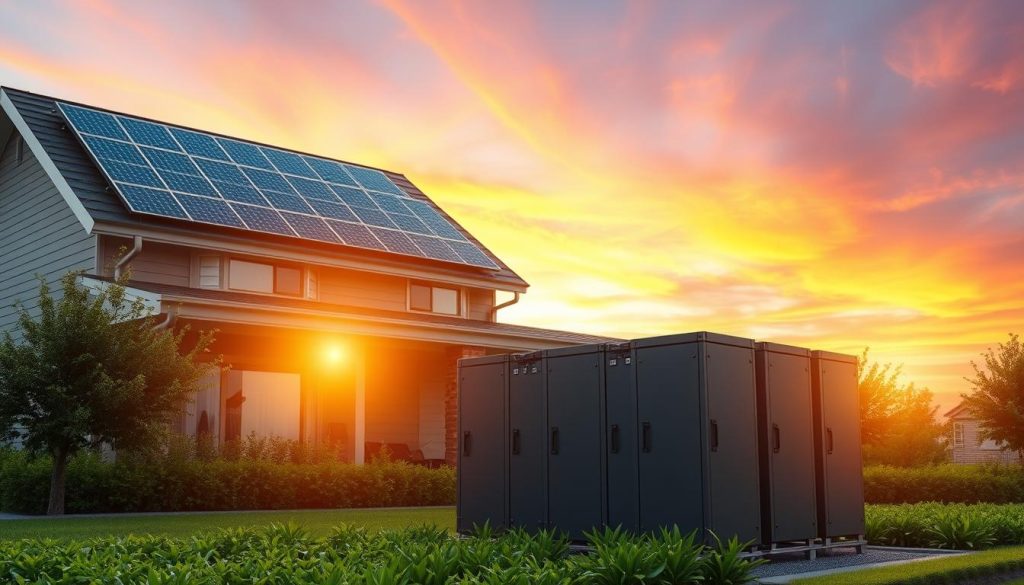
Most of us use the most electricity in the evening when our solar panels aren’t working. Batteries bridge this gap perfectly. They save that excess solar energy from the day so it’s ready for you during those peak evening hours when electricity from the grid is most expensive.
Smart Savings with Time-of-Use Rates
NEM 3.0 requires solar customers to be on “time-of-use” (TOU) plans. This means electricity costs a lot more during certain hours, especially in the evening (usually 4-9 PM), often 2-3 times higher than off-peak.
With a battery, you can tell your system to automatically use your stored solar power during these expensive peak times, instead of buying pricey electricity from the utility. Your home becomes a smart energy manager, always aiming to save you money. For example, your battery can kick in every weekday from 4-9 PM to avoid rates that might be $0.40/kWh, using power you generated when it was practically free.
Stay Powered Up During Blackouts!
California’s power grid can be a bit unreliable these days, with more outages due to weather and fire risks. Standard solar systems actually shut down when the grid goes out (for safety reasons). But with solar plus a home battery, you’ll have continuous power for your essential appliances. This peace of mind is a huge selling point for many, especially in high-risk areas.
Most battery systems, when paired with enough solar, can keep important things like your fridge, lights, medical devices, and internet running for several days during an outage.
No More PSPS Worries
“Public Safety Power Shutoffs” (PSPS) are becoming common, where the power company turns off electricity to prevent wildfires. These can last for days! But with solar batteries, your home can keep running normally, saving you the hassle and cost of dealing with long outages or noisy generators.
Better Financial Payback
While batteries add to the initial cost, they actually lead to better long-term savings under NEM 3.0. A solar-only system might take 9-12 years to pay for itself now, but adding a battery can bring that down to 7-9 years, plus you get all those extra benefits.
Plus, there’s a federal Investment Tax Credit that covers 30% of battery costs, making them even more affordable.
Earn Money with Virtual Power Plants (VPPs)
Here’s an exciting new perk: you might be able to join “Virtual Power Plant” (VPP) programs! These programs let your utility or another company briefly use a small part of your battery’s stored power during times of high grid demand. In return, you get paid!
Companies like Tesla and Sunrun already have VPP programs in California, offering homeowners hundreds of dollars a year. Some even offer discounted or free batteries if you participate. As our grid faces more challenges, these programs are expected to grow, giving battery owners a whole new way to earn money that solar-only systems can’t.
Incentives & Financial Considerations for Solar-Plus-Storage
Adding a battery to your solar system might seem like a bigger investment upfront, but guess what? There are awesome incentives out there that can slash the cost by 30-50% or even more! Knowing about these programs helps to make a smart decision for your home’s energy future.
Federal Solar Investment Tax Credit (ITC)
The biggest incentive is the Federal Solar Investment Tax Credit (ITC). This is a 30% tax credit on the entire cost of your solar panels and your battery storage system. So, if your whole setup costs $30,000, you could get a $9,000 reduction on your federal taxes.
Good news: this 30% rate is locked in until the end of 2032, so the next few years are a prime time to go solar-plus-storage!
How it Works:
- Your battery needs to be charged mostly by your solar panels (at least 75% from solar).
- You claim it when you file your federal taxes using Form 5695.
- Keep all your receipts!
- If you can’t use the whole credit in one year, you can carry it over to future tax years.
California's SGIP Program: Battery Rebates!
California also has a fantastic program called the Self-Generation Incentive Program (SGIP). This offers direct cash rebates specifically for battery storage systems. We’re talking anywhere from $2,000 to $5,000 for typical home systems.
What’s super cool about SGIP is its “Equity Resiliency Budget.” If you’re in certain vulnerable groups or live in a high fire-risk area (like a Tier 2 or 3 fire zone, or have experienced Public Safety Power Shutoffs), you could qualify for much larger rebates that might cover almost the entire cost of your battery!
Property Tax Perk: No Extra Taxes!
Here’s a hidden gem: California has a property tax exemption for solar systems, and that includes your battery when it’s part of your solar setup. This means even though adding solar and a battery adds value to your home, your property taxes won’t go up because of it!
Over the 25+ year life of your system, this can save you thousands of dollars in property taxes – easily over $5,000!
Local & Utility Deals: Don't Miss Out!
On top of federal and state incentives, many local cities and power companies offer their own special deals. These could be things like:
- Lower permit fees for solar-plus-battery installations.
- Faster approval times.
- Direct rebates – for example, SMUD offers rebates up to $10,000 for battery storage, and some SDG&E customers can get battery rebates.
- Some utilities even have special electricity plans just for homes with batteries!
Always check with your local utility and city to see what’s available in your area. Your solar installer should also be able to help you find and apply for all the incentives you qualify for. It can make a huge difference in your overall savings!
What to Look For in a California Home Solar + Battery System
With NEM 3.0, picking the right solar and battery setup is more important than ever. The goal is to get a system that performs great and gives you the best savings for decades. Here’s what to keep in mind:
Get the Right Size System
Don’t just guess! Having a system that’s too big or too small can cost you money under NEM 3.0. The secret is to find the perfect balance so you can use most of the solar power you generate yourself and avoid buying expensive electricity from the grid during peak hours.
How to figure it out:
Check your past bills. Look at at least a year’s worth of electricity bills. This helps you see how much power you use and when you use it. Knowing your “when” is crucial with NEM 3.0’s time-of-use rates!
Battery Choices: What's Best for You?
Batteries differ in how long they last, how much power they can give, and how safe they are. Your budget and what you need will help decide.
- Lithium-Ion (NMC): These are popular, take up less space, and store a lot of energy.
- Lithium Iron Phosphate (LFP): Often last longer, are very stable (safer), and can be more affordable.
- Lead-Acid: Cheaper upfront but don’t last as long and are less efficient.
Smart Inverters & Energy Management
Your system’s inverter and energy management system are super important. They do more than just convert power; they intelligently decide when to store your solar, when to use it, and when to send it back to the grid – all based on your usage, electricity prices, and even the weather!
Look for systems with smart software that automatically prioritizes using your own solar during expensive peak times. Good systems will also have easy-to-use apps that let you see your energy use in real-time and customize settings.
Selecting a Reliable Installer
The company that puts in your system matters a lot for how well it performs and how long it lasts. When you’re talking to solar contractors, make sure they have plenty of experience with battery installations, especially in California. Ask them:
- How many solar + battery systems have they installed since NEM 3.0?
- Are their technicians certified (like NABCEP)?
- Can they give you recent references for battery jobs?
- Do they handle all the permits and paperwork with the utility?
Warranties & Long-Term Support
Batteries are a big investment, so you want them to last. Most good solar batteries come with a 10-year warranty. Make sure to check the details:
- Capacity: How much storage capacity will the battery keep over time (usually at least 70% after 10 years)?
- Cycles: How many times can it fully charge and discharge?
Beyond the battery warranty, your installer should also guarantee their workmanship. And ideally, choose a company that offers ongoing monitoring and maintenance so your system stays in top shape for years to come.
Embracing the Solar + Storage Future
The bottom line is clear: California solar has definitely changed, and batteries aren’t just a “nice-to-have” anymore. They’re basically essential now.
Adding a battery to your solar setup means you’ll unlock bigger savings, gain true energy independence, and keep your lights on even when the grid decides to take a break.
By understanding these new rules, taking advantage of all the cool incentives, and picking the right solar-plus-battery system, you’re not just going green. You’re making a smart investment in a more reliable, cost-effective, and powerful future for your home. It’s truly a new day for California solar!
Your Questions About California Solar & Batteries, Answered!
What is NEM 3.0 and how does it change things for California solar homeowners?
Why are batteries now a must-have for California solar?
Batteries are super important now because they let you store your extra solar power instead of selling it back for very little money. You can then use this stored power in the evening when electricity from the grid is most expensive. This saves you more money! Plus, batteries give you backup power during blackouts or planned power shutoffs, keeping your home running.
How do solar batteries help me save more money with NEM 3.0?
Batteries help you save more by letting you use your own solar power when it’s most valuable (in the expensive evening hours) instead of selling it cheap. This brings down your electric bill a lot and helps your solar system pay for itself faster. You can even join special programs that pay you extra money for having a battery!