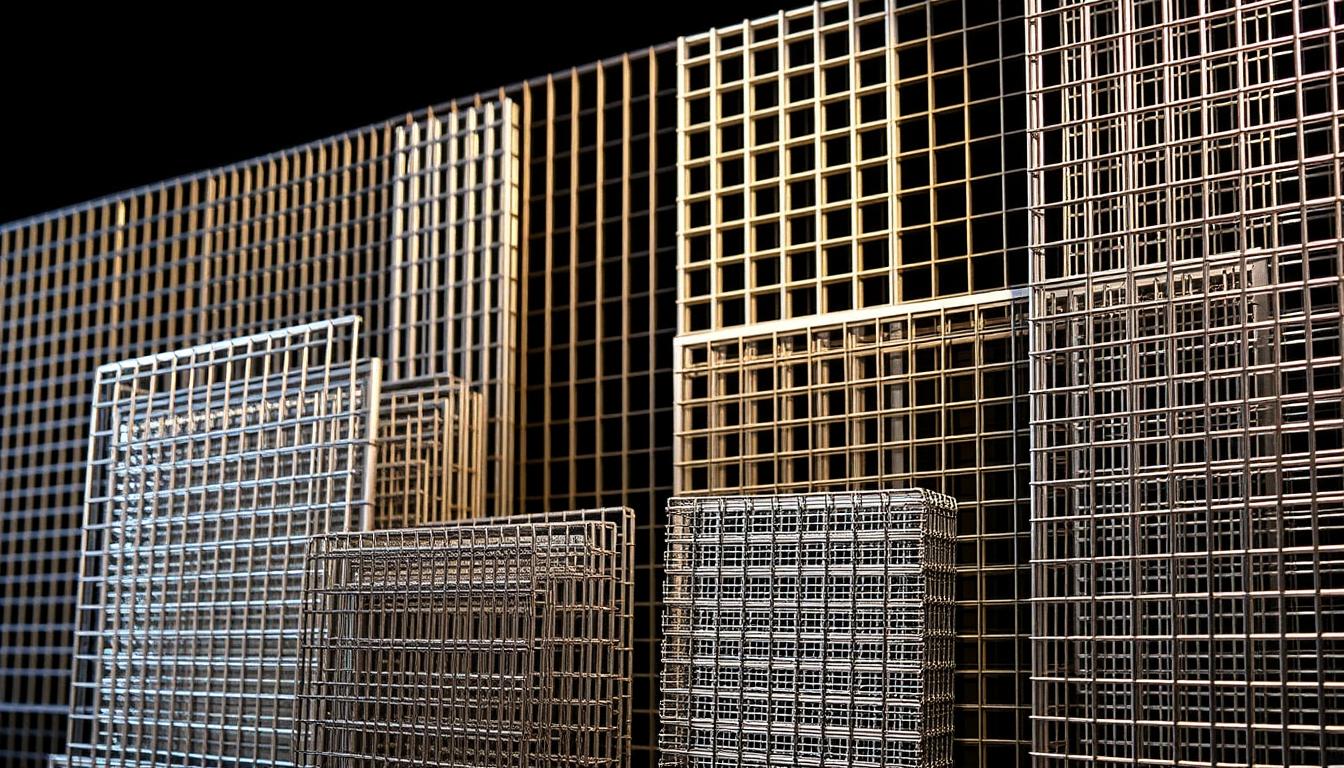
Industrial filters keep factories and machines running smoothly. They clean out unwanted things from liquids and gases, which is very important for a bunch of reasons. Think about it: they help keep products pure (like making sure your favorite drink is free of tiny bits), protect expensive machinery from getting clogged or damaged, and even help companies follow environmental rules by cleaning up emissions.
Here’s a surprising fact: over 75% of these vital industrial filtration systems rely on specialized wire mesh. This isn’t just any wire; it’s a precisely made material that forms the backbone of countless products, from the simple strainer in your kitchen to the strong metal hidden inside towering skyscrapers. Let’s about wire mesh, explore types like stainless steel, galvanized, and others, so you can understand their importance and how they work!
The Foundation of Choice in Wire Mesh
When you’re choosing wire mesh, the most important step is picking the right material for the job. The basic stuff your mesh is made from decides everything about how it will perform. Think of it like building a house – you need a strong base! Your mesh needs a material that can handle the environment and what you expect it to do.
Different metals offer unique mixes of strength, flexibility, and resistance. If you want to save money and ensure your mesh works perfectly for a long time, it’s important to pick the right material.
Why Material Selection Matters
The type of wire mesh material you choose really decides how well it works and how long it lasts. It’s not just about how strong it is when new, but how that strength holds up in different situations and over time. Here’s how the material affects how your wire mesh performs and its overall life:
Corrosion Resistance
This is probably the most important thing for how long mesh will last, especially in factories or outdoors. Stainless steel, particularly types like 316 and 316L, is excellent at fighting off rust, acids, bases, and even saltwater because it has a special layer that protects it. This makes it a must-have for places that deal with chemicals, ocean environments, or food and drink production where cleanliness is key. Its protective layer can even fix itself, giving you long-term defense.
Galvanized steel has a zinc coating that acts like a shield. While it works well against everyday rust, strong acids or scrapes can damage this coating, causing the steel underneath to rust eventually. How long it lasts really depends on how strong and thick this zinc layer is. Carbon steel without any coating rusts very easily when it gets wet or is exposed to air, which severely limits how long it can last outdoors or in wet places.
Temperature Tolerance
Different materials react differently to very hot or very cold conditions. For jobs that involve high heat, like in furnace screens or hot filters, stainless steel generally stays strong and resists rust better than galvanized or carbon steel. Some materials can also get very brittle in extremely cold temperatures, leading to cracks or breaks. So, you need to pick a material that can handle the full range of temperatures it will face to prevent these problems.
Mechanical Properties (Strength, Flexibility, Wear Resistance)
This refers to how strong the mesh is and how well it handles stress. Tensile strength is about how much pulling force the mesh can take before it breaks. This is super important if the mesh needs to hold heavy loads or deal with a lot of pressure. Stainless steel usually has high tensile strength.
Ductility means the material can bend or stretch without breaking. This is vital for mesh that needs to be shaped, molded, or can take a hit without cracking. Abrasion resistance is how well the mesh stands up to rubbing and wearing down, which is common in screens that vibrate or filter rough particles.
Chemical Compatibility
More than just general rust, the mesh must be able to handle the specific chemicals it will come into contact with. For example, some acids might harm the zinc coating on galvanized steel but leave stainless steel unharmed. On the other hand, certain strong salts can cause tiny holes (pitting) in some stainless steel types, meaning you’d need an even tougher alloy. Also, for things like medicines or food, the material must not release any unwanted stuff into the product, which is why very stable and non-reactive materials like specific types of stainless steel are essential.
Cost-Effectiveness Over Time
While stainless steel might cost more to buy at first than galvanized or carbon steel, it often ends up being cheaper in the long run. This is because it lasts so much longer and needs less upkeep, especially in tough environments. If you use the wrong material that’s not up to the job, you might end up replacing it often, which means more money spent and more downtime. These costs can quickly add up to way more than what you thought you saved by going with a cheaper option initially.
Basically, the material chosen acts like the mesh’s DNA. If the material’s natural traits don’t match what’s needed for the job, it will likely fail too soon, need more repairs, become unsafe, and cost more in the end. That’s why you really need to understand the specific conditions—like what chemicals are present, the temperature, the stress it will undergo, and how long you need it to last—when picking the best wire mesh material.
The Basics of Wire Mesh Construction
The strength of wire mesh depends on three main things: what it’s made of, how it’s put together, and its exact measurements. When picking mesh for a project, knowing these things helps you choose wisely, balancing how long it lasts, what it can do, and how much it costs. Let’s look at the main parts that make wire mesh perform well in real-world uses.
Wire Materials and Manufacturing
Making wire starts with raw metal being pulled through smaller and smaller holes to create thin, even strands. The type of metal used, usually steel, aluminum, or copper, sets the wire’s natural qualities. The material directly affects how well the finished mesh resists rust, how strong it is, and how flexible it can be.
Makers often improve these qualities by treating the wire, like heating it up (annealing) to make it less brittle, or making it stronger by shaping it cold (cold-working). The quality of the wire used in mesh fencing really impacts how long it lasts, especially in tough places with moisture, chemicals, or changing temperatures.
Weaving and Welding Techniques
Two main ways turn individual wires into complete mesh: weaving and welding. Woven mesh has wires that crisscross over and under each other. This creates a flexible product that’s good for jobs where movement or shaping is needed. This old method makes mesh fencing that spreads tension well.
Welded mesh, on the other hand, has wires that are fused together where they cross. This makes a stiff, strong structure that’s great for security fences and building uses. The welding process itself, whether it’s resistance welding or fusion bonding, determines how strong the connections are and how durable the mesh is overall.
Understanding Mesh Size and Gauge
Mesh size tells you how many openings there are in one linear inch. This decides how much light, air, and small particles can pass through. For example, a 4-mesh screen has 4 openings per inch, while a 100-mesh screen has much tinier openings. For mesh fencing, bigger openings mean better visibility and airflow, while smaller openings offer more security and privacy.
Wire gauge tells you the wire’s thickness. A lower gauge number means a thicker wire. For instance, 10-gauge wire (which is 0.135 inches thick) is much thicker than 16-gauge wire (which is 0.0625 inches thick). Thicker wires make stronger mesh but also make it heavier and more expensive. The best choice depends on what your project needs and the conditions it will face.
“A good mesh fence isn’t just about one thing. It’s about how the right material, building method, and measurements all work together perfectly to meet what you need it to do.”
Exploring Different Wire Mesh Types and Their Properties
Wire mesh comes in many materials, each with unique features for different uses. When picking mesh for your project, knowing these material options is key to getting the best performance and longest life. Let’s look at the various types of wire mesh and how they’ve changed to meet specific needs.
Overview of Material Categories
Wire mesh materials generally fall into four main groups, each with distinct properties.
- Ferrous metals, like carbon steel and other iron alloys, are strong and affordable for common uses.
- Non-ferrous options such as aluminum, copper, and brass offer benefits like rust resistance, electrical conductivity, or germ-fighting properties. These are often chosen for special mesh screens in electrical systems, food processing, or marine environments.
- Coated wire mesh combines a base metal with protective layers like PVC, nylon, or epoxy. This type is tougher and more resistant to chemicals, often coming in various colors for looks.
- Specialty alloys, including high-performance materials like Monel, Inconel, and titanium, are top-tier choices. These materials work exceptionally well in harsh conditions where regular mesh would quickly fail.
Industry Standards and Classifications
The wire mesh industry follows set standards to ensure consistent quality across all makers. Groups like ASTM International and ISO provide rules for important details like wire thickness, mesh opening size, and what the material is made of.
Mesh screens are usually described by their mesh count (openings per inch), wire diameter (gauge), and material type. For example, a “20×20 mesh, 0.016-inch wire, 304 stainless steel screen” gives exact details that manufacturers worldwide understand.
Testing methods check important features like how strong it is, how well it resists rust, and its exact size. These standard tests ensure that when you choose a specific mesh screen, you can expect the same performance no matter who you buy it from.
Stainless Steel Wire Mesh: The Premium Choice
When you need mesh that performs exceptionally well and lasts a very long time, stainless steel wire mesh is the top pick for tough industrial jobs. This high-quality material is known for standing up to harsh conditions and being incredibly versatile across many industries. Understanding what it’s made of, its benefits, and where it works best helps professionals choose the ideal industrial mesh for their specific needs.
Composition and Main Properties
Stainless steel wire mesh gets its amazing qualities from its unique mix of metals. Common types include 304 (with 18% chromium and 8% nickel) and 316 (which has added molybdenum for even better rust protection). This chromium creates a protective layer that constantly fixes itself if damaged, naturally preventing rust and corrosion.
This material also handles extreme temperatures really well, staying strong from very cold conditions up to 1600°F, depending on the type. It’s very strong for its weight, allowing for thinner wires without losing durability. This makes it perfect for jobs needing both toughness and precision.
Advantages and Limitations
Stainless steel industrial mesh has many advantages. Its excellent rust resistance means it doesn’t need protective coatings, even in harsh chemical environments or saltwater. Its smooth surface also stops bacteria from growing, so it’s the top choice for clean uses in food processing and healthcare.
But, there are some downsides. This high-quality material costs more upfront than cheaper options like galvanized steel. Also, if it touches certain other metals, it can sometimes corrode in a process called galvanic corrosion. Some types might also be vulnerable to specific chemicals, so careful selection is important for special uses.
Ideal Applications and Industries
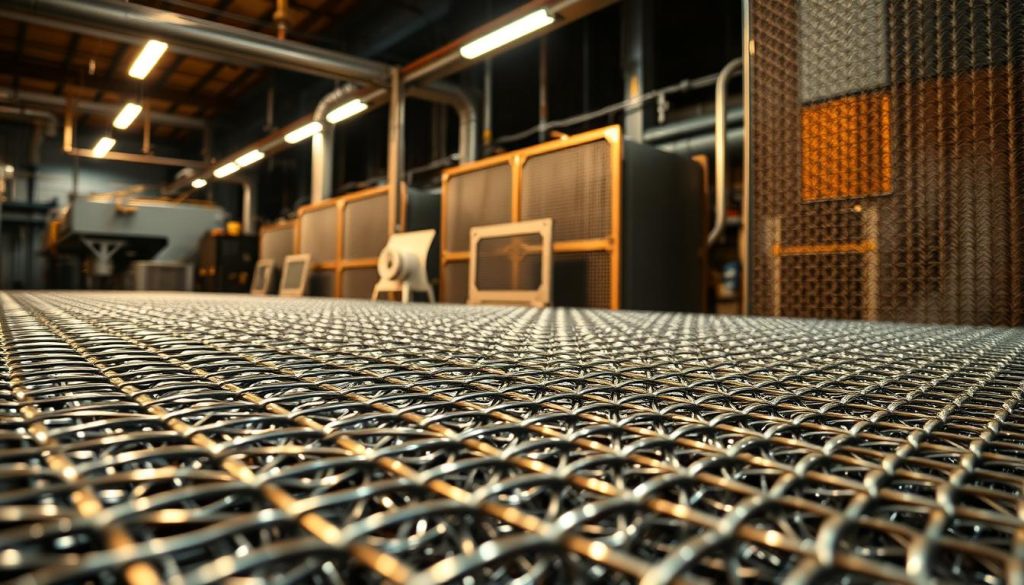
The food and beverage industry relies so much on stainless steel mesh because it’s clean and easy to clean. You’ll find it in processing equipment, filters, and conveyor systems. Drug makers value it because it doesn’t react with products, making it perfect for separating and filtering where purity is very important.
In chemical processing, certain types of stainless steel can handle strong substances that would quickly ruin other materials. For buildings and architecture, people use it for its good looks and ability to resist weather, like in building fronts, safety barriers, and decorative parts. Marine environments, with their corrosive saltwater, are another area where stainless steel mesh consistently works better than other options.
Cost Considerations
While buying stainless steel mesh costs more initially than other materials, looking at the total cost over its lifetime often shows it’s a better value. It lasts a long time—often 15-20 years or more in the right situations—which means fewer replacements and lower labor costs.
You save money on upkeep too, as stainless steel usually only needs simple cleaning, not re-coating or rust removal. For critical jobs where failure could cause contamination, production stops, or safety risks, the higher price is a smart investment, not just an expense.
“The bitterness of poor quality remains long after the sweetness of low price is forgotten.”
This saying is especially true for industrial mesh, where reliable performance directly impacts how well operations run and the quality of products. When looking at your choices, think about not just the buying price, but the full value you’ll get throughout the material’s entire working life.
Galvanized Wire Mesh: Balancing Protection and Value
If you need wire mesh that resists rust well but doesn’t cost too much, galvanized wire mesh is often the best choice. This popular material offers a great balance between being tough and being affordable, so it’s a common pick in many industries. Its protective zinc coating gives it big advantages over plain steel, while still being cheaper than premium options like stainless steel.
The Galvanization Process
Galvanizing means adding a protective zinc coating to steel wire, which creates a shield against moisture and rust. There are two main ways this is done: hot-dip galvanizing and electro-galvanizing.
Hot-dip galvanizing involves dipping steel wire into melted zinc at about 860°F (460°C). This creates a thick coating that is bonded tightly to the steel. Electro-galvanizing, however, uses electricity to put a layer of zinc onto the wire. This results in a thinner but more even coating.
Most mesh suppliers offer different thicknesses for the zinc coating, usually measured in grams per square meter (g/m²) or ounces per square foot (oz/ft²). Thicker coatings protect better in harsh places but cost more.
| Galvanization Method | Coating Thickness | Corrosion Protection | Cost Factor | Best For |
|---|---|---|---|---|
| Hot-Dip | 45-100+ μm | Superior | Moderate | Outdoor applications |
| Electro-Galvanized | 5-25 μm | Good | Lower | Indoor applications |
| Pre-Galvanized | 20-30 μm | Moderate | Lowest | Light-duty uses |
Performance Characteristics
Galvanized wire mesh offers good rust resistance in regular environments, much better than plain steel. The zinc coating acts as both a physical barrier and a “sacrificial” protector – meaning the zinc rusts before the steel underneath, making the product last longer.
In terms of strength, galvanized mesh keeps about 95% of the original steel’s strength. This means it’s good for building structures while still having environmental protection that bare steel lacks.
When exposed to weather, galvanized coatings form a layer of zinc carbonate that adds even more protection. But, this protection doesn’t last forever, especially in very acidic, alkaline, or salty places where stronger materials like stainless steel are needed.
Best Use Cases
Farms are one of the biggest users of galvanized wire mesh. Farmers use it for animal pens, protecting crops, and storage areas because it’s both tough and affordable.
In construction, galvanized mesh is used to strengthen concrete, as backing for stucco, and for security fences. Many mesh suppliers offer special galvanized products for building, with specific spacing and wire thicknesses.
Industrial uses include machine guards, storage bins, and filter systems where there’s some moisture, but not super harsh chemicals. Its versatility means it works for both temporary setups and permanent structures.
Maintenance Requirements
While galvanized wire mesh needs less care than plain steel, checking it regularly is important to make it last as long as possible. Look for white powdery spots (zinc rust) or reddish-brown spots (steel rust), which mean the protective coating is starting to fail.
Cleaning galvanized mesh with mild soap and water helps remove dirt that can speed up rust. Avoid harsh chemical cleaners that could harm the zinc coating. In farm settings, clearing away organic matter stops moisture from sitting on the mesh surface.
For mesh in tough environments, some suppliers suggest occasionally painting damaged spots with zinc-rich paint. This simple step can greatly extend the life of galvanized mesh for very little cost.
How long it lasts changes a lot based on the environment – from 15-20 years near the coast to 50+ years in dry, rural areas. This predictable lifespan helps with planning and budgeting for when it might need replacing or maintenance.
Alternative Wire Mesh Types for Specialized Applications
Beyond the common kinds, there are special wire mesh types made for specific industrial challenges. When regular options don’t work, many alternatives exist with unique features for particular conditions and uses. These specialized mesh materials solve problems for projects that need specific rust resistance, lighter weight, certain looks, or other special qualities.
PVC Coated Wire Mesh
PVC coated wire mesh combines the strength of metal with the protection of a plastic coating. This is a great middle ground for many jobs needing extra protection.
Properties and Benefits
The plastic coating creates a shield against moisture and chemicals, making the mesh last much longer in harsh places. Available in different colors, PVC coated mesh also looks good and acts as an electrical insulator. The coating also makes the surface smoother, easier to handle, and reduces noise.
Common Applications
PVC coated wire mesh is excellent for outdoor uses like playground equipment, garden fences, and animal pens. The marine industry often uses it because it resists saltwater. It’s also popular for machine safety guards where both electrical insulation and clear visibility are important.
Plain Steel (Carbon Steel) Wire Mesh
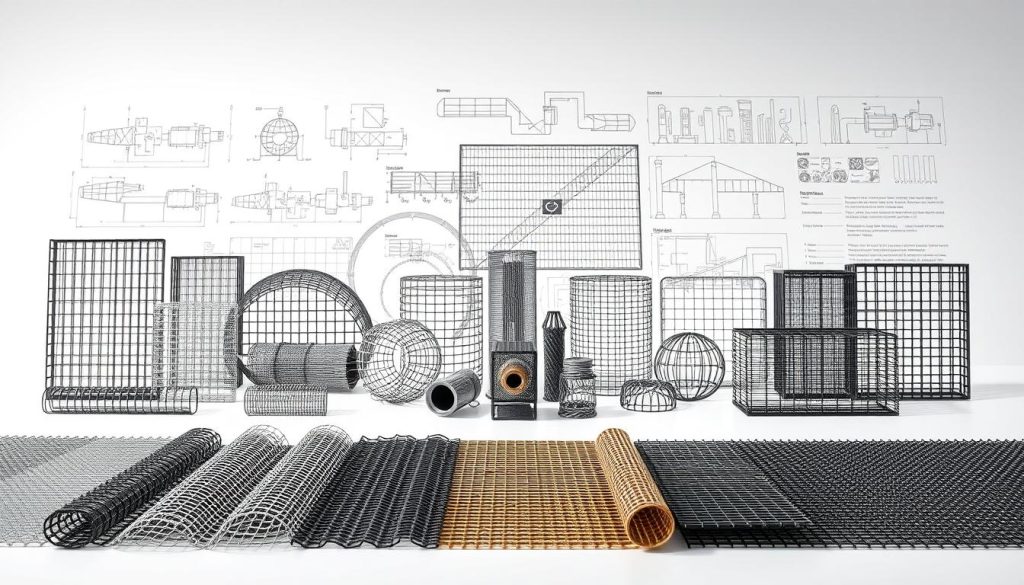
Plain steel wire mesh is the most basic and cheapest option. While it doesn’t resist rust as well as others, it has clear benefits for certain uses.
Strength and Durability Factors
Carbon steel mesh is very strong and stiff, costing less than special metals. When used indoors or with proper coatings, it works reliably. But, without protection, it will rust easily, especially in humid or outdoor settings.
Cost-Effective Applications
This budget-friendly mesh is good for temporary building fences, reinforcing concrete, and indoor dividers. Many makers use plain steel mesh for disposable filters, short-term projects, and jobs where it’s expected to be replaced often. When painted or powder-coated correctly, it can work well in dry indoor places.
Specialty Wire Mesh Materials
Beyond the usual types, several special wire mesh materials tackle unique industrial and architectural needs with their distinct features.
Aluminum Wire Mesh
Aluminum mesh is very strong for its light weight, making it ideal when reducing weight is necessary. Its natural rust resistance makes it perfect for coastal areas, food processing equipment, and building screens. It also reflects light, making it useful for managing light in buildings and solar setups.
Copper, Brass, and Bronze Options
These special metal mixes offer both good looks and practical benefits. Their natural ability to fight germs makes them great for food preparation areas and medical places. Builders love these materials for their warm look and how they naturally age. Plus, they provide good shielding against electronic interference for sensitive equipment.
Expanded Metal Mesh
Unlike woven or welded mesh, expanded metal is made by cutting and stretching a solid metal sheet. This unique process creates one single piece with no welds or joints, making it incredibly strong and stable. Its diamond-shaped openings provide great grip for walkways and stairs. For security, expanded metal resists cutting and tampering, while architects like its distinct look.
Selecting the Right Wire Mesh for Your Project
Choosing the right wire mesh means balancing its use environment, performance needs, appearance, and your budget for long-term success.
First, think about the environment. Outdoor use with saltwater, chemicals, or pollution demands stronger materials like stainless steel. Extreme temperatures and UV light can weaken other types, so pick mesh built for those conditions. Also, think about what the mesh needs to do. Security requires tough, cut-resistant materials, while food or medical uses need hygienic stainless steel. Weight is also important: light aluminum for structures, heavy steel for security. Make sure that it has the right strength, flexibility, and resistance for the job.
Finally, think about looks and cost. Materials like stainless steel and galvanized mesh have different appearances. Think about light passage and color options (like with coated mesh). While stainless steel costs more initially, its longer life and lower maintenance often make it a better value over time. Installation and upkeep costs also vary, so factor those in.
Big Takeaways for Wire Mesh Selection
Wire mesh is very important for industrial filters and many other uses, and picking the right type is necessary for long-lasting success. Whether it’s the premium corrosion resistance of stainless steel, the balanced protection and value of galvanized mesh, or specialized options like PVC coated, aluminum, or expanded metal, each material offers unique benefits for different environments and needs. By thinking about factors like where it’s used, what it needs to do, how it looks, and your budget, you can make a smart choice that ensures your project performs well and lasts for years to come.