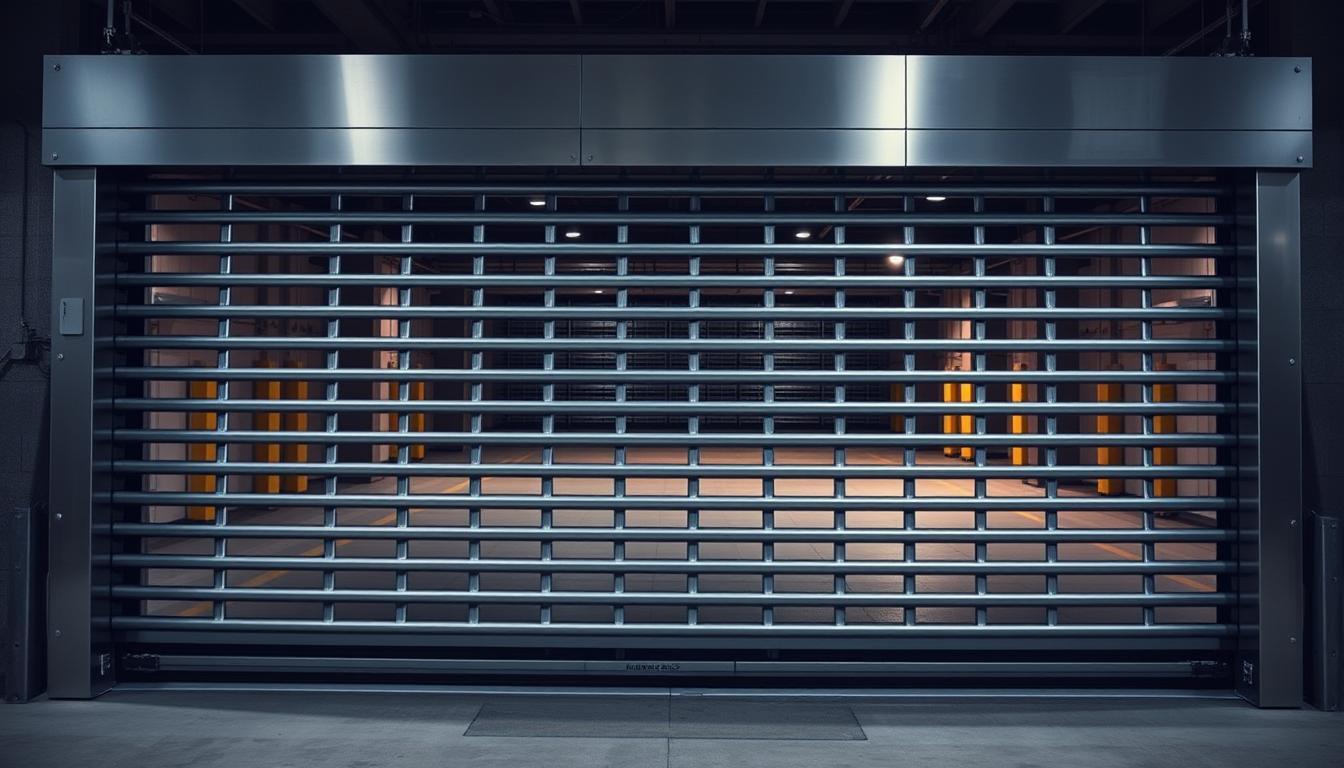
Did you know that commercial break-ins cost American businesses over $4.6 billion annually? This staggering figure highlights why choosing the right security solutions matters more than ever.
Selecting high-performance rolling grilles isn’t just about basic protection. It’s about finding the perfect balance between security, functionality, and long-term value. The right combination of features can mean the difference between a system that merely exists and one that actively protects your investment.
Smart business owners understand that informed decisions lead to better outcomes. When you know what separates premium security solutions from standard options, you’re equipped to make choices that enhance both safety and operational efficiency.
Throughout this guide, we’ll explore the critical components that define superior rolling grille systems. From advanced locking mechanisms to weather resistance, each feature plays a vital role in your overall security strategy.
Key Takeaways
- Commercial break-ins cost businesses billions annually, making proper security selection crucial
- High-performance rolling grilles balance security, functionality, and long-term value
- Understanding key features helps distinguish premium systems from standard options
- Informed decision-making leads to better security outcomes and operational efficiency
- Critical components include locking mechanisms, materials, and weather resistance
- The right grille system serves as both protection and operational asset
Core Security Features That Define High-Performance Rolling Grilles
The foundation of any high-performance rolling grille lies in its robust security features and construction quality. These elements work together to create an effective barrier that protects your property while maintaining operational efficiency. Understanding these core components helps you make informed decisions about which security grilles best meet your specific protection needs.
Premium rolling grilles incorporate multiple layers of security. Each component serves a specific purpose in the overall protection system. From material selection to locking mechanisms, every detail matters when it comes to deterring unauthorized access.
Material Strength and Construction Quality
The structural integrity of security grilles depends heavily on material selection and construction methods. Heavy-duty materials form the backbone of effective protection systems.
Heavy-Duty Steel and Aluminum Construction
Steel construction offers superior strength and impact resistance. High-grade steel alloys provide excellent durability against forced entry attempts. Aluminum alternatives deliver corrosion resistance while maintaining adequate security levels for many applications.
Optimal Bar Thickness and Link Spacing
Bar thickness directly impacts security effectiveness. Professional-grade systems typically feature bars ranging from 3/8 inch to 1/2 inch in diameter. Link spacing must balance visibility with protection, with optimal configurations preventing hand or tool insertion.
Full-Height Interlocking Design Benefits
Interlocking designs eliminate weak points that criminals could exploit. Full-height construction ensures consistent protection across the entire opening. This design approach prevents prying attempts at connection points.
“The strongest security system is only as effective as its weakest component. Full-height interlocking eliminates those vulnerable spots.”
Advanced Locking Mechanisms
Modern security grilles incorporate sophisticated locking systems that enhance protection while maintaining user convenience. These mechanisms represent the final line of defense against unauthorized access.
Bottom Bar Lock Systems
Bottom bar locks secure the grille at ground level. These systems prevent lifting attempts and provide multiple locking points. Reinforced bottom bars resist cutting and prying forces effectively.
Automatic Locking Technology
Automatic systems engage locks when the grille closes completely. This technology eliminates human error in securing the opening. Advanced models include backup manual override capabilities for emergency situations.
Multiple Security Lock Options
Professional installations often feature multiple locking methods. Cylinder locks provide key-based security. Padlock provisions offer additional protection layers. Some systems integrate alarm connections for comprehensive security monitoring.
| Lock Type | Security Level | Best Application | Key Features |
|---|---|---|---|
| Cylinder Lock | High | Commercial Storefronts | Key control, weather resistant |
| Automatic Lock | Very High | High-traffic Areas | No user error, backup manual |
| Padlock System | Medium-High | Warehouse Loading | Flexible, multiple lock points |
| Integrated Alarm | Maximum | High-value Assets | Real-time monitoring, alerts |
Operational Features for Maximum Convenience
Smart operational features transform basic rolling grilles into user-friendly security solutions. The right combination of operation type and design configuration makes daily use effortless while maintaining top-level protection. Understanding these operational elements helps you select commercial grilles that perfectly match your facility’s workflow and security requirements.
Motor Operation vs Manual Systems
The choice between motorized and manual operation significantly impacts your grille’s daily functionality and long-term costs. Each system offers distinct advantages depending on your specific application needs.
Benefits of Motorized Operation
Motorized systems provide unmatched convenience for high-traffic applications. They eliminate physical strain during operation and enable remote control capabilities. Speed and consistency are major advantages, with most motorized commercial grilles operating at 12-24 inches per second.
Key Features in Motor Systems
Advanced motor systems include variable speed controls for smooth operation. Soft start and stop mechanisms prevent jarring movements that could damage the grille or surrounding structure. Many systems offer battery backup options to maintain security during power outages.
Manual Operation Advantages
Manual systems excel in reliability and cost-effectiveness. They require minimal maintenance and operate independently of electrical power. These systems work perfectly for smaller openings or locations with infrequent access needs.
Control Integration Options
Modern control systems integrate seamlessly with building management platforms. Options include wall-mounted keypads, smartphone apps, and remote controls. Some advanced systems connect to security networks for automated operation based on access schedules.
| Feature | Motorized Systems | Manual Systems | Best Application |
|---|---|---|---|
| Operation Speed | 12-24 inches/second | Variable by user | High-traffic areas favor motorized |
| Maintenance Requirements | Regular motor servicing | Minimal lubrication only | Low-maintenance needs favor manual |
| Power Dependency | Requires electrical connection | Completely independent | Remote locations favor manual |
| Initial Investment | $2,500-$8,000 higher | Lower upfront cost | Budget-conscious projects favor manual |
Grille Pattern and Visibility Configurations
Grille patterns directly affect both security levels and visibility requirements. The right pattern choice balances protection with operational visibility needs.
Straight Link vs Brick Pattern Designs
Straight link patterns offer maximum visibility with horizontal alignment. Brick patterns provide enhanced security through offset link positioning that creates smaller openings.
Open vs Closed Pattern Benefits
Open patterns maximize visibility for retail displays while maintaining security. Closed patterns offer superior protection for high-value storage areas where visibility is less critical than security.
Perforated and Slotted Grille Options
Perforated commercial grilles allow controlled airflow while maintaining security. Slotted designs provide directional visibility and ventilation, perfect for applications requiring specific viewing angles or climate control.
High-Speed Performance and Safety Systems
Modern commercial facilities demand high-speed rolling grilles that combine lightning-fast operation with comprehensive safety protection. These advanced systems must deliver rapid cycle times while maintaining the highest safety standards for busy environments.
Speed Capabilities and Motor Specifications
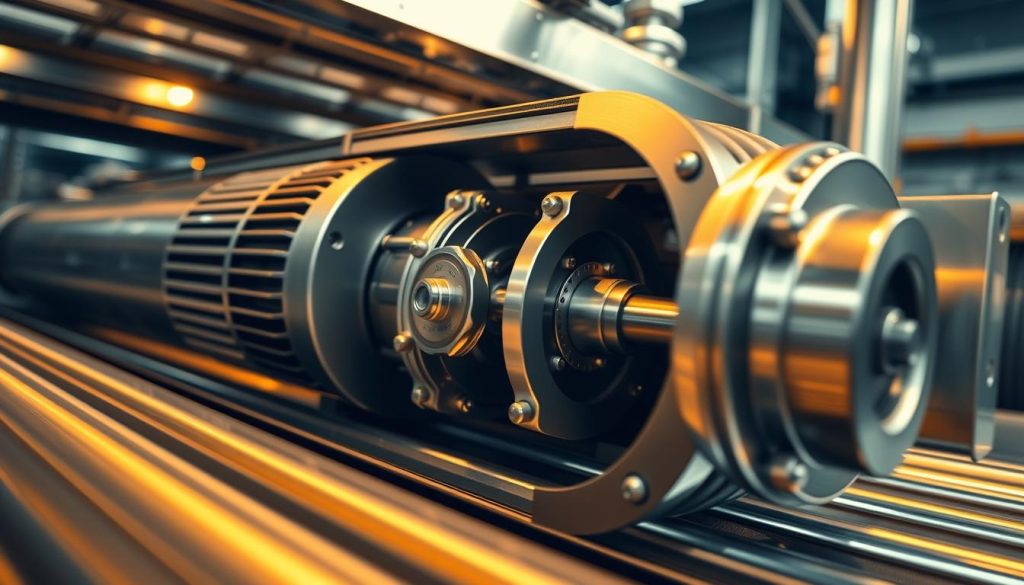
High-speed rolling grilles require powerful motors that can handle frequent operation without overheating. These systems typically achieve cycle speeds of 12-24 inches per second, significantly faster than standard models.
High-Speed Motor Requirements
Motor specifications for high-performance applications include horsepower ratings from 1/2 HP to 2 HP. These motors feature thermal protection and heavy-duty components designed for continuous operation. Duty cycle ratings must support 100+ cycles per hour in commercial settings.
Cycle Time Performance Standards
Standard high-speed rolling grilles complete full open-close cycles in 15-30 seconds for typical 8-foot openings. Premium systems can achieve even faster times while maintaining smooth, quiet operation throughout the cycle.
Essential Safety Features
Safety systems are critical components that protect both operators and equipment during high-speed operation. These features work together to prevent accidents and ensure reliable performance.
Photoelectric Sensor Protection
Photoelectric sensors create invisible safety beams across the opening. When objects interrupt these beams during closing, the grille immediately stops and reverses direction. This prevents damage to vehicles and protects pedestrians.
Reversing Edge Safety Systems
The bottom edge of high-speed rolling grilles features pressure-sensitive safety edges. These devices detect contact with objects and instantly reverse the grille’s direction, providing tactile protection where sensors might miss small obstacles.
Emergency Stop Button Integration
Emergency stop buttons must be easily accessible and clearly marked. These controls immediately halt all grille movement and integrate with building safety systems for comprehensive protection during maintenance or emergencies.
Durability Features and Weather Protection
Weather resistance and durability form the backbone of reliable industrial grille systems. These features ensure consistent performance across diverse environmental conditions. Premium industrial grilles incorporate advanced materials and engineering to withstand decades of operation.
Corrosion Resistance Technologies
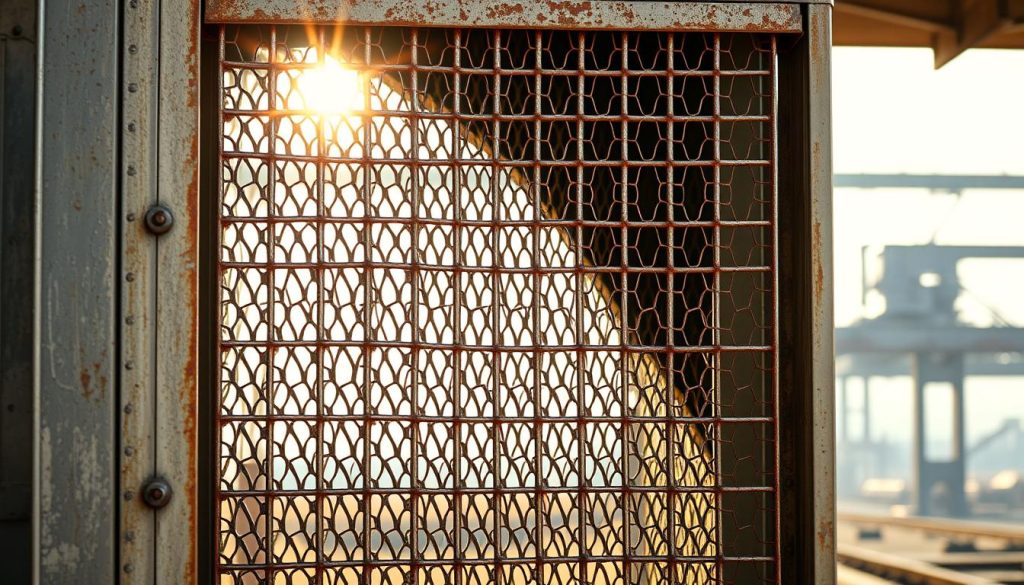
Effective corrosion protection extends the operational lifespan of industrial grilles significantly. Multiple coating and material options provide varying levels of protection based on environmental demands.
Galvanized Steel Benefits
Hot-dip galvanizing creates a zinc barrier that prevents rust formation. This process bonds zinc directly to steel surfaces. The protective layer self-heals minor scratches automatically.
Powder Coating Protection
Powder coating systems offer superior adhesion compared to traditional paint. These finishes resist chipping, fading, and chemical exposure. Color retention remains excellent even after years of UV exposure.
Aluminum Construction Advantages
Aluminum naturally resists corrosion without additional treatments. The lightweight properties reduce structural load requirements. Maintenance costs decrease substantially with aluminum industrial grilles over time.
Heavy-Duty Moving Components
Robust mechanical components ensure smooth operation throughout the grille’s service life. Quality bearings, springs, and rollers minimize maintenance requirements while maximizing reliability.
Robust Roller and Bearing Systems
Sealed bearing assemblies prevent contamination from dust and moisture. Heavy-duty rollers distribute weight evenly across the operating mechanism. These components handle frequent cycling without premature wear.
High-Cycle Spring Mechanisms
Commercial-grade springs maintain consistent tension through thousands of operations. Proper spring selection prevents counterbalance failure. Quality mechanisms reduce motor strain significantly.
Wind Load Rating Specifications
Wind load ratings indicate maximum sustainable wind speeds. Building codes require specific ratings based on geographic location. Proper selection prevents structural damage during severe weather events.
| Protection Type | Durability Rating | Maintenance Frequency | Initial Cost |
|---|---|---|---|
| Galvanized Steel | 25-30 years | Annual inspection | Moderate |
| Powder Coated | 15-20 years | Bi-annual cleaning | Low |
| Aluminum Construction | 30-40 years | Minimal maintenance | High |
| Standard Steel | 10-15 years | Quarterly maintenance | Very Low |
Maintenance Access and Installation Requirements
The long-term success of overhead rolling grilles depends heavily on thoughtful maintenance design and expert installation. Smart planning in these areas reduces operational costs and ensures reliable performance throughout the system’s lifespan. Property owners who prioritize maintenance accessibility and professional installation enjoy fewer service interruptions and lower total ownership costs.
Maintenance-Friendly Design Features
Modern overhead rolling grilles incorporate design elements that simplify routine servicing and component access. These features make maintenance more efficient and cost-effective for property owners.
Accessible Component Layout
Well-designed grilles position critical components where technicians can reach them easily. Motor housings, control panels, and adjustment mechanisms should be accessible without extensive disassembly. This thoughtful placement reduces service time and labor costs significantly.
Routine Maintenance Considerations
Quality systems feature clearly marked lubrication points and easily replaceable wear components. Regular maintenance becomes straightforward when manufacturers provide detailed service schedules and accessible adjustment points. These design choices minimize downtime and extend equipment life.
Installation and Supplier Selection
Professional installation and reliable supplier support form the backbone of successful overhead rolling grilles ownership. These factors directly impact system performance and long-term satisfaction.
Professional Installation Standards
Certified installers ensure proper alignment, electrical connections, and safety system calibration. Professional installation protects warranty coverage and prevents costly operational issues that result from improper setup.
Supplier Support and Warranty Coverage
Comprehensive warranty programs and responsive technical support distinguish quality suppliers from budget alternatives. Strong warranty coverage protects your investment while expert support ensures quick resolution of any operational concerns.
Local Service Network Availability
Proximity to qualified service technicians affects response times and ongoing maintenance quality. Local service networks provide faster emergency response and more cost-effective routine maintenance, ultimately reducing total ownership costs for overhead rolling grilles systems.
Conclusion
Selecting the perfect rolling security gates requires careful consideration of your specific requirements. The features discussed throughout this guide work together to create a comprehensive security solution that protects your property while providing daily convenience.
Your decision should balance security priorities with operational needs. High-strength materials and advanced locking systems provide the foundation for protection. Motor operation and smart controls enhance daily usability. Speed capabilities and safety features ensure efficient operation without compromising user protection.
Weather resistance and durability features protect your investment over time. These elements become especially important in harsh climates where corrosion and wear can quickly degrade inferior products.
Professional installation and reliable supplier support remain critical factors that many buyers overlook. Even the best-designed rolling security gates require proper installation and ongoing maintenance to deliver optimal performance.
Consider your budget as a long-term investment rather than an upfront cost. Quality features may require higher initial spending but deliver superior value through years of reliable service, reduced maintenance costs, and enhanced security protection.
Take time to evaluate each feature against your specific situation. The right combination of capabilities will provide the security, convenience, and peace of mind your property deserves.