Did you know that over 85% of California homeowners who replaced their windows in the past five years had to navigate Title 24 compliance requirements? This staggering number reveals just how deeply California’s energy efficiency standards have transformed the home improvement landscape.
Title 24 isn’t just another building code. It’s a game-changing regulation that directly influences every window replacement decision in the Golden State. These standards have shifted homeowner priorities from simple aesthetics and price considerations to energy performance requirements.
Understanding these regulations becomes crucial before making any window replacement choices. Compliance affects more than legal requirements – it impacts your long-term energy savings and home comfort levels significantly.
Vinyl windows have emerged as a popular solution for meeting California’s stringent standards. They offer an ideal balance of affordability, performance, and compliance, making vinyl window selection a smart choice for budget-conscious homeowners who refuse to compromise on quality.
Key Takeaways
- Title 24 regulations affect over 85% of California window replacement projects
- Energy performance now takes priority over aesthetics and initial cost considerations
- Compliance with Title 24 directly impacts long-term energy savings and home comfort
- Vinyl windows provide an affordable solution for meeting California’s strict energy standards
- Understanding these regulations is essential before making any window replacement decisions
- Non-compliance can result in failed inspections and costly project delays
Why Title 24 Energy Regulations Matter for California Homeowners
For California homeowners, Title 24 compliance isn’t just about meeting code requirements—it’s about creating more comfortable, energy-efficient windows and homes that deliver real savings. These regulations serve as your roadmap to lower utility bills, improved indoor comfort, and increased property value. Understanding how these standards work can help you make smarter decisions during your next window replacement project.
California’s energy efficiency standards have evolved significantly since their introduction in 1978. The state continues to strengthen these requirements every three years, pushing the boundaries of what’s possible in residential energy conservation.
Understanding California's Energy Efficiency Standards
California’s Title 24 Building Energy Efficiency Standards represent the most comprehensive energy regulations in the United States. These standards cover everything from insulation and lighting to heating systems and windows. The primary goal is simple: reduce energy consumption while maintaining comfortable living conditions.
The California Energy Commission updates these standards regularly based on new technology and research. Each update brings stricter requirements that push builders and homeowners toward better energy performance. This means today’s energy-efficient windows must meet higher standards than those installed just a few years ago.
These regulations apply to both new construction and major renovations. When you replace windows in your existing home, you’re required to meet current Title 24 standards, not the standards from when your home was originally built.
| Regulation Aspect | Homeowner Benefit | Long-term Impact | Compliance Requirement |
|---|---|---|---|
| Window U-Factor Limits | Reduced heating costs | 15-30% energy savings | Must meet zone-specific ratings |
| Solar Heat Gain Control | Lower cooling expenses | Improved summer comfort | SHGC ratings verified by NFRC |
| Air Leakage Standards | Eliminated drafts | Consistent indoor temperatures | Professional installation required |
| Documentation Requirements | Warranty protection | Resale value enhancement | Proper permits and inspections |
How Title 24 Affects Your Window Replacement Project
When planning a window replacement project, Title 24 compliance affects several key aspects of your decision-making process. First, you’ll need to obtain proper permits from your local building department. This ensures your project meets current energy efficiency standards and passes required inspections.
The permitting process typically requires detailed documentation about your chosen windows. This includes NFRC labels, manufacturer specifications, and installation plans. Your contractor should handle these requirements, but understanding them helps you make informed choices.
Installation quality becomes critical under Title 24 regulations. Improper installation can void your compliance even with high-performance windows. The standards require specific sealing techniques, proper flashing, and attention to thermal bridging details.
Working with qualified professionals familiar with Title 24 requirements saves time and prevents costly compliance issues. These contractors understand the inspection process and can guide you through product selection that meets your specific climate zone requirements.
The upfront costs of Title 24-compliant windows often concern homeowners. However, energy savings typically offset these initial investments within 5-10 years. Additionally, many utility companies offer rebates for energy-efficient window installations, reducing your net project cost.
California homeowners who ignore Title 24 requirements face potential fines, failed inspections, and complications during home sales. Compliance ensures your investment protects your property value while delivering the comfort and efficiency benefits these regulations were designed to provide.
Essential Energy Performance Metrics for Window Compliance
Every compliant window displays measurable performance ratings that directly impact your home’s energy efficiency. These standardized metrics help California homeowners make informed decisions during their window installation projects. Understanding these key performance indicators ensures you select windows that meet Title 24 requirements while maximizing comfort and energy savings.
The window industry uses specific measurements to evaluate how well windows control heat, light, and energy transfer. These ratings appear on official labels and help you compare different products objectively.
U-Factor: Measuring Heat Transfer Efficiency
Definition and Measurement Standards
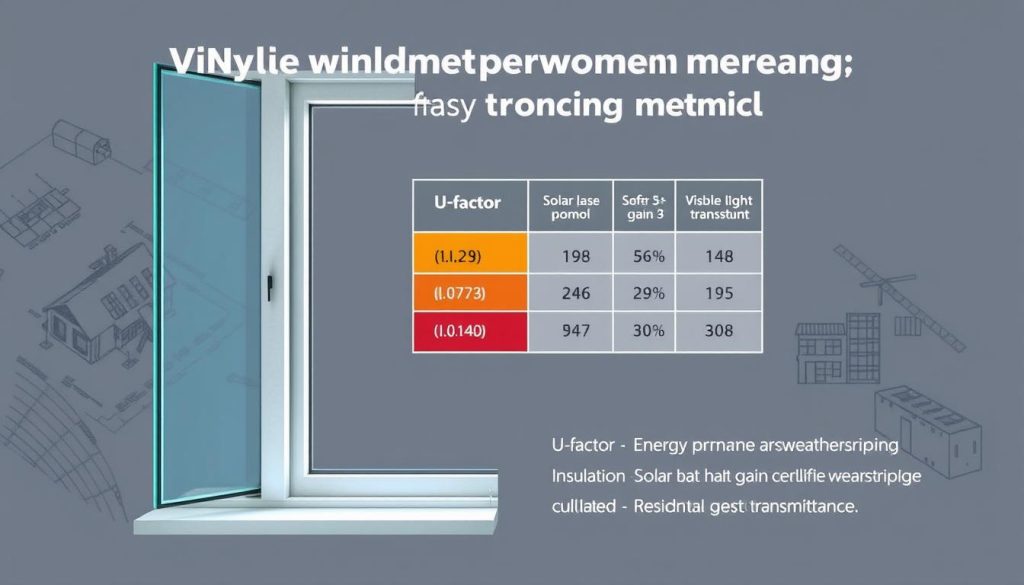
U-Factor measures how well a window prevents heat from escaping your home. This rating ranges from 0.20 to 1.20, with lower numbers indicating better insulation performance. The National Fenestration Rating Council tests windows under controlled conditions to ensure accurate measurements.
Think of U-Factor like a window’s thermal resistance score. Windows with lower U-Factor ratings keep heated or cooled air inside your home more effectively. Most low-maintenance windows designed for California feature U-Factor ratings between 0.25 and 0.40.
Why U-Factor Impacts Your Energy Bills
Your heating and cooling costs directly relate to your windows’ U-Factor performance. Windows with high U-Factor ratings allow more heat transfer, forcing your HVAC system to work harder. A window with a 0.30 U-Factor performs significantly better than one rated at 0.50.
California homeowners typically see noticeable energy savings when upgrading from older windows with U-Factors above 0.60. Modern vinyl windows often achieve U-Factor ratings as low as 0.27, delivering substantial long-term savings.
Solar Heat Gain Coefficient (SHGC)
Understanding Solar Heat Control
Solar Heat Gain Coefficient measures how much solar radiation passes through your windows. SHGC ratings range from 0 to 1, with lower numbers blocking more solar heat. This metric helps determine how much free solar heating your windows provide in winter and how much unwanted heat they block in summer.
Windows with SHGC ratings around 0.25 to 0.40 work well for most California climate zones. These ratings balance solar heat control with natural warming benefits during cooler months.
SHGC's Critical Role in California's Climate
California’s diverse climate zones require careful SHGC consideration. Coastal areas benefit from slightly higher SHGC ratings to capture beneficial winter warmth. Inland areas with hot summers need lower SHGC ratings to reduce cooling costs.
Your window installation professional should match SHGC ratings to your specific location and home orientation. South-facing windows often need different SHGC ratings than north-facing ones to optimize year-round performance.
Visible Transmittance (VT) and Natural Light Balance
Visible Transmittance measures how much natural light passes through your windows. VT ratings range from 0 to 1, with higher numbers allowing more daylight into your home. Most energy-efficient windows maintain VT ratings between 0.40 and 0.70.
You don’t have to sacrifice natural light for energy efficiency. Modern low-maintenance windows use advanced glazing technologies that block heat while preserving brightness. Look for windows that balance VT with your desired SHGC and U-Factor performance.
Higher VT ratings reduce your need for artificial lighting during daytime hours. This natural lighting benefit contributes to overall energy savings beyond just heating and cooling efficiency.
Decoding NFRC Labels for Accurate Performance Data
The National Fenestration Rating Council label provides standardized performance data for every compliant window. This yellow and black label displays U-Factor, SHGC, and VT ratings in an easy-to-read format. Always verify these labels match your Title 24 requirements before making purchase decisions.
NFRC labels also include additional performance metrics like Air Leakage and Condensation Resistance. These secondary ratings help you evaluate overall window quality and durability. Reputable manufacturers proudly display NFRC labels on their products and marketing materials.
During your window installation planning, compare NFRC labels from different manufacturers to find the best performance combination for your needs. Don’t rely solely on marketing claims – the official NFRC data provides objective performance comparisons you can trust.
California Climate Zones and Title 24 Window Requirements
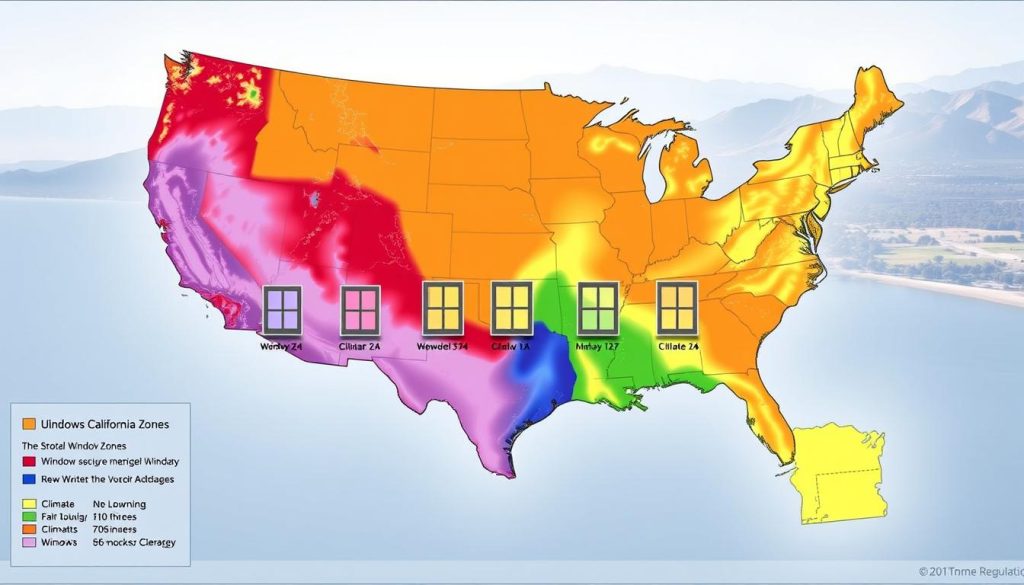
California’s diverse geography creates distinct climate zones that directly influence Title 24 window requirements for homeowners. The state divides its territory into 16 different climate zones, each designed to address specific weather patterns and energy challenges. These zones range from foggy coastal areas to scorching desert regions and everything in between.
Understanding your climate zone is essential for selecting compliant windows that will pass inspection and provide optimal energy performance. Each zone has tailored requirements that reflect local heating and cooling needs.
How Climate Zones Determine Your Window Standards
Your climate zone directly impacts which window styles and performance ratings you need to meet Title 24 compliance. Coastal zones focus heavily on preventing heat loss during mild winters. Desert zones prioritize blocking intense solar heat gain during summer months.
Mountain regions require windows that handle both extreme cold and significant temperature swings. Each zone’s unique challenges translate into specific U-factor and SHGC requirements that manufacturers must meet.
To find your climate zone, you can check the California Energy Commission’s official zone map or contact your local building department. This information determines exactly which window specifications apply to your project.
General Title 24 Requirements for All Zones
Regardless of your specific climate zone, California enforces several universal window standards that apply statewide. These baseline requirements ensure minimum energy performance across all residential construction and renovation projects.
Mandatory Double-Pane Glass Standards
All Title 24-compliant windows must feature double-pane glass construction as the absolute minimum standard. Single-pane windows are completely prohibited in new construction and most replacement projects. This requirement applies to every window style, from casement to sliding units.
Double-pane glass provides essential insulation that single-pane windows cannot achieve. The air space between glass panes creates a thermal barrier that significantly reduces heat transfer. Most modern window frames are specifically designed to accommodate double-pane glass systems.
U-Factor and SHGC Threshold Requirements
Every compliant window must meet specific U-factor and SHGC thresholds based on its climate zone assignment. U-factor ratings typically range from 0.30 to 0.58, depending on your zone’s heating requirements. SHGC ratings vary from 0.23 to 0.40, reflecting local cooling needs.
These thresholds are non-negotiable minimums that every window must achieve. Exceeding these requirements is always acceptable and often beneficial for energy savings. However, falling short of these standards will result in compliance failure.
- Coastal zones: Lower U-factors for heat retention
- Inland zones: Balanced U-factor and SHGC requirements
- Desert zones: Lower SHGC ratings for heat rejection
- Mountain zones: Stringent U-factor requirements for insulation
Prescriptive vs. Performance Compliance Approach
California offers two distinct paths for achieving Title 24 compliance, each with unique advantages depending on your project needs. Understanding both approaches helps you choose the most practical route for your specific situation.
Prescriptive Path Simplicity
The prescriptive path offers straightforward compliance through predetermined window specifications. You simply select windows that meet your zone’s prescribed U-factor and SHGC requirements. This approach works perfectly for standard window styles and typical residential applications.
Most homeowners find the prescriptive path easier to navigate because it eliminates complex calculations. Your contractor can quickly verify compliance by checking NFRC labels against zone requirements. This method streamlines the permit process and reduces potential delays.
Performance Path Design Flexibility
The performance path allows greater flexibility by evaluating your home’s overall energy performance rather than individual component requirements. This approach may permit windows that don’t meet prescriptive standards if other energy measures compensate for the difference.
Performance path compliance requires detailed energy modeling and calculations performed by qualified professionals. This route works well for custom window frames, unique architectural designs, or projects incorporating advanced energy features. While more complex, it offers creative solutions for challenging retrofit situations.
Why Vinyl Window Selection Excels for Title 24 Compliance
Vinyl windows stand out as exceptional performers when it comes to meeting California’s Title 24 energy efficiency standards. These windows offer homeowners a perfect blend of energy performance, cost-effectiveness, and long-term durability. The material properties of vinyl create natural advantages that make compliance with Title 24 requirements more achievable than with many other window frame materials.
Modern manufacturing techniques have transformed vinyl windows into sophisticated energy-efficient systems. They consistently deliver the thermal performance needed to meet California’s strict energy codes. This makes them an increasingly popular choice for both new construction and replacement projects throughout the state.
Inherent Insulation Properties of Vinyl Frames
The cellular structure of vinyl provides natural thermal resistance that helps prevent heat transfer through the window frame. Unlike metal frames that conduct heat readily, vinyl acts as an insulator by design. This inherent property gives vinyl windows a significant head start in meeting Title 24’s U-factor requirements.
Multi-chamber vinyl frame designs enhance this insulation effect even further. These hollow chambers trap air within the frame structure, creating additional thermal barriers. The result is improved energy performance without the need for expensive thermal breaks or additional insulation materials.
Vinyl’s low thermal conductivity means less energy loss through the frame itself. This characteristic becomes particularly valuable in California’s diverse climate zones where temperature differentials can be substantial.
Superior Compatibility with High-Performance Glazing
Modern vinyl windows work seamlessly with advanced glazing technologies that are essential for Title 24 compliance. The flexibility of vinyl manufacturing allows for precise integration of multiple glazing systems. This compatibility ensures optimal performance across all energy efficiency metrics.
The structural properties of vinyl frames accommodate the weight and thermal expansion of high-performance glass units. This stability is crucial for maintaining long-term energy performance and preventing seal failures that could compromise compliance.
Low-E Coating Integration Benefits
Low-emissivity coatings work exceptionally well with vinyl window systems to control solar heat gain. These microscopic metallic layers reflect infrared energy while allowing visible light to pass through. Vinyl frames provide the stable platform needed for these coatings to perform effectively over time.
The thermal stability of vinyl prevents frame expansion and contraction that could stress the glazing system. This stability helps maintain the integrity of Low-E coatings and ensures consistent SHGC performance throughout the window’s lifespan.
Argon Gas Fill Optimization
Vinyl windows excel at maintaining argon gas fills between glass panes, which is critical for achieving low U-factor ratings. The superior sealing capabilities of vinyl frames prevent gas leakage that would reduce insulation performance. This gas retention is essential for long-term Title 24 compliance.
The manufacturing precision possible with vinyl allows for tight tolerances in the glazing pocket. This precision ensures proper seal compression and minimizes the risk of gas loss over time.
Warm-Edge Spacer Technology
Vinyl windows accommodate warm-edge spacer systems that reduce heat transfer at the glass edge. These advanced spacers replace traditional aluminum spacers with materials that have lower thermal conductivity. The flexible design of vinyl frames makes integration of these spacers straightforward and effective.
Warm-edge spacers work particularly well with vinyl because both materials have similar thermal expansion characteristics. This compatibility reduces stress on the glazing system and helps maintain energy performance over time.
| Performance Feature | Vinyl Window Advantage | Title 24 Benefit | Long-term Value |
|---|---|---|---|
| Multi-chamber frames | Enhanced insulation | Lower U-factor ratings | Consistent energy savings |
| Low-E coating compatibility | Stable glazing platform | Optimal SHGC control | Maintained performance |
| Argon gas retention | Superior sealing | Sustained insulation | Reduced energy costs |
| Warm-edge spacer integration | Thermal compatibility | Minimized heat transfer | Extended window life |
Achieving Tight Seals and Minimizing Air Leakage
Air leakage control is a critical component of Title 24 compliance, and vinyl windows excel in this area. The manufacturing precision possible with vinyl extrusion creates consistent frame dimensions that ensure proper weatherstripping contact. This precision translates directly into better air sealing performance.
Modern vinyl windows feature multiple weatherstripping systems that create overlapping seals. These systems work together to prevent air infiltration even under challenging weather conditions. The durability of vinyl means these sealing systems maintain their effectiveness over many years of operation.
“The key to meeting Title 24 requirements lies not just in the glass, but in how well the entire window system controls air leakage and heat transfer.”
The flexibility of vinyl allows for compression seals that conform to slight irregularities in the frame or sash. This adaptability helps achieve the tight seals necessary for low air leakage rates. Vinyl’s resistance to warping and shrinking ensures these seals remain effective throughout the window’s service life.
Professional installation of vinyl windows can achieve air leakage rates well below Title 24 requirements. The forgiving nature of vinyl makes it easier for installers to achieve proper fit and seal, reducing the risk of compliance issues due to installation errors.
What to Look for When Selecting Title 24-Compliant Vinyl Windows
When shopping for Title 24-compliant vinyl windows, knowing what to examine can save you time, money, and future headaches. The selection process involves more than simply picking windows that look good. Smart homeowners focus on specific performance criteria and documentation that ensure long-term compliance and energy savings.
Your window selection directly impacts your home’s energy efficiency and comfort levels. Understanding the key factors will help you make informed decisions that benefit your family for years to come.
Verifying NFRC Label Information
Every compliant window must display an official NFRC (National Fenestration Rating Council) label. This label serves as your primary verification tool for energy performance ratings. Look for labels that are permanently attached to the window frame, not just loose certificates.
The NFRC label contains four key performance metrics you need to check. These include U-factor, Solar Heat Gain Coefficient (SHGC), Visible Transmittance (VT), and Air Leakage ratings. Never accept windows without proper NFRC certification, as they cannot guarantee Title 24 compliance.
Verify that the label matches the specific window model you’re purchasing. Some manufacturers produce multiple window lines with different performance ratings. Double-check model numbers and ensure the label corresponds to your exact window selection.
Matching U-Factor and SHGC Ratings to Your Zone
California’s diverse climate zones require different energy performance standards. Your specific location determines the exact U-factor and SHGC requirements your windows must meet. Climate Zone 1 has different needs than Climate Zone 16, so generic recommendations won’t work.
Use the California Energy Commission’s online climate zone tool to identify your specific zone. This tool provides precise requirements based on your address. Write down these numbers before shopping, as they’ll guide your entire selection process.
Compare window specifications directly to your zone requirements. Look for windows that exceed minimum standards rather than barely meeting them. Higher performance windows often provide better long-term value through increased energy savings and comfort.
Reviewing Manufacturer Documentation and Warranties
Comprehensive manufacturer documentation demonstrates quality and reliability. Reputable manufacturers provide detailed installation guides, performance data, and compliance certificates. Request these documents before making your final decision.
Examine warranty coverage carefully, paying attention to both duration and scope. Quality vinyl windows typically offer 10-20 year warranties on frames and hardware. Glass warranties may differ from frame warranties, so review both components separately.
Look for manufacturers who provide technical support and compliance assistance. Companies that understand Title 24 requirements often offer resources to help homeowners and contractors ensure proper installation and compliance documentation.
Evaluating Glazing Options and Frame Construction
Modern vinyl windows offer various glazing configurations that affect energy performance. Double-pane and triple-pane options with low-E coatings and gas fills provide superior insulation compared to standard glass. Consider your climate zone requirements when choosing glazing packages.
Frame construction quality varies significantly between manufacturers. Examine corner joints, weatherstripping quality, and overall build precision. Multi-chamber vinyl frames provide better insulation than single-chamber designs.
Ask about reinforcement materials used in larger windows. Quality manufacturers use steel or aluminum reinforcement in frames that exceed certain sizes. This reinforcement maintains structural integrity and prevents warping over time.
Working with Qualified Installation Professionals
Professional installation is crucial for achieving rated performance and Title 24 compliance. Qualified installers understand proper sealing techniques, flashing requirements, and inspection procedures. Poor installation can negate even the highest-performing windows.
Verify that your installer has experience with Title 24 requirements and energy code compliance. Ask for references from recent projects and check their licensing status. Experienced professionals can also help with permit applications and inspection scheduling.
Discuss installation timeline and weather considerations with your contractor. Proper installation requires appropriate conditions and adequate time for each step. Rushed installations often result in performance problems that compromise energy efficiency and compliance.
Request documentation of installation procedures and final inspection results. This documentation may be required for rebate applications or future compliance verification. Professional installers typically provide comprehensive records of their work.
Understanding Non-Compliance Consequences and Making the Right Choice
Failing to meet Title 24 requirements can create serious problems for California homeowners. Building permits may face delays, and inspections can fail if your vinyl windows don’t meet energy standards. These issues often lead to expensive retrofits and project delays that cost both time and money.
Non-compliant windows can create complications during home sales. Buyers and inspectors scrutinize energy efficiency documentation, and missing NFRC labels or improper ratings may derail transactions. Local building departments require proper compliance documentation before issuing certificates of occupancy.
The good news is that achieving Title 24 compliance with vinyl windows is straightforward when you follow proper guidelines. Quality vinyl frames paired with appropriate glazing systems easily meet California’s energy standards. These windows deliver excellent U-factor and SHGC performance while maintaining durability and affordability.
Choosing compliant vinyl windows brings lasting benefits beyond avoiding penalties. Your energy bills decrease through improved thermal performance. Indoor comfort increases with better temperature control and reduced drafts. Property values rise when homes feature efficient, code-compliant windows that appeal to environmentally conscious buyers.
Armed with knowledge about climate zones, performance metrics, and proper selection criteria, you can confidently choose vinyl windows that exceed Title 24 standards. Work with qualified professionals who understand California’s requirements and can guide you toward the best options for your specific location and needs.