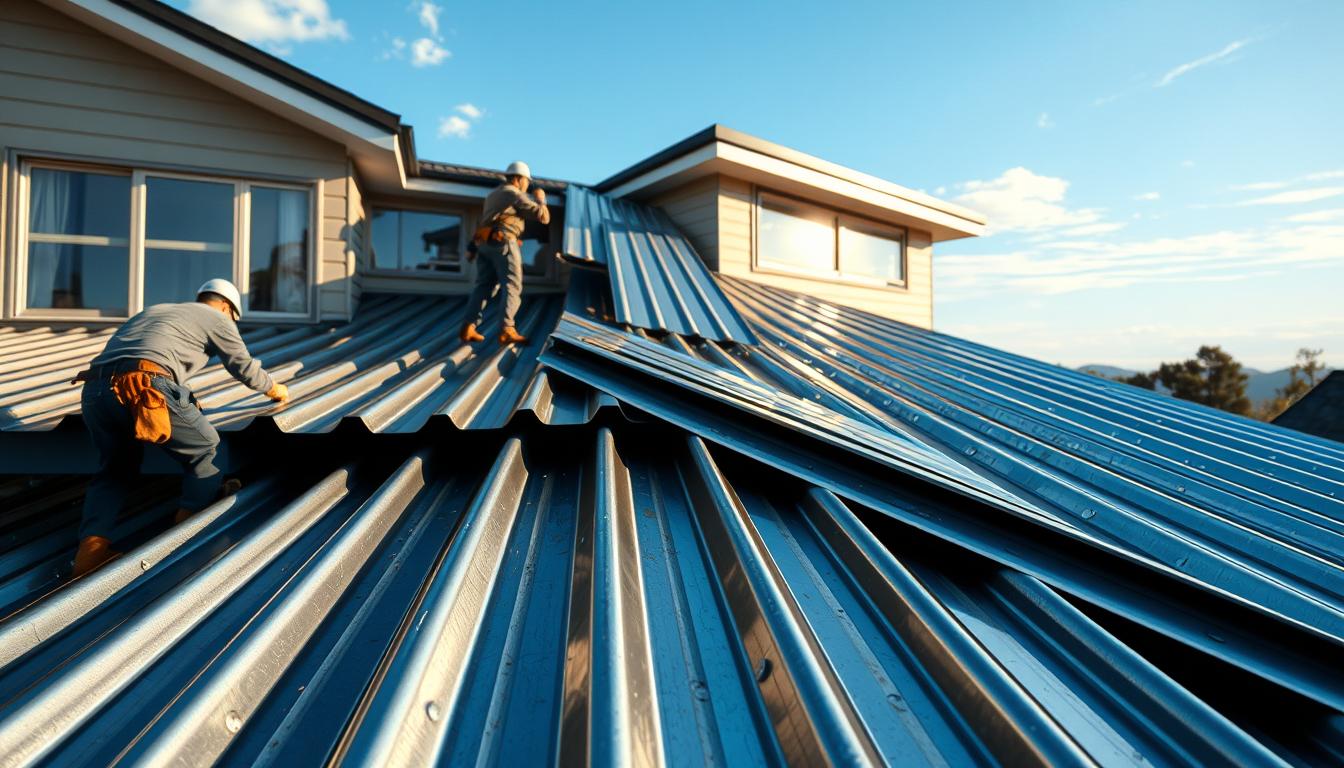
Last summer, Maria watched helplessly as her old wooden roof leaked during a thunderstorm. Water dripped into her living room, damaging her furniture and creating a costly mess. Her contractor suggested a solution that seemed almost too good to be true: galvanized iron roofing sheets.
Like Maria, many homeowners discover these remarkable metal panels when searching for durable, affordable protection. GI sheets are steel panels coated with a protective zinc layer through a process called galvanization. This coating acts like armor, preventing rust and extending the material’s lifespan significantly.
These corrugated metal panels have become incredibly popular across America. From residential homes to commercial warehouses, GI roofing sheets offer excellent weather resistance at a fraction of the cost of premium materials.
Whether you’re a DIY enthusiast planning your first project or a professional contractor seeking reliable options, understanding these versatile building materials will help you make informed decisions for your next construction venture.
Key Takeaways
- GI sheets are steel panels protected by a zinc coating that prevents rust and corrosion
- These metal panels offer excellent durability and weather resistance for various applications
- Galvanized iron provides an affordable alternative to premium roofing materials
- The corrugated design adds structural strength while allowing efficient water drainage
- Both residential and commercial properties benefit from GI sheet installations
- Professional installation ensures optimal performance and longevity
Understanding Galvanized Iron Roofing Materials and the Galvanization Process
The secret behind galvanized iron’s exceptional performance lies in its unique construction and protective coating system. This corrosion-resistant roofing material has become a favorite among builders and homeowners alike. Understanding how these sheets are made helps explain why they offer such reliable protection for decades.
Before diving into the technical details, it’s important to grasp what sets galvanized iron apart from other roofing options. The key difference lies in the special treatment process that gives these sheets their remarkable durability and weather resistance.
What Are GI Roofing Sheets?
Galvanized iron roofing sheets are steel sheets that have been coated with a protective layer of zinc. This coating acts as a barrier between the underlying steel and harsh environmental elements. The result is a roofing material that combines the strength of steel with enhanced protection against rust and corrosion.
These sheets start as regular carbon steel. However, the galvanization process transforms them into something much more durable. The zinc coating protection creates a sacrificial layer that corrodes before the steel underneath can be damaged.
GI sheets come in various thicknesses and profiles to suit different applications. They maintain the structural integrity of steel while offering superior longevity. This combination makes them ideal for both residential and commercial roofing projects.
Hot-Dip Galvanization Process Explained
The hot-dip galvanization process is what gives galvanized iron its protective qualities. This method involves several carefully controlled steps that ensure complete coverage and maximum protection.
First, steel sheets undergo thorough cleaning to remove any dirt, oil, or rust. This preparation step is crucial because any contaminants can prevent proper zinc adhesion. The cleaning process typically involves degreasing and acid pickling.
Next, the clean steel sheets are dipped into a bath of molten zinc heated to approximately 840°F (449°C). The high temperature allows the zinc to bond chemically with the steel surface. This creates multiple layers of zinc-iron alloys that form an incredibly strong protective coating.
During the dipping process, the zinc penetrates into the steel’s surface structure. This creates a metallurgical bond that’s much stronger than simple surface coating. The corrosion-resistant roofing material that emerges has a distinctive crystalline pattern on its surface.
Finally, the coated sheets are cooled and inspected for quality. The entire process ensures uniform coverage and consistent thickness of the protective layer. This thorough approach is why hot-dip galvanized sheets offer such reliable long-term performance.
The zinc coating protection works through a process called cathodic protection. Even if the surface gets scratched, the zinc continues to protect the exposed steel by corroding preferentially. This self-healing property makes galvanized iron roofing exceptionally durable in challenging weather conditions.
Types and Profiles of Galvanized Iron (GI) Roofing Sheets
Understanding the various galvanized iron sheet profiles helps homeowners and contractors select the most suitable weather-resistant roof panels for their projects. Each type offers distinct advantages in terms of strength, appearance, and application suitability. The market provides several main categories that cater to different construction needs and budget requirements.
The choice between different GI sheet types often depends on your specific project requirements. Factors like building design, local weather conditions, and aesthetic preferences all play important roles. Let’s explore each type to help you make an informed decision.
Corrugated GI Sheets (Yero)
Corrugated galvanized iron sheets, commonly known as “Yero” in many regions, represent the most popular choice for residential and commercial roofing. The distinctive wave-like pattern provides excellent structural strength while allowing efficient water drainage. These weather-resistant roof panels have proven their reliability across decades of use.
The corrugated design creates natural channels that direct rainwater away from the building. This profile also adds significant rigidity to the sheet, allowing it to span longer distances without additional support. The raised and lowered sections distribute weight evenly across the structure.

Gauge measurements indicate the thickness of the galvanized iron sheet. Thicker gauges provide greater durability but come at higher costs. The most common gauges range from 26 to 29, with lower numbers indicating thicker materials.
Here’s a comprehensive breakdown of standard corrugated GI sheet specifications:
| Gauge Number | Thickness (mm) | Weight (kg/m²) | Best Applications |
|---|---|---|---|
| 26 Gauge | 0.55 | 4.8 | Heavy-duty commercial buildings |
| 28 Gauge | 0.40 | 3.5 | Residential homes, moderate loads |
| 29 Gauge | 0.35 | 3.1 | Light residential, temporary structures |
| 30 Gauge | 0.30 | 2.7 | Sheds, agricultural buildings |
Standard Lengths Available
Corrugated GI sheets come in various standard lengths to accommodate different project requirements. Common lengths include 6, 8, 10, and 12 feet, though custom lengths are often available upon request. The 8-foot and 10-foot options remain the most popular choices for residential applications.
Longer sheets reduce the number of joints needed, which improves weather resistance. However, handling and transportation become more challenging with increased length. Consider your installation team’s capabilities when selecting sheet lengths.
Plain GI Sheets
Plain galvanized iron sheets offer a smooth, flat surface without corrugations. These versatile materials serve multiple purposes beyond roofing, including wall cladding, partitioning, and general construction applications. Their flat profile makes them ideal for projects requiring clean lines and minimal visual texture.
The smooth surface of plain GI sheets allows for easier cleaning and maintenance. They’re particularly suitable for industrial applications where hygiene is important. However, they require more structural support compared to corrugated sheets due to their reduced inherent strength.
“Plain galvanized sheets provide the flexibility needed for custom fabrication work, making them invaluable for specialized construction projects.”
These sheets work exceptionally well for creating custom flashings, gutters, and decorative elements. Their flat surface accepts paint and coatings more uniformly than textured alternatives. Many contractors prefer plain sheets for detail work around roof penetrations and edges.
Pre-Painted GI Sheets (Color Roof/Long Span)
Pre-painted galvanized iron sheets combine the durability of galvanized steel with attractive color finishes. Also known as color roof or long span sheets, these weather-resistant roof panels undergo a specialized coating process that bonds paint to the galvanized surface. This creates a long-lasting finish that resists fading and weathering.
The paint coating provides an additional layer of protection against corrosion. Popular colors include earth tones, blues, and greens that complement various architectural styles. The factory-applied finish ensures consistent color and quality across all sheets.
Pre-painted sheets typically cost more than standard galvanized options but offer several advantages. They eliminate the need for on-site painting, reduce maintenance requirements, and provide better aesthetic appeal. The color coating also helps reflect heat, improving energy efficiency in hot climates.
These sheets are available in both corrugated and ribbed profiles. The ribbed design offers a more contemporary appearance while maintaining excellent structural properties. Many commercial buildings choose pre-painted sheets for their professional appearance and reduced maintenance needs.
Key Advantages of GI Roofing Systems
When it comes to roofing solutions, GI sheets deliver exceptional benefits that smart builders and homeowners really appreciate. These galvanized iron systems have earned their reputation through decades of reliable performance across diverse applications. From budget-conscious homeowners to large-scale commercial developers, people choose GI roofing for good reasons.
The combination of affordability, durability, and versatility makes galvanized iron sheets stand out in today’s competitive roofing market. Let’s explore the specific advantages that make these systems such a popular choice.
Cost-Effectiveness and Value
GI roofing sheets offer outstanding value that fits almost any budget. The initial cost remains significantly lower than premium materials like tile or slate. Most homeowners save 30-50% on material costs compared to other roofing options.
The real savings come from long-term value. A quality GI roof provides decades of service with minimal maintenance requirements. This translates to fewer repair bills and replacement costs over time. Many property owners discover that their long-lasting roof solution pays for itself through reduced maintenance expenses.
Installation costs also remain reasonable since most contractors are familiar with GI sheet techniques. The lightweight nature means less structural support is needed, which can reduce overall construction expenses.
Durability and Longevity Benefits
Properly installed GI roofing systems typically last 20-30 years or more with basic care. The zinc coating provides excellent protection against weather elements that damage other materials. Rain, snow, and UV exposure have minimal impact on quality galvanized sheets.
Wind resistance is another major strength. GI sheets can withstand high winds that might damage shingles or other lightweight materials. The interlocking design and secure fastening methods create a robust barrier against severe weather.
Temperature fluctuations don’t cause the same expansion and contraction issues seen with some materials. This durable metal roofing maintains its integrity through seasonal changes without cracking or warping.
Strength, Fire Resistance, and Installation Ease
The structural strength of galvanized iron exceeds many roofing alternatives. These sheets can support additional loads like solar panels or maintenance equipment without compromising integrity. The material won’t crack under foot traffic during inspections or repairs.
Fire resistance provides crucial safety benefits. GI roofing won’t ignite from sparks or embers, making it ideal for areas prone to wildfires. Insurance companies often offer discounts for properties with fire-resistant roofing materials.
Installation simplicity saves time and labor costs. Experienced roofers can install GI sheets quickly using standard tools. The lightweight nature means fewer workers are needed for handling and positioning. Most installations proceed faster than traditional shingle applications, reducing labor expenses.
The sheets cut easily to fit around vents, chimneys, and other roof features. This flexibility makes custom fitting straightforward even on complex roof designs.
Environmental Benefits and Recyclability
Galvanized iron roofing supports sustainable building practices in several important ways. The manufacturing process uses recycled steel content, reducing demand for new raw materials. At the end of its service life, the entire roof system can be recycled again.
Energy efficiency benefits come from the reflective surface that bounces heat away from buildings. This can reduce cooling costs during hot summer months. Some GI roofing systems qualify for energy efficiency tax credits or rebates.
The long service life means fewer roof replacements over time. This reduces construction waste and the environmental impact of frequent roof renovations. Choosing this long-lasting roof solution demonstrates environmental responsibility while providing practical benefits.
Water collection systems work well with GI roofing since the smooth surface doesn’t shed particles or contaminants. Rainwater harvesting becomes more effective and cleaner with galvanized surfaces.
The durability factor also supports sustainability goals. Materials that last longer require fewer resources for replacement and maintenance over their lifetime. This makes GI roofing an environmentally conscious choice for forward-thinking property owners.
Potential Disadvantages and Limitations
While galvanized iron roofing offers numerous benefits, it’s important to understand the potential drawbacks before making your decision. Every steel roofing material has its challenges, and being aware of these limitations helps you prepare for proper maintenance and realistic expectations. Let’s explore the main concerns you might encounter with GI roofing sheets.
Corrosion and Rusting Issues
The biggest concern with galvanized iron sheets is eventual corrosion. Over time, the protective zinc coating can wear away, especially in harsh environments. Coastal areas with salt air pose particular challenges for this steel roofing material.
Scratches and cuts during installation can expose the underlying steel to moisture. These damaged areas become vulnerable spots where rust can start. Regular inspections help catch these problems early before they spread.
However, proper maintenance can significantly extend the life of your GI roofing. Applying protective coatings and addressing minor damage promptly keeps your roof in good condition. Many homeowners find that with basic care, their sheets last decades without major issues.
Noise, Heat Absorption, and Aesthetic Concerns
Rain and hail can create significant noise on metal roofing. This drumming sound bothers some homeowners, particularly during heavy storms. Adding insulation beneath the sheets helps reduce this noise considerably.
Heat absorption presents another challenge in hot climates. Plain galvanized sheets can make buildings warmer during summer months. Light-colored or reflective coatings help combat this issue effectively.
Aesthetic limitations also affect some projects. Standard galvanized iron has an industrial appearance that doesn’t suit every architectural style. While this low-maintenance roofing option works well for many buildings, it might not match your design vision.
Condensation and Denting Problems
Condensation forms when warm, moist air meets the cool metal surface. This moisture can drip inside buildings and cause problems. Proper ventilation and vapor barriers prevent most condensation issues.
Denting from hail, falling branches, or heavy impacts can damage the sheets. While galvanized iron is strong, severe weather can leave permanent marks. Thicker gauge sheets resist denting better than thinner options.
Despite these challenges, many property owners find that the benefits outweigh the drawbacks. Understanding these limitations helps you make informed decisions about installation, maintenance, and expectations for your low-maintenance roofing option.
Common Applications and Real-World Uses
The versatility of GI roofing materials makes them suitable for an impressive range of construction projects. These durable sheets have become a go-to solution for builders, contractors, and property owners who need reliable roofing that won’t break the bank. From small backyard sheds to massive warehouse complexes, galvanized iron sheets adapt to virtually any building requirement.
Residential and Commercial Buildings
Homeowners across America choose GI roofing for both new construction and roof replacement projects. The sheets work particularly well on ranch-style homes, garages, and outdoor storage buildings where durability matters more than premium aesthetics. Many coastal properties rely on galvanized iron because it handles salt air better than standard steel roofing.
Commercial applications include retail stores, small office buildings, and strip malls. Restaurant owners often select GI roofing for kitchen extensions and outdoor dining areas. The fire-resistant properties make these sheets ideal for businesses that need extra safety measures.
Apartment complexes and condominiums use galvanized iron for covered walkways, mailbox areas, and maintenance buildings. Property managers appreciate the low maintenance requirements and long-term cost savings these materials provide.
Agricultural Structures and Industrial Applications
Farmers have relied on GI roofing for decades to protect livestock, equipment, and crops. Barn roofs, equipment storage buildings, and grain silos commonly feature galvanized iron sheets. The material handles extreme weather conditions while providing excellent ventilation options for animal housing.
Poultry houses, dairy operations, and horse stables benefit from the corrosion resistance and easy cleaning that galvanized surfaces offer. Many agricultural buildings combine corrugated GI sheets for roofing with plain sheets for siding applications.
Industrial facilities choose these industrial roofing sheets for warehouses, manufacturing plants, and distribution centers. The strength-to-weight ratio allows for longer spans between support beams, creating more usable interior space. Chemical processing plants and food production facilities value the non-toxic, easy-to-sanitize surface that galvanized iron provides.
Fencing, Partitioning, and Construction Site Sheds
Construction crews use GI sheets for temporary site offices, tool storage, and worker break areas. These portable structures can be assembled quickly and moved between job sites as needed. The sheets also serve as security fencing around construction zones and equipment storage areas.
Industrial facilities use galvanized iron for interior partitioning walls that separate different work areas or storage zones. The material creates clean, professional-looking divisions while maintaining fire safety standards. Loading dock areas frequently feature GI partitions that can withstand heavy equipment traffic.
Recycling centers and waste management facilities rely on galvanized iron for both roofing and wall applications. The material resists damage from harsh chemicals and provides easy cleanup when dealing with various waste materials.
Carports, Awnings, and DIY Projects
Homeowners love using GI sheets for carport construction because they provide excellent weather protection at an affordable price. The lightweight nature makes these sheets perfect for weekend DIY projects that don’t require professional installation. Many families build their own car shelters, RV covers, and boat storage areas using galvanized iron.
Awning applications include patio covers, deck roofs, and entrance canopies. The sheets can be bent and shaped to create attractive curved designs that complement existing architecture. Pool houses, outdoor kitchens, and entertainment areas often feature GI roofing for both function and style.
Creative DIY enthusiasts use galvanized iron sheets for garden sheds, chicken coops, and workshop buildings. The material cuts easily with standard tools and accepts paint well for custom color schemes. Art studios, pottery workshops, and craft spaces benefit from the natural light reflection that galvanized surfaces provide.
Tiny house builders frequently choose GI roofing for its combination of light weight, durability, and cost-effectiveness. The sheets work well with both traditional and modern architectural styles, making them suitable for various design preferences.
Selection Tips, Installation Guidelines, and Maintenance Best Practices
Making smart choices with galvanized iron roofing sheets starts with selecting the right gauge for your project. Thicker gauges like 26 or 28 work best for areas with heavy weather, while lighter options suit basic storage buildings. Check local building codes before purchasing.
Proper installation keeps your GI roofing performing well for years. Use quality fasteners and seal all connections to prevent water entry. Leave space for thermal expansion and install ridge caps correctly. Consider adding insulation beneath sheets to reduce heat transfer and noise.
Regular maintenance extends the life of your galvanized iron roofing system. Clean gutters twice yearly and remove debris from roof surfaces. Inspect for loose fasteners or damaged areas after storms. Touch up any scratches with zinc-rich paint to prevent rust formation.
Finding reliable suppliers makes a big difference in project success. Look for dealers who offer material warranties and can provide technical support. Compare prices from multiple sources, but remember that quality matters more than the lowest cost. Ask about delivery options for large orders.
These roofing sheets offer excellent value when chosen and installed properly. Take time to plan your project carefully and invest in quality materials from trusted sources. Your roof will protect your investment for decades with minimal upkeep required.