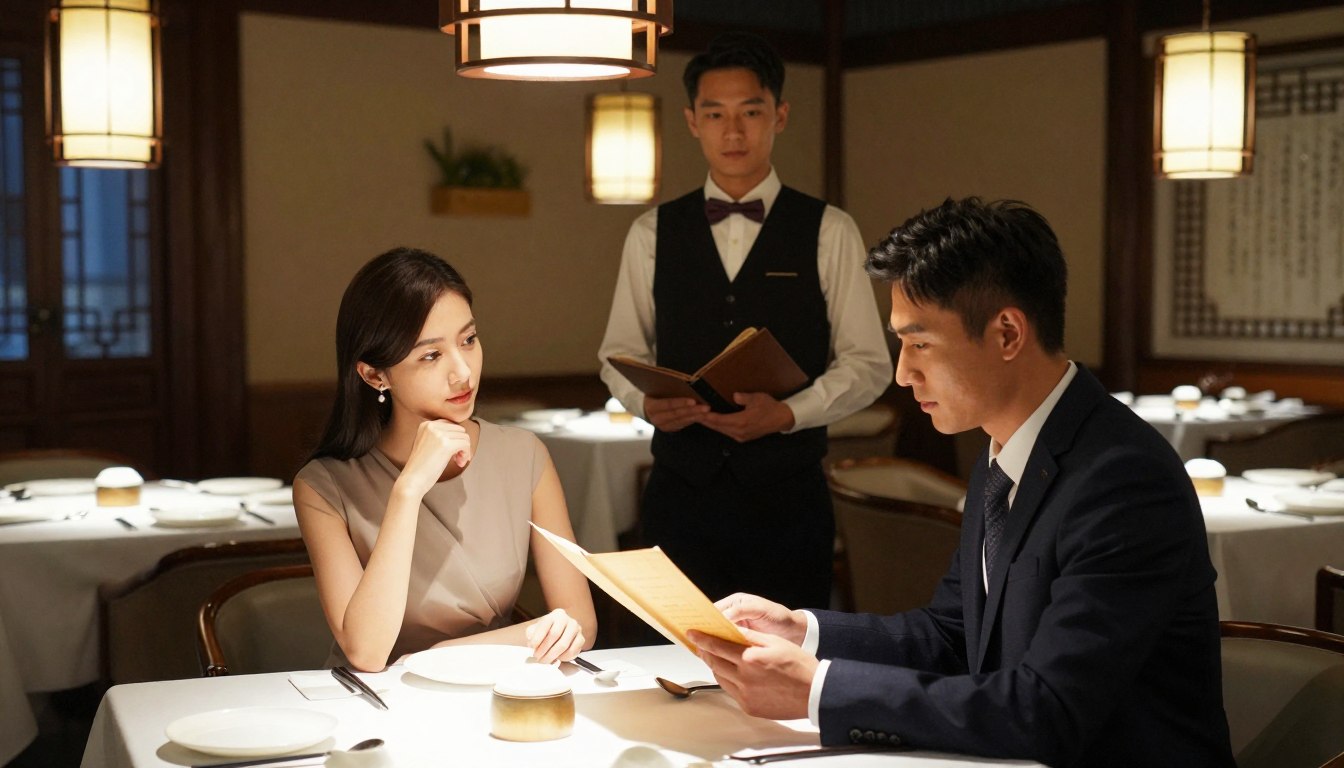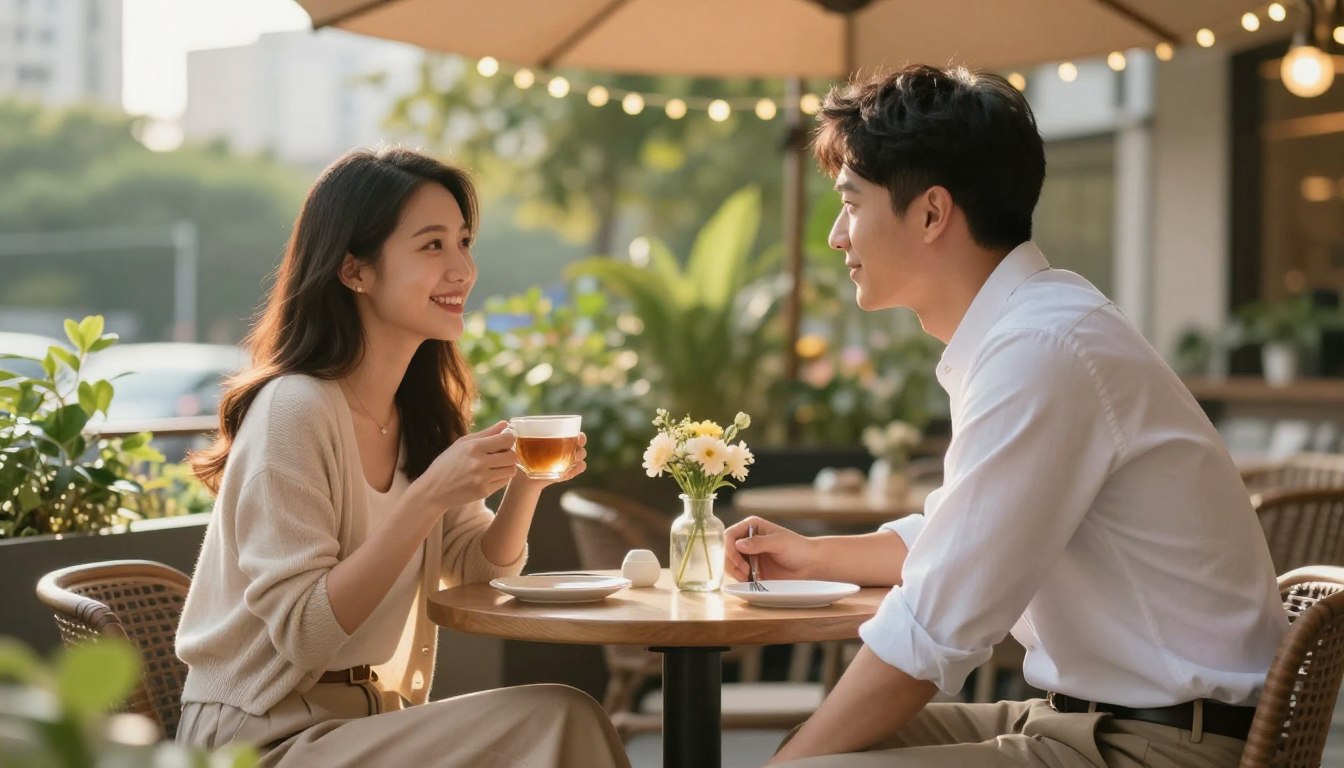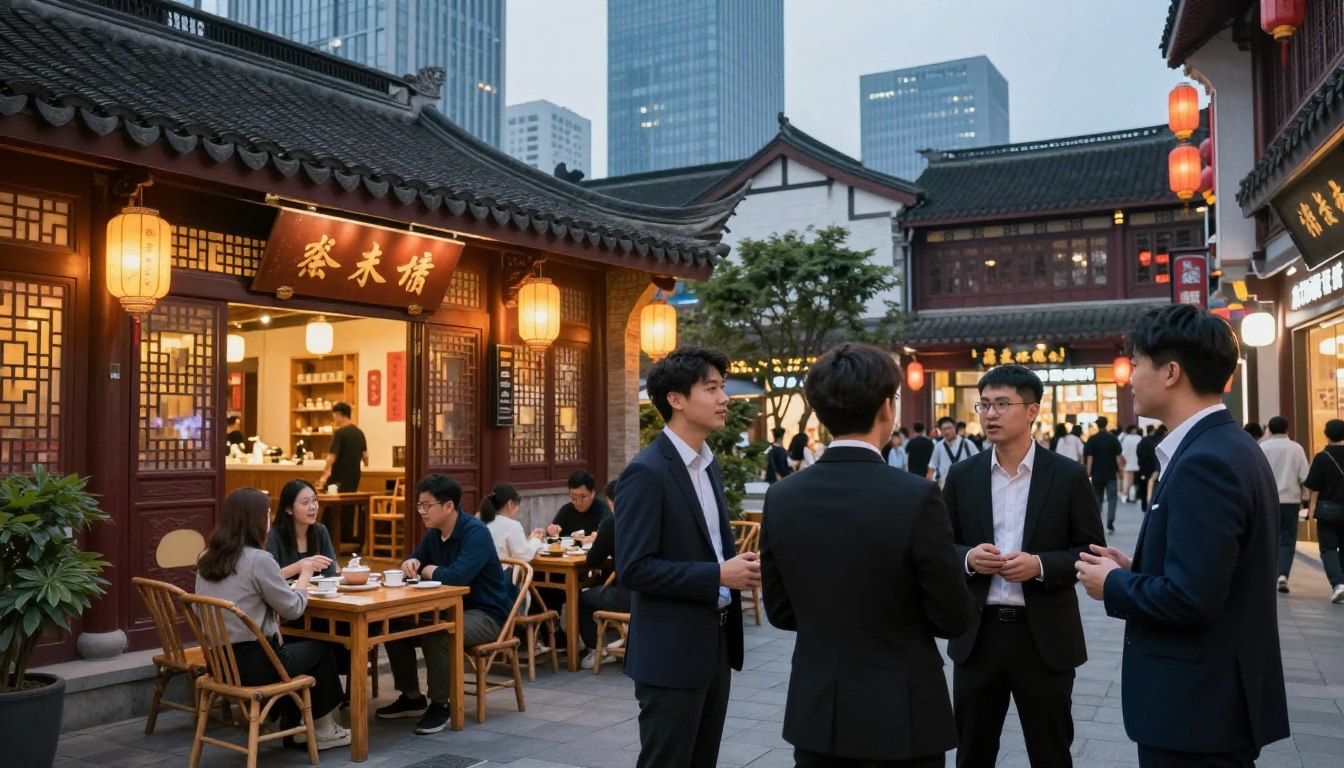
Welcome to this honest look at romantic life in a fascinating part of the world. If you’re curious about relationships here, you’re in the right place.
Stepping into the social scene of a new nation always brings surprises. Your home country shapes your expectations, but local norms can be very different.
This guide pulls from real stories and personal observations. We aim to give you a genuine peek at how connections are formed today.
Remember, not everyone follows the same path. Individual experiences with chinese dating will always vary.
We’ll explore everything from time-honored customs to modern app-driven trends. Think of this as a friendly chat about the joys and challenges you might face.
Understanding these cultural differences can make your journey smoother. It also helps you appreciate the deep values behind local relationship practices.
Unpacking Dating Culture In China
The journey from a simple introduction to a committed partnership can be remarkably swift.
For many locals, the idea of casual, non-committal outings is largely unfamiliar.
Understanding Core Customs and Norms
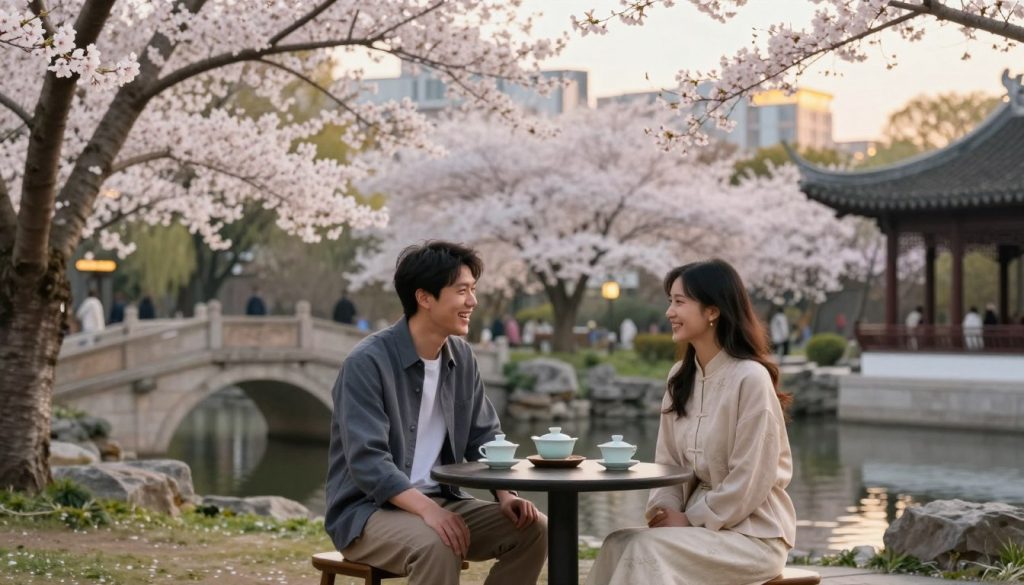
After a successful first date, couples often assume they are exclusive.
The official boyfriend/girlfriend status is often presumed without discussion.
This norm reduces ambiguity but can feel intimidating for newcomers.
Understanding these expectations helps prevent unintentional hurt feelings.
East Meets West: Differences in Dating Practices
Western societies usually have three clear stages: meeting, casual dating, and commitment.
Here, the middle phase is frequently skipped entirely. Even in urban areas, traditional views remain strong.
Romantic pursuits are generally undertaken with serious, long-term intentions.
Clear communication from the start is crucial to align expectations and navigate this unique landscape.
Traditions and Etiquette: The Old and New Chinese Dating Practices
Long before modern apps, a complex system of formalities guided every step toward marriage. This framework reflected the deep importance of family and social harmony.
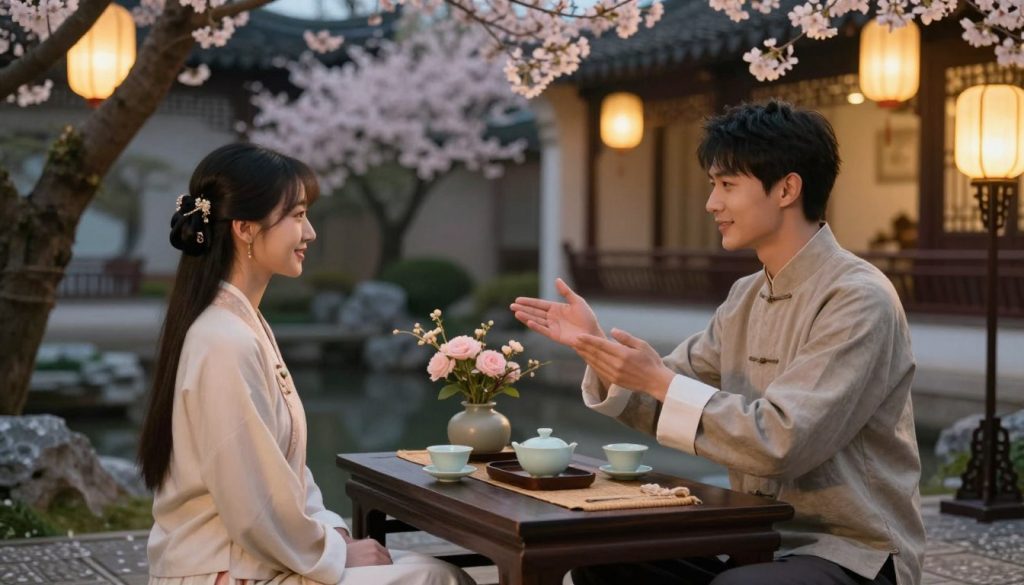
Exploring the Three Letters and Six Etiquettes
The ancient practice, known as sān shū liù lǐ, provided strict guidelines. It involved Three Letters to formalize intent and Six Etiquettes to navigate the process.
Each step was crucial. A matchmaker would first approach the bride’s parents for permission.
Fortune tellers then analyzed birth details for compatibility. Lavish gift exchanges demonstrated love, respect, and a family’s wealth.
From Matchmakers to Modern Romance
These unions were often business partnerships between families. Individual choice took a back seat for a long time.
A lot has changed with Western influence and technology. Yet, core values like family approval still shape the way relationships form today.
Understanding this history offers essential context for contemporary dating etiquette.
The Role of Family and Social Expectations in Chinese Relationships
The influence of family on personal relationships reaches a level that might surprise outsiders. It’s not just about getting advice. Approval from parents is often essential for a partnership to move forward successfully.
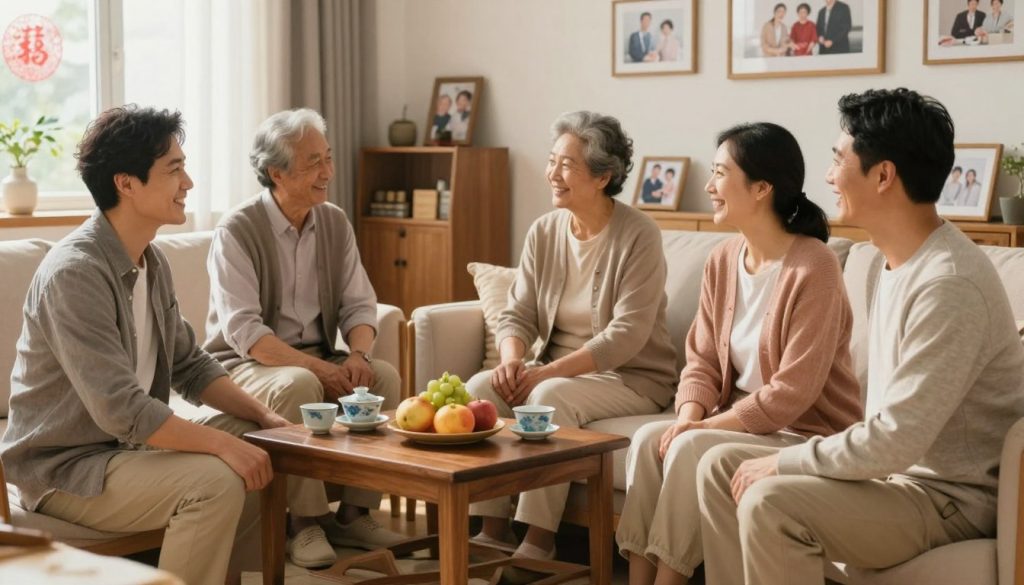
Parental Involvement and Arranged Elements
There is immense social pressure to marry and start a family. This shapes the entire approach to romance. Friends and extended networks often join in the催促.
You might see public markets where parents gather with photos of their adult children. They are actively seeking matches. This practice highlights how collective the search for a partner can be.
Chinese men are typically raised to deeply respect their parents, especially their mothers. A mother’s disapproval can be a major hurdle. As one local saying goes,
“Seeking a wife, first seek her mother’s approval.”
When you pursue someone here, you are also pursuing their family. Making a positive impression on them is critical. Their opinion carries tremendous weight for the future.
This involvement isn’t seen as intrusive. It’s a natural extension of deep family values and concern. The resulting pressure creates a fast-paced dating timeline, as singles feel urgency to meet expectations.
Modern Dating Trends: Technology and Dating Apps in China
Digital platforms have fundamentally reshaped how connections are made across the nation. The search for a partner has moved decisively online.
This shift offers a convenient new way meet potential matches. It contrasts sharply with older, family-centric methods.
Overview of Popular Chinese Dating Apps
TanTan dominates the scene, often called the “Chinese Tinder.” Its swipe-based interface is familiar to millions.
Momo was the original pioneer in this space. It has evolved from its early reputation.
For those seeking serious commitment, Baihe requires extensive life verification. Another platform, Blued, serves the LGBTQ+ community with a focus on security.

Online Dating Versus Traditional Meetups
In busy cities, these dating apps are now the primary tool for romance. They fit into packed schedules where people have little free time.
Rural areas still see more family introductions. Yet, the convenience of a chinese dating app is undeniable everywhere.
For foreigners, swiping can be a fun way to practice language skills. However, the rise of online dating hasn’t erased deep-seated expectations about marriage and family approval.
The Fast Pace of Chinese Dating: Pressure, Conversation, and Early Commitments
Expectations about the future can surface almost immediately when you meet someone new. This rapid progression is one of the most surprising elements for outsiders.
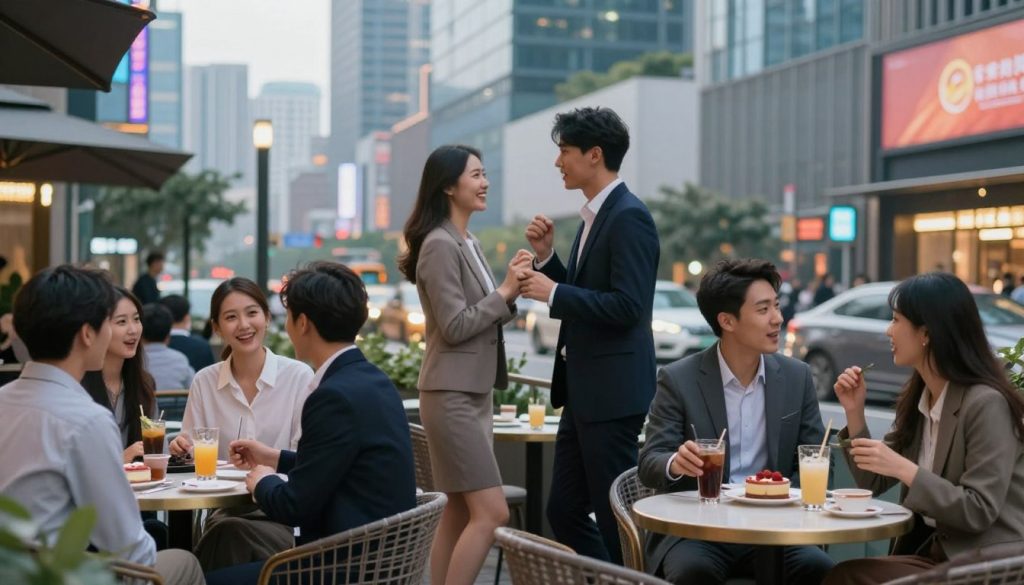
In Western contexts, bringing up marriage or kids on a first meeting is often seen as taboo. Here, it’s a common and practical part of evaluating compatibility.
Navigating Quick Escalations and Commitment Talks
These conversations aren’t one-off events. Topics like starting a family may recur daily, reflecting deep-seated life goals.
For many locals, finding a spouse and having children is a central ambition. It’s tied to family pride and personal fulfillment.
This mindset creates a fast-paced timeline. There’s little room for casual exploration or ambiguity.
If you’re not at that stage, honesty is key. Clearly communicate your own timeline to align expectations.
Understanding this difference in pacing helps prevent misunderstandings. It ensures both people are on the same page from the start.
Unique Aspects of Culture: Gift-Giving, Matching Outfits, and Public Displays
Material expressions of affection take on a particularly significant role in romantic relationships here. Three unique practices often stand out to visitors.
These customs reveal deep values about commitment and emotional expression.
Symbolism Behind Gifts and Matching Outfits
Giving presents is a primary way to show love. Lavish, brand-name items are common.
The number and quality of gifts signal serious intent. They represent a partner’s ability to provide.
Another visible tradition is couples wearing identical matching outfits. Called qínglǚ zhuāng, these sets are sold everywhere.
Some find this practice adorable fun. Others see it as overly demonstrative. It lets pairs broadcast their bond to the world.
Public Displays of Affection and Conflict
Unlike in some Western societies, disagreements here are often very public. Chinese people tend to express emotions openly and immediately.
You might see partners arguing loudly on the street. Emotional outbursts or dramatic exits are not unusual.
The “silent treatment” is rare in this culture. Direct confrontation is the preferred method to resolve issues.
Understanding these aspects helps navigate the local landscape of dating. It shows how love and conflict are visibly expressed.
Challenges and Cultural Differences When Dating Chinese People
One of the most immediate shocks for foreigners involves contrasting views on personal space and digital boundaries. These differences can feel jarring at first.
Handling Phone Usage and Privacy Expectations
You might notice a relaxed attitude toward phone privacy. Many local partners view glancing through each other’s devices as normal, not suspicious.
In Western contexts, not looking at a phone demonstrates trust. Here, it’s often just a habitual thing. It stems from different values around transparency.
If this makes you uncomfortable, a calm explanation works best. You can say, “I understand this is common here, but from my home, privacy means trust.”
Another adjustment is the directness about appearance. Comments on weight or hairstyle are often meant as casual observation, not cruelty.
This openness isn’t for everyone. If you’re sensitive, try not to take it personally. It’s a communication style difference, not a personal attack.
Whether you’re with Chinese men or women, clear talk about your boundaries is key. You can bridge these gaps with patience and understanding.
Cultural Adaptation: Turning Differences into Opportunities
Instead of seeing unfamiliar customs as barriers, view them as doors to a deeper connection. This mindset transforms your experience.
What seems strange at first often has a beautiful logic. A man showing he can provide a good home through gifts is a traditional sign of serious intent.
Bridging Cultural Gaps with Open Communication
Open, curious talk is your best tool. Explain your own background and ask about local social codes.
For instance, friends here might openly compete for the same person’s attention. This friendly competition rarely breaks the bond between friends.
In other cultures, this could cause a rift. Here, it’s just part of the pursuit.
Real-Life Stories and Personal Observations
Small gestures also tell a big story. A partner carrying your bag shows care, not that they doubt your independence.
Even a pat on the head is a sweet, endearing touch in this chinese dating culture. It’s like a hug elsewhere.
Let these cultural differences guide your approach with curiosity. The most successful bonds are built on this understanding.
Reflecting on the Journey: Surprising Insights About Dating in China
Ultimately, forming a bond in a new social landscape is an exercise in empathy and learning. This guide has shown how romantic pursuits here often skip casual phases and move quickly toward serious commitment.
Remember, these are common patterns, not universal rules. Every person and partnership is unique. The intense role of family and the pace of life create a distinct rhythm.
Clear, honest talk from the start is the key step. It turns potential frustration into a chance for genuine growth. You learn to appreciate different expressions of love and connection.
Approach with an open mind and a sense of humor. Whether you find a lifelong partner or simply gain new perspective, the experience enriches your understanding of the world.