
Looking for love online is an exciting journey. Many people focus on the profiles and potential matches. They often forget to check the price tag.
The landscape for finding romance has changed a lot. In China, services like Jiayuan and Momo lead the way. Young people now often try eight or more different platforms.
This shift creates a competitive market. Costs can vary dramatically between services. The advertised subscription fee is just the start.
Hidden expenses from VIP memberships and premium features add up quickly. Understanding the true financial commitment matters for your budget and your experience.
You are not alone in this. Millions of users navigate these platforms every day. This guide will break down all the costs, so you can make an informed choice.
Key Takeaways
- The advertised price is often just the beginning of your spending.
- The market has evolved from traditional websites to sophisticated mobile platforms.
- VIP memberships and in-app purchases can lead to significant hidden costs.
- Knowing the full financial picture helps manage both your dating life and your wallet.
- Many people use multiple services to find meaningful connections.
- Cost structures differ greatly between swipe-based apps and interest-focused networks.
- Informed decisions about spending can greatly improve your online experience.
Understanding the Landscape of Chinese Dating Apps
The digital search for companionship in China has undergone a remarkable transformation over the past decade. Early services were often desktop websites. Today, mobile platforms dominate the scene.
https://www.youtube.com/watch?v=onPeNZ0bdMA
Evolution from Traditional Sites to Mobile Platforms
Pioneers like Jiayuan once led the market. Their active user numbers are now declining. Younger generations prefer mobile-first experiences.
Momo showcases this shift perfectly. It rebranded from a niche platform into a mainstream social network. It now blends dating with interest-based communities.
The interfaces have evolved too. Simple profile browsing gave way to swipe-based matching. Sophisticated algorithms and social features are now standard.
Global Appeal and Local Nuances
Some services have a strong international reach. Tantan, for example, serves as a local alternative to blocked global apps. It offers support in both Chinese and English.
Other platforms target the diaspora living abroad. Yet, core cultural nuances remain vital. Many services emphasize family background and financial status verification.
The concept of “saving face” also influences interactions. This blend of global access and local character defines the modern landscape. It shapes how people connect today.
Real Chinese Dating Apps: A Product Roundup
From massive networks to intimate communities, each platform serves a distinct purpose. The choices range from swipe-based giants to personality-driven spaces.
Tantan is the most popular swipe-based service. It boasts over 140 million matches and attracts a younger crowd. Tinder remains a strong option for expats and English speakers seeking quick connections.
For deeper compatibility, look at Momo and Soul. These focus on shared interests and personality tests. They foster communities before moving to private chats.
Many niche services cater to specific groups. Blued serves a large LGBTQ+ user base. 2RedBeans connects the global diaspora. Unique concepts like “Let’s Have Dinner” center dates around meals.
How to Choose the Best App for Your Needs
Your goal is the main guide. Seeking casual dating? Swipe apps work fast. Want a serious partner? Platforms with detailed profiles and verification help.
Consider your location and language skills. Some apps are foreigner-friendly. Others require Mandarin. Matching your intentions to the platform’s strength leads to better matches.
VIP Memberships and Their Hidden Costs
The true expense of using these services isn’t always in the upfront price. Most platforms in China offer a free version with tight limits. These restrictions are designed to encourage an upgrade.
You might get a handful of daily swipes or see blurred profiles of people who liked you. This creates a subtle push toward a paid plan. What begins as a small monthly fee can evolve into a significant yearly cost.

Cost Implications Over Time
Consider a premium subscription for one popular app. A single month seems affordable. Over a full year, that cost multiplies.
If you’re active on several platforms, the total adds up a lot. Features like daily “Super Likes” on Tantan become a recurring expense. This is common across many dating apps china users don’t initially budget for.
Balancing Benefits and Expenses
It’s crucial to weigh what you gain. Does paying to see everyone who liked your profile lead to better date prospects? Some perks, like advanced filters, can be genuinely useful.
Others, like animated profile badges, offer little real advantage. Platforms with pay-to-chat features can quickly escalate spending. Evaluate if the benefits truly improve your experience before committing your funds.
Features That Contribute to the Price Tag
What exactly do you get when you pay for a subscription on these platforms? The answer goes beyond simply removing ads. Paid plans offer a range of tools designed to improve your chances and enhance your experience.
Exclusive Perks and Enhanced Interfaces
Core premium features focus on efficiency. You often gain unlimited daily swipes and the ability to see everyone who liked your profile. Advanced search filters let you narrow potential matches by specific criteria like education or income.
This saves time and targets your search. Priority placement in other users’ feeds is another common perk. It increases your visibility significantly.
Added Value from Premium Features
Many services include unique tools. Real-user face verification adds trust with a blue checkmark. Some platforms allow credit score sharing, which matters in certain cultures.
Interactive features like voice chat rooms and mini-games help break the ice. These create more natural conversations around shared interests. Translation buttons are invaluable for international users.
Evaluating which of these features deliver real value is key. Do they lead to better connections? This helps you decide if the cost is justified for your dating goals.
User Experiences and Reviews of Cost Factors
Reading user reviews offers a crucial reality check on whether premium features lead to real-world connections. Stories from actual members reveal the gap between promise and practice.
Real Stories from App Users
Experiences vary wildly. Tantan users often get many matches, but conversations rarely start. It seems many people use it for validation.
Tinder matches, especially with expats, tend to be more responsive. Soul requires hours of chat, sometimes leading to zero chemistry in person.
Momo has worked on its reputation, but you might still see attention-seeking posts. Blued is praised for quick links but criticized for constant ads.
Platforms like Xiaohongshu need more effort. WeChat’s “People Nearby” feels authentic but has low success rates.
Mixed Reviews on Membership Value
Opinions on paid plans are split. Some singles swear premium tools helped them find a partner. Others feel they wasted money on minor perks.
The consensus is clear. Turning a match into a real date depends more on your effort than your budget. Authenticity wins over expensive features.
| Platform | Common User Sentiment | Perceived Value of Paid Features |
|---|---|---|
| Tantan | Many matches, few replies. | Low; visibility doesn’t guarantee conversation. |
| Soul | Deep chats, unknown physical connection. | Mixed; pays for time efficiency. |
| Momo | Less hookup-focused, some attention-seekers. | Moderate; filters can help find serious users. |
| Blued | Great for community, heavily commercialized. | Low; constant upselling frustrates people. |
Cost Breakdown: Comparing VIP Memberships
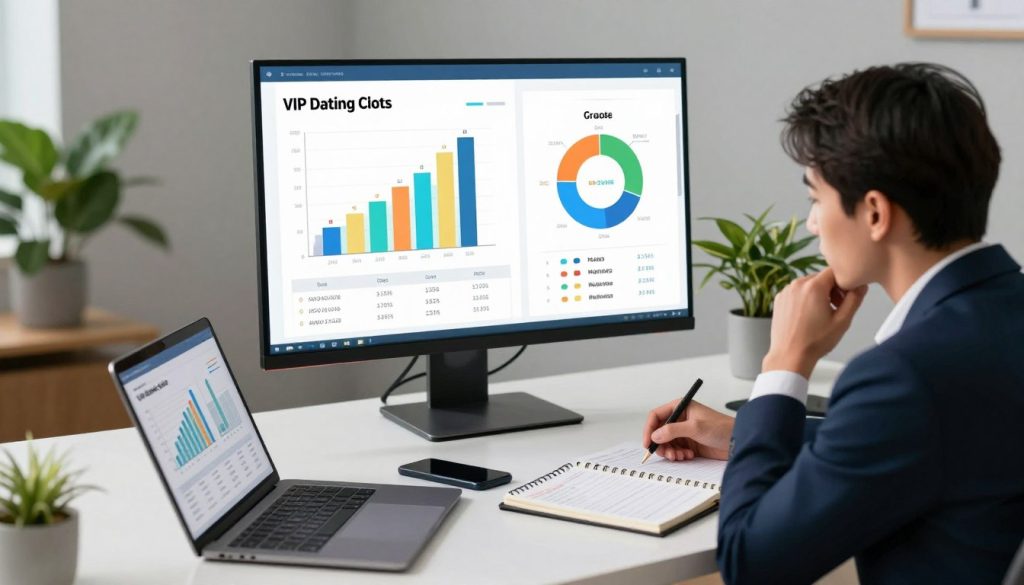
A clear cost breakdown reveals how quickly membership fees accumulate. The freemium model means basic use is free, but meaningful interaction often requires payment.
Watching your wallet matters because these subscriptions add up fast. Let’s look at the numbers.
Monthly Versus Annual Subscription Plans
Platforms typically offer monthly, quarterly, and annual plans. Committing for a full year often brings a 30-50% discount versus paying month-to-month.
This pricing psychology makes the quarterly option a tempting middle ground. Yet, the annual plan offers the best value for dedicated users.
| Platform | Monthly Cost | Annual Cost | Estimated Savings |
|---|---|---|---|
| Tantan | ~$15 | ~$120 | ~$60 |
| Momo | ~$12 | ~$100 | ~$44 |
| Soul | ~$10 | ~$80 | ~$40 |
| Blued | ~$8 | ~$65 | ~$31 |
Using just two services can easily cost over $50 per month. That’s more than $600 a year from your dating budget.
Remember, base subscriptions are just the start. Many apps sell virtual coins for features like Super Likes or profile boosts.
These micro-transactions can double your spending. Always calculate the total potential cost before you commit.
Smart Budgeting Tips for Chinese Dating Site Users
Managing your finances while searching for a partner online doesn’t have to drain your wallet. With some clever planning, you can enjoy the experience without overspending. Many users find the free versions of platforms are powerful enough to start.
Always test the no-cost tier of any dating app china you consider. You might discover you don’t need paid features to meet interesting people.

Strategies to Save While Dating Online
Choose your platforms based on your specific goals. For example, use Tinder if you’re an English speaker seeking quick connections. Tantan offers strong local reach.
Focus your energy on just one or two services. Spreading yourself thin across many apps multiplies costs without better results. This option saves both money and time.
Be strategic about subscriptions. Only pay during active search periods. Cancel before auto-renewal dates to avoid charges.
Maximize every free feature first. Craft a compelling profile to attract matches without paid boosts. Use daily swipe limits wisely.
“I saved over $200 last year by using free trials and moving conversations to WeChat quickly. The money didn’t change my success rate.”
— A frequent app user
Move promising matches off the app and onto free messaging services soon. This avoids paying for extended in-app chat features. It can save a lot if you go on many dates.
| Strategy | How It Saves Money | Best For |
|---|---|---|
| Use Free Trials | Tests premium features without commitment | New users exploring platforms |
| Focus on One Platform | Cuts multiple subscription fees | People seeking serious dating |
| Leverage Free Social Features | Uses tools like WeChat’s People Nearby | Organic connection seekers |
| Selective Premium Upgrades | Pays only for useful filters or boosts | Budget-conscious apps users |
How Cultural Trends Influence App Costs
Behind every premium feature and subscription fee lies a story shaped by tradition and modern life. The design and pricing of popular chinese dating platforms are deeply rooted in local values.
Family background and financial stability remain key. Many services offer verified income and education badges. Users willingly pay for these filters because they align with long-standing partner selection priorities.
Changing Preferences in User Behavior
The post-90s generation approaches connections differently than older people. Younger men and women often prioritize shared interests and personality over traditional markers.
This shift drives demand for new features. Niche platforms like Hesha, focused on wine culture, thrive. China is the world‘s largest red wine consumer, with 130 million enthusiasts.
Urban professionals face time pressures. They value efficiency tools that streamline finding a match. The cultural emphasis on “saving face” also matters.
Discreet premium options let users search actively while maintaining dignity. Over the years, mobile payment comfort has made people more willing to pay for digital services. This cultural context explains the unique way these apps are built and priced.
The Future of Dating Apps and Pricing in China
Emerging trends point toward a fusion of dating with broader digital lifestyles. Platforms are evolving into social interest networks, much like Momo’s transformation.
This shift will redefine how people connect and what they pay for the experience.
Upcoming Trends and Innovations
New verification technologies like face recognition and credit scores are becoming standard. These filters add trust but may increase costs.
Video and voice features are gaining traction, creating richer interactions. Gaming elements, seen in apps like Pengpeng, make the process more engaging.
International expansion continues, with platforms adding English interfaces for expats. Niche services for the LGBTQ+ community are growing but face commercialization challenges.
Expected Shifts in User Spending
Pricing models will move beyond simple subscriptions. Younger users, comfortable with freemium mobile games, may prefer micro-transactions.
We’ll see more pay-per-feature options and virtual goods. The integration of social commerce, following the Xiaohongshu model, creates new ways to monetize.
Economic factors and urban demographics will influence what men and women are willing to spend. Over time, value will be tied to safety, efficiency, and genuine connection.
Conclusion
Your journey to find meaningful relationships shouldn’t come with financial regret. Remember, those monthly VIP fees add up fast. Watching your wallet is just as important as watching for a good match.
Make informed decisions about any platform you use. Choose services that fit your goals and budget. Your success depends more on a genuine profile than a premium account.
Authentic engagement and shared interests lead to better connections. The digital world offers incredible access to singles. With smart planning, you can explore this one exciting part of life without overspending.
Stay optimistic. The right love and great matches are out there. Your careful approach will help you find them.