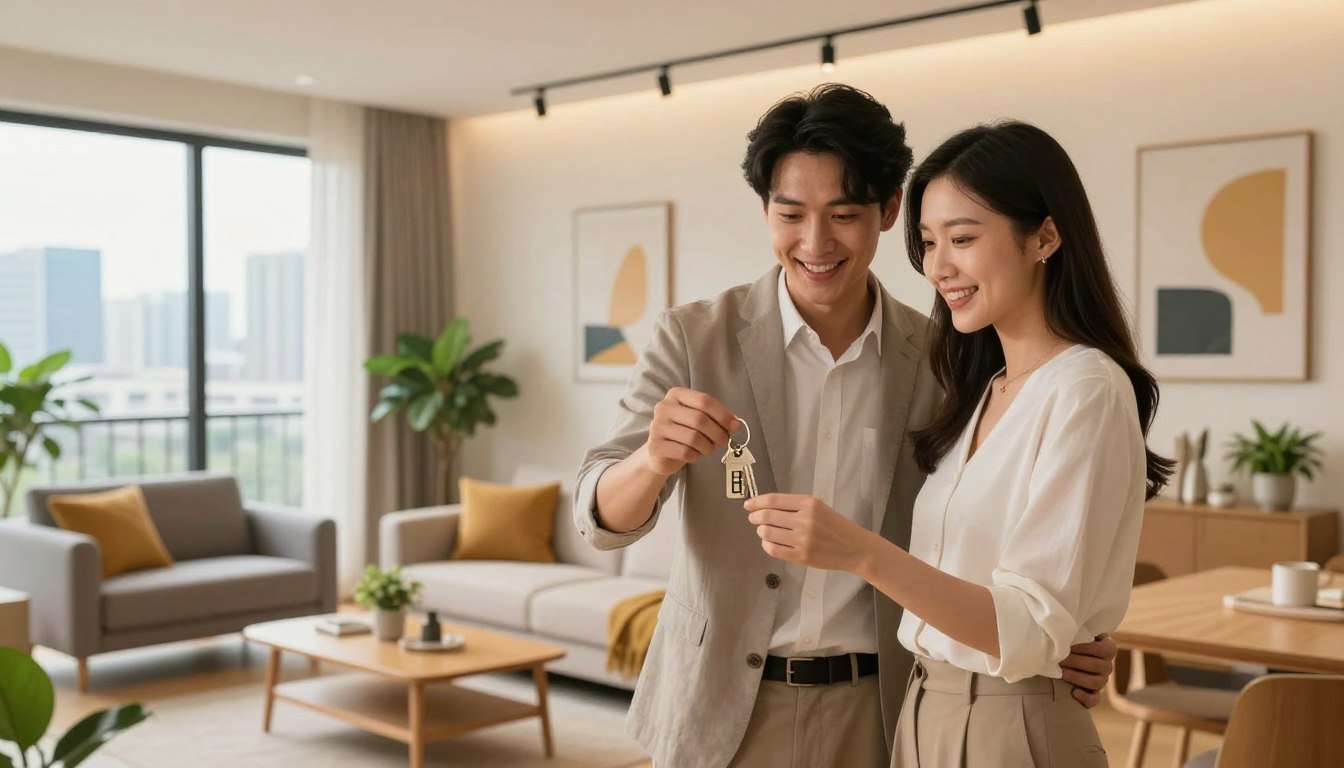
In many places today, securing a place to call your own is a major life goal. But in some societies, it has become much more than that. For countless young adults, owning an apartment or property before tying the knot is now seen as a non-negotiable prerequisite.
This expectation is deeply rooted in family and cultural values. Many parents, especially those with daughters, are hesitant to approve a union if the prospective groom rents. They view ownership as a foundation for a stable future.
The numbers are striking. Surveys show over 70% of singles born after 1995 desire to purchase property prior to marriage. Furthermore, more than 80% of female respondents see owning a home as crucial for wedlock. For many women, a partner’s owned apartment signals readiness.
This isn’t just about having a roof. It’s about security, social standing, and fulfilling family hopes. Marriage and real estate are tightly linked in the minds of many people.
This cultural norm creates real pressure, particularly for young men. They face soaring prices in major cities while juggling personal dreams and societal demands for a stable family life.
Key Takeaways
- Property ownership is often viewed as an essential step before getting married in certain cultures.
- Parental approval for a marriage can heavily depend on whether a potential son-in-law owns a home.
- Surveys indicate a strong majority of young singles and women consider owning a home a key prerequisite for marriage.
- The demand goes beyond shelter, representing long-term security, stability, and social status.
- This expectation places significant financial and social pressure on young people, especially men.
- Navigating high property prices in urban areas adds a major challenge to meeting this life goal.
- Understanding this dynamic is key to grasping modern relationship and family pressures in some societies.
Understanding the Cultural Significance of Homeownership
In certain cultures, the path to marriage is paved with more than just love. It requires tangible proof of security and stability. This deep-seated norm makes owning a home a huge deal.
Historical Perspectives and Bridewealth Traditions
For centuries, unions were secured through bridewealth. A groom proved his worth by offering land, gold, or livestock. This showed his ability to provide for a wife and future family.
Sociologist Sandy To explains the tradition.
“Traditionally, parents of the groom had to pay ‘bridewealth’… to make up for their loss of a daughter… The modern enactment of this was ‘a house’.”
This practice compensated the bride’s parents under patrilocal rules. The woman would live with her husband‘s family.
Modern Social Norms and Marriage Prerequisites
Today, an owned house has replaced traditional gifts. It serves the same fundamental purpose. It demonstrates a man‘s financial capability and commitment.
For many parents, allowing a daughter to marry a man who rents is unthinkable. Renting signals instability. Ownership provides a sense of long-term security for their child’s life.
Most single women internalize this expectation. They see property as a non-negotiable prerequisite for marriage. It’s not about materialism, but about ensuring a stable foundation for the relationship.
This creates immense pressure on young men. Society often judges readiness for wedlock through this single lens.
| Aspect | Traditional Practice | Modern Equivalent |
|---|---|---|
| Proof of Capability | Land, Gold, Horses | Owned Apartment or House |
| Primary Purpose | Show groom’s wealth & compensate bride’s family | Demonstrate financial stability & security |
| Social Expectation | Women “marry up” in status | Property ownership as a key marriage prerequisite |
| Parental Influence | Receive bridewealth | Approve union based on son-in-law’s owned home |
Trends in Buying A House Before Marriage China
Recent surveys provide hard data on just how widespread the expectation of homeownership before wedlock has become. This isn’t just family tradition; it’s a prerequisite actively embraced by the younger generation.
Survey Insights and Research Findings
According to a 2019 survey of over 18,000 singles, more than 70% born after 1995 want to buy property prior to marriage. The perspective of single women is even more definitive.
Over 80% of female respondents saw owning a home as a crucial prerequisite marriage requirement. This shows the demand comes from the individuals themselves.

A 2021 survey by the Beike research institute supports this. About 75% of men women aged 21-40 agreed that to buy home before getting married would boost their sense of belonging and security.
Impact on Relationship and Financial Security
This creates real-world pressure. Many couples delay getting married for years while saving. Some relationships end if the husband cannot meet this expectation.
The drive for a house is both emotional and practical. It provides a stable foundation for a future family and children. People feel it improves their quality of life and represents a tangible asset.
For millions of people, this is a huge deal that shapes major life choices. The trend shows no sign of fading, even as property prices rise.
Economic Realities and the Property Market Challenges
Skyrocketing housing costs in urban centers present a formidable barrier for young couples planning their future. The cultural prerequisite for ownership collides with a market where prices have far outpaced income growth.
Rising Housing Prices in Major Cities
In major cities like Shenzhen and Xiamen, house prices are staggeringly high. For example, the average sale price in Xiamen was 33,779 RMB per square meter in 2020.
Contrast this with the annual urban disposable income of 47,412 RMB. A modest apartment could cost multiple years of total earnings.

In Shenzhen, property values rose about 410% over a decade. A house worth one million RMB ten years ago now costs seven million. This creates an immense squeeze for many young professionals.
Issues with Unfinished Homes and Mortgage Pressures
A unique risk is the pre-pay model. Buyers purchase unfinished homes and start payments immediately. They assume debt for property they cannot yet occupy.
Stalled developments are a growing number. Consider Li, a tech worker. He dedicates a third of his salary to a 4,000 RMB monthly mortgage on an unfinished house in Wuhan.
This system adds financial security worries to an already stressful goal. For men facing parental expectations to own a home before marriage, these economic realities make the dream incredibly difficult to achieve.
Navigating Parental Expectations and Financial Pressures
For countless couples, gaining parental blessing for marriage hinges on meeting a critical financial benchmark. This often means owning a home. For many parents, allowing a daughter to wed a man who rents is unthinkable.
The Role of Parental Approval in Marriage Decisions
Yufei Liang, a social worker, borrowed money from friends to purchase a flat. He did this to satisfy his girlfriend’s family. “My wife’s parents hope she finds a husband who owns property and has a stable job,” he said.
They believe this guarantees a better life. This expectation is a non-negotiable prerequisite for many.

Intergenerational Assistance and Familial Support
The financial pressure spreads across generations. Elvis Fan, a programmer, could only afford one-fifth of a deposit. His parents considered selling their own home to help him.
This intergenerational support is common. Families pool resources to meet this marriage prerequisite.
Balancing Modern Aspirations With Traditional Values
Many young people feel caught between modern dreams and traditional rules. A survey found over half buy a house so their children can attend good schools.
This is due to the Hukou system linking school admission to residence area. The pressure on young men is intense. They must prove stability for future family security.
| Stakeholder | Primary Concern | Typical Action | Common Outcome |
|---|---|---|---|
| Parents | Daughter’s long-term stability and security | Insist on property ownership before approving marriage | Delayed wedding until financial prerequisite is met |
| Young Men | Meeting parental expectations to secure relationship | Save aggressively, seek family loans, or delay proposal for years | Significant financial and emotional stress |
| Young Women | Balancing personal relationship desires with family wishes | Support partner’s saving efforts while navigating parental pressure | Relationship strain if the goal seems unattainable |
Conclusion
Achieving the dream of homeownership prior to wedlock remains a defining struggle for an entire generation. The cultural prerequisite linking an owned apartment to marriage shows little sign of fading.
Many parents still hesitate to approve unions where the groom rents. This creates real barriers for relationships and life timelines.
Soaring prices in major cities make this goal increasingly difficult. Economic pressures and high housing costs challenge many young professionals.
The future of this custom is uncertain. Declining marriage rates and urban growth may reshape traditions. Yet, the number of people affected is vast.
This norm profoundly impacts family finances and personal security across society. It remains a huge deal with deep roots and complex consequences.