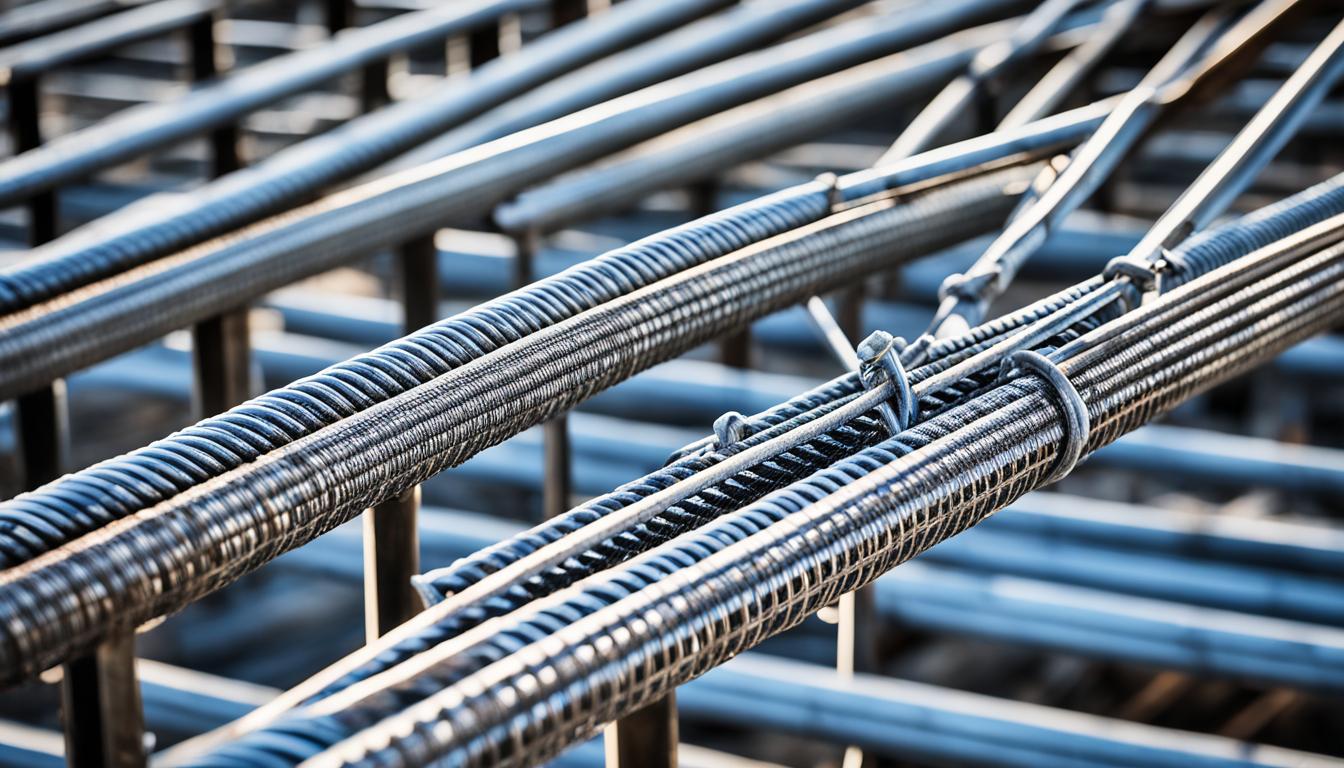
Concrete is known for being fireproof, easy to use, and durable. However, it has a major flaw: it’s not great under tensile stress. While it’s good at withstanding compression and shear stress, its ability to handle tension is only 10-15% of its compression strength. This makes it likely to crack under tension. That’s where rebar steps in.
Rebar, or reinforcing bar, is mainly made of steel and tackles this issue by boosting concrete’s tensile strength. Rebar works with concrete, forming a stronger material. It allows for early signs of stress through visible cracks. This is better than concrete alone, which can unexpectedly fail. Concrete with rebar can handle nearly twice the stress before breaking, compared to concrete without it. It stays tough, even when there are small cracks.
Reinforcement is key for concrete used in high-load areas. Even small projects benefit from rebar, as it lessens cracking and makes the concrete more durable. Choosing the right type of reinforcement, like heavy rebar or welded wire fabric, depends on the project’s specific needs and structural requirements.
Key Takeaways
- Concrete is strong in compressive but weak in tensile stress.
- Rebar significantly enhances concrete’s tensile strength.
- There are 8 main types of rebar, each serving different use cases.
- Stainless steel rebar is highly resistant to corrosion but costly.
- Proper reinforcement ensures durability and reduced cracking in concrete structures.
Importance of Rebar in Concrete Construction
Concrete is known for its great ability to push against forces. But, it’s not good at dealing with tension or stretching forces. Because of this imbalance, there’s a need to add reinforcing steel, called rebar. This helps concrete structures stand strong. Without rebar, concrete wouldn’t handle the different stresses it meets in construction well.
Understanding Concrete's Weaknesses
Concrete is really strong when squeezed but not when pulled or bent. This weakness can make structures crack, especially when the load is too much for its tensile (or bending) strength. By adding rebar, these weaknesses are reduced. Rebar takes on the bending stresses. This helps prevent cracks and keeps buildings and infrastructures stable.
Role of Rebar in Reinforcing Concrete
Rebar is crucial for making concrete stronger, especially in tension. It’s like mixing steel with concrete to make a tougher material. This mix can handle more bending and weight. It makes construction projects more reliable. Rebar helps structures carry heavier loads, stay in shape, and handle stress better.
Rebar is key for a building’s durability and safety. It allows for design flexibility, making sure various shapes and sizes are possible. It also ensures that buildings meet safety and building codes. Plus, some rebars, like stainless steel ones, resist rust. This is great for wet or corrosive places. The use of rebar in construction is indeed important.
Types of Rebar
Picking the right type of steel to reinforce concrete structures is key. Each type has its own advantages and is best for certain projects.
Carbon Steel Rebar
Carbon steel rebar, known as “black bar,” is widely used because it’s strong and not too pricey. But, it can rust in places that are very wet. This rusting can lead to cracks in the concrete and make buildings weaker.
Epoxy-Coated Rebar
Epoxy-coated rebar is great for fighting rust. It’s almost 1,700 times better at resisting rust than non-coated steel. This is super important in places with lots of saltwater or moisture. Still, the protective epoxy layer can get damaged if you’re not careful when moving or installing it.
Galvanized Rebar
Galvanized rebar has a zinc coating. It’s about 40 times more resistant to rust than the black rebar. This type is more costly, but it lasts longer and needs less upkeep, even though it’s pricier than epoxy-coated rebar by about 40%.
Stainless Steel Rebar
Stainless steel rebar is top-notch for avoiding rust. It’s 1,500 times more rust-resistant than black bar. With at least 11% chromium, it’s perfect for wet places. Even though it costs more, its durability and resistance to damage are worth it for certain building needs.
Glass-Fiber-Reinforced-Polymer (GFRP) Rebar
Glass-fiber-reinforced-polymer (GFRP) rebar doesn’t rust and is very strong. It’s an excellent choice when rust is a big worry. However, it’s about twice as expensive as epoxy-coated rebar, something to think about if you’re watching your budget.
Grades of Rebar
The kind of rebar is key in figuring out if it fits different building projects. This is based on its specifications and strength to endure stretching or bending. Rebar grades show how strong they are in tension, with Grade 40, Grade 60, and Grade 75 being top picks for various structures.
Grade 40 Rebar
Grade 40 rebar is perfect for less big projects and homes. It has a yield strength of at least 40,000 psi and a tensile strength of at least 60,000 psi. You can tell it apart by yellow paint on its ends. It fits well with usual building rules and offers good support at a lower cost.
Grade 60 Rebar
Grade 60 rebar is chosen for bigger projects like commercial buildings, bridges, and roads. It strikes a good balance between performance and price. This grade has a yield strength of 60,000 psi and a tensile strength of 90,000 psi. Its green paint makes it easy to spot on construction sites.
Also, Grade 60 rebar is often the go-to choice, following ASTM A615. This guideline sets yield strengths at 40 ksi, 60 ksi, and 75 ksi.
Grade 75 Rebar
Grade 75 rebar suits the most demanding jobs like tall buildings. With a yield strength of 75,000 psi, it’s very good at resisting bending and stretching. It’s best for skyscrapers and huge buildings.
Its high yield strength leads to smaller foundations. This helps increase the rentable space in tall buildings.>
Picking the right steel grade is crucial for a project’s structural integrity. It must meet building standards for durability and safety. Knowing about different rebar types helps in making wise choices for any building project.
| Grade | Yield Strength (psi) | Tensile Strength (psi) | Common Uses |
|---|---|---|---|
| Grade 40 | 40,000 | 60,000 | Small-scale projects, residential constructions |
| Grade 60 | 60,000 | 90,000 | Commercial buildings, bridges |
| Grade 75 | 75,000 | High-load applications | High-rise buildings, heavy-duty structures |
Choosing the Right Size of Rebar
Picking the right rebar size is key for strong, enforced concrete. Knowing the standard sizes helps builders decide wisely, making buildings last longer and stronger.
Standard Sizes
In the U.S., rebar sizes are numbered from #3 to #18, showing their size in eighths of an inch. For instance, #3 rebar is 3/8 inch thick, and #18 is 2 1/4 inches thick. Each size fits different building needs and how much weight they hold.
The weight of rebar sizes varies a lot. A #3 (8mm) rebar weighs around 0.376 Kg/m, but a #18 (57mm) rebar is about 13.67 Kg/m. The bigger the rebar, the less you get per tonne, which matters for planning and ensuring you have enough for your project.
Applications Based on Size
Rebar size depends on a project’s structural needs. Smaller bars, like #3, #4, and #5, are good for homes, supporting walls, columns, and bases without costing too much. They’re just strong enough for lighter loads.
Larger rebars are needed for big projects. For commercial sites and bridges, #8 or #11 rebar is used to handle more stress and support more weight. These bigger bars help keep buildings safe and standing strong.
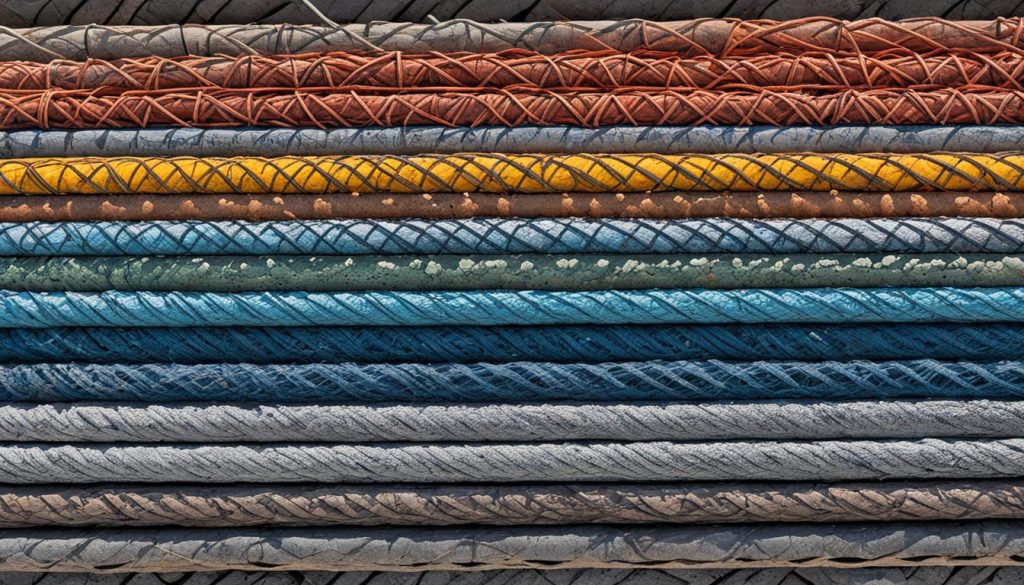
Knowing which bar size to use is crucial. It ensures buildings are safe and last long. And it helps with budgeting and using materials wisely. By choosing the right rebar size and grade, engineers and builders make durable, reliable structures.
New Technologies in Rebar
Rebar technology is always getting better, which is great news for building things. New types of rebar make concrete structures more durable and efficient. This means buildings last longer and we use less resources.
Innovations in Material Science
Scientists have made rebar even better than before. For example, there is glass fiber-reinforced polymer (GFRP) rebar. It’s much lighter than steel but stronger.
There’s also cool stuff like nanotechnology being used to make rebar last longer. This has worked well in projects in places like Singapore and Australia. Using these new rebar materials helps build things in a way that’s better for our planet.
Advanced Manufacturing Techniques
3D printing rebar is changing how we build things. It lets builders create exactly what they need, which saves on materials. Projects like bridges in Madrid and buildings in Dubai have used this tech successfully.
Robots like TyBot are also making construction faster.They can work with a lot of rebar very quickly, making big projects easier to do. This helps workers a lot and makes building faster.
Thanks to these new methods, building with rebar is getting more innovative and eco-friendly. Smart rebar, which can tell us if there’s a problem, is another awesome development. This tech keeps buildings safe and reduces the need for repairs.
Carbon Steel Rebar and Its Uses
Carbon steel rebar is a key player in many building works because of its flexibility, strength, and affordability. It sticks well to concrete, making buildings last longer and stay stronger. It’s mostly made from recycled metal, up to 97%, which shows it’s good for our planet.
Common Applications
Carbon steel rebar is used everywhere from homes and shops to big infrastructure projects. It’s a favorite among engineers and builders because it’s cost-effective. It also has a minimum yield strength of 60ksi, meeting strict construction standards and providing strong support.
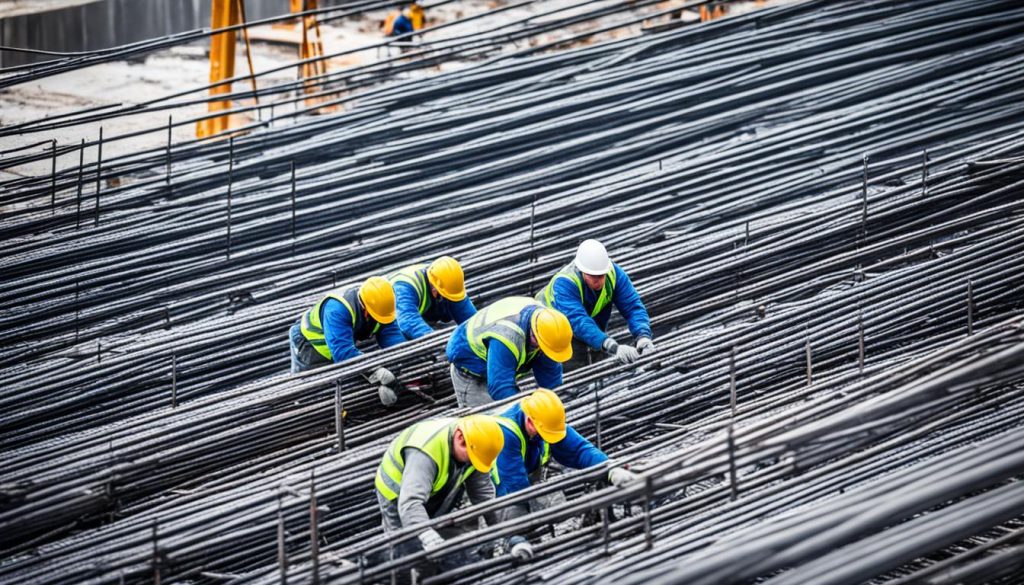
Benefits of Carbon Steel Rebar
Carbon steel rebar stands out for being economical. While it can rust, applying epoxy or galvanizing it can help. Epoxy adds a corrosion barrier at a low cost but must be handled with care. Meanwhile, zinc coating through galvanizing boosts its strength against corrosion.
Additionally, this rebar is strong and user-friendly, making it versatile for different projects. It offers great structural support, making it a crucial part of building reinforcement. Knowing these advantages helps builders choose the best option for their projects and budget.
Installation Tips for Rebar
To make concrete structures strong and safe, installing rebar correctly is key. It’s important to follow the right construction steps. This way, buildings will be sturdy and safe, thanks to proper rebar placement and securing methods.
Rebar Placement Techniques
Firstly, it’s important to know the structure’s design and specs before you start putting in rebar. For walls, you should place rebar vertically every 48 inches and horizontally 16 inches apart. This keeps the reinforcement consistent.
In complex cases, a specialist might need to shape the rebar, like for beams or foundation walls. To keep rebar in place, we use different tying methods like snap ties and figure 8 ties. Also, rebar should be arranged in a grid pattern with even spacing up and down and side to side.
Safety Practices During Installation
Safe handling and lifting of rebar is very important. For big projects, cranes might be needed to move rebar to spots that are hard to reach. Putting caps on the rebar’s exposed ends can help avoid accidents during installation.
Checking the installation thoroughly before pouring concrete makes sure everything is right and avoids any issues with the structure. Keeping up with good maintenance like sealing and checking for wear helps keep the building safe too.
| Rebar Placement | Recommended Spacing | Techniques |
|---|---|---|
| Vertical in Walls | Every 48 inches | Tightly twisted tie wires |
| Horizontal in Hung-Walls | Every 16 inches | Use of rebar caps |
| Grid Pattern | Equal vertical and horizontal spacing | Snap ties, figure 8 ties |
Durability and Maintenance of Rebar
The lifespan of a structure depends on how long its rebar lasts. Things like the weather, the quality of the materials, and any damage can influence its durability. It’s crucial to look at how rebar corrosion starts and spreads over time.
Factors Affecting Durability
How quickly concrete around rebar gets damaged can affect when corrosion begins. If there’s too much chloride, it can start corroding the rebar by harming its protective layer. Design codes in Europe say you must think about corrosion early on to protect the rebar.
Different materials like epoxy-coated, stainless steel, and galvanized rebar react differently to corrosion. They work better in varying conditions.
Maintenance Guidelines
To keep structures strong, it’s important to regularly check for early signs of damage. These checks help in keeping the structure safe for longer. Arranging rebar properly helps share the load and prevent cracks and failures. Choosing the right type of rebar and where to put it is key to avoiding future problems.
Looking after your rebar might mean fixing any corrosion or replacing damaged parts. Using materials that resist corrosion helps, especially in places with lots of moisture or chemicals. Using rebar helps concrete hold up better, cutting down on the need for lots of maintenance or rebuilding later
Exploring Rebar Alternatives
Seeking better reinforcement options, we’ve found exciting alternatives to traditional steel rebar. These alternatives use advanced materials and construction innovations. They offer unique advantages and meet different construction needs.
Fiber-Reinforced Polymer Bars
Fiber-reinforced polymer (FRP) bars have become a popular choice. They’re great for areas where corrosion is a major concern. FRP rebar resists corrosion well, perfect for sea-related structures and bridges. These bars are much lighter than steel, which makes building easier and cuts down on shipping costs.
FRP bars with carbon fiber (CFRP) are especially strong, beating steel rebar in reinforcements.
Welded Wire Fabric
Welded wire fabric is another good choice, though it’s not as strong as steel rebar. It’s less expensive, fitting for projects that don’t need to support heavy loads. This fabric works well for parts of buildings that don’t require a lot of tensile strength. Using less steel helps make projects more cost-effective and eco-friendly.
It also makes building faster, as it’s quicker to install than traditional rebar. Exploring rebar alternatives like fiber-reinforced polymer bars and welded wire fabric is reshaping the construction world. These materials lead to stronger, more efficient, and greener building techniques.
Conclusion
Steel rebar plays a huge role in making sure concrete buildings last long and stay safe. There are different kinds and grades to meet the needs of various projects. Rebar, which stands for reinforcement bar, increases the strength of precast concrete, letting buildings handle more weight and forces. The industry keeps coming up with new materials and methods to better match the needs of today’s construction, keeping costs and the environment in mind.
Putting rebar in the right place is super important for a building’s strength. If not done right, the strength can fall by up to 20%. The right installation means the building can handle weight evenly, which is very important for office buildings and their foundations. Also, rebar helps prevent cracks from growing and makes buildings more resistant to things like earthquakes and severe weather, making everything built to last.
In construction, rebar is essential for sturdy and long-lasting structures. It helps reinforce concrete, adding to the safety and durability. Rebar is key for any part of a building, such as foundations, columns, and floors. It’s a major part of building well, ensuring that our buildings are safe and strong for many years.
FAQ
Why is concrete weak in tensile strength?
How does rebar help in reinforcing concrete structures?
What are the different types of rebar available?
What do the grades of rebar indicate?
How do you select the right size of rebar for a project?
What new technologies are emerging in the rebar industry?
What are the common applications of Carbon Steel Rebar?
What are the key benefits of Carbon Steel Rebar?
What are some essential tips for installing rebar?
How do environmental factors affect the durability of rebar in concrete structures?
What are some alternatives to traditional steel rebar in construction?
Source Links
- Concrete Rebar: Everything You Need To Know (plus the 8 Main Types) – https://www.gra-rock.com/post/guide-to-concrete-rebar
- Complete Guide to Using Rebar to Reinforce Concrete – https://endura-steel.com/complete-guide-to-using-rebar-to-reinforce-concrete/
- Stainless Steel Rebar for Concrete Reinforcement | Carpenter Technology – https://www.carpentertechnology.com/blog/stainless-steel-rebar-for-concrete-reinforcement
- Why is rebar used in concrete? – Mid Continent Steel and Wire – https://mcswusa.com/why-is-rebar-used-in-concrete/
- What is Rebar and Why Do I Need It In My Next Project? | BN Products-USA™ – https://www.bnproducts.com/blog/what-is-rebar/
- Rebar – https://en.wikipedia.org/wiki/Rebar
- What are the Different Types of Rebar? And Does it Matter? – https://www.bnproducts.com/blog/what-are-the-different-types-of-rebar-and-why-do-types-matter/
- PDF – https://successfulsocieties.princeton.edu/document/3413
- Understanding Rebar Grades, Rebar Sizes, and Rebar Types – https://endura-steel.com/unraveling-the-rebar-mystery-understanding-grades-sizes-and-types/
- The Many Different Rebar Grades and How To Tell Them Apart | BN Products-USA™ – https://www.bnproducts.com/blog/rebar-grades-and-how-to-tell-them-apart/
- Learn All About Rebar-Rebar Sizes, Grades, and Types – https://civilhex.com/rebar-sizes-grade-and-types/
- Rebar Sizes: A Complete Breakdown – https://www.reinforcementproductsonline.co.uk/news/rebar-sizes-explained/
- Rebar Size Guide & Charts: Grades, Types, and Weight Specifications – https://dozr.com/blog/rebar-size-guide-charts
- Browser Check – Update my Browser – https://matmatch.com/learn/material/rebar-sizes
- Guide To Steel Rebar & Its Uses | Service Steel Warehouse – https://www.servicesteel.org/resources/what-is-steel-rebar
- Different types of rebar used in concrete – https://www.okcretesolutions.com/2023/different-types-of-rebar-used-in-concrete/
- Best Practices for Rebar Installation: Ensuring Structural Integrity with Quality Rebar – Guaranteed Supply Company – https://guaranteedsupply.com/best-practices-for-rebar-installation-ensuring-structural-integrity-with-quality-rebar/
- Rebar Reinforcement: Building Stronger and Safer Structures – https://endura-steel.com/rebar-reinforcement-building-stronger-and-safer-structures-with-best-practices/
- How to Tie Rebar: 15 Steps (with Pictures) – wikiHow – https://www.wikihow.com/Tie-Rebar
- Reinforced concrete structures durability – https://en.wikipedia.org/wiki/Reinforced_concrete_structures_durability
- The 5 Crucial Roles of Concrete Rebar – Chenango Supply – https://chenangosupplycompany.com/the-crucial-role-of-concrete-rebar/
- The Essential Role of Rebar in Construction – https://www.buildingtalk.com/blog-entry/the-essential-role-of-rebar-in-construction/
- 5 Alternatives to Steel Rebar – Tampa Steel & Supply – https://tampasteel.com/alternatives-to-steel-rebar/
- Rebar Alternatives: Revolutionizing Reinforcement – Structural Guide – https://www.structuralguide.com/rebar-alternatives/
- Why is Rebar Used in Precast Concrete Structures? – Leading Precast Concrete Manufacturing | Locke – https://lockesolutions.com/why-is-rebar-used-in-precast-concrete-structures/
- Importance of rebar in concrete footings for solid foundations – https://www.jswonemsme.com/blogs/blogs-articles/importance-of-rebar-in-concrete-footings-for-solid-foundations