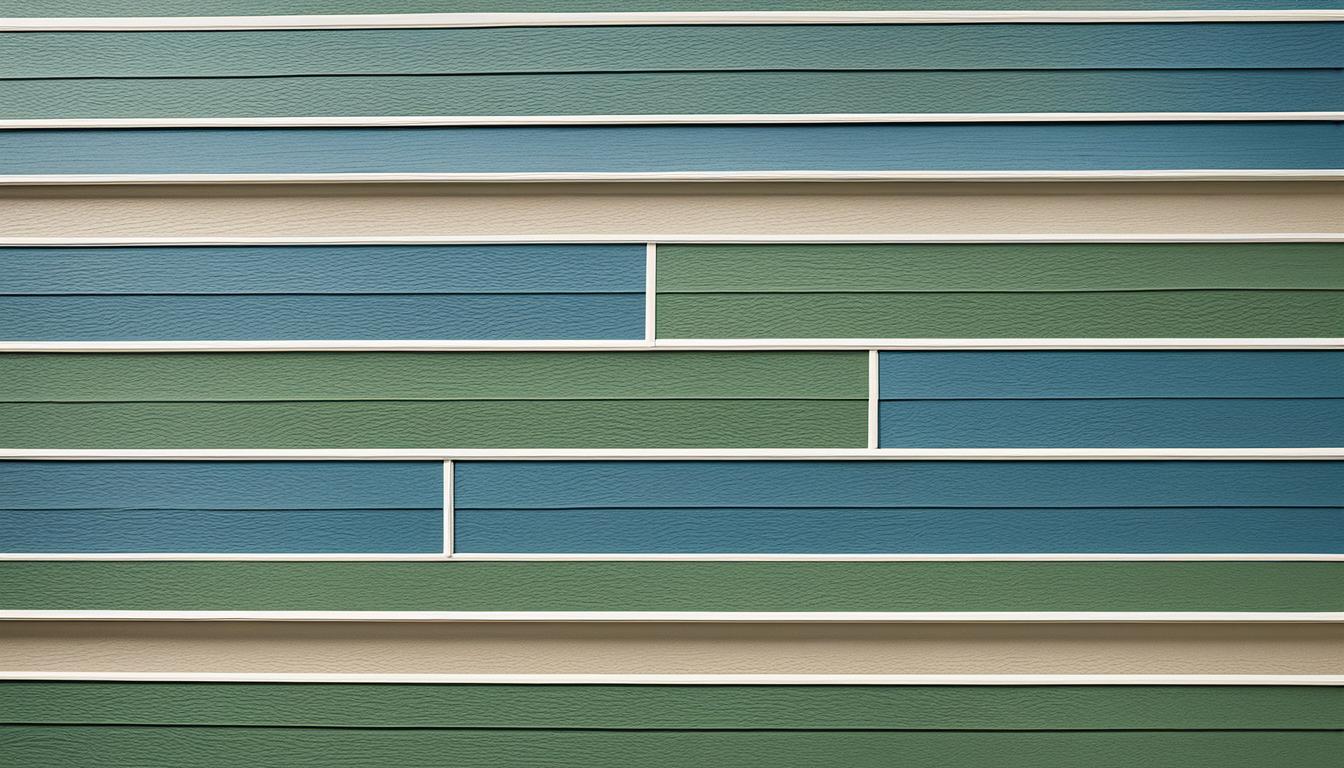
Vinyl siding is becoming a top pick for home siding solutions because of its toughness and low cost. It gives homes a beautiful look, saves energy, and is easy to keep up. It acts like a shield, keeping the home warm or cool, lowering energy bills, and boosting the house’s look and worth.
The cost for installing it ranges from $2 to $7 for every square foot. There are many styles and colors to choose from. They can even look like other materials such as wood but work better. It’s easy to clean, doesn’t fade or rot, making it a wise choice for homeowners.
Key Takeaways
- Vinyl siding is a popular choice due to its blend of durability and affordability.
- It acts as a protective barrier, improving a home’s insulation and energy efficiency.
- With diverse vinyl siding options, homeowners can choose from numerous styles and colors.
- Installation costs are generally between $2 and $7 per square foot.
- Requires minimal maintenance, resisting fading, rot, and damage.
Introduction to Vinyl Siding
Vinyl siding is a top choice for modern homes, known for being attractive, durable, and affordable. Homeowners love its many benefits. This material has become a favorite across the country.
Overview of Vinyl Siding
Vinyl siding doesn’t just protect homes from weather; it also helps save on energy costs. You can pick from many styles and colors to match any house design. It’s loved for needing little upkeep and offering value over time.
Historical Background
Introduced in the 1950s as an alternative to aluminum siding, vinyl siding has a rich history. Over decades, it has improved greatly in strength, weather resistance, and looks. Today, it’s a top pick for covering residential exteriors.
Why Choose Vinyl Siding
There are many reasons to choose vinyl siding. It’s less expensive than options like wood or fiber cement. With many designs and colors, it’s easy to find something you like. It can really make your home stand out.
Benefits of Vinyl Siding
Vinyl siding is a top choice for many homeowners. It’s durable, affordable, and doesn’t need much care. These qualities make it perfect for improving the look of your home.
Durability
Vinyl siding lasts a long time and can handle tough weather. It stays looking good for years. It resists water and bugs, so you don’t have to fix it often.
Affordability
Vinyl siding is great for budgets. It costs less than other types, making it great for many people. Even though it’s cheaper, it still performs really well.
Low Maintenance
Caring for vinyl siding is easy. It just needs simple cleaning to stay looking new. This means you won’t spend much time or effort keeping it nice.
Vinyl siding is a smart pick for updating your home. It lasts long, saves money, and is easy to keep up.
| Benefits | Description |
|---|---|
| Durability | Resistant to harsh weather, moisture, and pests. |
| Affordability | Lower cost compared to other siding materials. |
| Low Maintenance | Requires only simple and occasional cleaning. |
Types of Vinyl Siding
Looking to boost your home’s outside look? Vinyl siding has many good-looking and flexible options. Whether you prefer classic or modern styles, the right vinyl siding can make your home look great. It’s also durable and easy to keep up.
Lap Siding
Lap siding is beloved for its classic horizontal look. It offers a timeless beauty for your home. This style is all about elegance and simplicity, making your house look great without much fuss.
Shake and Shingle
Want a textured, countryside vibe? Check out vinyl shake siding. It looks like cedar shakes but without the need for constant care. Your home gets a cozy, stylish look that stands out.
Vertical Siding
Vertical siding gives a home a modern, distinct look. It makes a house look taller and more elegant. Plus, it’s weather-resistant and easy to maintain, mixing style with practicality.
| Type | Style | Benefits |
|---|---|---|
| Lap Siding | Horizontal | Classic, elegant appearance |
| Vinyl Shake Siding | Textured | Rustic look, low maintenance |
| Board and Batten (Vertical Siding) | Vertical | Modern aesthetic, makes home appear taller |
Cost of Vinyl Siding Installation
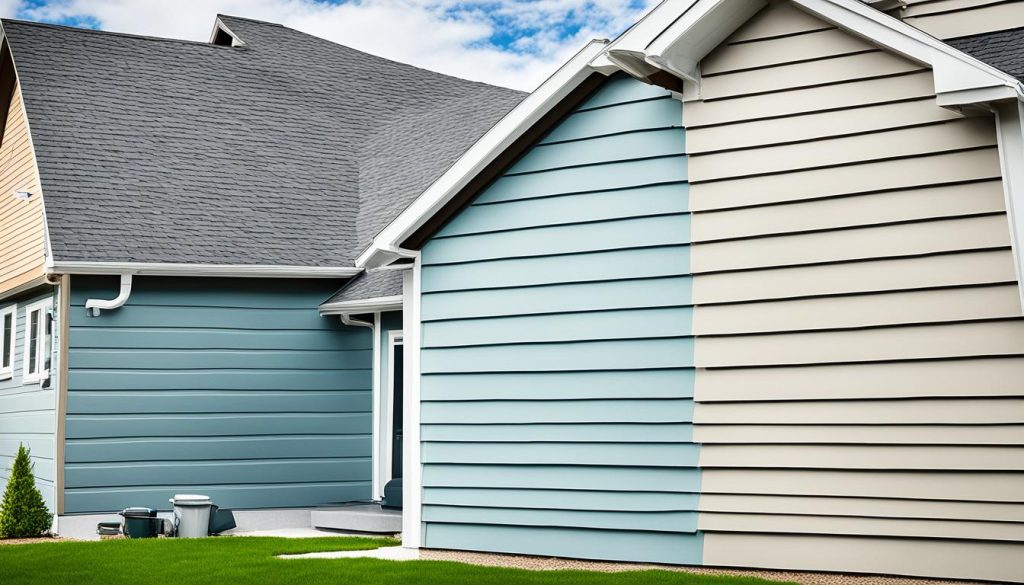
Knowing the vinyl siding installation cost is key for homeowners who want to improve their home’s look with affordable siding installation. We will look into what affects these costs, show average price ranges, and offer tips to save money and add value.
Factors Influencing Cost
Several siding cost factors affect the final cost of vinyl siding:
- Size and shape of the home
- Location and regional pricing differences
- Need for removal of old siding
- Type and quality of vinyl siding
- Labor charges and contractor fees
Cost-Effective Tips
To achieve an affordable siding installation, consider these smart strategies:
- Compare multiple contractor quotes to find the best deal.
- Opt for standard-sized materials to reduce customization costs.
- Stay informed about sales and discounts.
By following these tips and understanding the siding cost factors, you can keep your budget in check. This ensures a quality siding job without breaking the bank.
Performance of Vinyl Siding in Different Climates
Vinyl siding stands up well to different weather conditions. This makes it a top choice for homeowners everywhere. It is both long-lasting and flexible. This helps keep homes safe and cuts down on energy costs.
In Cold Climates
Cold climates test vinyl siding’s strength and stretchiness. This climate-resistant siding can handle changes in temperature. It won’t crack or bend out of shape. Plus, vinyl’s insulation keeps heat in. This makes homes more energy-saving during the cold months.
In Hot Climates
Hot climates bring the sun’s UV rays and high temperatures. Vinyl siding fights off the sun to avoid losing color or quality. It stretches with the heat without losing form. This shows how vinyl stands up to extreme weather. It keeps looking good and stays strong, offering a lasting fix for hot-weather homes.
In Humid Climates
Moist air can trouble many materials, but not vinyl siding. It pushes away moisture, which is key in humid places. This climate-resistant siding stops mold and mildew from growing. Better air inside and less need for air conditioning means more energy savings. From cozy warmth to moisture blocking, vinyl siding does it all.
| Climate | Performance Features | Benefits |
|---|---|---|
| Cold Climates | Temperature fluctuation tolerance, energy-efficient insulation | Prevents cracking, maintains warmth |
| Hot Climates | UV-resistant, flexible | Prevents fading, withstands thermal expansion |
| Humid Climates | Moisture repellence, mold prevention | Prolongs durability, enhances indoor air quality |
Vinyl Siding vs. Other Siding Materials
Choosing the best siding for your home is crucial. You should look at how vinyl stacks up against other sidings like wood, fiber cement, and metal. Here’s a close-up look at their differences.
Vinyl vs. Wood
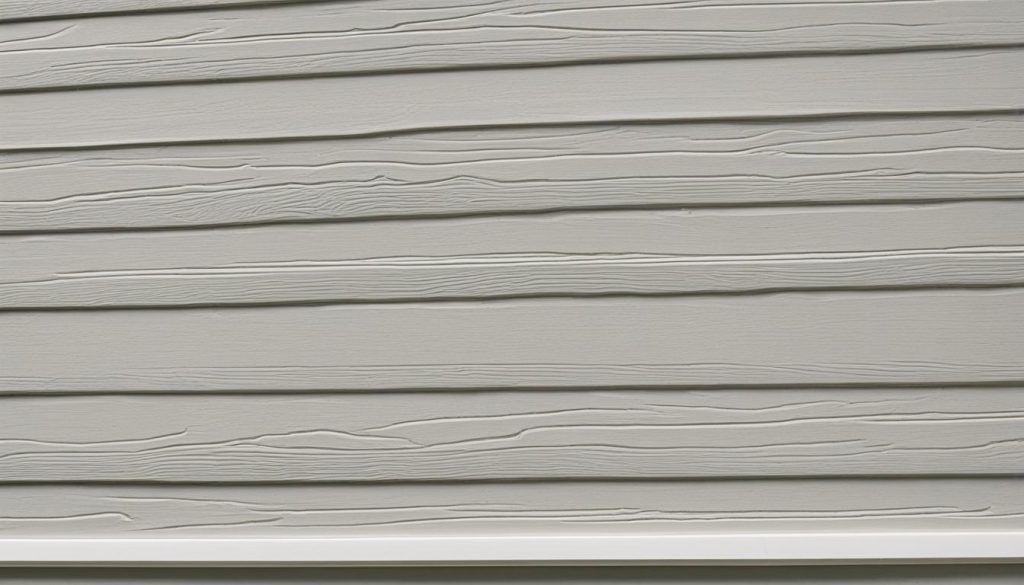
When comparing vinyl and wood siding, vinyl shines for several reasons. Wood looks classic but needs a lot of care to avoid rot and bugs. Vinyl offers a similar look but is way easier to maintain. It doesn’t rot or attract termites. This makes vinyl both practical and cost-effective over time.
Vinyl vs. Fiber Cement
Vinyl and fiber cement siding have their own benefits. Fiber cement lasts long and doesn’t easily warp or get damaged by pests. But, vinyl is more budget-friendly when installing. It’s a good pick for those who want durability without a big upfront cost.
Vinyl vs. Metal
Choosing between vinyl and metal siding shows both are durable. Yet, vinyl is better in design flexibility and ease of use. Metal can get dents and scratches, but vinyl stays looking good. Vinyl also lets homeowners customize their home’s look more.
It’s clear that vinyl siding is a versatile, practical, and affordable option for any home.
Maintenance Tips for Vinyl Siding
Keeping up with vinyl siding care is key to a strong, good-looking home exterior. By sticking to a routine for care and quick fixes, you can make your vinyl last longer.
Cleaning Methods
For cleaning vinyl siding, mix mild soap and water. Use a soft brush with the mix to clean off dirt. If you prefer green options, mix white vinegar and water instead. Cleaning regularly keeps your home looking great and inviting.
Repairing Minor Damages
It’s vital to fix small damage early. Use vinyl siding repair kits for cracks or holes, found at hardware stores. Sealing these with caulk keeps your siding weather-proof and looking fine. Quick fixes prevent bigger issues, saving the structure beneath.
Preventative Measures
Preventing damage beats fixing it. Look over your siding often to catch issues early. Fitting it right stops water build-up, helping your siding stay solid. Regularly looking after your siding and fixing problems early saves you money later.
| Maintenance Task | Frequency | Tools Needed |
|---|---|---|
| Cleaning Vinyl Siding | Twice a Year | Soap, Water, Soft Brush |
| Inspecting for Damages | Quarterly | Visual Inspection, Flashlight |
| Repairing Minor Damages | As Needed | Caulk, Repair Kits |
Common Concerns and Misconceptions
Some homeowners still have doubts about vinyl siding. They worry it might dent, crack, or fade in the sun. Others think it won’t keep pests away. But, vinyl siding today is much better thanks to new technology.
Denting and Cracking
Some people think harsh weather can easily damage vinyl siding. This used to be true for older versions. Now, improved technology makes vinyl siding strong against impact and extreme temperatures.
Color Fading
Fading colors from sun exposure is another worry. But, today’s vinyl siding has UV protection. It uses special formulas to keep the color fresh and bright for years.
Pest Resistance
There’s also a myth that vinyl siding attracts pests like termites. Actually, vinyl doesn’t feed or house these insects. This makes it a good choice over wood. It’s more durable with less upkeep.
Understanding the truth about vinyl siding shows its benefits. Today’s siding looks great, lasts long, and is practical for any home.