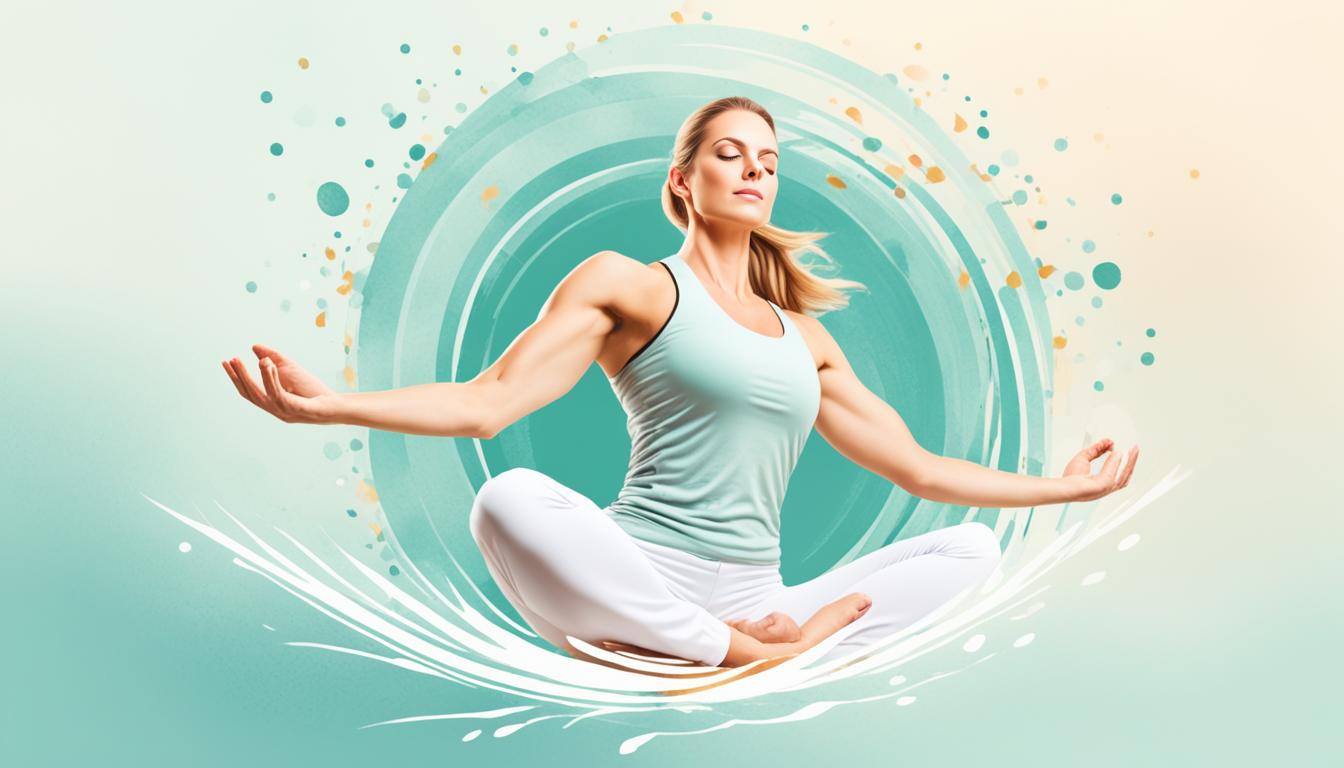
Workout meditation combines physical activity with focused thought. It strengthens both your body and mind. Robyn Gray teaches this method. It mixes exercise with mindfulness to increase mental sharpness and physical skills.
Practicing it can help you sleep better, feel less anxious, and learn more about yourself. By meditating regularly, you lower stress and get happier because your body releases endorphins. It also calms you down. Studies have found that being more aware of your body through meditation helps you focus better. It improves how well you move and use your muscles during exercise. Insight Timer has products that mix meditation and exercise well. These tools help keep your immune system strong and increase your overall happiness.
Key Takeaways
- Workout meditation enhances both physical and mental well-being.
- Fosters improved sleep quality, reduced anxiety, and mental clarity.
- Heightened body awareness through mindful training and visualization techniques.
- Insight Timer offers guided meditations integrating fitness and mindfulness.
- Mind-body integration fortifies the immune system and overall health.
The Benefits of Mind-Body Connection
Experts have extensively explored the powerful link between our mind and body. This connection is key to many health benefits. It helps reduce stress, improve sleep, and regulate emotions. Practices like mindful exercises and meditation are essential for nurturing this bond. Additionally, how we feel mentally can affect our physical health, and vice versa.
Physical and Mental Wellbeing
A strong mind-body connection is crucial for our overall health. Regular exercise can lessen depression and anxiety, helping our mental health. Breathing techniques and proper nutrition boost emotional control and physical stamina. Omega-3s and antioxidants are good for brain function and mood.
Enhancement of Sleep Quality
Mindful exercises and meditation are great for better sleep. Meditation reduces stress and improves emotional wellbeing, which benefits our health. Deep breathing and mindfulness help us relax and sleep better, helping achieve a healthy sleep cycle.
Reduction of Stress and Anxiety
Controlling breathwork can help manage everyday stress and anxiety. Tai chi and qigong reduce stress, enhance flexibility, and support heart health. Stress can negatively affect our muscles, so staying positive is vital for muscle growth and wellness.
Boosting Immunity and Resilience
Building a strong mind-body link boosts our immune system and resilience. Mindfulness, Breathwork, and guided relaxation practices are key. Staying hydrated is vital for healing and reducing stress fatigue symptoms. Positive thinking and visualization support fast recovery and emotional health.
Best Practices for Workout Meditation
Meditating while exercising brings together body and mind health. It’s good to make a plan that adds mindful exercises, breath control, muscle relaxation, and guided thinking into your routine. This mix makes your mind and body work better together.
Mindful Exercise
Exercising mindfully means paying attention to the moment. This boosts focus and how well you do. Nico Sarani says meditating before sports makes staying on point easier. It helps in sports like golf and gymnastics. Also, thinking positive before starting can make it more fun and you do better.
Breathwork Techniques
Breathing methods link your aware and unaware mind, improving unity. Dr. Haley Perlus found meditation quiets parts of the brain that cause worry, helping you think clearly. Breathing calmly before or after physical activity helps relax your body.
Progressive Muscle Relaxation
To lessen muscle tightness and help with post-exercise recovery, try tensing then relaxing your muscles. Start with meditating for 1-5 minutes and then do more as you get used to it. Regular practice, tying it to habits like working out, and the right setting make it work better.
Guided Imagery and Visualization
Guided thinking and seeing success in your mind can help control stress and improve how well you exercise. Starting with a five-minute guided meditation class can boost focus and deepen the meditation. Changing how you meditate based on what you need each day adds to its power.
FAQ
What is workout meditation?
What are the key benefits of the mind-body connection?
How can mindful exercise improve my workout routine?
What is breathwork and how does it benefit my health?
Can workout meditation help with stress reduction?
How does progressive muscle relaxation work?
What is guided imagery and how is it used in workout meditation?
What resources are available for learning workout meditation?
Source Links
- Meditation and Fitness: The Power of Mind-Body Connection – https://educatefitness.co.uk/meditation-and-fitness-the-power-of-mind-body-connection/
- Why Meditation Should Be a Part of Your Fitness Routine – https://www.onepeloton.com/blog/meditation-and-exercise/
- Mind-Muscle Connection: How It Can Improve Your Workouts – STRIVE – https://strive.tech/mind-muscle-connection/
- Mind-body connection: what is it and how to strengthen it — Calm Blog – https://www.calm.com/blog/mind-body-connection
- Fitness and the Mind-Body Connection – https://www.bayoubendhealth.org/fitness-and-the-mind-body-connection-how-your-thoughts-determine-your-results
- Should You Meditate Before or After a Workout? This Is What Experts Recommend – https://www.onepeloton.com/blog/meditate-before-or-after-workout/
- How to know if you should meditate before or after a workout — Calm Blog – https://www.calm.com/blog/meditate-before-or-after-workout