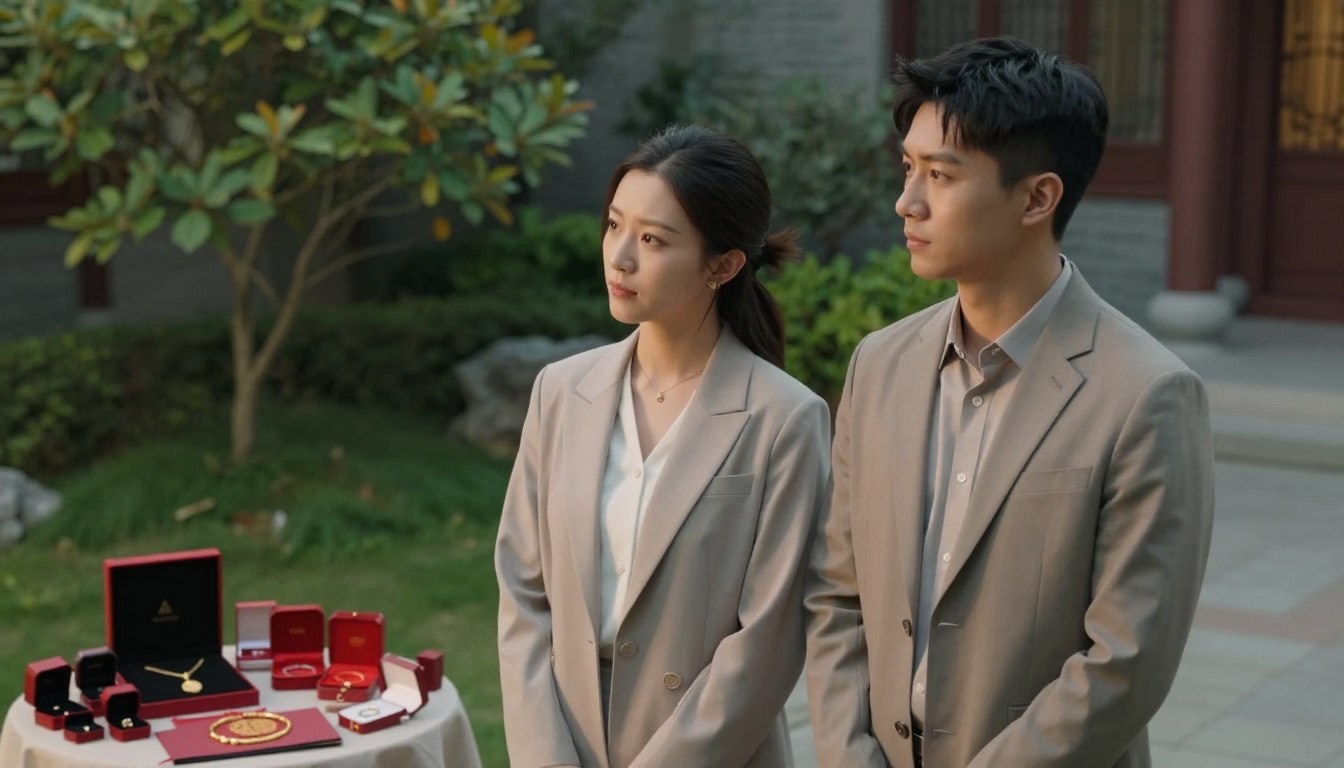
The tradition of paying a bride price has been a long-standing custom in many cultures, including some parts of China. It is a payment made by the groom’s family to the bride’s family, often seen as a symbol of respect and a gesture of goodwill.
However, young couples are now rethinking this tradition. Many are rejecting the idea of a bride price, citing it as outdated and financially burdensome. The shift is significant, reflecting changing societal values and economic realities.
Key Takeaways
- The bride price tradition is being reevaluated by young couples.
- Financial burden is a significant reason for rejecting the tradition.
- Changing societal values are influencing the decline of the bride price.
- Young couples are seeking more modern and equitable practices.
- The shift reflects broader cultural and economic changes.
The Cultural Weight of Caili in Modern China
In modern China, the cultural weight of caili continues to influence the decisions of young couples. The tradition of caili, or bride price, is deeply ingrained in Chinese society, affecting not only the financial planning of families but also the social dynamics between couples and their families.
What Is the Chinese Bride Price Tradition?
The Chinese Bride Price Tradition, known as caili, refers to the money or goods given by the groom’s family to the bride’s family as a condition of marriage. This tradition is rooted in the idea that the bride is leaving her family to join her husband’s, and the caili serves as compensation for the loss.
The amount of caili can vary significantly across different regions and is influenced by factors such as local economic conditions, the education level of the bride, and the social status of the families involved.
Historical Significance and Original Purpose
Historically, caili was not just a financial transaction but a symbol of the groom’s family’s commitment to the marriage and their acceptance of the bride into their family. It was also seen as a way to strengthen the bond between the two families.
The original purpose of caili was multifaceted, including showing respect to the bride’s family, demonstrating the groom’s ability to provide, and securing the marriage.
Why This Tradition Persists in Rural and Urban Areas
Despite modernization and urbanization, the tradition of caili persists in both rural and urban China. In rural areas, caili remains a significant part of the marriage customs, often reflecting the local economic conditions and social norms.
In urban areas, while the influence of caili may be evolving, it still plays a crucial role in marriage negotiations, with the amount often being a reflection of the groom’s financial capability and social status.
| Region | Average Caili | Factors Influencing Caili |
|---|---|---|
| Rural | $10,000 – $20,000 | Local economy, social status |
| Urban | $20,000 – $50,000 | Groom’s income, education level |
Average Bride Price in China by Province in 2025
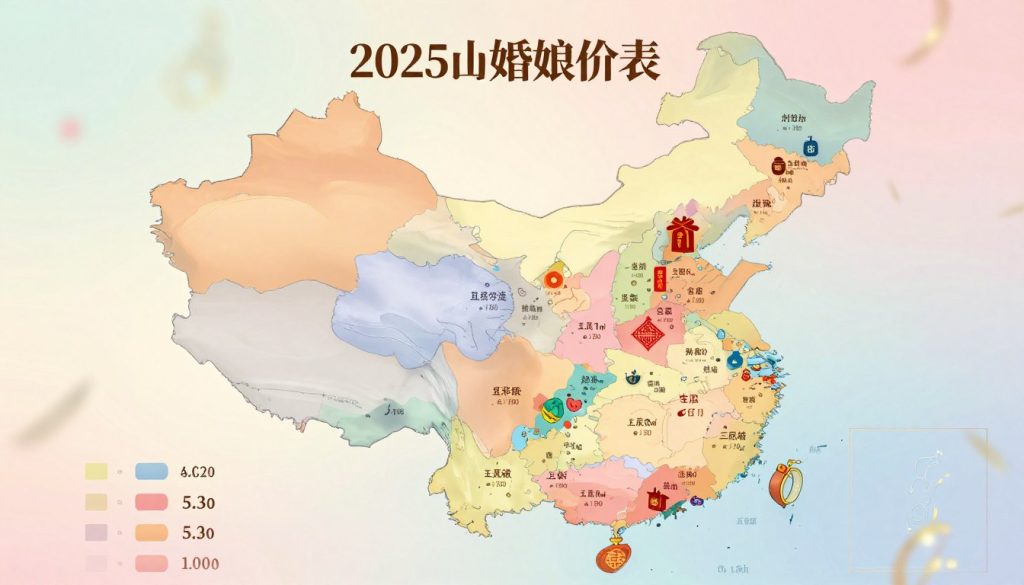
Understanding the average bride price in China requires a closer look at provincial differences and economic factors. The tradition of giving a bride price, or caili, is deeply rooted in Chinese culture, but its monetary value varies significantly across the country.
In 2025, the bride price continues to be a significant aspect of wedding preparations in China. The amount expected by families can be influenced by various factors, including the local cost of living, economic conditions, and cultural traditions.
Top 10 Most Expensive Provinces for Bride Price
The cost of getting married in China can be staggering, especially in more affluent regions. Here are the top 10 most expensive provinces for bride price in 2025:
| Rank | Province | Average Bride Price (CNY) |
|---|---|---|
| 1 | Shanghai | 500,000 |
| 2 | Beijing | 450,000 |
| 3 | Jiangsu | 380,000 |
| 4 | Zhejiang | 360,000 |
| 5 | Guangdong | 350,000 |
| 6 | Fujian | 320,000 |
| 7 | Shandong | 300,000 |
| 8 | Liaoning | 280,000 |
| 9 | Tianjin | 270,000 |
| 10 | Hebei | 260,000 |
Regional Variations: Coastal vs Inland Differences
The bride price in coastal regions tends to be higher compared to inland provinces. This disparity is largely due to the difference in economic development and cost of living between these regions.
Coastal Regions: Provinces like Shanghai, Jiangsu, and Zhejiang have higher bride prices due to their strong economies and higher living standards.
Inland Regions: In contrast, inland provinces generally have lower bride prices, reflecting their relatively lower economic development and cost of living.
Urban-Rural Divide in Caili Expectations
The expectations for bride price also vary significantly between urban and rural areas. Urban areas, with their higher cost of living and more modernized outlook, tend to have different caili expectations compared to rural areas.
In urban centers, the bride price is often higher and is influenced by the urban lifestyle and economic conditions. In contrast, rural areas may have more traditional views on caili, with amounts often being lower but still significant in the context of local incomes.
How Inflation and Economic Factors Affect Bride Price
Economic factors, including inflation, play a crucial role in determining the bride price. As the economy grows and inflation rises, the bride price tends to increase accordingly.
Inflation: Higher inflation leads to higher costs for living, which in turn can drive up the bride price as families seek to maintain their standard of living.
Economic Growth: In periods of strong economic growth, families may be more willing to give or receive higher bride prices, reflecting their increased financial capacity.
The Financial Burden Crushing Young Couples
Young Chinese couples are finding it increasingly difficult to cope with the financial burden imposed by the bride price tradition. The expectation to pay a substantial bride price can be overwhelming, affecting various aspects of their lives.

When Bride Price Equals Years of Savings
The bride price, or “caili,” can amount to a significant portion of a family’s savings. For many young couples, this means that the groom’s family must save for years to meet the expected amount. This can lead to financial strain and delayed financial planning for other important life milestones.
In some regions, the bride price can be as high as hundreds of thousands of yuan, equivalent to several years’ worth of income for an average family. This substantial financial obligation can be daunting, forcing families to make difficult financial decisions.
The Domino Effect: Housing, Car, and Wedding Costs
The financial burden of the bride price is not isolated; it has a domino effect on other expenses related to marriage, such as housing, cars, and wedding costs. Couples often find themselves under pressure to save for these additional expenses, further exacerbating their financial stress.
- The cost of housing: Many couples feel pressured to own a home before marriage, adding to their financial burden.
- Car expenses: In some cultures, owning a car is seen as a necessity for a groom, further increasing costs.
- Wedding costs: The expenses associated with the wedding ceremony and celebrations can be substantial.
Economic Stress and Relationship Strain
The economic stress caused by the bride price can also strain relationships within the couple and their families. The pressure to meet the bride price expectations can lead to tension and conflict, potentially jeopardizing the marriage.
Couples may experience stress related to financial insecurity, and the strain on their relationship can be significant. It’s essential for couples to navigate these challenges together, finding ways to manage their financial obligations while maintaining a healthy relationship.
Naked Marriage vs Traditional Marriage in China
The concept of ‘naked marriage’ is gaining traction among young Chinese couples, challenging the conventional expectations surrounding weddings and marital commitments.
What Is Naked Marriage (Luohun)?
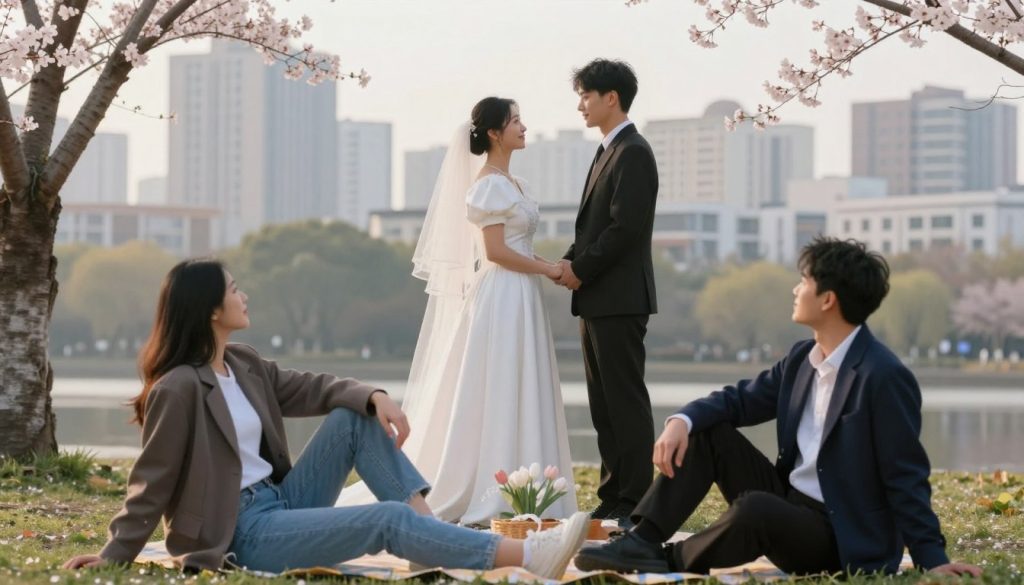
Naked marriage, or ‘Luohun’ in Chinese, refers to a marriage where the couple foregoes traditional expectations such as a lavish wedding, a car, or an apartment provided by the groom’s family. This concept is particularly appealing to couples who wish to start their marital life on their own terms, free from the financial burdens often associated with traditional Chinese weddings.
Key Differences Between Naked and Traditional Marriage
The distinctions between naked and traditional marriage are multifaceted, touching on various aspects of marital life.
Financial Obligations Compared
In traditional Chinese marriages, the groom’s family is often expected to bear significant financial costs, including the bride price, wedding expenses, and sometimes even providing a house or a car. In contrast, couples opting for naked marriage typically share these financial responsibilities or forego these expectations altogether, leading to a more equitable distribution of financial burdens.
Family Involvement and Social Pressure
Traditional marriages in China often involve considerable family participation, with parents playing a significant role in wedding planning and marital decisions. Naked marriage, however, tends to reduce family involvement, allowing the couple more autonomy in their decisions. This reduction in family and societal pressure can lead to a more personalized and potentially less stressful marital experience.
Success Rates and Relationship Satisfaction
Research suggests that couples who opt for naked marriage may experience higher relationship satisfaction due to the absence of financial stress and the presence of a more equal partnership. However, the success of either type of marriage largely depends on the couple’s communication, mutual respect, and understanding.
Why More Millennials and Gen Z Choose Naked Marriage
Millennials and Gen Z in China are increasingly drawn to the concept of naked marriage as it aligns with their values of independence, equality, and personal freedom. These generations view marriage not as a financial or social obligation but as a personal choice and commitment. The appeal of naked marriage lies in its promise of a simpler, more authentic marital experience, unencumbered by the financial and social pressures that often accompany traditional marriages.
New Chinese Laws on Bride Price in 2025
As part of its ongoing legal reforms, China has introduced legislation in 2025 aimed at curbing excessive bride prices. This move reflects a broader effort to modernize traditional practices and alleviate financial burdens on young couples.
Supreme Court's Stance on Excessive Caili
The Supreme Court of China has taken a firm stance against excessive bride prices, deeming them a form of financial exploitation. In a landmark ruling, the Court established that bride prices exceeding three times the groom’s annual income are considered excessive and potentially illegal.
Key Excerpts from the Supreme Court’s Ruling:
- The bride price should not exceed three times the groom’s annual income.
- Couples have the right to decide on the bride price based on mutual agreement.
- Families are prohibited from coercing or threatening the couple over bride price disputes.
Provincial Regulations and Legal Caps
Various provinces in China have implemented their own regulations regarding bride prices, with some setting legal caps. For instance, provinces like Jiangsu and Zhejiang have set a maximum bride price limit of ¥200,000 (approximately $28,000 USD).
| Province | Maximum Bride Price |
|---|---|
| Jiangsu | ¥200,000 |
| Zhejiang | ¥200,000 |
| Shanghai | ¥150,000 |
What Happens When Engagements Are Broken
The new laws also address the issue of broken engagements, providing clarity on the financial implications. According to the legislation, if an engagement is broken due to excessive bride price demands, the groom’s family is entitled to a refund of the bride price, minus a certain percentage for the bride’s family’s expenses.
Refund percentages vary by province, but generally range between 50% to 70%.
Enforcement Challenges and Real-World Impact
Despite the new laws, enforcement remains a significant challenge. Local authorities face difficulties in monitoring and regulating bride prices, particularly in rural areas where traditional practices are deeply ingrained.

The real-world impact of these laws is still being observed, with some couples reporting a reduction in financial stress related to bride prices, while others continue to face pressure from families.
How to Negotiate Caili with Chinese Parents
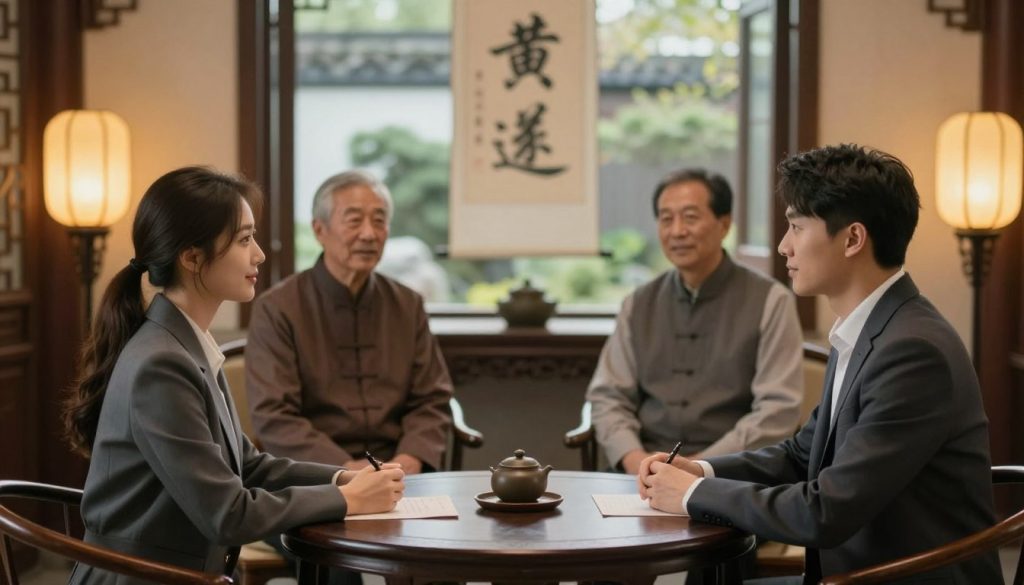
Negotiating caili with Chinese parents can be a challenging task, requiring a delicate balance of cultural sensitivity and personal conviction. As the tradition continues to evolve, understanding the nuances of these negotiations is crucial for couples.
Understanding Your Partner's Family Expectations
Before entering into negotiations, it’s essential to comprehend the expectations of your partner’s family. This involves understanding their cultural background, financial situation, and personal values. Open communication with your partner about their family’s expectations can provide valuable insights.
Consider the following factors:
- The family’s cultural traditions and values
- Their financial situation and expectations
- Previous experiences or discussions about caili
Strategic Approaches to the Conversation
Effective negotiation requires a strategic approach. Timing is crucial; choose a moment when both parties are relaxed and open to discussion. Using mediators or family allies can also facilitate a smoother negotiation process.
Finding the Right Timing
The timing of the negotiation can significantly impact its outcome. Avoid bringing up the topic during stressful or busy periods. Instead, opt for a calm and private setting where everyone can focus on the discussion.
Using Mediators and Family Allies
In some cases, involving a mediator or a respected family member can help ease tensions and guide the conversation. This person can provide an objective perspective and help both parties reach a mutually acceptable agreement.
Presenting Alternative Contributions
Couples may consider presenting alternative forms of contribution or support as part of the caili negotiation. This could include financial support, helping with wedding expenses, or other forms of assistance that align with the family’s expectations and the couple’s financial situation.
Common Negotiation Outcomes and Compromises
Negotiations may result in various outcomes, ranging from a complete agreement to a compromise. Being prepared to listen and adapt is key. Common compromises include adjusting the amount of caili, discussing payment plans, or finding alternative ways to meet the family’s expectations.
When to Stand Firm and When to Walk Away
It’s crucial to know when to stand firm on your principles and when to consider walking away. If the negotiations become too stressful or the terms are unreasonable, it may be necessary to reevaluate the relationship and its future.
By understanding the cultural context, employing strategic negotiation tactics, and being open to compromise, couples can navigate the complex process of negotiating caili with Chinese parents.
The Chinese Bride Price and Changing Gender Dynamics
Changing gender dynamics are redefining the cultural significance of bride price in modern China. As society evolves, traditional practices are being reevaluated through the lens of contemporary values and expectations.
How Educated Women View the Tradition
Educated women in China are increasingly viewing the bride price tradition with a critical eye. Many see it as a reflection of outdated gender roles and economic inequality. With more women in the workforce and achieving financial independence, the notion of being “bought” or “sold” in marriage is becoming less acceptable.
The empowerment that comes with education and financial stability is allowing women to challenge traditional norms and expectations surrounding marriage and the bride price.

The Commodification Debate
The bride price tradition has sparked a heated debate about the commodification of marriage. Critics argue that it reduces the institution of marriage to a financial transaction, undermining its emotional and relational aspects. This perspective is gaining traction among younger generations who are redefining what marriage means to them.
- The financial burden on the groom’s family is seen as a significant stressor.
- There’s a growing perception that bride price is a form of gender-based discrimination.
- Some view it as a necessary tradition that supports the newlyweds financially.
Feminist Perspectives Reshaping Marriage Expectations
Feminist perspectives are playing a crucial role in reshaping marriage expectations in China. There’s a growing movement towards more egalitarian relationships, where the financial burden and responsibilities are shared more equally between partners. This shift is influencing how couples and families approach the bride price tradition.
As gender dynamics continue to evolve, the bride price tradition is likely to undergo further changes. The interplay between tradition and modernity will shape the future of marriage practices in China, reflecting broader societal shifts towards greater equality and mutual respect in relationships.
The Future of Marriage Traditions in China
China’s marriage customs are at a crossroads, influenced by both traditional values and modern globalization. As the country continues to evolve, the way people approach marriage is changing significantly.
Generational Divide: Boomers vs Gen Z
The gap between Baby Boomers and Gen Z is a significant factor in the evolution of marriage traditions. Boomers tend to adhere to traditional practices, while Gen Z is more open to modern interpretations.
For instance, a survey conducted in major Chinese cities revealed that 70% of Gen Z respondents preferred a more simplified wedding process, whereas 60% of Boomers believed in maintaining traditional rituals.
| Aspect | Boomers | Gen Z |
|---|---|---|
| Wedding Preferences | Traditional rituals | Simplified ceremonies |
| View on Bride Price | Expect traditional bride price | Prefer reduced or no bride price |
| Marriage Priorities | Family expectations | Personal happiness |
Western Influence and Globalization Effects
Globalization has introduced Western wedding customs to China, influencing local traditions. Many young Chinese couples now incorporate elements like white wedding dresses and exchange of rings into their ceremonies.
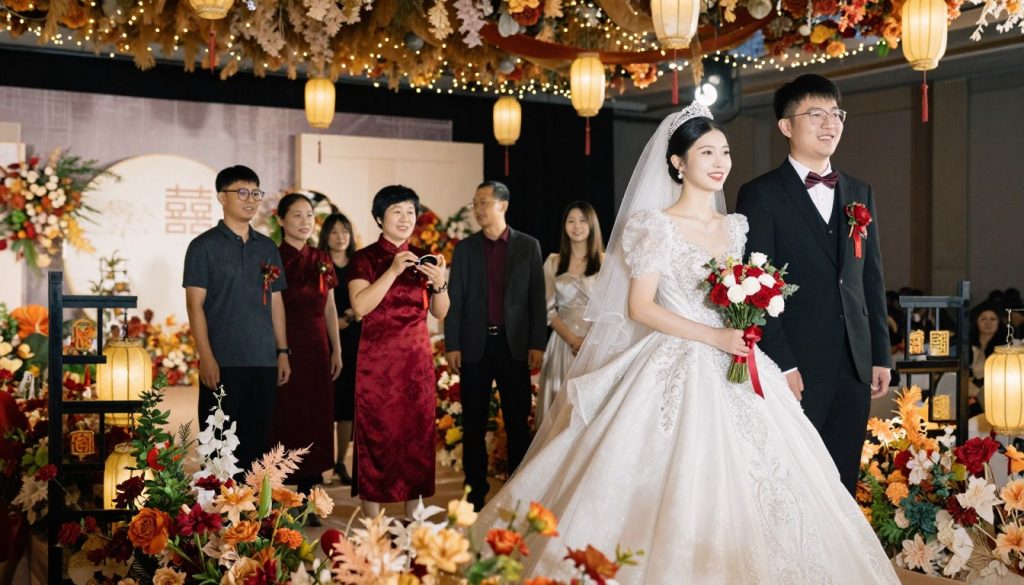
The blending of cultures is not limited to the ceremony itself but also extends to the pre-wedding and post-wedding practices.
Alternative Wedding Models Gaining Popularity
Alternative wedding models, such as “naked marriage” (where couples forego traditional wedding expenses), are gaining popularity among young Chinese.
- Naked Marriage: Couples choose to forgo traditional wedding expenses, focusing on the union rather than the ceremony.
- Intimate Weddings: Small, intimate weddings with close family and friends are becoming more common.
Predictions for the Next Decade
Over the next decade, we can expect to see a continued blend of traditional and modern practices in Chinese weddings. The influence of globalization and the preferences of younger generations will likely lead to more diverse and personalized wedding ceremonies.
As economic conditions and social attitudes continue to evolve, the traditional bride price and other customs may be adapted or reformed to suit modern needs.
Conclusion
The Chinese Bride Price tradition is undergoing significant changes, reflecting broader shifts in societal values and economic conditions. As discussed, the financial burden of Caili is substantial, often equaling years of savings for young couples.
New laws and regulations aim to curb excessive bride prices, but enforcement remains a challenge. The rise of “Naked Marriage” and alternative wedding models indicates a generational divide in attitudes toward Marriage Traditions.
As China navigates these changes, the future of Marriage Traditions will likely be shaped by ongoing debates around the commodification of marriage and the role of women. Understanding these dynamics is crucial for grasping the evolving landscape of Chinese marriage customs.
The Chinese Bride Price will continue to be a significant aspect of Marriage Traditions, but its form and implications are likely to evolve. By examining these changes, we gain insight into the complex interplay between tradition, economy, and societal values in modern China.