
The government has been promoting new unions, offering cash rewards and subsidies to couples who tie the knot. However, for foreigners, this could be a complex issue.
For foreign spouses, marrying a local citizen can be a means to secure a visa or residency. But, with the government’s push for new unions, there’s a growing concern that foreigners might be falling into a trap.
The marriage subsidy and other incentives might be enticing, but there are potential risks associated with marrying a local citizen solely for visa benefits.
Key Takeaways
- Foreigners may be eligible for cash rewards and subsidies when marrying a local citizen.
- The government’s push for new unions raises concerns about the risks for foreigners.
- Marrying a local citizen can be a means to secure a visa or residency.
- There are potential risks associated with marrying solely for visa benefits.
- Understanding the eligibility criteria and risks is crucial.
1. Why China is Suddenly Desperate for More Marriages
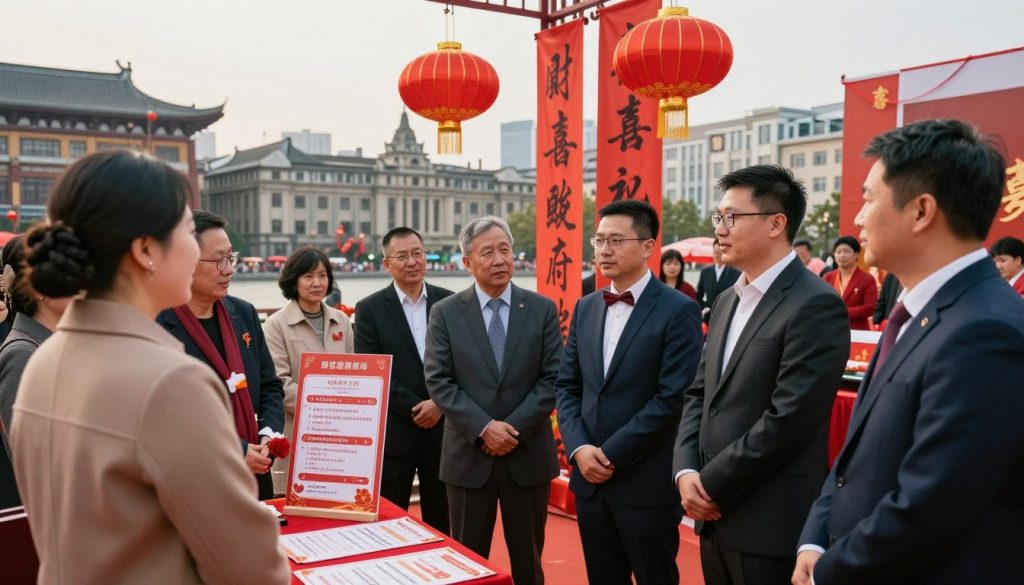
As China grapples with demographic challenges, the government is turning to marriage incentives to boost population growth. The country’s aging population and declining birth rates have prompted a series of initiatives aimed at encouraging young people to get married.
1.1 The Demographic Time Bomb
China is facing a significant demographic crisis. The population is aging rapidly, and the workforce is shrinking, which poses a threat to the country’s economic growth. According to recent statistics, the proportion of people aged 65 and above has reached 14.3% of the total population, a significant increase from previous years.
“The demographic challenges China is facing are unprecedented,” says Dr. Wang, a demographer at Beijing University. “The government is trying to address these issues through various means, including marriage incentives.”
1.2 From One-Child Policy to Marriage Incentives
China’s one-child policy, introduced in the late 1970s, was a significant factor in the country’s declining birth rate. Although the policy was relaxed in 2016, allowing couples to have up to two children, the birth rate continued to decline. In response, the government has shifted its focus to encouraging marriages through various incentives, including cash rewards and housing subsidies.
The table below outlines some of the incentives offered by different provinces in China:
| Province | Incentive | Amount |
|---|---|---|
| Shanghai | Cash Reward | ¥20,000 |
| Guangdong | Housing Subsidy | ¥50,000 |
| Beijing | Cash Reward + Housing Subsidy | ¥30,000 + ¥70,000 |
These incentives are part of a broader strategy to encourage marriages and boost population growth. As the government continues to refine its approach, it remains to be seen how effective these measures will be in addressing China’s demographic challenges.
2. What Are China Marriage Incentives and How Do They Work?
As China grapples with demographic challenges, the government has rolled out attractive incentives to promote marriages. These incentives are part of a broader strategy to address the country’s aging population and declining birth rates.
2.1 Cash Payments and Housing Subsidies
One of the most significant marriage incentives offered by the Chinese government is cash payments to newlyweds. These payments vary across different regions but are generally aimed at encouraging young couples to marry and start families. In addition to cash payments, some cities offer housing subsidies to help newlyweds secure accommodation.
For instance, some provinces provide a one-time cash reward for newly married couples, while others offer discounts on housing loans or subsidies for purchasing a first home. These incentives not only help alleviate some of the financial burdens associated with marriage but also encourage couples to settle down.
2.2 Provincial and City-Level Programs
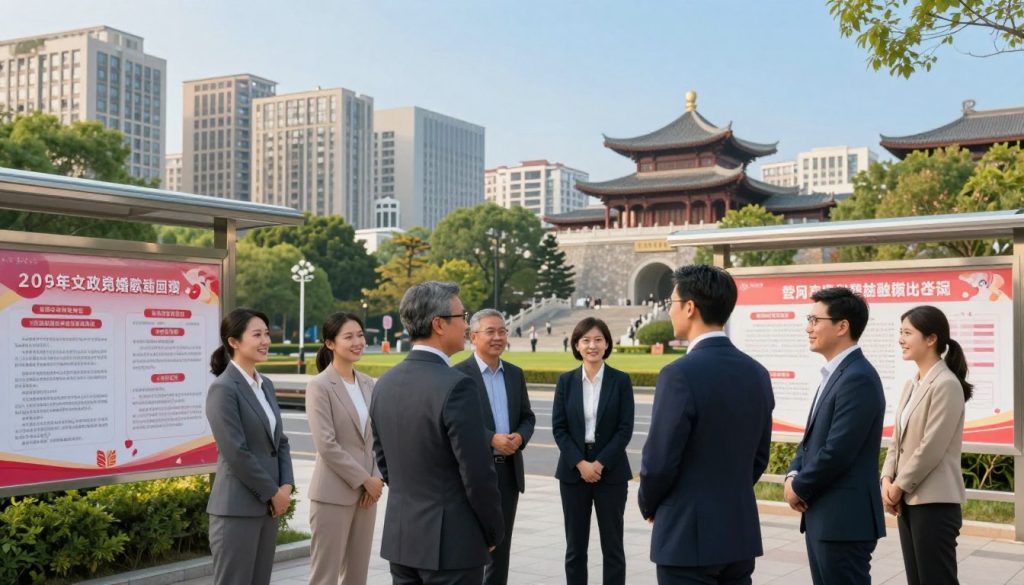
Marriage incentives in China are not uniform and vary significantly across different provinces and cities. Some regions offer more generous benefits than others, reflecting the diverse economic and demographic conditions across the country.
For example, certain cities in the more economically developed provinces offer comprehensive packages that include cash rewards, housing assistance, and other benefits like tax breaks or preferential treatment in education and healthcare.
| City/Province | Cash Reward | Housing Subsidy | Other Benefits |
|---|---|---|---|
| Shanghai | ¥10,000 | Yes | Tax breaks |
| Beijing | ¥8,000 | No | Education benefits |
| Guangzhou | ¥12,000 | Yes | Healthcare benefits |
2.3 Additional Benefits Beyond Cash Rewards
Beyond cash payments and housing subsidies, the Chinese government offers a range of other benefits to newlyweds. These can include preferential treatment in education, healthcare, and employment, as well as other social welfare benefits.
Some regions also offer special benefits for couples who meet certain criteria, such as being a “high-level talent” or having a certain level of education. These benefits are designed to attract and retain talent, contributing to the local economy and society.
In conclusion, China’s marriage incentives are multifaceted and vary widely across different regions. By understanding these incentives, couples can make informed decisions about their future together.
3. Breaking Down China New Marriage Cash Rewards Eligibility
Eligibility for China’s new marriage cash rewards involves several key factors that couples should be aware of. The government has introduced these incentives to encourage marriages and counteract the declining population. However, not everyone qualifies for these benefits.
3.1 Who Qualifies for Marriage Subsidies?
The eligibility criteria for marriage subsidies vary across different regions in China. Generally, the government sets certain conditions that applicants must meet to qualify for the cash rewards.
3.1.1 Age Requirements and Restrictions
One of the primary conditions is the age requirement. Typically, couples where both partners are at least 22 years old (the legal marriage age in China for women is 20, but many local governments set their own thresholds) are eligible. Some regions may have additional age-related criteria.
3.1.2 Residency and Registration Rules
Residency is another crucial factor. Couples usually need to be registered residents of the city or province offering the subsidy. This often involves having a local hukou (household registration), although some cities are more flexible and consider other types of residency permits.
3.2 First-Time Marriage vs. Remarriage
The distinction between first-time marriage and remarriage is significant. Many programs prioritize first-time marriages, offering more substantial incentives. Remarriages might receive lesser benefits or be excluded from certain programs.
3.3 The Foreign Spouse Question
The treatment of foreign spouses is a complex issue. While some local governments are open to including foreign spouses in their subsidy programs, others may exclude them or impose additional requirements. For instance, the spouse might need to have a valid Chinese residence permit or even Chinese citizenship in some cases.

As stated by a recent government official, “We are trying to create an environment that is conducive to marriage and child-rearing. The subsidies are part of a broader package of support for young couples.”
“The measures taken by local governments to encourage marriage and childbirth are multifaceted, including not just cash rewards but also housing and education support.”
Understanding these eligibility criteria is essential for couples considering marriage in China, especially those involving foreign spouses. The rules can be complex, and not all regions offer the same benefits.
4. Marriage Subsidy China 2025 Foreign Spouses: The Reality Check
As China continues to roll out its marriage subsidy programs, foreign spouses are left wondering if they can actually benefit from these incentives. The reality is complex, with various factors influencing their eligibility.
4.1 Can Foreigners Actually Claim These Benefits?
The answer to this question largely depends on the specific regulations of the region where the couple resides. Some cities in China are more open to including foreign spouses in their subsidy programs, while others are more restrictive.
Regional policies play a crucial role in determining the eligibility of foreign spouses. For instance, cities with a higher number of international marriages may be more inclined to include foreign spouses in their subsidy programs.
4.2 Documentation Hurdles for International Couples
One of the significant challenges faced by international couples is the documentation required to claim the marriage subsidy. This often includes proving the authenticity of their marriage, which can be complicated for foreign spouses.
The process typically involves gathering various documents, such as marriage certificates, passports, and residence permits, and having them notarized or authenticated. This can be a daunting task, especially if the documents are not in Chinese.
4.3 Regional Differences in Foreign Spouse Treatment
The treatment of foreign spouses varies significantly across different regions in China. Some regions are more welcoming, offering subsidies and other benefits to international couples, while others are more stringent in their requirements.

Understanding these regional differences is crucial for foreign spouses who are considering marrying their Chinese partners and claiming the marriage subsidy.
5. The Allure and the Danger: Why Some Foreigners Are Tempted
As China’s marriage incentives continue to make headlines, the allure of these programs for foreigners is becoming increasingly apparent. The promise of financial rewards, visa security, and long-term residency is tempting, especially in a tough economic climate. However, beneath the surface lies a complex web of risks and potential dangers that foreigners must navigate.
5.1 Financial Incentives in a Tough Economy
The financial incentives offered by the Chinese government are substantial, with some couples receiving cash payments, housing subsidies, and other benefits. For foreigners facing economic uncertainty, these incentives can be a significant draw.
“The financial benefits are certainly attractive, but it’s crucial to consider the long-term implications of marrying a Chinese citizen for visa benefits.”
A detailed breakdown of the financial incentives available is as follows:
| City | Cash Payment | Housing Subsidy |
|---|---|---|
| Shanghai | ¥50,000 | ¥10,000/year |
| Beijing | ¥30,000 | ¥8,000/year |
| Guangzhou | ¥20,000 | ¥6,000/year |
5.2 Visa Security and Long-Term Residency Dreams
For many foreigners, the promise of visa security and long-term residency is a major draw. Marrying a Chinese citizen can provide a pathway to more stable living arrangements and greater career opportunities.

However, it’s essential to understand the risks involved and the potential consequences of marrying a Chinese citizen solely for visa benefits.
The key risks include:
- Legal consequences of marriage fraud
- Financial exploitation and scams
- Personal safety and relationship risks
By carefully weighing the allure of China’s marriage incentives against the potential dangers, foreigners can make informed decisions about their future.
6. Understanding the Risks of Marrying a Chinese Citizen for Visa Benefits
Pursuing a marriage with a Chinese citizen solely for visa benefits can lead to severe legal and financial repercussions. While the idea might seem appealing, especially for those facing visa issues or seeking residency in China, it’s crucial to understand the potential risks involved.
6.1 Legal Consequences of Marriage Fraud
Marriage fraud, or entering into a marriage solely for immigration benefits, is taken very seriously by Chinese authorities. The legal consequences can be severe and long-lasting.
6.1.1 Criminal Penalties and Deportation
Individuals found guilty of marriage fraud may face criminal penalties, including fines and imprisonment. Moreover, deportation is a likely outcome, which can further complicate future immigration attempts.
6.1.2 Permanent Immigration Bans
In addition to immediate penalties, those involved in marriage fraud may be subject to permanent immigration bans. This means being barred from entering China or other countries for an extended period or even for life.
6.2 Financial Exploitation and Scams
Another significant risk is financial exploitation. Some individuals may be lured into marriages with promises of financial gain or visa benefits, only to find themselves victims of scams or exploitation.
- Be cautious of unsolicited marriage proposals that seem too good to be true.
- Be aware of requests for upfront payments or financial commitments.
- Understand that legitimate marriages are built on mutual respect and trust, not financial transactions.
6.3 Personal Safety and Relationship Risks
Entering into a marriage for visa benefits can also pose significant personal safety and relationship risks. The stress of maintaining a fraudulent marriage can lead to emotional distress, and in some cases, it may even result in dangerous situations.
To mitigate these risks, it’s essential to approach any marriage with caution and thoroughly understand the legal and personal implications. Seeking advice from legal professionals and being aware of the warning signs can help individuals make informed decisions.

7. Inside the Fake Marriage Crackdown China Immigration Authorities Are Running
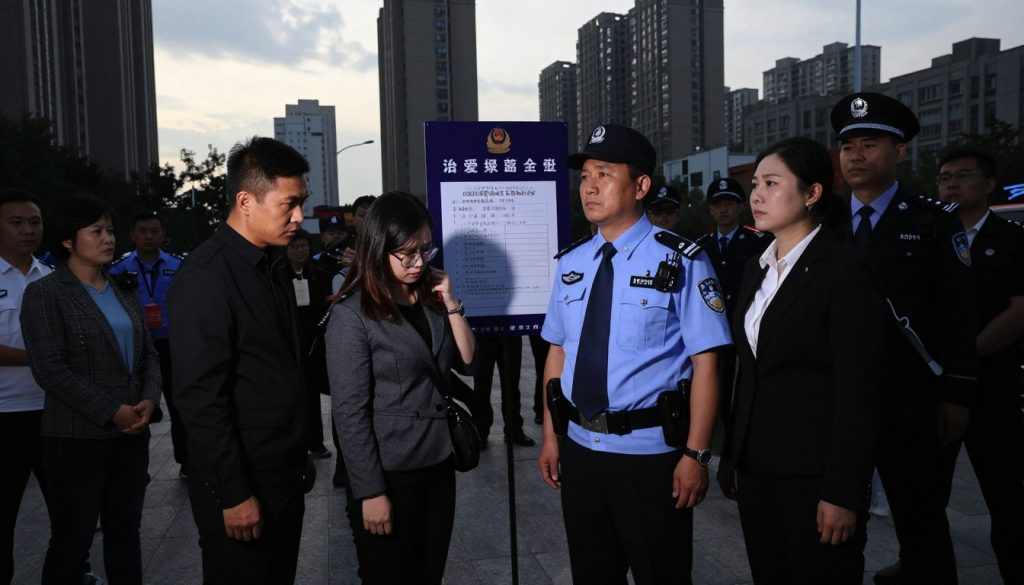
The Chinese government has launched a severe crackdown on fake marriages involving foreign nationals. This move is part of a broader effort to combat immigration fraud and ensure the integrity of the country’s marriage registration system.
Recent High-Profile Cases and Prosecutions
In recent months, several high-profile cases have highlighted the government’s commitment to cracking down on fake marriages. For instance, a series of arrests in major cities like Shanghai and Beijing have made headlines, showcasing the authorities’ determination to prosecute those involved in such fraudulent activities.
Notable Cases:
- A foreign national was arrested for attempting to bribe an official to facilitate a fake marriage.
- A group of Chinese citizens were prosecuted for organizing fake marriages for profit.
Sophisticated Detection Methods
Chinese immigration authorities are employing sophisticated detection methods to identify fake marriages. These methods include:
Social Media Monitoring
Authorities are monitoring social media activity to identify suspicious behavior that may indicate a fake marriage. This includes analyzing online interactions, travel patterns, and other digital footprints.
Home Visits and Interviews
Officials are conducting home visits and interviews with couples to assess the authenticity of their relationship. These visits can be unannounced, and the questions asked are designed to test the couple’s knowledge of each other and their relationship history.
Coordination Between Multiple Government Agencies
The crackdown on fake marriages involves coordination between multiple government agencies, including the Ministry of Civil Affairs, the Public Security Bureau, and the National Immigration Administration. This interagency cooperation ensures that information is shared effectively, and efforts are not duplicated.
| Agency | Role |
|---|---|
| Ministry of Civil Affairs | Oversees marriage registration and verification processes. |
| Public Security Bureau | Conducts investigations and enforces laws related to immigration and marriage fraud. |
| National Immigration Administration | Manages immigration policies and procedures, including those related to foreign spouses. |
The crackdown on fake marriages in China is a complex operation that involves various government agencies and sophisticated detection methods. Foreign nationals considering marriage in China should be aware of the risks and ensure that their relationship is genuine to avoid legal complications.
8. What's Really Behind the Government's Marriage Push?
Behind the government’s marriage incentives lies a complex web of economic and social objectives. The Chinese government’s recent efforts to encourage marriages are driven by a multitude of factors, ranging from demographic challenges to social stability concerns.
8.1 Economic Motivations and Workforce Concerns
The economic motivations behind China’s marriage push are closely tied to the country’s demographic challenges. With an aging population and a declining workforce, the government is keen to encourage younger generations to marry and have children. This is reflected in the various China Marriage Incentives offered across different regions.
The economic benefits of these incentives are twofold. Firstly, they aim to boost consumer spending by providing financial support to newlyweds. Secondly, they hope to stimulate population growth, which in turn can lead to a more robust workforce in the future.
| Economic Benefit | Description |
|---|---|
| Boosting Consumer Spending | Financial support to newlyweds to encourage spending |
| Stimulating Population Growth | Encouraging marriages to lead to a larger future workforce |
8.2 Social Control and National Security Angles
Beyond economic motivations, the government’s marriage push also has social control and national security dimensions. By promoting traditional family values, the government aims to foster social stability and cohesion.
Moreover, the government sees stable family units as a means to enhance national security. By encouraging marriages and family formation, the authorities believe they can reduce social unrest and promote a more harmonious society.

The interplay between economic motivations and social control measures underscores the complexity of the government’s marriage push. As the government continues to roll out China Marriage Incentives, understanding these underlying drivers is crucial for both domestic and international observers.
9. Warning Signs That Something Isn't Right
As foreigners navigate China’s marriage incentives, it’s crucial to identify potential red flags. While genuine relationships can qualify for benefits, some arrangements may be problematic or even fraudulent.
Rushed Timelines and Pressure Tactics
Be cautious if your partner or their family pressures you to get married quickly, without allowing time for a genuine relationship to develop. Legitimate relationships typically evolve naturally over time, so be wary of rushed timelines or ultimatums.
Promises That Sound Too Good to Be True
If the benefits or promises made seem unusually generous or unrealistic, they might be too good to be true. Verify the information through official channels or trusted sources to avoid potential scams or misinformation.

Requests for Upfront Payments or Fees
Legitimate marriage processes typically don’t require upfront payments or fees from the foreign spouse. Be cautious of any requests for money, especially if they’re presented as a condition for receiving benefits.
Lack of Transparency About Legal Requirements
A legitimate partner or their family should be transparent about the legal requirements and processes involved in marrying a Chinese citizen. If there’s a lack of clarity or evasiveness about these details, it may indicate a problematic situation.
| Warning Sign | Description | Potential Risk |
|---|---|---|
| Rushed Timelines | Pressure to get married quickly | Potential for forced or fraudulent marriage |
| Unrealistic Promises | Benefits or promises that seem too good to be true | Scams or misinformation |
| Upfront Payments or Fees | Requests for money before receiving benefits | Financial exploitation |
| Lack of Transparency | Evasiveness about legal requirements | Potential for hidden legal issues |
By being aware of these warning signs, foreigners can better protect themselves when navigating China’s marriage incentives and avoid potential risks.
10. When Marriage Incentives Are Legitimate vs. When They're a Trap
The Chinese government’s push for new unions has sparked a mix of opportunities and risks for foreign nationals. As the country rolls out its marriage incentives, it’s crucial to differentiate between genuine programs and potential traps.
Genuine Relationships That Happen to Qualify
In some cases, international couples form genuine relationships that happen to qualify for the marriage incentives offered by the Chinese government. These couples may be eligible for cash rewards, housing subsidies, and other benefits.
For instance, a foreign national married to a Chinese citizen may qualify for a marriage subsidy, provided they meet the eligibility criteria set by the local authorities.
Arrangements Designed to Circumvent Immigration Law
On the other hand, some arrangements are specifically designed to circumvent China’s immigration laws. These may involve sham marriages or other fraudulent activities aimed at exploiting the system for financial gain or visa benefits.
It’s essential to understand that such arrangements are considered marriage fraud and can lead to severe legal consequences, including fines, deportation, and even imprisonment.
The Gray Area in Between
There’s also a gray area where couples may not necessarily be in a sham marriage but still exploit the system to some extent. For example, some couples might enter into a marriage of convenience, where the primary intention is to secure residency or financial benefits rather than forming a genuine partnership.
To illustrate the differences, consider the following table:
| Category | Characteristics | Legal Status |
|---|---|---|
| Genuine Relationships | Mutual love, respect, and commitment | Legal and eligible for benefits |
| Sham Marriages | Fraudulent, no genuine relationship | Illegal, considered marriage fraud |
| Marriages of Convenience | Primary intention is financial or residency benefits | Legality varies, potentially exploitative |
As shown in the table, the distinction between legitimate marriage incentives and potential traps lies in the intentions and circumstances surrounding the marriage.
Foreigners considering marriage in China should exercise caution and thoroughly understand the implications of their decision. It’s crucial to consult with legal professionals and ensure that all necessary documentation is in order to avoid any potential risks or legal issues.
11. How to Protect Yourself as a Foreign National
As a foreign national considering marriage in China, it’s crucial to understand the potential risks and how to mitigate them. The Chinese government’s push for new unions has led to a surge in marriage incentives, but it’s essential to be cautious and informed to avoid potential traps.
11.1 Essential Legal Consultation Before Proceeding
Before making any decisions, it’s vital to consult with a qualified lawyer who is familiar with Chinese marriage laws and regulations. They can help you understand the implications of marriage in China and ensure that you’re making an informed decision.
Key areas to discuss with your lawyer include:
- Marriage eligibility and requirements
- Implications for your immigration status
- Property and asset ownership
- Potential risks and consequences of marriage fraud
11.2 Proper Documentation and Record Keeping
Maintaining accurate and detailed records is crucial when navigating a marriage in China. This includes:
- Marriage certificates and registration documents
- Identification documents (passports, ID cards, etc.)
- Financial records and transactions
- Communication records with your spouse and relevant authorities
Proper documentation can help prevent misunderstandings and ensure that you’re prepared for any potential issues that may arise.
11.3 Understanding Your Legal Rights and Obligations
It’s essential to understand your legal rights and obligations as a foreign national married in China. This includes:
11.3.1 Marriage Law Basics in China
China’s marriage laws are governed by the Marriage Law of the People’s Republic of China. Key aspects include:
- Minimum age requirements for marriage
- Registration requirements
- Rights and responsibilities of spouses
11.3.2 Immigration Status Implications
Marriage to a Chinese citizen can have implications for your immigration status. It’s crucial to understand:
- Visa requirements and application processes
- Residency permits and registration
- Potential risks of visa revocation or deportation
“Understanding the legal implications of marriage in China is crucial for foreign nationals. It’s not just about the marriage itself, but also about the potential consequences for your immigration status and personal life.”
11.4 Exit Strategies if Things Go Wrong
It’s essential to have a plan in place in case your marriage doesn’t work out as expected. This includes:
- Understanding the divorce process in China
- Knowing your rights regarding property and asset division
- Having a plan for your immigration status and potential relocation
By being informed and prepared, you can protect yourself and make the best decisions for your situation.
12. Conclusion
As China’s population continues to age, the government’s push for new unions through China Marriage Incentives has raised questions among foreigners about the potential benefits and risks. Throughout this article, we’ve explored the various incentives offered by the Chinese government, including cash payments and housing subsidies, as well as the eligibility criteria and potential pitfalls.
For foreign spouses, navigating the complexities of China Marriage Incentives can be particularly challenging. While some may be eligible for benefits, others may face significant hurdles, including documentation requirements and regional differences in treatment.
To avoid potential traps, it’s essential to approach these incentives with caution. Understanding the motivations behind the government’s push for new unions and being aware of the warning signs of potential scams or exploitation can help individuals make informed decisions. By being mindful of the risks and taking steps to protect themselves, foreigners can navigate the complex landscape of China Marriage Incentives with confidence.