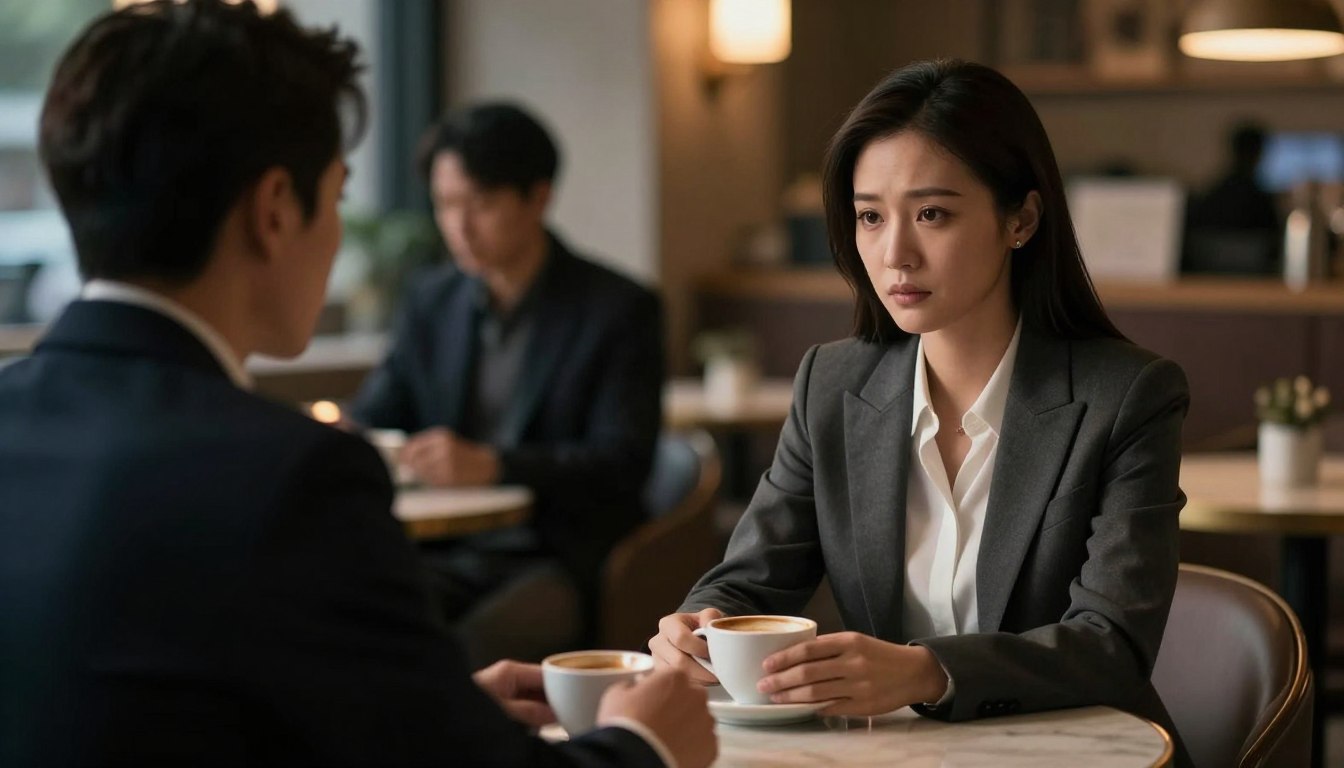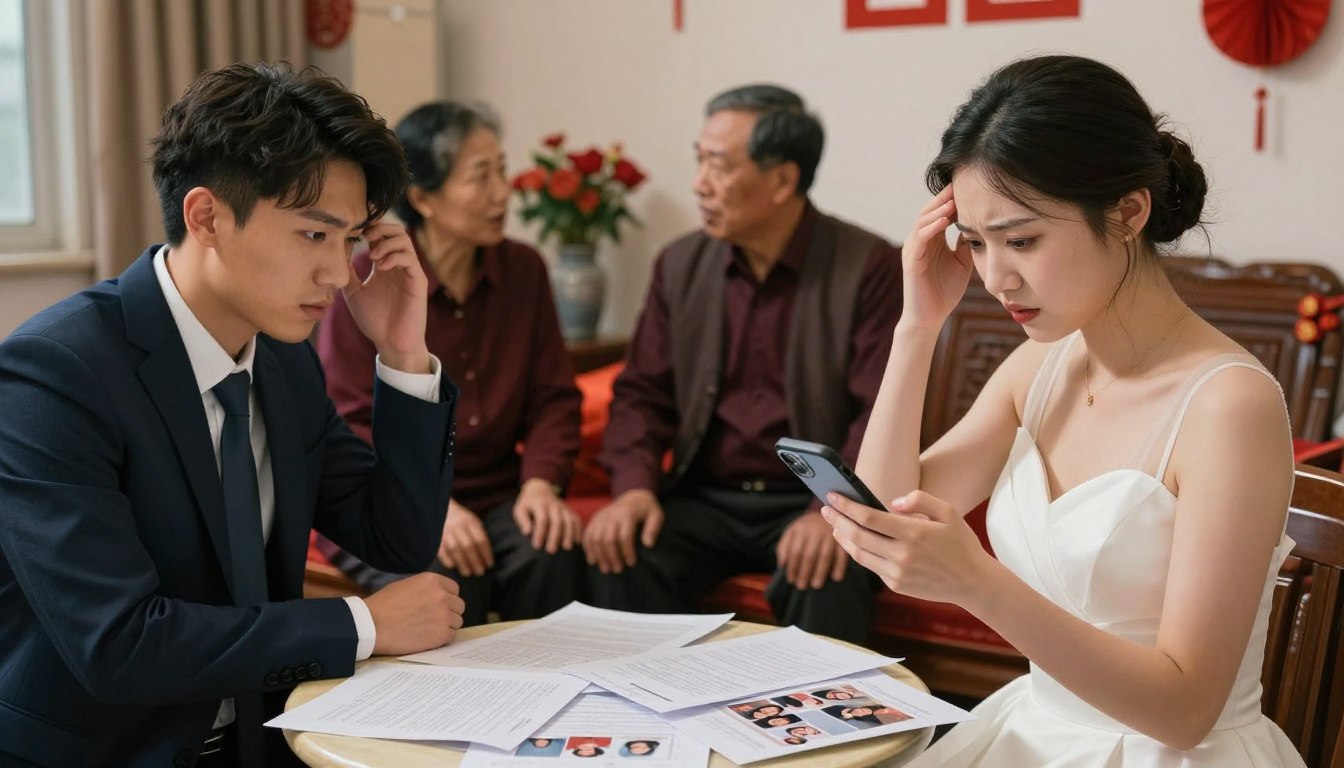
In many cultures, marriage is a big deal. But in some places, the push to get married can feel too much.
The term “sheng nu” or “leftover women” is big in talks about Chinese society. It’s about women who stay single past a certain age. They often face shame from society.
Young people in these families have a tough time. They must deal with family pressure while chasing their dreams.
Key Takeaways
- The cultural importance of marriage in some groups can cause a lot of pressure.
- The term “sheng nu” shows the shame unmarried women face.
- Young folks have to find a way to meet family wishes and their own dreams.
- Getting to know these pressures can help tackle the issues young people face.
- Modern changes are altering old views on marriage in society.
Introduction to Chinese Marriage Pressure
Marriage pressure in Chinese culture has deep roots in history and tradition. It’s not just about two people coming together. It’s about two families joining, with big cultural and social meanings.
Historical Context
Marriage in China has a long history, tied to Confucianism and family values. In the past, parents or matchmakers arranged marriages. The goal was to keep the family line going and strengthen family bonds. The focus was on duty and responsibility, not happiness or being compatible.
The Chinese family is traditionally patriarchal, with a big focus on respect for elders. Children are expected to care for their parents and marry to carry on the family name. This has led to pressure on young people to get married.
“Marriage is seen as a key step in life, showing a person has grown up and is ready for responsibility.”
Cultural Significance
Marriage is very important in China, symbolizing the joining of two families. It’s a way to strengthen family ties and social bonds. Chinese weddings are known for their big ceremonies and rituals.
There’s also pressure to marry to avoid being seen as single for too long. Chinese parents often push their kids to marry, driven by tradition and concern for their future.
- The cultural expectation to marry and have children.
- The role of family in arranging marriages or introducing partners.
- The societal pressure to follow traditional norms.
The “Chinese parents marriage rush” shows these cultural and historical factors. Parents look for partners for their kids, hoping for a stable future. Understanding these factors helps us see the depth of marriage pressure in Chinese culture.
Expectations from Families
In China, marriage is shaped by family values and expectations. It’s seen as a big event that joins two families together. This event is not just about two people getting married.
Family pressure is strong in China. They want their kids to get married early. This pressure is a big part of the marriage scene.
Traditional Views on Marriage
Traditionally, marriage was about keeping family lines alive and gaining status. People were expected to marry within certain social and economic groups. This view is not gone yet.
Dating to marry in China means dealing with family, social, and personal pressures. Young people have to choose between their own desires and family duties.
Pressure from Parents and Relatives
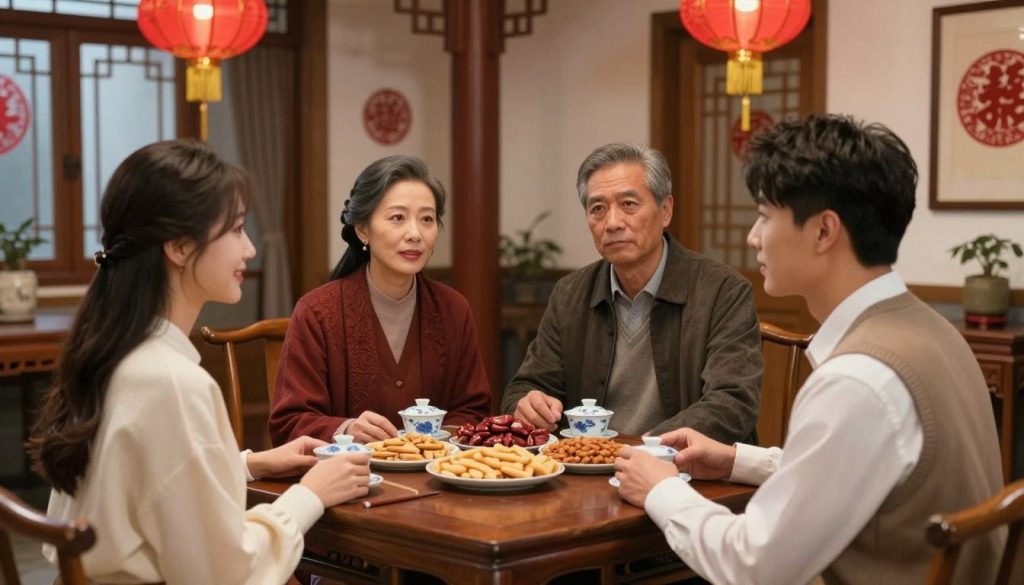
Parents and relatives can be very demanding. Young Chinese face a lot of pressure to meet family expectations. The term sheng nu, or “leftover women,” is used for women who don’t get married by their late twenties.
This pressure can cause a lot of stress. Families often help by setting up introductions or marriage matchmaking events. They want to find a good partner for their children.
Family expectations deeply affect marriage choices in China. It’s important to understand these cultural and historical roots. This helps us see the complexities of marriage in China.
The Role of Age
Age is very important in Chinese culture. It affects how people see marriage and what they expect from it. In China, age is linked to old traditions and social rules.
Why Age Matters in Chinese Culture
In Chinese society, age shows if someone is ready for marriage. There are certain ages seen as right for getting married. For women, being over 25 and unmarried can make them feel pressured.
“The older a woman gets, the more pressure she faces to get married.” This saying shows how society expects women to marry young. Family and society both add to this pressure.
Societal Expectations for Singles
In China, singles, mainly women, face a lot of pressure to marry. Women who are over 27 are called “leftover women” (sheng nu). This term is negative, suggesting they are less wanted or have failed to find a husband.
Men also feel the pressure, but it’s different. They are expected to marry by their late 20s or early 30s. This pressure can cause stress and worry for those who stay single.
“The pressure to get married is immense. It’s not just about the family; it’s about societal acceptance.”
This quote shows the big impact of being single in China. It talks about the challenges faced by those who don’t follow traditional marriage plans.
The Impact of Urbanization
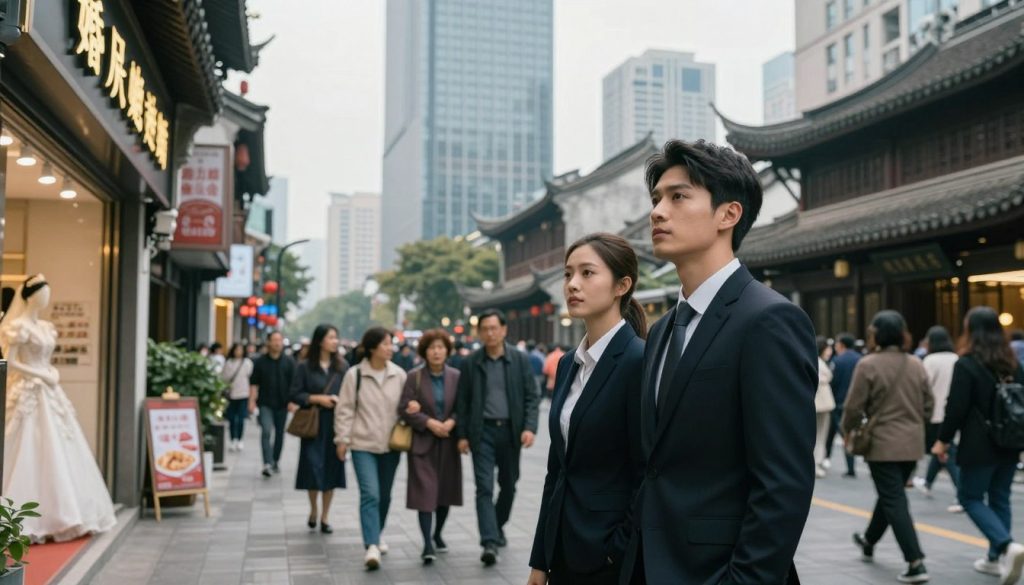
China’s fast urban growth is deeply changing marriage views. Moving to cities, people see new ideas and lifestyles. These challenge old views on marriage.
Shifting Perspectives in Urban Areas
In cities, young Chinese enjoy more freedom and independence. This change affects their marriage views. Many now value personal growth and careers over old expectations.
The term “sheng nu” or “leftover women” is being rethought in cities. Urban women are delaying or choosing not to marry. This challenges old stories.
The Influence of Modernity
Urban life brings modern influences like education and global cultures. This modernity changes how Chinese parents see marriage and their children’s roles.
Though there’s a “Chinese parents marriage rush“, urban parents are more open. They let their children choose their own marriages and partners. This is a big change from arranged marriages.
As urbanization keeps changing China’s society, marriage views will likely keep evolving. Understanding these shifts is key to seeing the future of marriage in China.
Gender Roles and Marriage
Understanding gender roles is key to understanding marriage in Chinese society. These roles have shaped how people see their roles in marriage.
Traditional Gender Expectations
In traditional Chinese culture, men are seen as breadwinners, and women as caregivers. This comes from Confucian values that stress social hierarchy and family roles. Women manage the home and children, while men earn the money.
This setup can cause tension, mainly for women who want careers. The need to follow these roles can lead to stress and conflict in families.
Shifts in Women's Roles
Recently, women’s roles in Chinese society have changed a lot. With more education and job chances, women are now more likely to work and marry later. This change has made marriages more equal, with both partners sharing duties.
Yet, old gender expectations remain. Many women struggle to balance work and family, causing intercultural relationship challenges when old ways meet new realities.
China’s changing gender roles mirror broader societal shifts, like urbanization and modernization. As China grows, gender roles and marriage expectations will likely keep changing, aiming for a fairer marriage.
Networking and Marriage
In China, getting married is not just about family. It’s also about social networks. The idea of social connections is key in finding a partner.
Significance of Social Ties
Social ties in China are essential for finding a partner. The concept of Guanxi, or social relationships, is deeply rooted in Chinese culture. Families use their networks to introduce their children to possible partners.
- Family friends and relatives are key in setting up introductions.
- Social events and gatherings are where young Chinese meet possible partners.
- Using social media to find a spouse is also becoming more common.
Arranged Introductions
Arranged introductions, set up by family and friends, are common in China. This tradition is widely accepted, mainly by older generations.
Arranged introductions serve several purposes:
- They offer a trusted way to find a partner, as the introducer knows both parties well.
- They ease the pressure on individuals to find a partner by themselves.
- They can lead to more stable marriages, as families support the union.
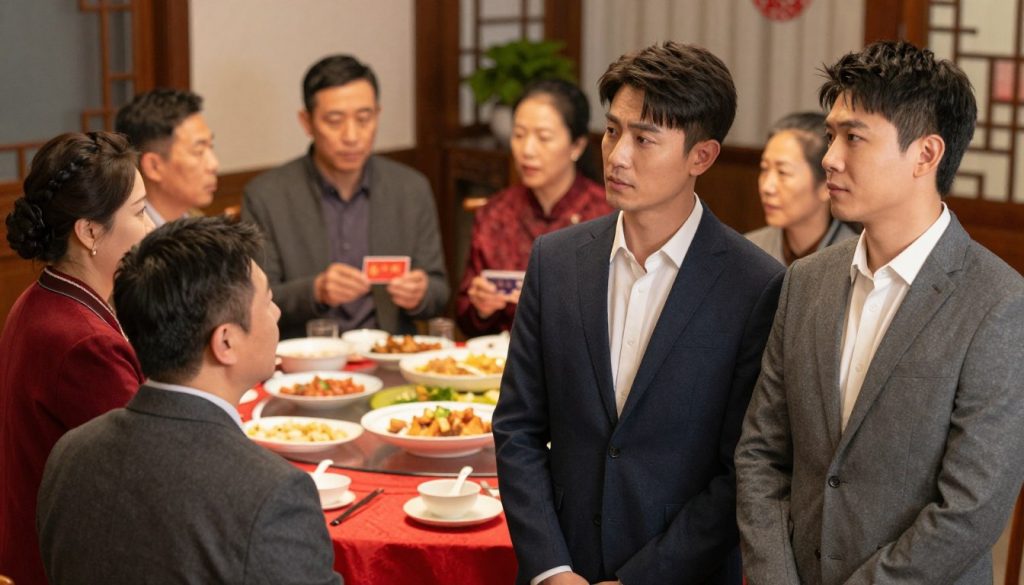
The term Sheng Nu, or “leftover women,” sheds light on the challenges unmarried women face. It shows the societal pressure on women to marry.
Understanding social connections and arranged introductions is key to understanding Chinese marriage pressure.
Education and Career Pressure
Chinese young adults face a big challenge. They must balance their education and career dreams with their family’s marriage expectations. This balance is a major stress for many, as they try to navigate modern Chinese society.
Balancing Career and Marriage
The push for a successful career often clashes with traditional marriage expectations in Chinese culture. Young professionals often struggle between growing their careers and pleasing their families to get married.
Career advancement demands a lot of time and effort. It leaves little space for the social and family duties linked to marriage.
Educational Achievements and Expectations
Educational success is key in the Chinese marriage market. Parents see a high education level as a good trait in a partner for their child. This puts a lot of pressure on young adults to do well in school.
The focus on education is so strong that it can overshadow other qualities. This leads to a culture where academic success is seen as essential for marriage.
The Role of Media and Pop Culture
Media and pop culture have a huge impact on what people expect from marriage in China. As society changes, how media shows marriage and relationships is key. It shapes what the public thinks.
Influence of Movies and TV
Movies and TV in China show love and marriage in ways that young people find relatable. These stories can change how young Chinese see marriage and dating. For example, popular dramas show perfect partners and magical romances. This sets high hopes for real-life love.
Key themes in Chinese media include:
- The importance of finding the right partner
- The challenges of balancing personal goals with family expectations
- The portrayal of sheng nu (leftover women) and the societal pressures they face
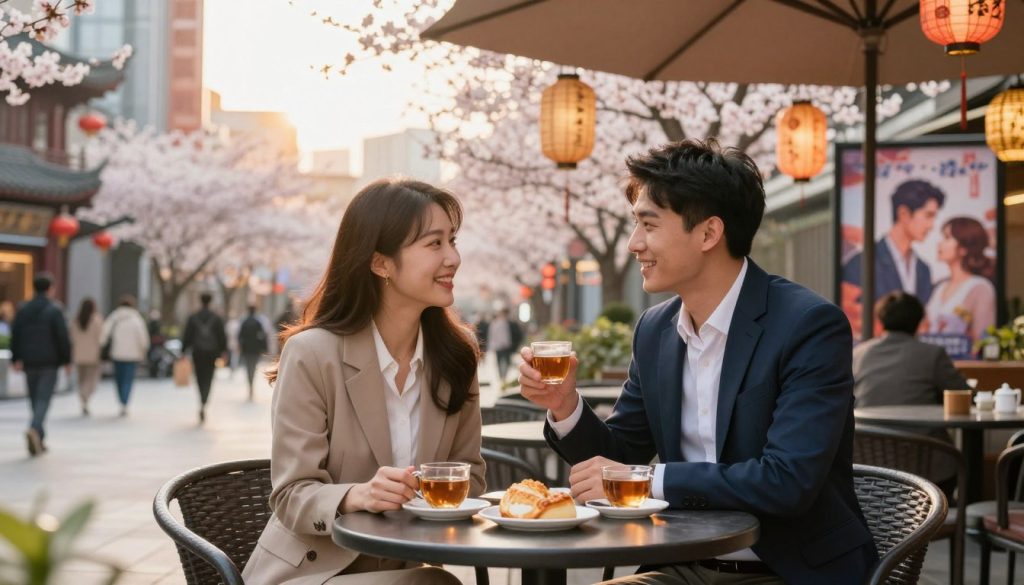
Changing Narratives Around Marriage
Recently, Chinese media has started to show marriage in new ways. Modern stories are more diverse, showing different relationships and experiences. This change shows how society’s views on marriage and dating are evolving.
Some of the new stories include:
- More women being shown as independent and making their own choices about marriage
- Exploring different kinds of relationships
- Showing the tough parts of modern marriage, like balancing work and family
These stories reflect the changing values in Chinese society. They also shape how young people think about love and marriage. As media keeps changing, it will likely play an even bigger role in shaping dating to marry in China expectations.
Coping with Marriage Pressure
Young Chinese are finding ways to deal with the stress of getting married. They face a lot of pressure from family and society. But, there are strategies to handle these expectations.
Discussing Concerns with Family
Talking openly with family is a good way to handle marriage pressure. It’s not always easy, but it’s key to understanding the source of the pressure. This way, you can find a solution that works for everyone.
When you talk to your family, be clear and empathetic. Share your career dreams and personal goals. Explain how hard it is to meet the expected marriage timeline. This helps your family see things from your perspective and find a middle ground.
Key points to discuss with family:
- Personal and career goals
- Concerns about marriage pressure
- Potential compromises on marriage timelines
Finding Support Among Peers
Support from friends is also important. Young Chinese can share their struggles and advice with peers. This helps them feel less alone and find ways to deal with the pressure.
Support can come from online groups, social clubs, or close friends. This network offers emotional support, practical tips, and a sense of belonging.
Here’s some data on how young Chinese value support from friends and peers when dealing with marriage pressure:
| Source of Support | Percentage of Young Chinese |
|---|---|
| Friends | 60% |
| Online Communities | 20% |
| Social Media | 15% |
| Family Members | 5% |
By talking to family and getting support from friends, young Chinese can manage marriage pressure better. These steps help them live a more balanced and happy life.
Future Trends in Chinese Marriage
The way people get married in China is about to change a lot. Young people are starting to think differently about marriage. They are influenced by the world outside China and are questioning old traditions.
Shifting Values Among Youth
Young people in China now value happiness and being compatible with their partner more. They are moving away from focusing on family and what society expects. This change is seen in people getting married later and more people dating before they get married.
Predictions for Marriage Patterns
Chinese parents are starting to see the need to change with the times. Marriage in the future will likely mix old and new values. It will focus more on respect and understanding between partners.
The impact of city life and modern ways will also play a big role. This could lead to more varied and accepting views of marriage.