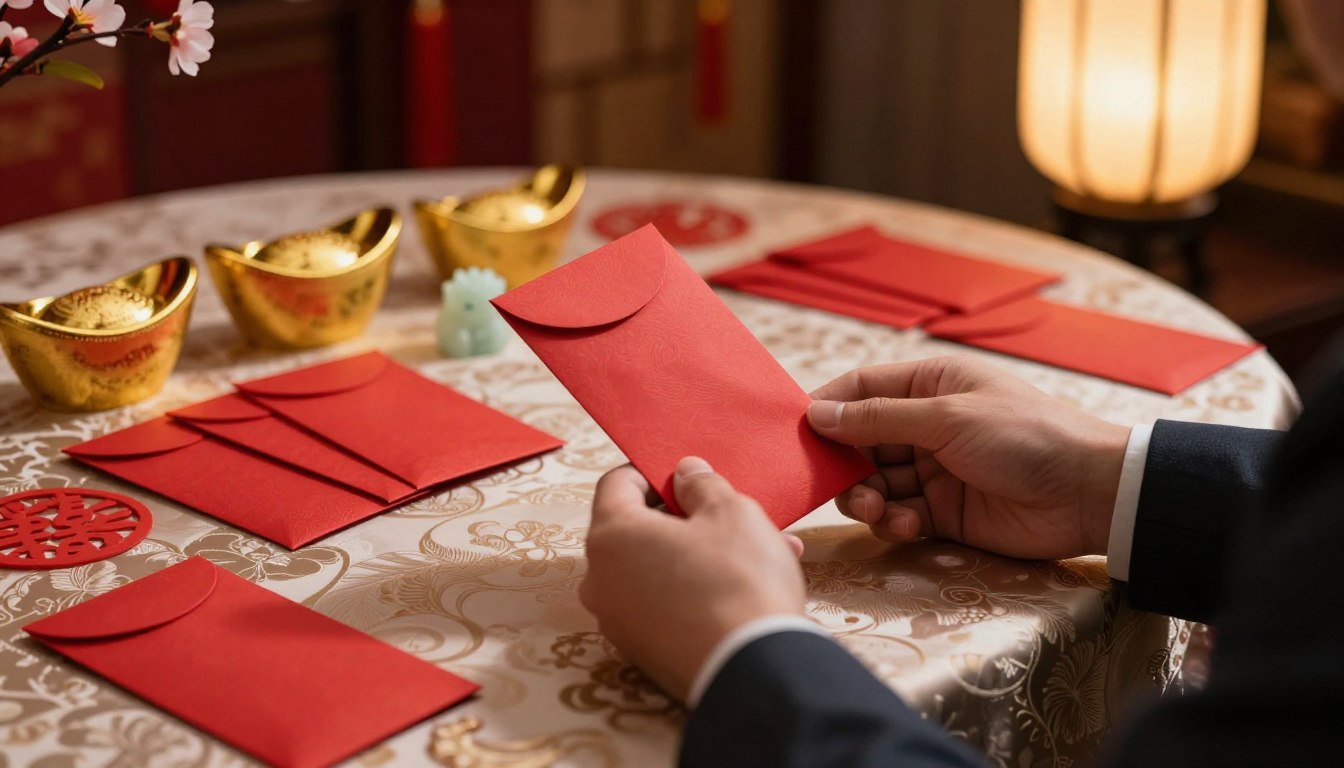
If you’re dating a Chinese woman from the U.S., knowing about Chinese red envelope etiquette is key. This guide, The Red Envelope Rules, shows why hongbao are important. They are seen as gifts and rituals, showing respect and obligation.
When you give red envelopes to your girlfriend’s parents, it’s more than just money. It shows your sincerity, financial stability, and how serious you are about the relationship. Families see it as a report card, judging your commitment and character based on the value and care you put into it.
This article is written in a friendly, easy-to-follow style for American readers. You’ll learn about giving hierarchy, what numbers to avoid, and how to present the envelopes. You’ll also discover how to exchange them politely and the modern ways of giving hongbao, like through WeChat and Alipay.
By following these hongbao etiquette tips, you can show respect and avoid embarrassing moments. This is especially important when meeting parents, celebrating Chinese New Year, or attending weddings.
Key Takeaways
- Hongbao combine gift and ritual; they reflect respect, obligation, and face.
- Giving red envelopes to girlfriend’s parents signals seriousness—choose amounts carefully.
- Avoid the number 4; favor 8 and even numbers for good luck.
- Use crisp, new banknotes and red or gold envelopes; present and receive with both hands.
- Do not open a hongbao in front of the giver; modern digital hongbao via WeChat or Alipay are widely accepted.
Understanding the Tradition of Red Envelopes
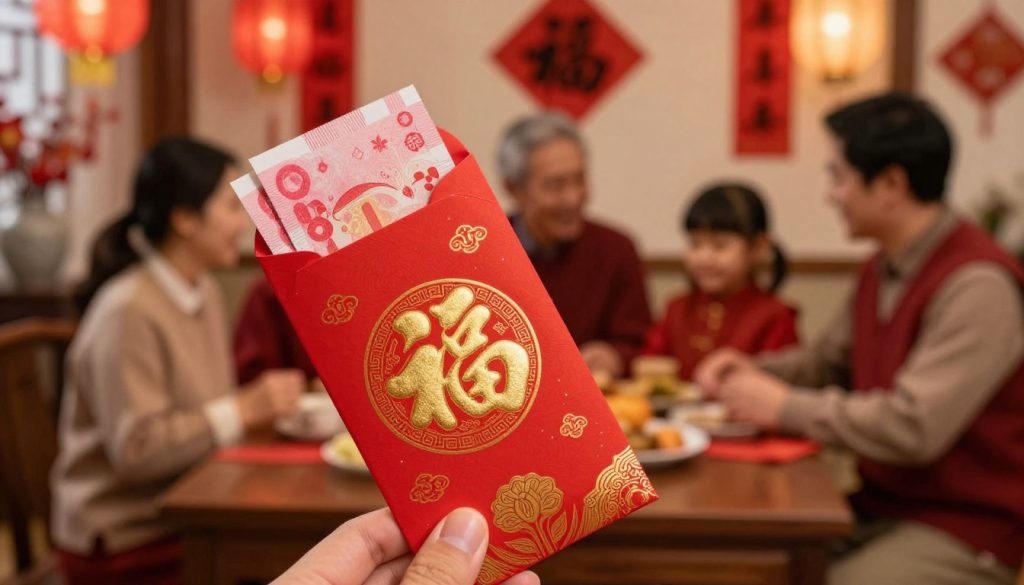
The red envelope, known as hongbao in Mandarin and lai see in Cantonese, is more than just a simple packet. It holds deep meaning and is a key part of many celebrations in China and Asia. It’s a symbol of wishes, protection, and social ties.
What is a Red Envelope?
Hongbao are small red packets filled with money for special occasions. They have a long history, starting with coins wrapped in red paper. Today, they often contain bills or are digital gifts through apps like WeChat and Alipay.
Historical Significance
The origins of hongbao are steeped in legend. One story tells of a demon named Sui, where families used red packets to ward off harm. By the 10th century, these packets evolved into decorated paper envelopes, symbolizing protection and blessings.
Cultural Importance
Red envelopes are more than gifts; they carry luck and protection. They strengthen family bonds and social networks, or guanxi. Elders give to children, married couples to unmarried relatives, and bosses to staff.
For foreigners, understanding hongbao history and etiquette is key. It shows respect and cultural awareness. The right amount, timing, and presentation are crucial, especially during the Chinese New Year.
| Aspect | Traditional Practice | Modern Variation |
|---|---|---|
| Form | Coins wrapped in red paper or silk | Paper envelopes, printed designs, digital packets |
| Occasions | New Year, weddings, births, coming-of-age | Same occasions plus online gift exchanges and corporate bonuses |
| Purpose | Protection, blessing, transfer of luck | Social bonding, convenience, broader reach via apps |
| Social Roles | Elders to young, married to unmarried | Employers to staff, clients to providers, global friends included |
| Etiquette Notes | Careful amounts, red color, neat presentation | Digital timing, respectful messages, awareness of Chinese red envelope etiquette and Chinese New Year money rules for foreigners |
When to Give Red Envelopes
Timing is as important as the thought behind giving hongbao. Many customs revolve around family events and public festivals. A bit of preparation helps you follow local customs with confidence and respect.
Major Occasions for Giving
Key times to give red envelopes include the Chinese Lunar New Year, weddings, births, and graduations. The New Year is especially busy.
The season for giving usually starts on New Year’s Eve and ends with the Lantern Festival. Expect many hongbao exchanges during this time.
Important Family Events
Family rules dictate who gives to whom. Married relatives give to unmarried family members. Grandparents and parents give to their children. Adults give money to elderly parents as a sign of respect.
At weddings, guests give envelopes to help with costs and celebrate the couple. Choose amounts that fit the local wedding customs.
Recognizing Significant Dates
Learn important family dates like birthdays and anniversaries. Giving a hongbao on these days strengthens family bonds and shows you care.
When you first meet relatives during the new year, offer the first hongbao. Prepare envelopes in advance to avoid being caught off guard.
Funeral customs are different. Don’t use celebratory hongbao for mourning. White envelopes and odd amounts are used in funerals. Keep red envelopes for happy events.
Tip for partners: If you visit your girlfriend’s parents for the first time, bring envelopes for children and retired parents. Thoughtful hongbao show respect and serious intent when meeting in-laws.
For foreigners, studying Chinese New Year money rules is helpful before major visits. This knowledge helps you know when and how to give red envelopes to your girlfriend’s parents with care.
The Symbolism Behind the Color Red
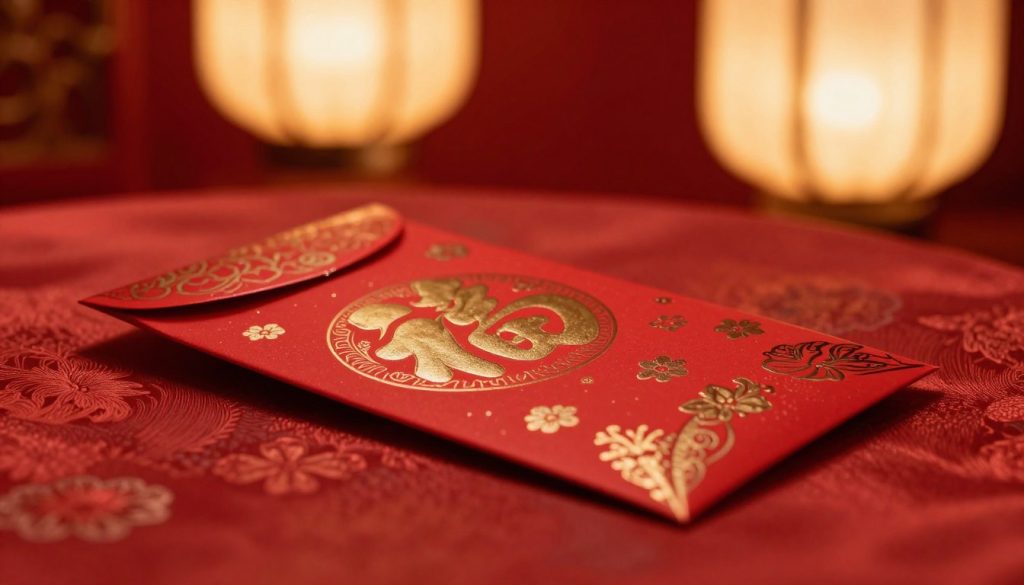
Red holds deep meaning in Chinese culture. It represents luck, joy, and protection from evil spirits. You’ll see red and gold on lanterns, wedding decor, and in hongbao. This is because they signal celebration and good fortune.
The Meaning of Red in Chinese Culture
Red is the color of celebration. Families use it for weddings, Lunar New Year, and when a baby is born. Envelopes often have blessing characters, coins, or koi motifs to wish for fortune and a long life.
Gold is paired with red because it means wealth and completeness. Giving a red and gold hongbao is a wish for a successful year or life. Many brands and stationery makers create designs that reflect these traditional motifs.
Colors to Avoid
White and black have somber meanings. White envelopes are used for funerary gifts called diànyí ( ). Giving white or black for a birthday or wedding might be seen as mourning and cause awkwardness.
For foreigners, it’s best to stick to red and gold hongbao. This rule helps avoid cultural mistakes and shows respect for local custom. Knowing which colors to avoid in hongbao helps you show thoughtful Chinese red envelope etiquette.
How Much Money to Include
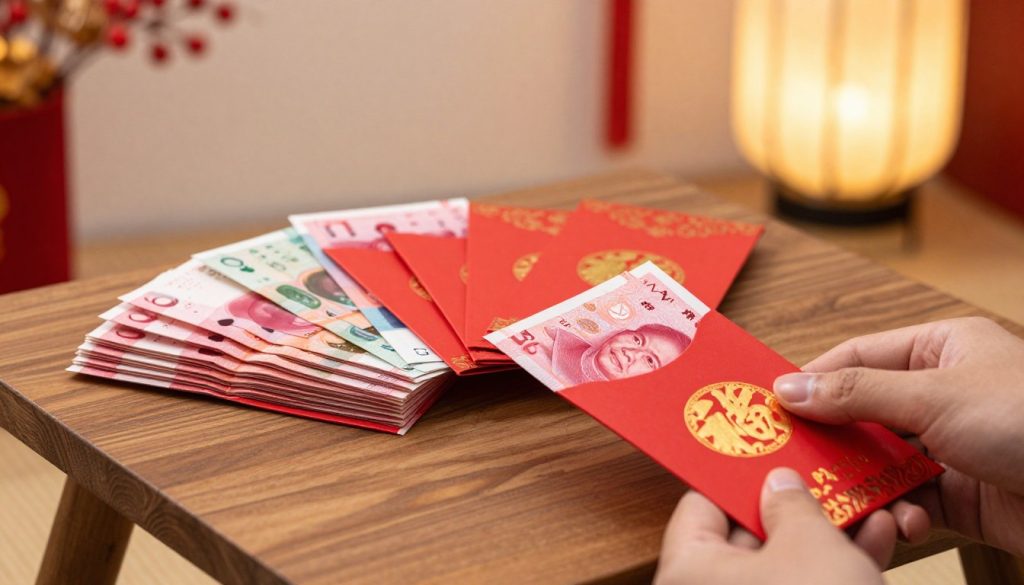
Deciding how much to put in a hongbao depends on the event and your relationship. The amount shows respect and intent. Read local cues, ask a trusted relative, and give more if you want to show seriousness.
Appropriate amounts for different relationships
Use these Hong Kong-based ranges as a starting guide and adapt to local cost of living.
- Close family: HK$50–HK$100 or more for casual visits; married couples giving to parents may give higher sums when appropriate.
- Young unmarried relatives: HK$50–HK$100 for festivals and birthdays.
- Children outside the immediate family: HK$20–HK$50 for Lunar New Year or school events.
- Building staff or regular service providers: HK$20–HK$100 depending on the role and frequency of service.
- Weddings: start around HK$500 and scale up with closeness and local expectations to help cover wedding costs.
Cultural context of monetary values
Amounts vary by city and household. Some hongbao are under 100 RMB, while others reach into the thousands or tens of thousands. Think about local norms and the family’s background when choosing a figure.
When giving red envelopes to girlfriend’s parents, you send more than cash. The sum reflects your financial stability and respect for their family. For retired parents, slightly higher amounts show generosity and care. For children in the family, modest sums that match traditions usually work well.
Numerical taboos and practical tips
- Avoid amounts containing the number 4. Numbers that include 6 or 8 are favorable. 9 may be acceptable for longevity.
- Weddings can have different conventions; ask a local contact before choosing odd or special totals.
- Where possible, place a single bill per envelope for neat presentation.
- For a U.S.-based boyfriend converting amounts, check what families expect locally. Ask your partner what is customary and choose a figure slightly above the minimum to show commitment when giving red envelopes to girlfriend’s parents.
If you still wonder how much money in hongbao feels right, remember that clarity beats guesswork. A short conversation with your partner will spare awkwardness and help you match cultural expectations on how much to give in red envelopes.
Choosing the Right Envelope
Choosing the right envelope is key for any gift. For red envelopes, go for traditional red/gold ones with gold foil or classic designs. For weddings, pick ones with double happiness symbols. For Lunar New Year, choose packets with auspicious characters.
For baby showers or birthdays, find designs that are playful yet respectful.
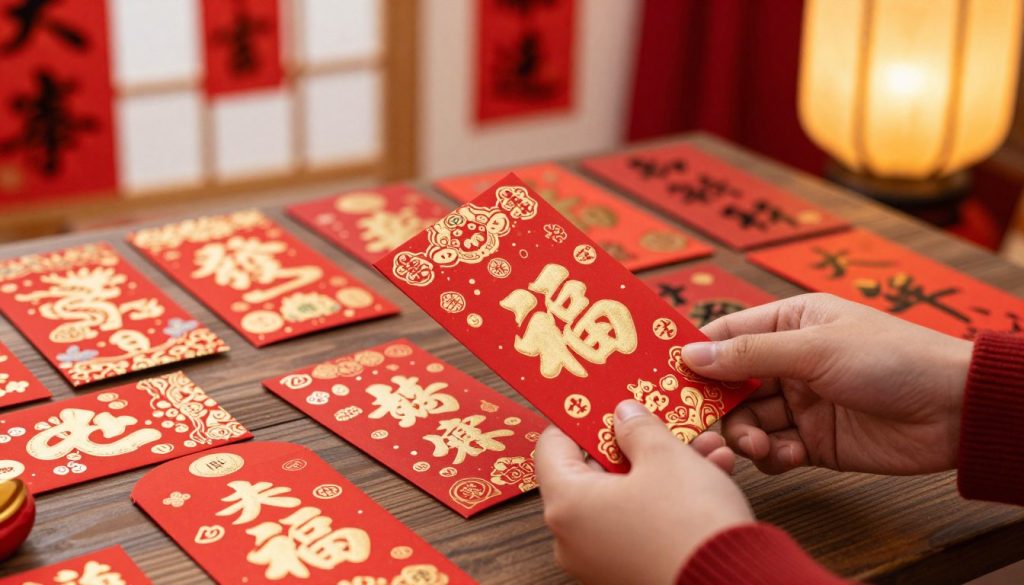
Stay away from novelty packets with white, black, or funeral themes. These can offend family members. Quality is important. Opt for good paper envelopes or use platforms like WeChat and Alipay for virtual hongbao.
Handwritten messages make gifts more personal. Use a black or blue pen for names and short notes. Never write names in red ink. A simple blessing or a note like “From David” is fine.
For formal gifts, use modest phrases or traditional greetings like 恭喜發財 / Gong xi fa cai.
Always put crisp, new banknotes inside. Get fresh bills from a bank, not old or crumpled ones. This shows respect, especially when getting red envelopes from in-laws. Thoughtful presentation makes a good impression and avoids awkward moments.
Proper Gifting Etiquette
Giving a hongbao is about showing respect, timing, and paying attention to details. Learn simple habits to make your gift feel thoughtful and fitting. These tips cover how to present your gift, polite rituals, and common mistakes to avoid.
Presentation and Timing
Always give and receive the envelope with both hands. This shows respect and care. Give the hongbao at a natural pause, like when you first meet family during Lunar New Year, at the end of a visit, or during greetings.
For married couples, wait until after the first year to give combined envelopes. Newlyweds often give one packet each in their first year. Use a single bill when possible. If different people get different amounts, put money in separate envelopes.
A Polite Refusal Ritual
Expect a gentle decline once or twice before acceptance. As the giver, offer the envelope and step back if the recipient demurs briefly. When you receive, decline politely twice before accepting to show humility and respect for the ritual.
Avoiding Mistakes
Never include the number 4 in amounts. Avoid odd numbers for celebratory occasions unless a local custom calls for them. Do not put coins in physical envelopes. Refrain from using white envelopes or wrinkled bills.
For younger relatives, virtual hongbao via WeChat or Alipay is widely accepted. Follow the same numeric taboos and pick festive graphics that suit the recipient. Practice these points to honor Chinese red envelope etiquette and show you know proper gifting etiquette when giving red envelopes to girlfriend’s parents.
Receiving Red Envelopes
When someone offers a hongbao, a short, polite response keeps the moment warm and respectful. Receive the envelope with both hands and say a simple thank-you like “ / Xie xie” in Mandarin or a New Year greeting such as “Gong xi fa cai” during lunar celebrations. This shows you understand basic Chinese red envelope etiquette and respect the giver.
Modest refusal once or twice before accepting is common. Decline briefly, then accept when the giver insists. Avoid appearing too eager. In some families children kneel or bow, but most urban settings simply follow the host’s lead. When receiving red envelopes from in-laws, stay calm and gracious; your behavior becomes part of the family’s ongoing renqing.
How to Respond Gratefully
Offer the envelope with both hands if you pass it back at a later time. If someone places a hongbao into your palm, cover it briefly with your other hand to show thanks. Short phrases work well: “ ” or “ ” in Cantonese contexts. Match your tone to the host’s language when possible. These small actions reinforce Chinese red envelope etiquette.
For virtual hongbao, accept through the app and send a polite reply message or a friendly sticker. A timely thank-you avoids awkwardness and signals appreciation across platforms.
Common Practices to Observe
Do not open the envelope in front of the giver. Wait until you are in private or with close family. Keep the bill inside until an appropriate moment. This simple rule preserves dignity for both parties.
Funeral envelopes use white or plain paper and follow separate protocols. In those cases, give and receive with solemnity, using odd amounts if local custom calls for them. Treat those exchanges as distinct from festive hongbao rituals.
| Situation | Proper Response | Why It Matters |
|---|---|---|
| Holiday hongbao from elders | Receive with both hands; say “Gong xi fa cai” or “Xie xie” | Shows respect and follows Chinese red envelope etiquette |
| Hongbao from in-laws | Decline once politely, then accept; thank them warmly | Builds renqing and preserves ongoing family ties |
| Virtual red envelope | Accept in app; send a thank-you message or sticker | Maintains etiquette in a digital context |
| Funeral offering | Handle solemnly; follow host’s lead and local practice | Respects grief rituals and avoids cultural mistakes |
Differences in Hongbao Across Regions
Hongbao practices vary by place. Travelers and diaspora communities notice these differences. Small changes in color, amount, and timing reveal local history and values.
The chart below summarizes common hongbao variations and helps compare customs side by side.
| Region | Local Name | Common Colors | Giving Window | Notes on Amounts |
|---|---|---|---|---|
| Mainland China | Hongbao | Red, gold accents | Chinese New Year, weddings, births | Even numbers favored; digital packets on WeChat and Alipay common |
| Hong Kong | Lai see / | Red; sometimes ornate designs | Lunar New Year, weddings, birthdays | Smaller practical amounts common; Cantonese customs influence timing |
| Vietnam | Lì xì | Red with gold lettering | Tet (Lunar New Year), weddings | Focus on children and elders; cultural overlap with Chinese traditions |
| Malaysia / Indonesia / Brunei | Sampul (for various festivals) | Red and green; green for Hari Raya in some cases | Lunar New Year, Eid adaptations, weddings | Envelopes adapt to Muslim-majority contexts; amount conventions vary by community |
| United States (Chinese communities) | Hongbao / Lai see | Red most common; mixed palettes in multicultural settings | New Year, weddings, community events | Blend of mainland and Cantonese norms; ask family for preferred practice |
Variations in practice between countries show how cultures reuse the red envelope idea. In Hong Kong, lai see often follows Cantonese rules. In Vietnam, lì xì centers on Tet family rituals. Southeast Asian Muslim communities sometimes swap red for green during Eid, creating a hybrid habit.
Local customs and adaptations shape how people give and receive gifts. Weddings in some areas prefer odd sums. Most birthdays and New Year gifts aim for even, lucky numbers. Funeral envelopes are white and use odd amounts to mark mourning.
Digital hongbao variations matter for foreigners. Mainland users favor WeChat Pay and Alipay for instant packets. Overseas families may use Venmo, PayPal, or bank transfers. Older relatives tend to prefer crisp cash in envelopes while younger relatives accept virtual red packets.
Practical tip for Americans: ask which tradition a family follows. Chinese red envelope etiquette can differ between Hong Kong-style amounts and mainland preferences. That single question avoids awkward mistakes and shows respect.
Tips for Foreigners Navigating Red Envelope Etiquette
Start by being curious and humble about hongbao customs. Before a big event or Chinese New Year, ask your partner or a friend about what’s expected. Watch how elders act to learn the right timing and gestures.
Learn the basics: use red or gold envelopes, put in new banknotes, and give them with both hands. Don’t use the number 4 and choose even numbers or 8. If you’re giving to your girlfriend’s parents, talk to your partner about the right amount and time.
Follow practical rules: give the hongbao with both hands, say no twice when you get one, and don’t open it in front of the giver. For younger relatives, check if WeChat or Alipay gifts are okay. But always respect older relatives’ wishes. These steps help you follow Chinese New Year money rules and avoid mistakes.
Being sincere is more important than being perfect. Most families appreciate your effort to learn their customs. If you’re unsure, ask your partner for advice. Showing respect and care in giving red envelopes builds trust and shows you value their traditions.