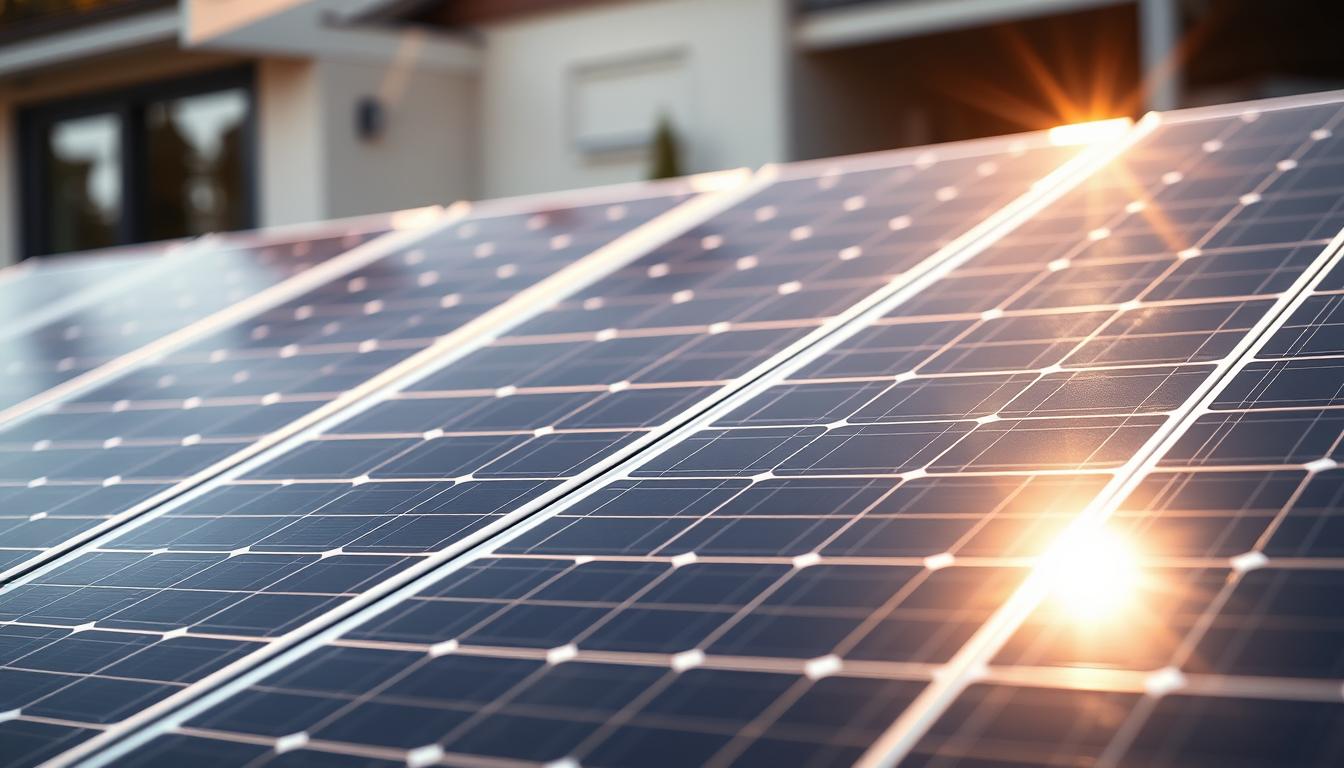
Did you know that the best solar panels out there today can turn over 22% of sunlight into electricity? That’s a pretty huge jump from just ten years ago, when 15% was considered good!
Picking really efficient solar panels for your home isn’t just about being trendy. It’s actually about getting the most power possible, especially if you don’t have a ton of roof space. Basically, higher efficiency means you generate more electricity from every square foot.
Smart homeowners know that more efficient panels mean more money in your pocket over time. They pay for themselves faster and save you more in the long run. You’ll rely less on your utility company and actually build value by investing in clean energy for your home.
The good news is, in 2025, there are more awesome choices than ever for powering your home with solar. Super advanced tech is now available at prices that make sense. Let’s talk about this to help you figure out the very best high-efficiency options out there right now!
The Big Takeaways
- Today’s best solar panels can turn more than 22% of sunlight into power.
- More efficient panels mean you get more electricity even if you have a small roof.
- Better panels save you money faster in the long run.
- Newer tech helps you rely much less on your electric company.
- In 2025, getting solar power for your home is the best deal it’s ever been.
Why Solar Panel Efficiency Matters for Your Home
Your roof is like a prime real estate for making your own power. When you pick high-efficiency solar panels, you’re basically turning that roof space into a mini power plant! Understanding how “efficiency” works helps you make smarter choices with your solar investment.
Simply put, a panel’s efficiency tells you how much electricity it can squeeze out of the sunlight. So, a panel that’s 22% efficient will make way more power than an 18% efficient one, even if they’re the same size and get the same amount of sun. This means you won’t need as many panels to power your home!
And let’s face it, most of us don’t have endless roof space. That’s why efficiency is so important! You want to get the absolute most power from every bit of roof you’ve got. More efficient panels let you generate all the electricity you need without taking up your entire roof.
The money benefits go beyond just needing fewer panels, too. You’ll also save on things like installation fees, the parts that hold the panels down, and electrical stuff. Plus, these super-efficient panels tend to work better even when conditions aren’t perfect – like if there’s a bit of shade or it’s a really hot day. They keep pumping out steady power when less efficient ones might struggle.
And for the long haul, that’s where efficiency really shines. Top-notch efficient panels usually come with better guarantees and keep performing at their best for longer. Over 25 years, all that extra power generated by high-efficiency panels can literally add thousands of dollars to your savings. Plus, you’ll be making a much bigger positive impact on the environment!
How We Selected the Most Efficient Solar Panels
When we set out to find the best solar panels for your home, we didn’t just glance at a few numbers. We actually spent months digging deep, checking out tons of different solar panel models so we could give you recommendations you can really trust. Our way of doing things combines all the techy details with how these panels actually perform in real life. That means you’re getting panels that truly do what they promise!
Every single panel on our list went through super tough tests, checking them against lots of different performance standards.
We focused on five main things that really affect how well your solar investment pays off. Each of these categories was equally important in our final ranking because they all play a part in long-term performance and getting you the best value.
Efficiency Rating Standards
This is basically how good a solar panel is at turning sunlight into actual electricity. We only picked panels that could convert over 20% of the sun’s energy, because higher efficiency means you get more power from each panel. If a panel is super efficient, you might need fewer of them to power your home, which is great if your roof space is limited!
Power Output and Performance
This isn’t just about the maximum power a panel can make on a perfect sunny day. We looked at how well the panels keep producing power even when the weather isn’t ideal, like on cloudy days or over many years. It’s about getting consistent, reliable power day in and day out, not just a flashy number.
Temperature Coefficient and Durability
Think of this as how well a panel handles the heat. Solar panels can lose a bit of their power when they get really hot, so we looked for models with a low “temperature coefficient,” meaning they stay more efficient even on scorching summer days. “Durability” is simply how tough and long-lasting the panel is against harsh weather like strong winds, heavy snow, or hail.
Warranty and Manufacturer Reputation
A warranty is your guarantee that the panel will perform for a long time. We checked out how long the warranties lasted and what they covered. “Manufacturer reputation” is about the company behind the panel – we only chose brands with a proven history of reliability and good customer service. You want to know the company will be around to back up their product!
Degradation Rate
This is how much a solar panel’s power output decreases over time. All panels lose a tiny bit of efficiency each year, but the best ones lose it very slowly. We looked for panels with a low degradation rate, meaning they’ll produce close to their original power for many, many years, giving you more savings in the long run.
So, when we say we picked the “most efficient” panels, it’s not just about that single efficiency number, but how they perform across all these important areas!
SunPower Maxeon 6 AC - Premium Efficiency Leader
Let’s talk about the SunPower Maxeon 6 AC. If you’re looking for the absolute best in solar tech, this one’s a real standout. It’s built for homeowners who want serious power and reliability, even if they don’t have a huge roof. This isn’t just any solar panel; it’s a top-tier choice that really squeezes the most out of every ray of sun.

What Makes the Maxeon 6 AC So Special?
The secret here is SunPower’s Maxeon cell technology. Unlike most solar cells with fragile silver lines, Maxeon cells have a solid copper foundation. This makes them super tough and more conductive, so you lose less power. This smart design gives them an impressive 22.8% efficiency rating, making them one of the most efficient panels for homes right now.
Plus, each Maxeon 6 AC panel has a microinverter built right in. This is a big deal because it means each panel works independently. If one gets shaded or has an issue, the others keep producing power. This panel also delivers 440W of power and has a great temperature coefficient of -0.29%/°C, meaning it works better in the heat than many others. And you get a fantastic 25-year warranty covering both the panel and its power output.
Main Features and Specifications
| Specification | Value | Industry Standard | Performance Advantage |
|---|---|---|---|
| Panel Efficiency | 22.8% | 18-20% | 15% higher output |
| Power Output | 440W | 350-400W | Superior generation |
| Temperature Coefficient | -0.29%/°C | -0.35%/°C | Better hot weather performance |
| Warranty Period | 25 years | 20-25 years | Industry-leading coverage |
Pros
- It’s highly efficient! You’ll get tons of power from less roof space.
- Those microinverters mean no single point of failure for your system, and better output in tricky conditions like partial shade.
- It keeps producing power even on cloudy days.
- SunPower stands behind these with a fantastic 25-year warranty that covers both the panel itself and its power output.
- The all-black design means it looks really sharp on your roof.
Cons
- These are premium panels, so they’ll cost more upfront than standard options.
- You can only get them through specific, certified installers.
- While you save more over time, the initial higher cost might mean it takes a bit longer to see those savings kick in compared to cheaper systems.
Basically, the Maxeon 6 AC is perfect if you have limited roof space but want maximum power output and are ready to invest in top-tier technology for long-term benefits.
REC Alpha Pure-R - Advanced Heterojunction Technology
REC Alpha Pure-R panel is pretty cool because it uses something called “heterojunction technology.” Basically, it mixes the best parts of regular silicon solar cells with some super advanced thin-film stuff. The result? A solar panel that’s really efficient and still gives you great value for your money.
What's Special About Its Technology?
The Alpha Pure-R gets its awesome performance from its heterojunction solar cells. Think of it like a layered cake that’s really good at catching sunlight, even more effectively than standard panels. This technology is especially good when the sun isn’t shining brightly, like on cloudy days or in the early morning and late evening.
Quick Look: The REC Alpha Pure-R Specs
- Efficiency: Gets up to 22.3% module efficiency. That’s really solid!
- Power: Each panel can pump out between 405 and 430 watts.
- Hot Weather Performance: It has a great temperature coefficient of -0.26%/°C, meaning it handles the heat really well.
- Warranty: You get a strong 25-year product warranty and a guarantee that it’ll still be at 92% power after 25 years. That’s serious long-term peace of mind.
- Size: The panels are about 84.3 x 41.5 x 1.4 inches.
Pros
- It’s super efficient and known for being reliable.
- It performs strongly in all sorts of weather conditions.
- It offers a great balance – high performance without hitting those super premium price points.
- The warranty is robust, giving you confidence for the long haul.
- It’s made with European quality standards, which is always a plus.
Cons
- It’s still a bit pricier upfront than very basic solar panels.
- You might find it’s not available everywhere, depending on your region.
- While highly efficient, it’s just a tiny bit below the absolute top-tier panels in terms of pure efficiency numbers.
Ultimately, the REC Alpha Pure-R is a fantastic choice if you want advanced tech and high performance, but you’re also looking for a really good value. It’s perfect for homeowners who want great power without breaking the bank on the most expensive options out there.
Panasonic EverVolt EVPV370: The Trusted Performer
The Panasonic EverVolt EVPV370 panel is a really solid choice, known for putting out impressive power. It uses advanced “heterojunction cell technology” which means it’s built to capture sunlight super effectively for top efficiency.
What Makes Panasonic EverVolt EVPV370 Special?
The EverVolt EVPV370 is designed to keep giving you power for a long, long time, thanks to its top-notch efficiency and very low degradation rate (meaning it loses less power over the years). It uses half-cut cells with heterojunction technology, which is a fancy way of saying it’s super good at catching sunlight and turning it into energy, giving you much higher power output than older panels. This tech helps minimize electron loss, boosting efficiency up to 21.2%.
Plus, this panel is a champ in the heat! Its industry-leading -0.26%/°C temperature coefficient means it keeps working really well even on the hottest days, giving you more energy throughout the day. It also performs better when parts of it are shaded, ensuring more consistent power to your home.
Quick Look: The EverVolt EVPV370 Specs
- Power Output: Available in 360-watt and 370-watt models.
- Efficiency Rating: Up to 21.2% (for the 370W model).
- Hot Weather Performance: It has an industry-leading temperature coefficient of -0.26%/°C, meaning it handles the heat really well.
- Warranty: A strong 25-year “AllGuard” and “TripleGuard” warranty covers performance, product, parts, and labor. This means even in year 25, Panasonic’s got your back, guaranteeing at least 92% power output.
- Durability: Backed by over 40 years of Panasonic’s solar experience and rigorous testing.
Pros
- Excellent build quality from a trusted brand with decades of experience.
- Superior performance in high temperatures and low-light/shaded conditions, meaning more consistent energy production throughout the day.
- High efficiency allows maximum power from less roof space.
- Comprehensive 25-year warranty that covers nearly everything, providing serious peace of mind.
- Very low degradation rates (LID/PID) ensure it keeps performing well for a long time.
Cons
- It comes with a higher upfront cost compared to very basic solar panels.
- While a top-tier brand, its overall peak efficiency (21.2%) is slightly below the absolute highest in the market (like some SunPower models at 22.8%).
- Availability might vary by region, potentially affecting installation times.
LG NeON R Prime: The Sleek, High-Performance Choice
Let’s look at the LG NeON R Prime. This one really flexes its tech muscles, featuring an “innovative cell design” that’s all about maximizing how much energy it can capture. It uses a unique “front contact structure,” which means it’s super optimized to absorb light.
What's Special About Its Technology?
The NeON R Prime is a powerful solar panel designed for top performance. It uses a new cell structure with no electrodes on the front, which is pretty clever because it means more sunlight gets through to be converted into power. This design maximizes light use and also makes the panel more reliable.
LG’s put a lot of effort into making this panel more than just efficient. It comes with an enhanced warranty, boasts impressive durability, performs great in real-world conditions, and has a super sleek, modern all-black design that looks fantastic on any roof. Its monocrystalline N-type cells also contribute to its high efficiency and longevity.
Quick Look: The NeON R Prime Specs
- Power Output: Around 360-365 watts.
- Efficiency: Up to 21.7% efficient. That’s really good!
- Hot Weather Performance: It handles heat well, losing less power when it’s hot.
- Warranty: You get a strong 25-year warranty for the panel itself and how much power it makes. It promises at least 90.8% power after 25 years. That’s great peace of mind for a long time.
- Durability: It has a super strong frame that can handle heavy snow or really strong winds (like 208 mph!). It’s also tested to resist salt and ammonia.
- Space Efficient: It’s designed to give you a lot of power from a smaller area on your roof.
Pros
- Looks great with its all-black design.
- Very efficient because more sunlight gets to the cells.
- Gives high power output from a small space.
- Extremely durable against tough weather.
- Comes with an excellent 25-year warranty.
- Proven to perform well in everyday conditions.
Cons
- Even though it’s a top panel, its efficiency (21.7%) is a tiny bit lower than the absolute best on the market.
- Sometimes, it might take longer to get these panels if your installer is ordering many at once.
Qcells Q.TRON BLK M-G2+: High Performance, Great Value
The Qcells Q.TRON BLK M-G2+ is a super popular choice, especially among homeowners looking for a great balance of strong performance and solid value. It uses advanced technology to give you a lot of power and is designed with real-world conditions in mind.
What's Special About Its Technology?
The Q.TRON BLK M-G2+ gets its power from Q.ANTUM NEO technology. This is an advanced cell design that helps the panel perform really well, even when there’s not perfect sunlight. It’s designed to minimize energy loss, meaning more of that sunlight gets turned into electricity for your home. It’s also built for long-term yield security with special tech to fight issues like Anti LeTID and Anti PID.
Quick Look: The Q.TRON BLK M-G2+ Specs
- Power Output: Ranges from 415 to 440 watts.
- Efficiency Rating: Up to 22.5% efficiency. That’s seriously impressive!
- Hot Weather Performance: It handles heat well with a temperature coefficient of -0.30 % / K, meaning it stays efficient even on scorching summer days.
- Warranty: It comes with a strong 25-year product warranty and a 25-year linear performance warranty.
- Durability: Features a high-tech aluminum alloy frame that can handle tough conditions, certified for high snow (8100 Pa) and wind loads (3600 Pa).
- Dimensions: It’s about 67.8 inches long, 44.6 inches wide, and 1.18 inches thick (1722 mm × 1134 mm × 30 mm).
- Weight: Each panel weighs 46.7 lbs (21.2 kg).
Pros
- High performance from its Qcells N-type solar cells.
- Optimal yields no matter the weather, thanks to excellent low-light and temperature behavior.
- Enduring high performance over many years.
- Strong durability with a reinforced frame for high snow and wind loads.
Cons
- While great in heat, its temperature coefficient (-0.3%) is slightly higher than the absolute best (like SunPower or REC Alpha Pure-R), meaning it might lose a tiny bit more efficiency in extreme heat.
- May not always be the absolute top in efficiency numbers compared to the very latest niche panels (like new Maxeon 7 models), but it’s very close and offers broader value.
Factors That Impact Real-World Solar Panel Performance
You’re looking at solar panels and their efficiency numbers. But here’s the thing: how much power your panels actually make on your roof depends on more than just those lab test results. Think of it like a car’s gas mileage – what you get on paper isn’t always what you get on the road! Understanding these real-world factors helps you pick the right setup and get the most out of your solar investment.
Your Home's Setup and the Environment
Even the most efficient solar panels can underperform if they’re not installed correctly or if your home’s surroundings aren’t ideal.
Roof Direction and Shade: In most of the U.S., a south-facing roof is typically best for getting the most sun. East and west-facing roofs can still work great too. The angle of your roof matters, but a slight difference usually won’t hurt much.
The biggest enemy of solar panel performance? Shade. Even a small shadow from a tree, chimney, or a neighbor’s house on just one panel can drastically cut down the power from your whole system. That’s because panels are wired together, and if one struggles, it can drag the others down.
And here’s a surprising one: hot weather actually reduces panel efficiency. It’s true! Most panels lose about 0.4% efficiency for every degree above 77°F. So, your panels might produce a bit less power on a scorching summer day than on a milder spring afternoon. Good ventilation under your panels helps them stay cooler and perform better.
The Tech Behind the Scenes and Keeping Things Clean
It’s not just the panels themselves; the other parts of your solar system and how you take care of them also make a big difference.
Inverter Quality: These are the brains that convert the power your panels make into usable electricity for your home. High-quality inverters do this more efficiently, while cheaper ones can waste 5-10% of your generated power. If your roof gets a lot of shade, power optimizers or microinverters (like what you see with SunPower Maxeon AC panels) can be a smarter choice than a single “string” inverter, as they help each panel work at its best independently.
Regular Upkeep: Clean panels make more power. Dust, bird droppings, or other gunk can reduce your output by 15-25%. While rain helps wash a lot of it away, many homeowners benefit from a professional cleaning once or twice a year.
Also, monitor your system regularly. Most modern solar setups come with apps that let you track your daily power output. This makes it super easy to spot if something’s off early on, before a small problem becomes a costly fix.
The Big Picture: Choosing Your Solar Power Partner
So we’ve broken down what makes the top solar panels tick, from their high-tech cells to their impressive warranties. You’ve seen that getting the most efficient panels isn’t just about saving money; it’s about maximizing your roof’s potential, especially if space is tight. Remember, while those awesome efficiency numbers are a great starting point, real-world performance also depends on things like your roof’s direction, any shade, and even how hot your climate gets.
In 2025, you’ve got incredible choices from brands like SunPower, REC, Panasonic, LG, and Qcells. By weighing all these factors—from panel specs to installation quality—you can pick a system that fits your budget and promises reliable, high-output performance for decades. Investing in solar is a big step towards energy independence and a greener future, helping you soak up those savings and clean energy in no time!
Your Solar Questions Answered!
What makes one solar panel better at making power than another?
It’s all about how much sunlight a panel can turn into electricity. The best panels use super smart tech inside their cells to catch more sun. This means they get the most power possible from each panel, which is key if your roof doesn’t have a lot of open space.
How much does how good a solar panel is at making power really matter for my home?
It matters a lot! A panel that’s 22% good at making power will give you about 10% more electricity than a 20% good one in the same spot. This means more energy for your home, your system pays for itself faster, and you might even need fewer panels overall.
Are the best solar panels worth paying more for?
Usually, yes! The top solar panels cost a bit more at first, but they save you more money over time. They make more electricity for longer, you might need fewer panels, and they often come with better guarantees. If your roof space is tight or you just want the most power, these better panels usually pay off in the long run.
What number should I look for when checking how good a panel is at making power?
Aim for panels that are 20% efficient or higher. The best ones for homes right now are usually between 20% and 22.8% efficient. Panels that are 18-19% are still okay, but picking higher efficiency means you get the most power from the roof space you have.
Do better solar panels work better in different kinds of weather?
Yes, they do! The top solar panels, with their advanced tech, tend to work better no matter the weather. They often make power well even when it’s cloudy, handle hot temperatures better, and keep their power output more steady. These high-quality panels are also tougher and last longer, making them a good choice for any climate.