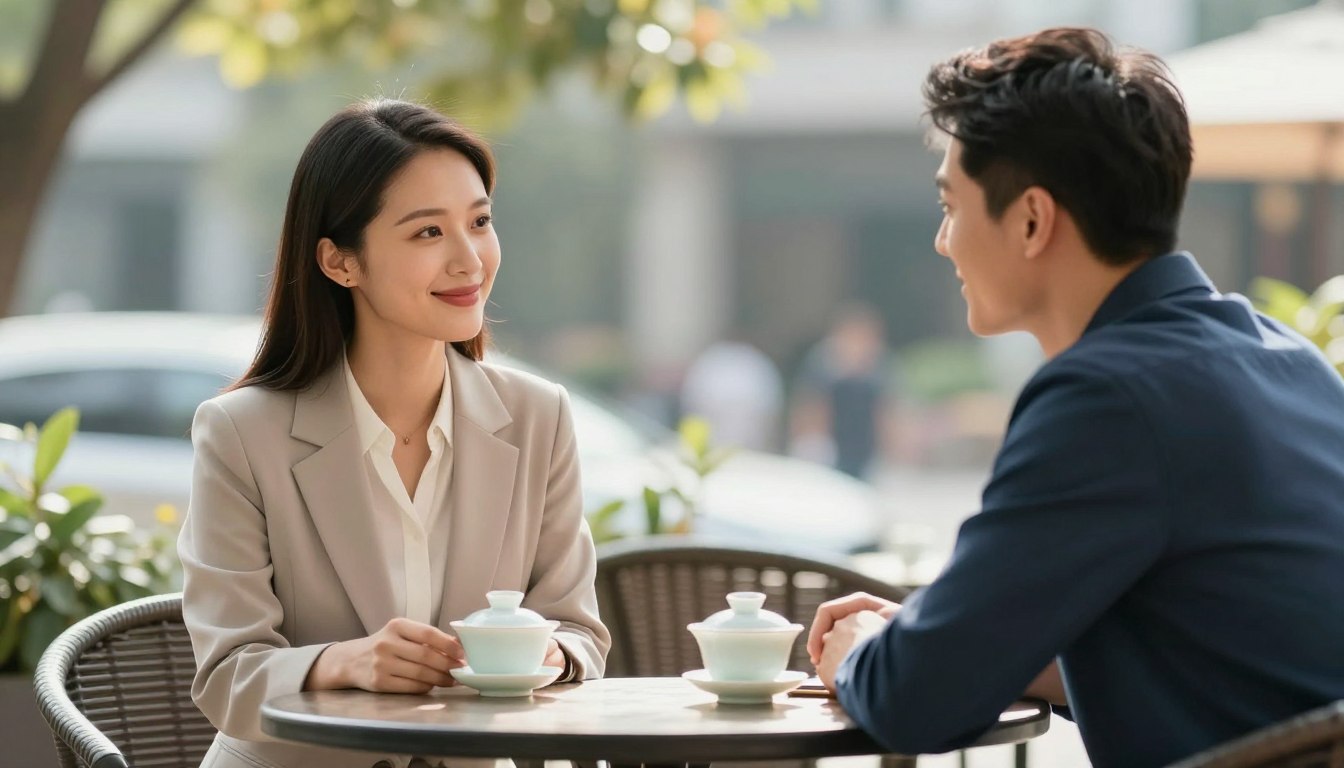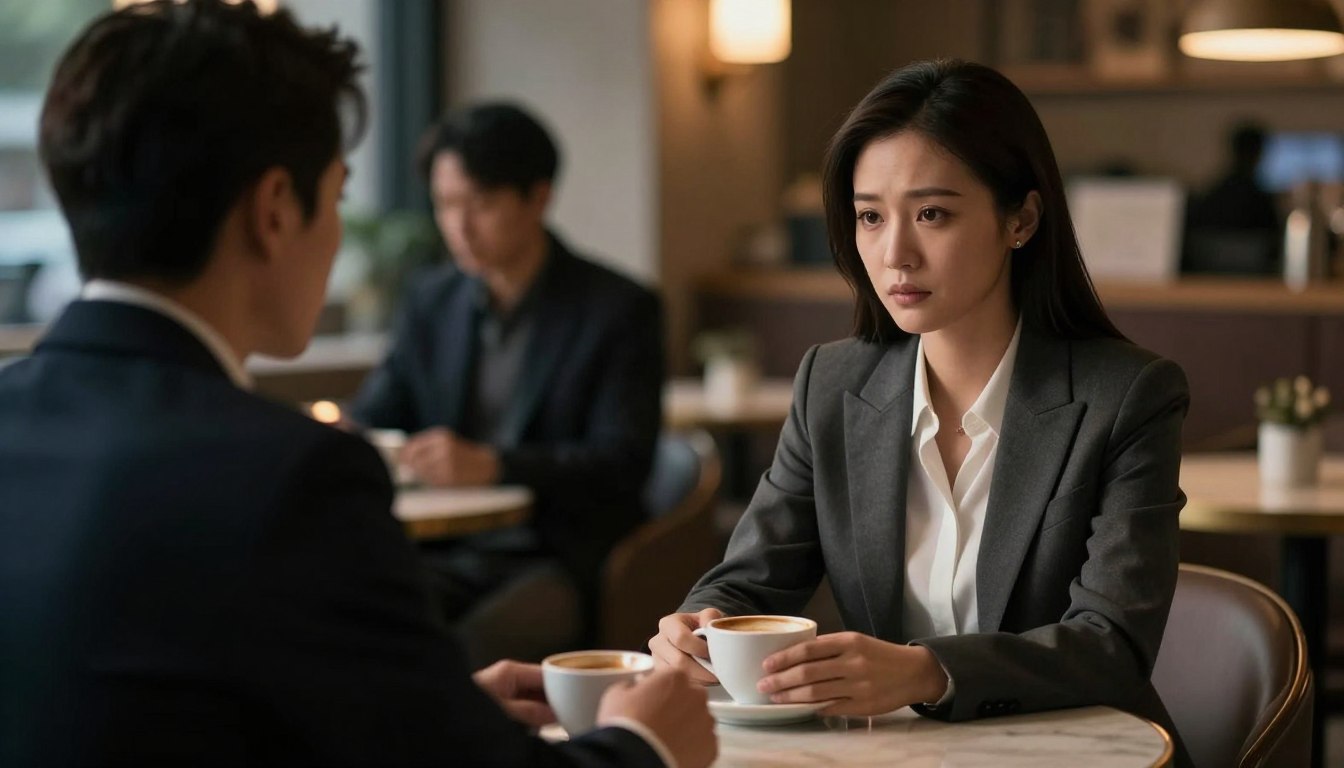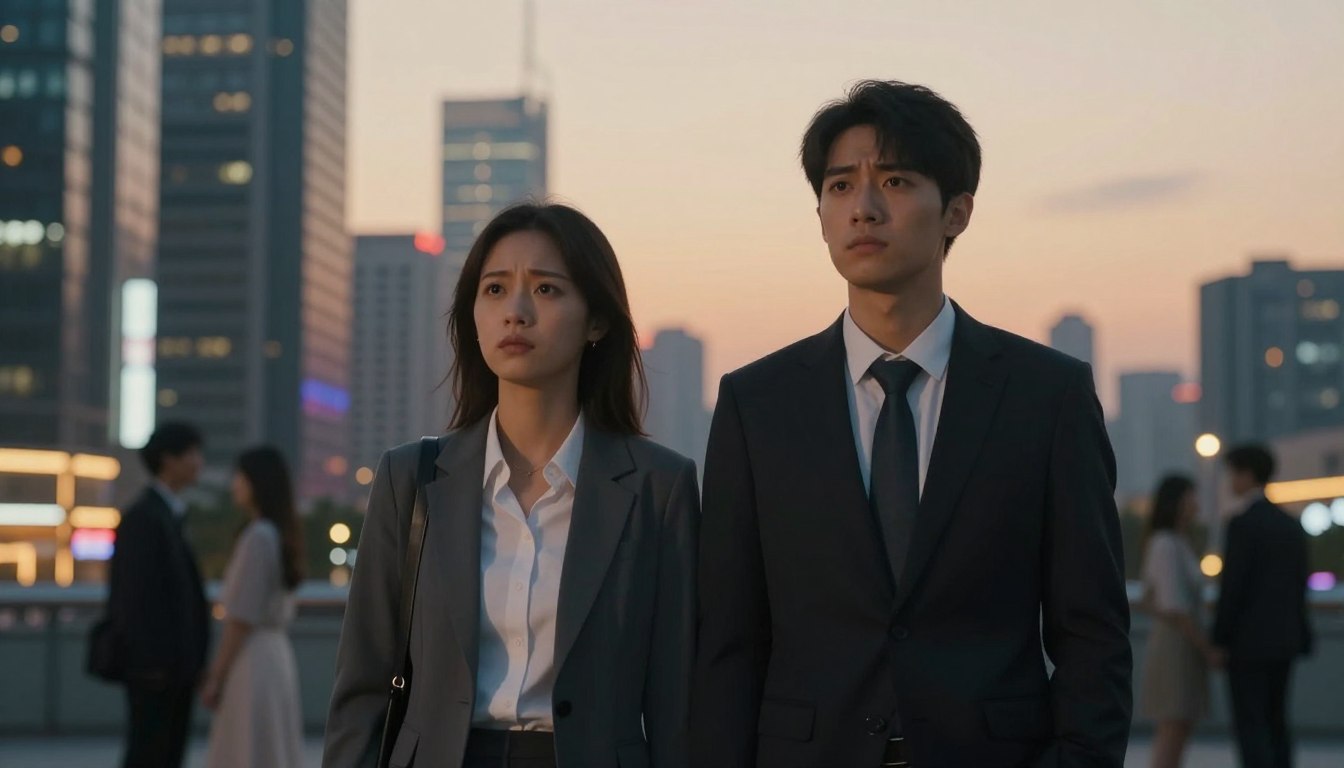
The concept of Neijuan, or “involution,” is increasingly relevant in modern Chinese society, particularly among young professionals.
I find myself pondering the effects of this phenomenon on personal relationships, especially romance. The demanding work culture, often referred to as “996” (9am-9pm, 6 days a week), leaves little emotional bandwidth for love and relationships.
This intense pressure is reshaping the way people approach romance, making it a fascinating topic to explore. As we delve into the world of Chinese literature and contemporary culture, we uncover the intricate dynamics at play.
When I First Heard About "Dating Resumes," I Thought It Was a Joke.
The term “Dating Resumes” sounded like a joke to me at first, yet it reflects a broader trend in how dating is approached today, especially in China. As I delved deeper, I realized that this concept is a symptom of a larger issue, the shift from “Passionate Love” to “Efficient Intimacy.”
In modern Chinese dating culture, the lines between professional life and personal life are increasingly blurred. The idea of treating dating like a project management task, where Return on Investment (ROI) is key, is becoming more prevalent. This isn’t just about creating a resume for dating, it’s about adopting a mindset where every interaction is optimized for the best outcome.
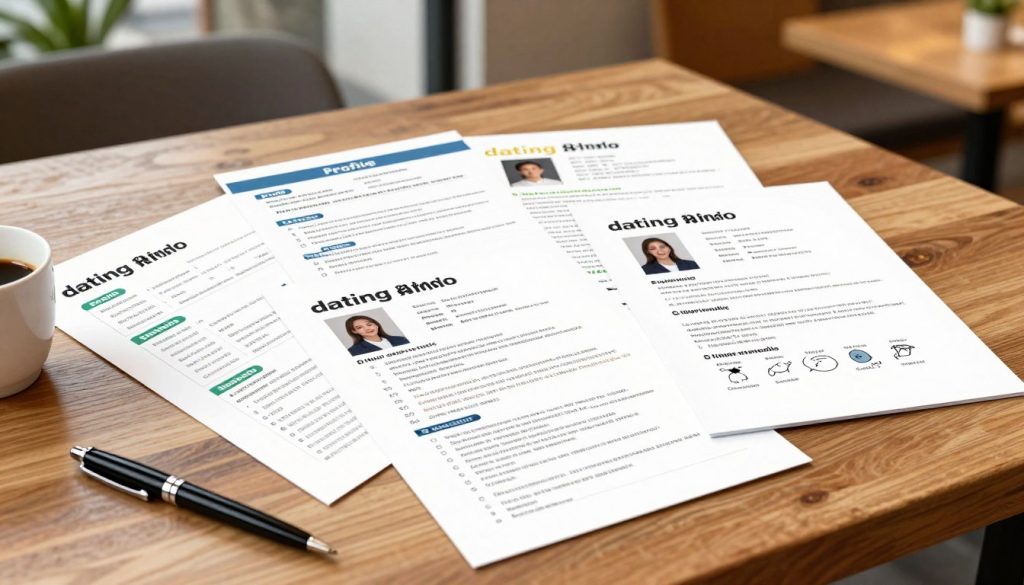
This shift is reflective of the broader societal pressures and the emotional journey individuals undertake in the face of burnout and exhaustion. The traditional notions of a love story or romantic novel are being redefined, as the focus moves from emotional fulfillment to efficiency and practicality.
Why Are Chinese Millennials Are Too Exhausted to Swipe?
The “996” reality is a harsh truth for Chinese millennials, leaving them too exhausted for romance. This demanding work culture, which requires employees to work from 9 am to 9 pm, six days a week, has become a norm in many Chinese tech companies.
As a result, young professionals are left with little energy for dating apps, let alone actual dates. The exhaustion is not just physical, it’s also emotional. The constant pressure to perform and deliver results under such grueling conditions drains their emotional bandwidth.
What Does Living "996" Actually Mean?
Living “996” means sacrificing one’s personal life for the sake of career advancement. It means long hours, high stress, and little work-life balance. Employees under this regime often have to work extended hours without overtime pay, and their workload is typically heavy.
The impact on their personal lives is significant. Dating and maintaining relationships become challenging when one is constantly exhausted. The lack of time and energy for social activities makes it difficult to meet new people or nurture existing relationships.
| Aspect | Impact of “996” |
|---|---|
| Work Hours | 9 am to 9 pm, 6 days a week |
| Work-Life Balance | Minimal to none |
| Emotional Bandwidth | Drained due to high stress |
| Dating Life | Negatively affected due to lack of time and energy |
The Death of Emotional Bandwidth.
The constant stress and pressure of the “996” work culture lead to a significant reduction in emotional bandwidth. When individuals are drained, they have little capacity to engage in emotional labor, including dating and relationships.
“The most exhausting thing in life is being insincere and being constantly on your guard, pretending to be something you’re not.” – Anonymous
This quote resonates with many young professionals in China who feel drained by the demands of their jobs and the pressure to maintain a certain image or performance level.
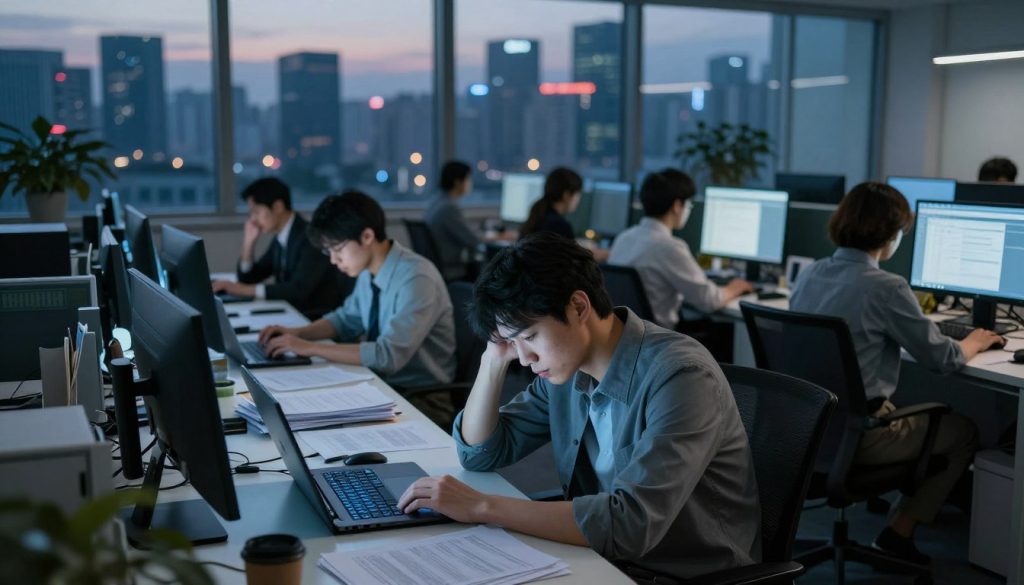
The phenomenon of neijuan (internal , or “involution”) is closely related to this exhaustion. It refers to the intense competition and pressure to overwork, leading to burnout. The “996” culture exacerbates this, leaving millennials too exhausted to engage in romantic activities or even swipe through dating apps.
Neijuan Explained: The Burnout Epidemic Reshaping Everything.
Neijuan, a concept that’s gaining traction, represents the burnout epidemic that’s reshaping various aspects of Chinese life. This phenomenon, often translated as “involution,” signifies a state where individuals feel overwhelmed by internal competition, leading to exhaustion and a significant decrease in their quality of life.

From Competitive Pressure to Complete Exhaustion.
The relentless pursuit of success in China has created an environment where competitive pressure is not just external but also internalized. Individuals feel compelled to constantly improve and outperform their peers, leading to a state of chronic stress. This pressure cooker environment eventually results in complete exhaustion, where the individual feels drained of their mental and physical resources.
Why Does Dating Feel Like Another Performance Review?
In a society where productivity and efficiency are paramount, it’s no surprise that dating has become another arena for performance. The pressure to present oneself as an ideal partner, coupled with the fear of not meeting expectations, turns dating into a high-stakes activity. It’s as if individuals are undergoing a performance review, where their worth is evaluated based on their attractiveness, achievements, and potential.
“In the context of Neijuan, dating isn’t just about finding love, it’s about optimizing one’s romantic life to achieve a certain status or security.”
This mindset is reflective of the broader societal issue where love in the time of Neijuan becomes a calculated endeavor rather than an emotional connection. The bestseller Chinese literature often highlights this struggle, providing a mirror to the societal pressures that drive individuals towards burnout.
As we delve deeper into the concept of Neijuan, it becomes clear that it’s not just a personal issue but a societal one. The Diagnosis: “Involution” (Neijuan) Reaches the Heart, signifies a critical point where the effects of Neijuan are not just limited to professional life but have permeated personal relationships and overall well-being.
The Shift from Passion to Efficiency.
Neijuan, or the feeling of being internally burnt out, is reshaping the way we experience love. As individuals struggle to manage their energy levels, the traditional notions of romance are being reevaluated. The result is a shift from passionate love to efficient intimacy.

Romance as Energy Management.
In the era of Neijuan, dating and relationships become a matter of energy management. People are no longer looking for grand romantic gestures but rather seeking ways to conserve and efficiently use their limited emotional resources. This means that romance is being redefined as a practical aspect of life rather than an emotional highlight.
Some key aspects of romance as energy management include:
- Prioritizing low-key, low-energy dates
- Focusing on comfort and familiarity rather than excitement and novelty
- Using technology to streamline communication and reduce emotional labor
When Feelings Become ROI Calculations.
The emotional exhaustion caused by Neijuan leads to a utilitarian approach to feelings. People begin to view relationships as investments that should yield tangible returns. This mindset shift means that the emotional ROI (Return on Investment) becomes a critical factor in deciding whether to pursue or maintain a relationship.
Key considerations in this calculation include:
- The emotional support provided by the partner
- The practical benefits, such as shared responsibilities or financial stability
- The personal growth or development opportunities within the relationship
The End of the Fairy Tale Narrative.
As Neijuan becomes more prevalent, the traditional fairy tale narrative of love is losing its appeal. The expectation of a grand, all-consuming romance is giving way to a more pragmatic view of relationships. People are seeking practical companionship over romantic ideals.
This shift is characterized by:
- A focus on mutual support and cooperation
- A more realistic understanding of the challenges and compromises involved in relationships
- A decreased emphasis on romantic gestures and grand displays of affection
When Did Dating Become Human Resources?
The “Ex-Referral” system is revolutionizing the way people date in China, treating relationships like HR tasks. This trend involves creating and sharing “resumes” of ex-partners on social media, a practice that’s gaining traction among burned-out professionals.

How Do Ex-Partner "Resumes" Actually Work?
In this system, individuals create detailed “resumes” for their ex-partners, highlighting their strengths and weaknesses in relationships. These “resumes” are then shared on social media platforms, serving as a form of reference for potential future partners.
The “resume” typically includes information such as:
- Duration of the relationship
- Positive attributes (e.g., kindness, sense of humor)
- Negative attributes (e.g., jealousy, lack of communication)
- Reasons for the breakup
Posting Your Ex's Qualifications on Social Media.
Social media platforms have become the primary venue for sharing these “ex-resumes.” The practice has sparked a mix of reactions, from amusement to concern, as it reflects the changing attitudes towards dating and relationships in China.
| Platform | Usage | User Reaction |
|---|---|---|
| High | Mixed | |
| Moderate | Generally Positive | |
| Douyin | Low | Amused |
Why Does This Make Perfect Sense to Burned-Out Professionals?
For many Chinese professionals, the “Ex-Referral” system is an efficient way to navigate the dating world. By leveraging the experiences of others, they can make more informed decisions about potential partners, saving time and emotional energy.
This trend is a reflection of the broader societal issue of burnout, where individuals are looking for ways to optimize their personal and professional lives. As one burned-out professional noted, “It’s like checking references before hiring someone; you want to know what you’re getting into.”
The “Ex-Referral” system may seem unconventional, but it’s a testament to the adaptability of Chinese singles in the face of burnout and the changing landscape of romance.
The Ultimate Efficiency Hack.
The pressure of modern dating has given birth to a new hack: trusting reviews from ex-partners to skip the screening phase. In today’s fast-paced world, where “Neijuan” or internalized pressure is rampant, Chinese singles are looking for ways to make dating more efficient.

This approach involves relying on the experiences of others who have dated the person you’re interested in. It’s akin to checking a “former employer’s” review before hiring someone. By doing so, singles can avoid the time and emotional energy wasted on bad matches.
Trusting the "Former Employer's" Review.
The concept is simple: just as employers check references before making a hiring decision, daters are now using the “reviews” from ex-partners to gauge whether someone is worth dating. This method has gained traction as it reduces the risk associated with modern dating.
For instance, if someone you’re interested in has a history of being unfaithful or emotionally unavailable, their ex-partners can provide valuable insights. This information can be crucial in making an informed decision about whether to proceed with dating them.
Reducing Time-Wasting Risk in Modern Dating.
By leveraging the experiences of others, singles can significantly reduce the time they waste on incompatible partners. This approach is particularly appealing in a culture where “Neijuan” has left people exhausted and looking for efficiency in all aspects of their lives, including dating.
| Traditional Dating Approach | Modern Efficiency Hack |
|---|---|
| Multiple dates to gauge compatibility | Rely on ex-partners’ reviews to assess compatibility |
| High risk of emotional exhaustion | Reduced emotional risk through informed decisions |
| Time-consuming screening process | Quick insights from others’ experiences |
This shift towards efficiency in dating reflects the broader societal changes driven by “Neijuan.” As people continue to navigate the challenges of modern life, innovative approaches like skipping the screening phase are likely to become more prevalent.
The New Gold Standard of Partnership.
As burnout continues to reshape Chinese romance, a new ideal partner has emerged. The “Hunter-Style” lover is characterized by their ability to provide silently and practically, redefining what it means to be in a loving relationship amidst the exhaustion epidemic.
What Defines a "Hunter" Partner in 2026?
A “Hunter” partner is not about grand romantic gestures; it’s about the silent provision that matters. They are the ones who bring home groceries without being asked, who know exactly when you need a cup of coffee, and who understand the value of a well-timed helping hand.
Silent provision is about being attuned to your partner’s needs without needing to be told. It’s a form of emotional intelligence that speaks volumes about the depth of their care and commitment.
Silent Provision Over Expensive Gestures.
In the past, expensive gestures were often seen as the hallmark of a loving partner. However, in the era of neijuan, it’s the practical acts of love that truly count. Bringing home groceries or cooking a meal may not be as flashy, but it speaks to a deeper level of commitment and understanding.
| Traditional Romantic Gestures | Hunter-Style Practical Acts |
|---|---|
| Expensive dinners | Cooking at home |
| Lavish gifts | Practical help |
| Grand public displays | Quiet, personal gestures |
Why Does Quietly Bringing Home Groceries Beats Roses?
The act of bringing home groceries may seem mundane, but it’s a powerful symbol of love and care in the context of neijuan. It’s about understanding that your partner is exhausted and needs a break, not just a romantic gesture.
This shift towards practical affection reflects a deeper understanding of what it means to be in a relationship during times of economic and emotional pressure. It’s not about the price tag or the grandeur of the gesture, but about the thought and effort behind it.
The Relationship Model for Survival Mode.
With exhaustion becoming a norm, Chinese couples are adopting a “High Comfort, Low Energy” approach to relationships. This model prioritizes comfort and practicality, redefining what romance means in the era of burnout.
The End of Elaborate Date Nights.
Gone are the days of elaborate date nights that require significant emotional and financial investment. Instead, couples are opting for low-key, intimate moments that don’t drain their already depleted energy reserves. This shift reflects a broader change in how love is perceived and experienced.
As noted in some of the most popular chinese literature, the focus has moved from grand romantic gestures to simple, comforting interactions. This isn’t about lacking passion, but about conserving energy for what truly matters.
Sweatpants Intimacy as the New Romance.
“Sweatpants intimacy” has become a hallmark of modern relationships, where comfort is paramount. Couples are finding romance in the mundane, like cooking together in sweatpants or watching TV on the couch. It’s about creating a sense of togetherness without the need for elaborate planning or forbidden love thrill-seeking.
This new form of romance is not just about being lazy; it’s about being efficient with one’s emotional and physical energy. It’s a practical response to the pressures of modern life, where being in a relationship means finding comfort in each other’s company, even on the most ordinary days.
Some might argue that this shift towards “High Comfort, Low Energy” relationships signals the end of romance as we know it. However, it’s more about evolving what romance means. Just as a bestseller novel can redefine the literary landscape, this new relationship model is redefining intimacy.
In this context, intimacy is no longer about grand gestures but about the quiet, everyday moments shared between partners. It’s a testament to the resilience of love, adapting to the challenges posed by burnout and exhaustion.
What I've Learned About Love Under Economic Pressure.
In the shadow of China’s economic success, a different narrative is unfolding – one where love is being redefined by the pressures of neijuan. As I reflect on the changing landscape of romance in China, it becomes clear that the economic miracle has come with its own set of challenges, particularly in the realm of personal relationships.
The Hidden Cost of China's Economic Miracle.
China’s rapid economic growth has lifted millions out of poverty, but it has also brought about a culture of intense competition and long working hours, often referred to as the “996” reality. This environment has led to a phenomenon where individuals are too exhausted to engage in meaningful romantic relationships. The concept of neijuan, or internalized pressure, has become a driving force behind this trend, as people struggle to keep up with the demands of their professional lives.
- The pressure to constantly perform and deliver results has led to a decline in emotional bandwidth.
- Romantic relationships are often seen as another task to be managed, rather than a source of comfort and joy.
- The idea of a “romantic novel” is being redefined, with efficiency and practicality taking precedence over traditional notions of romance.
When Survival Mode Becomes Permanent.
As neijuan continues to shape the way people approach love and relationships, there’s a growing concern that survival mode is becoming a permanent state. This has significant implications for the way we understand love and intimacy in the modern era. When individuals are constantly struggling to make ends meet or working long hours, they are left with little energy to invest in their personal lives.
The result is a new paradigm for romance, one that prioritizes comfort, efficiency, and practicality over grand gestures or traditional romantic ideals. In this context, the notion of “love in the time of neijuan” takes on a new meaning, as individuals seek to navigate the challenges of modern life while still finding ways to connect with others.
- Prioritizing comfort and practicality in relationships.
- Redefining traditional notions of romance to fit the demands of modern life.
- Finding ways to maintain intimacy despite the pressures of neijuan.
American Burnout Dating vs. Chinese Neijuan Romance.
As I explored the world of modern dating, I realized that burnout is a universal language. Despite cultural differences, the exhaustion and frustration that come with modern dating are shared experiences across the globe.
Different Cultures, Same Exhaustion.
The concept of Neijuan in China and the burnout dating culture in America may seem like distinct phenomena at first glance. However, upon closer inspection, it becomes clear that both are rooted in the same soil of exhaustion and frustration.
In China, the relentless pressure to succeed and the 996 work culture have led to a society where dating feels like another performance review. Similarly, in America, the fast-paced lifestyle and the pressure to present a perfect online persona have resulted in a dating culture that is equally draining.
“The dating scene is just another arena where people feel like they’re competing, and it’s exhausting.”
How Can The West Learn from These Trends?
While the cultural contexts differ, there are valuable lessons that the West can learn from China’s Neijuan romance trends. For instance, the practicality and efficiency that characterize Chinese dating culture in the face of burnout could offer insights into creating more sustainable dating practices.
| Cultural Aspect | Chinese Neijuan Romance | American Burnout Dating |
|---|---|---|
| Approach to Dating | Practical, efficient | Often romanticized, idealistic |
| Impact of Work Culture | Highly influenced by 996 culture | Influenced by fast-paced, competitive work environment |
| Emotional Journey | Characterized by resilience, adaptability | Often marked by frustration, disappointment |
By examining these trends, we can see that despite the differences in cultural narratives, the underlying issue of burnout is a common thread. This comparison offers a unique opportunity to rethink our approach to dating and relationships in a way that prioritizes well-being and sustainability.
Where Does Romance Go When Everyone's Running on Empty?
In a world where exhaustion is the new normal, the traditional notions of love and intimacy are being redefined. As individuals struggle to maintain their energy levels, the way they approach romance is undergoing a significant shift.
The concept of neijuan, or burnout, is not just affecting professional life but is also profoundly impacting personal relationships. The question now is: can love survive when everyone’s running on empty?
Is Efficient Love Still Love?
The efficiency-driven approach to romance raises an important question: is efficient love still love? Or is it merely a practical arrangement born out of necessity? As people seek to maximize their limited energy, they’re turning to more pragmatic forms of intimacy.
For instance, the traditional candlelit dinner dates are being replaced by sweatpants intimacy, where comfort is prioritized over elaborate gestures. This shift towards practicality is redefining what it means to be in a loving relationship.
| Traditional Romance | Efficient Love |
|---|---|
| Candlelit dinners | Sweatpants intimacy |
| Expensive gifts | Quietly bringing home groceries |
| Romantic getaways | Staying in and relaxing together |
The Generation That Redefined Intimacy.
This generation is not just redefining intimacy; they’re rewriting the script on what it means to love and be loved in return. The focus is shifting from grand gestures to silent provisions, where the act of caring is more important than the price tag attached to it.
As we navigate this new landscape of love, it’s clear that the traditional notions of romance are being challenged. The forbidden love stories of bestsellers are being replaced by real-life tales of survival and companionship in the face of burnout.
The end result is a form of love that’s not necessarily less meaningful but certainly different. It’s a love story that’s being written in real-time, with each couple finding their own way to navigate the challenges of modern life together.