Planning a trip to China? That friendly wave or thumbs up from back home could spark serious confusion or worse offense. Innocent Western gestures often carry deeply negative meanings in Chinese culture.
This misstep can ruin a business negotiation, a romantic date, or a simple friendly chat before it even starts. Understanding these unspoken rules isn’t just about politeness. It’s a fundamental sign of respect.
Our guide draws from such authoritative information to give you actionable advice. We’ll cover specific mistakes, like using one hand to give items, and the infamous dog beckon. You’ll learn proper alternatives.
Think of this as your essential buyer’s guide to smooth cultural interactions. Getting this shipping of social cues right is crucial. A reputable cultural seller offers knowledge most guidebooks skip. Another trusted seller of travel wisdom is experience itself.
Learn these rules now. Recovering from an accidental insult is much harder than preventing one.
Understanding The Taboo Body Language.
Crossing into Chinese social spaces means decoding a non-verbal system built on formality and hierarchy. Your physical actions speak volumes before you say a word.
Defining Respect in Chinese Culture.
Respect here is demonstrated through careful, deliberate actions. It involves acknowledging social rank and showing consideration through your posture and gestures.
This contrasts sharply with Western casualness. A relaxed stance or a quick, one-handed exchange can signal disrespect, not friendliness.
Key Differences Between Western and Chinese Gestures.
Think of it as learning a new cultural language. What feels friendly back home might communicate the opposite message in this context.
Your good intention doesn’t matter if the local perception is negative. Learning these signals shows you value the culture.
Importance of Respectful Gestures in Chinese Culture.
Respect in China isn’t just felt, it’s visibly delivered through your actions. Polite gestures are the glue holding social harmony together.
They directly reflect core values like “face” and group cohesion. Getting them wrong can shut doors before they even open.
Cultural Values Behind Polite Interactions.
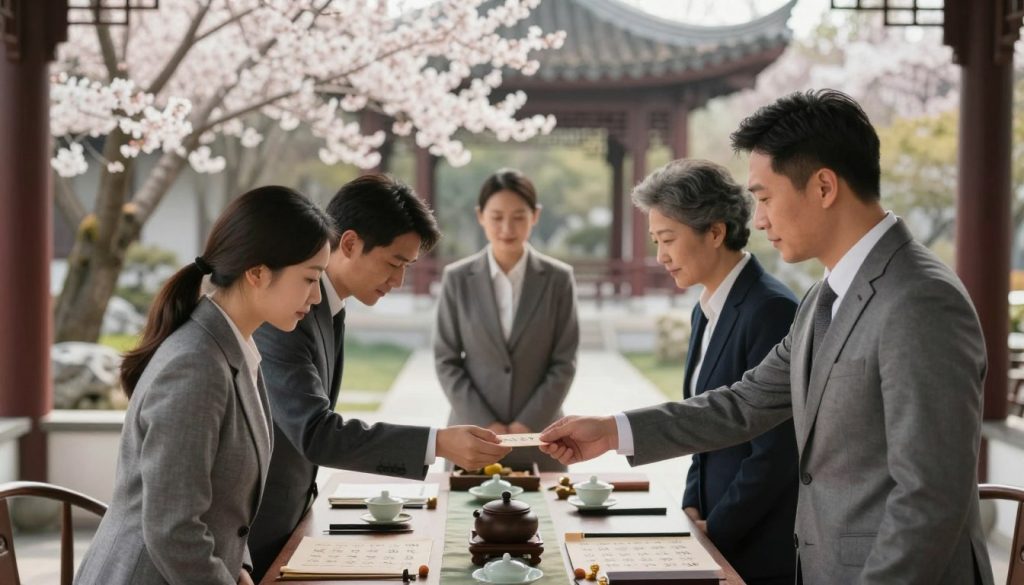
Consider “mianzi,” or face. It’s about preserving dignity for everyone involved. A respectful gesture, like offering a business card with two hands, protects this social capital.
It also builds “guanxi,” the network of trust vital for all relationships. Your physical actions constantly signal your character and intentions.
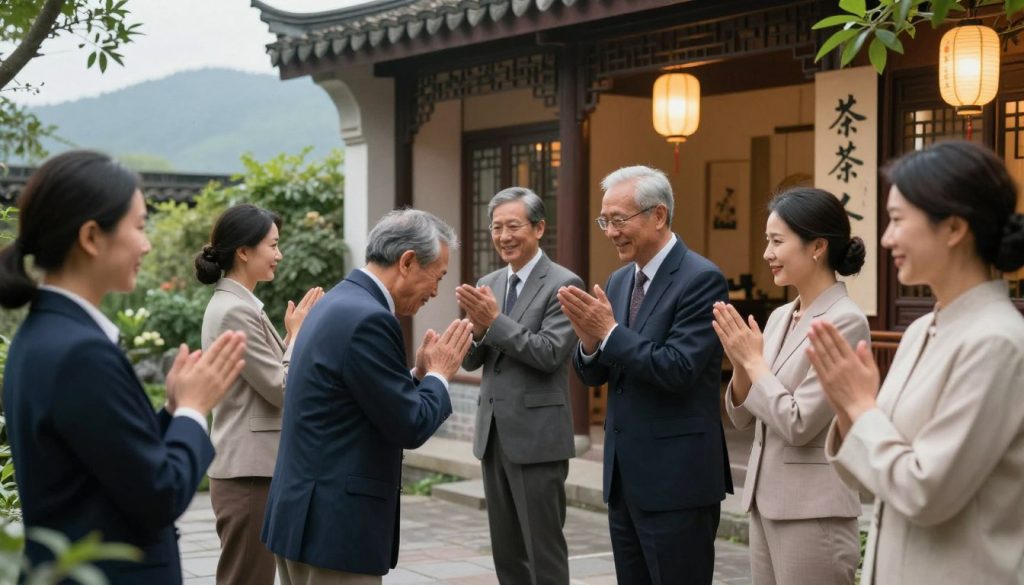
Think of your body language as a live performance review. People constantly assess it, much like buyers rate a seller. Poor non-verbal cues instantly damage your ratings.
This affects the service you receive and the success of any deal. The shipping of respect through proper gestures creates reciprocal goodwill.
It’s a fundamental delivery system for social success, not just polite window dressing. Mastering this shows you’re a trustworthy seller of your own goodwill.
Mastering the Two-Handed Rule.
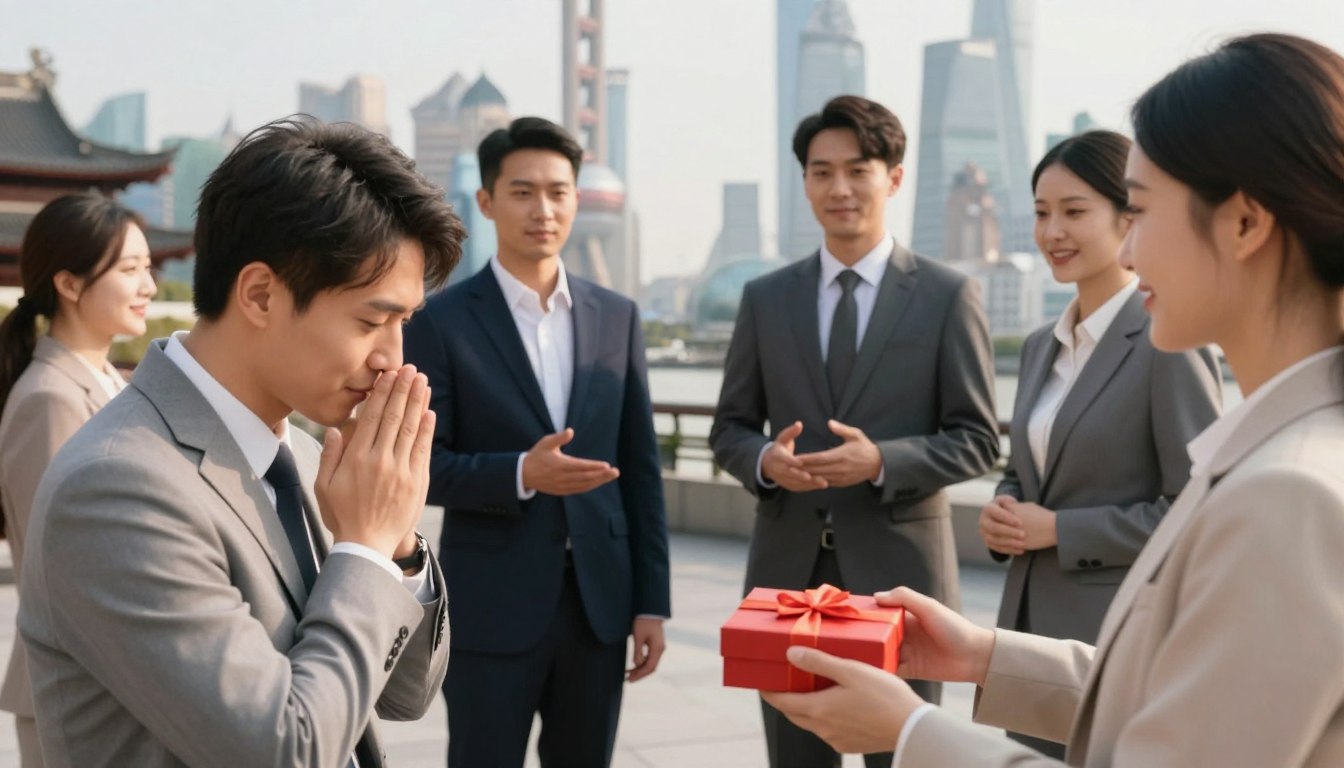
Mastering a single, simple action can transform how you’re perceived. The two-handed rule is the most critical principle to learn. Always give and receive items using both hands.
This gesture is the ultimate sign of respect. It applies in every scenario, from business cards to gifts.
Why Does Using Your Two Hands Matter?
Using one hand, especially tossing something, signals you don’t value the person or object. It reads as arrogance and disrespect.
Two hands show full attention and care. It’s like careful delivery and shipping that require both hands for safe handling.
This edition of cultural guidance emphasizes the rule because it’s universal. It protects social harmony and builds trust.
Practical Tips for Everyday Interactions.
Approach any exchange deliberately. Make eye contact. Cup the item gently with both hands, supporting it from below.
Receive things the same way. This applies even to tiny items like a receipt or a business card. The size doesn’t matter; the gesture does.
When a seller hands you a product, reciprocate with two hands. It shows you understand local customs.
Avoid the casual one-handed slide across a table. That common Western move is extremely rude here. Your body language speaks volumes.
Think of yourself as a seller of your own goodwill. Using both hands ensures your respectful intent is clearly delivered.
Avoiding the Dog Beckon Gesture.
Calling over a server with a curled finger might seem harmless back home, but in China it’s a serious insult. This common Western move is among the worst non-verbal mistakes you can make.
The Cultural Origins of the Gesture.
That finger-curl with your palm up has a specific, degrading purpose. It is reserved exclusively for summoning dogs or barnyard animals.
Using it on a person treats them like an animal. It’s incredibly demeaning. Directing it at a waiter, a seller, or a date causes deep offense.
Proper Alternatives for Summoning Others.
Use a polite, palm-down gesture instead. Extend your arm with your palm facing the floor.
Make a gentle scratching motion with all fingers together. It looks like a soft paddling movement beckoning downward.
This subtle signal is the correct way to say “come here.” It shows respect and gets attention without insult.
| Wrong Gesture | Right Gesture | When to Use It |
|---|---|---|
| Curling index finger, palm up | Palm down, scratching motion | Calling a server in a restaurant |
| Beckoning quickly or repeatedly | Single, deliberate motion | Getting a seller’s attention in a shop |
| Pointing with the finger | Open hand, gentle wave | Signaling a colleague across a room |
Cultural customs vary like shipping rules for a product. What works in one place fails in another. These are key parts of local etiquette.
Mastering this alternative is essential. It prevents accidental insults and becomes part of your respectful cultural body language. Learning this silent language is crucial for smooth interactions.
Common Body Language Pitfalls Abroad.
Cultural missteps with gestures are a global phenomenon, not just a Chinese challenge. Familiar signals from home can carry shocking meanings elsewhere.
Misinterpretations and Their Consequences.
Even powerful figures get it wrong. Roger Axtell’s essential edition on global cues shares a famous blunder.
President George H.W. Bush once flashed a “V for Victory” sign to cheering Australians. Unfortunately, with his palm facing inward, he accidentally used a crude insult common there.
Such mistakes have real costs. They damage business deals and ruin a seller’s credibility. Personal interactions suffer, and your service ratings plummet.
The delivery of your message gets completely lost. Investing in cultural research is crucial. It ensures your respectful intent is properly shipping.
| Common Gesture | Typical U.S. Meaning | Problematic In |
|---|---|---|
| Thumbs Up | “Good job!” / “Okay” | Parts of the Middle East, West Africa |
| OK Sign (circle) | “Okay” / “Perfect” | Brazil, Germany, Greece |
| Pointing with Index Finger | Indicating direction | Many Asian cultures |
Different parts of the world decode the same move differently. A savvy seller of international service knows this. Learning this silent body language isn’t about fear. It’s about clear, effective communication everywhere.
Conclusion
Navigating social situations in China successfully hinges on two simple yet powerful gestures. Always use both hands to give and receive items. Never curl a finger palm-up to summon someone.
Use a palm-down scratching motion instead. These actions are fundamental for showing deep respect. Preparing with proper cultural information is a smart investment.
Mastering these rules improves your cultural navigation dramatically. It earns you genuine respect. Cultural awareness is an ongoing journey.
Continuing to build knowledge serves you well. Learning the local language of gestures is a key part.