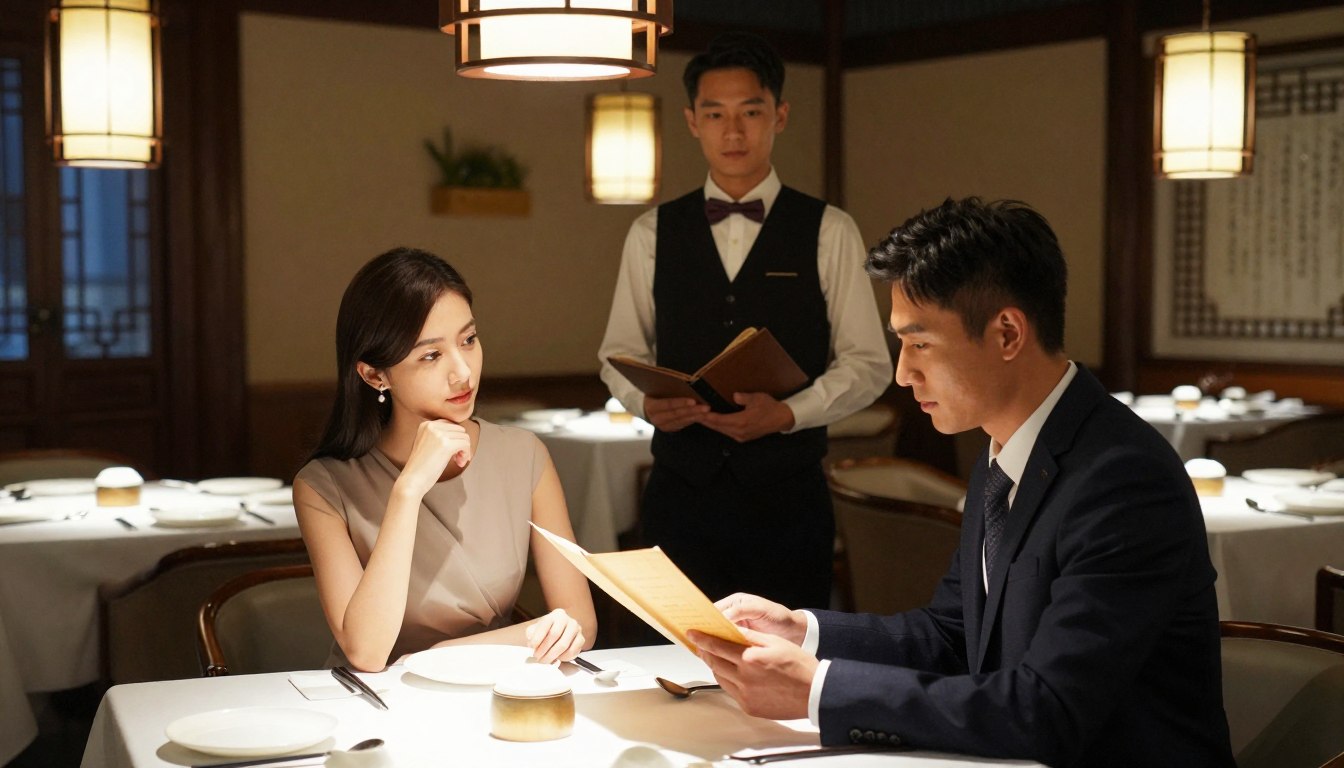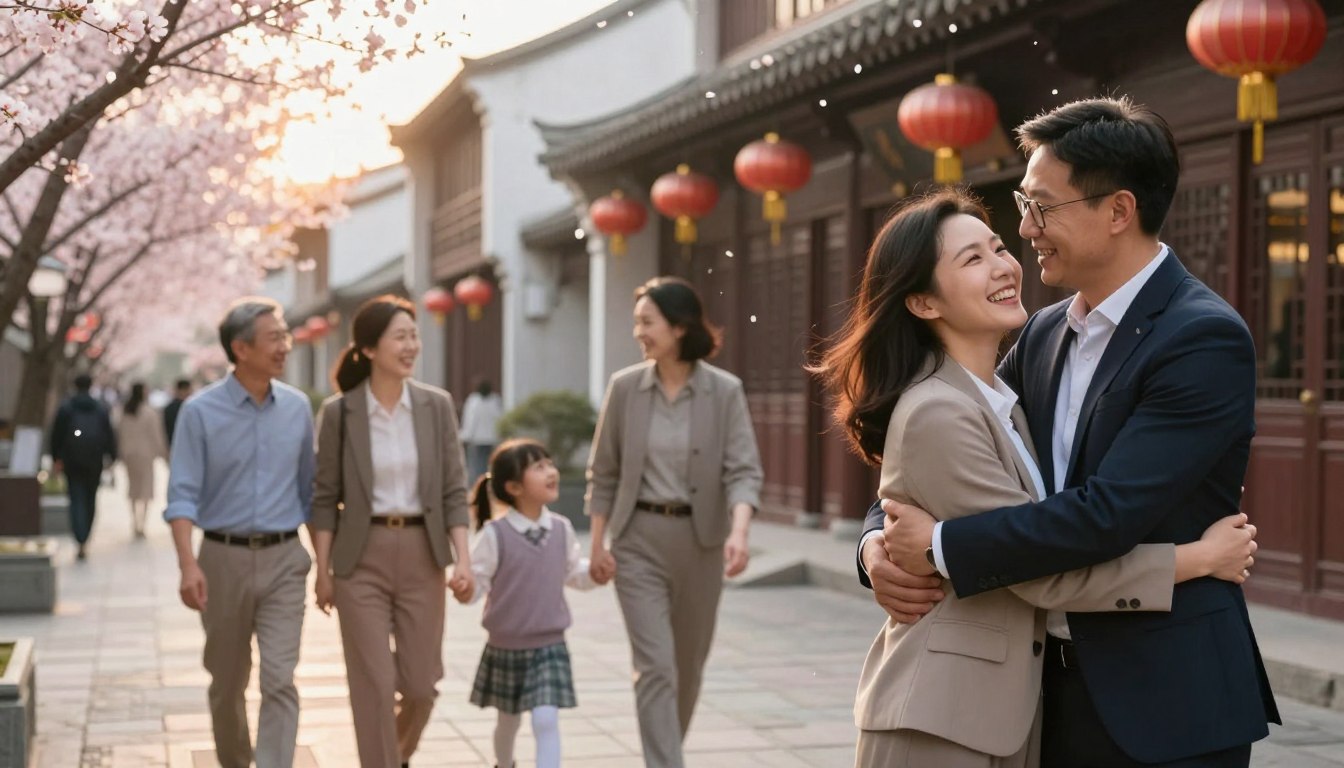
Have you ever wondered how people express love around the world? In many Western cultures, saying “I love you” is a common and expected part of relationships. It’s a direct way to share feelings with family, friends, and partners.
In contrast, the use of these three little words is far less frequent in Chinese culture. The verbal expression “I love you” can feel surprisingly heavy or even awkward. For many, emotions are considered private and are often communicated without words.
Instead, love is demonstrated through quiet, caring actions. Think of a parent working long hours to provide for their family. Or a friend silently fixing a broken item. A classic example is offering someone a cup of hot water, a simple gesture symbolizing deep concern.
This fundamental difference in emotional expression is rooted in a rich cultural history. It invites us to look beyond our own assumptions. Understanding this can enrich our connections and appreciation for the diverse ways people show they care.
The Cultural Foundations of Affection in China
The preference for action over words in expressing deep feelings is not random. It’s woven into the fabric of a rich historical tradition.
Confucian Values and Implicit Communication
For centuries, Confucian philosophy has shaped social norms. It created a cultural context where restraint and subtlety are highly valued.
Direct verbal clarity is often less important than implicit understanding. This philosophy emphasizes key principles in relationships:
- Duty and obligation to family
- Respect for hierarchy and elders
- Harmony through proper behavior
- Emotions as private matters
In this framework, roles are defined by action, not declaration. The way people show care is through consistent, reliable behavior.
Subtlety Over Verbal Declarations
Strong feelings, especially romantic ones, are considered private. They’re often communicated through context and tone rather than explicit words.
Love is understood as something you do, not just say. This makes practical support the primary expression of affection.
Even the written character for love, 爱/愛 (ài), carries deep meaning. Using this word verbally is reserved for specific, meaningful contexts.
For many, repeated verbal affirmations feel unnecessary. The affection is already clear through other, culturally-rooted channels.
Everyday Acts as Expressions of Love
A steaming cup of water might seem simple, but in this culture, it’s a profound gesture of care. This is just one example of how people express love through practical things.
Offering Comfort Through Hot Water and Warm Gestures
Giving someone hot water is a classic way to show concern. It’s offered when a person feels tired, sick, or stressed. This action speaks louder than words.
Other warm gestures are just as powerful. A parent cooks a favorite meal. A friend quietly fixes a broken item. These deeds carry deep emotional weight.
Demonstrating Care Without Words
Daily phrases often replace direct declarations. Asking “Have you eaten?” shows someone is thinking of your well-being. Telling a loved one to “wear more layers” or “go to bed early” are common.
These simple statements are heartfelt. They focus on health, comfort, and safety. This makes affection tangible and useful.
- “I’ll go with you” (我陪你去)
- “Walk slowly, be careful” (慢点走,小心点)
- “Eat some more” (多吃点)
For many, love is best shown through this attentive, practical support. Time spent on these acts proves genuine concern.
Understanding Acts of Service as Love
Imagine feeling deeply cared for not because of what someone says, but because of what they consistently do for you. This is the heart of how many express love. It turns practical support into the most sincere language of the heart.

The Significance of Practical Support in Relationships
In this context, directly saying “I love you” can sometimes feel less meaningful than quietly solving a problem. Actions carry a weight that words might not. They are seen as mature and deeply thoughtful.
People show they care by anticipating needs. A partner might handle a stressful errand. A friend could provide a meal during a busy week. This proactive help builds a powerful sense of security and being valued.
Common acts of service that speak volumes include:
- Taking on household chores without being asked
- Offering financial support during a tough period
- Fixing a broken item for someone
- Simply being present to help with a task
Invested time is considered the ultimate gift. When someone uses their precious hours to make your life easier, it proves commitment. This makes relationships feel incredibly stable and deeply valued.
Family Dynamics and Non-Verbal Affection
Within the family unit, love is often a silent language spoken through decades of sacrifice. This deep affection flows through actions, not declarations.

The bond between parents and children is built on a foundation of mutual duty. It is understood, not constantly stated.
Parental Love and the Unspoken Bond
For many Chinese parents, their entire life is a demonstration of love. They work long hours and save every penny.
This sacrifice ensures better opportunities for their children. Saying “I love you” is rare. Their care is shown through practical means.
Common examples of this unspoken bond include:
- Insisting a child eats more at dinner
- Working extra jobs to pay for education
- Quietly worrying about their health and safety
These actions are their primary expression of deep parental devotion.
Respect and Duty in Familial Relationships
Children show their love in return through respect and obedience. Academic success is a way to honor one’s parents.
Later in life, caring for aging parents becomes a sacred duty. This reciprocal system creates strong, enduring relationships.
The feelings are clear through these countless daily actions. The absence of certain words does not mean emotional distance.
It reflects a different, culturally-rooted way of building family bonds.
Showing Affection China: A Different Perspective
To truly connect with another culture, we must learn to read its emotional script. The rules of emotional expression can be remarkably different across the world.
In many Western societies, love is often a spoken promise. In Chinese culture, it is a lived commitment shown through action. This isn’t an absence of feeling, but a complete system for conveying deep affection.
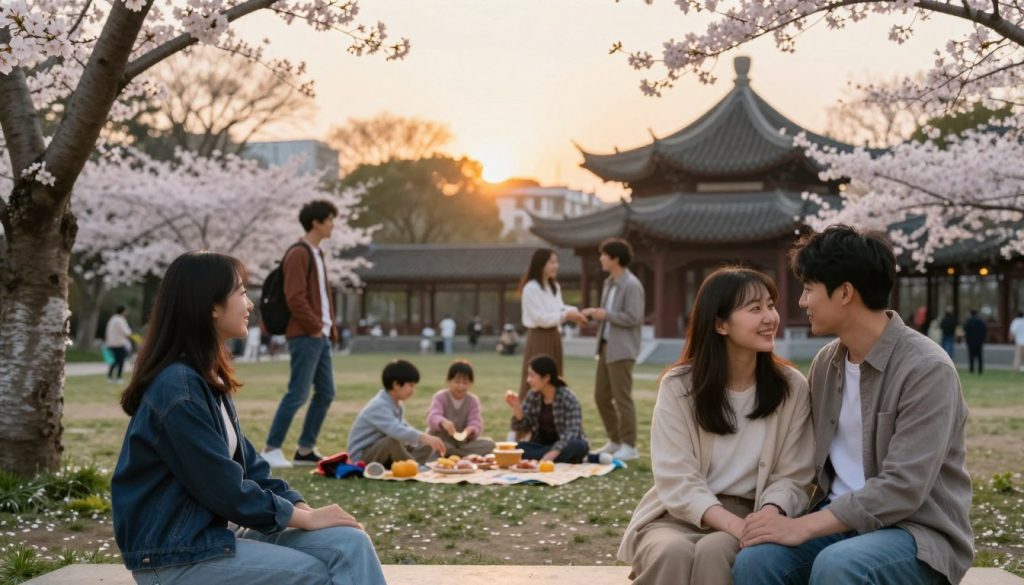
Understanding this difference is essential. It helps in personal relationships and business contexts alike. For example, a partner who constantly acts to make your life easier is speaking their heart’s language.
Misreading these signals can cause hurt. One person might feel unloved without verbal confirmation. The other might feel their caring deeds are ignored.
The key is to look beyond your own cultural expectations. Recognize that the same profound love exists. It simply flows through a different, action-oriented way.
This perspective fosters real empathy. It allows us to see the quiet, practical affection of people as the powerful bond it truly is.
Romantic Expressions and the Evolution of Love
When it comes to romance, Chinese couples have traditionally expressed their deepest feelings through nuanced actions and carefully chosen words. The direct phrase “I love you” (我爱你) is often seen as overwhelmingly intense.

Traditional Romantic Nuances in Chinese Culture
Softer expressions allow room for emotional subtlety. Phrases like “I like you” (我喜欢你) or “I care about you” (我很在乎你) are more common. They build a relationship gradually, focusing on togetherness.
Dating often has marriage as a serious goal from the start. Families are typically involved, making the process more purposeful. This traditional style values long-term commitment over casual dating.
Generational Shifts Towards More Direct Expressions
Younger generations are changing the language of love. Influenced by Western movies and global media, some are more comfortable saying “我爱你.”
In urban areas, this term appears in texts and pop songs. Proposals (求婚) are becoming more personal, yet often still involve both families. This shift shows an adaptation, not an abandonment, of cultural roots.
Young people now balance traditional values with modern emotion. They might date more openly but still seek meaningful relationships. This evolution creates a new way of expressing love.
Language and the Cultural Nuances of Affection
Learning a new language is more than memorizing vocabulary. It’s about understanding the heart behind the words. In Chinese culture, everyday chatter is often the primary vehicle for expressing love.
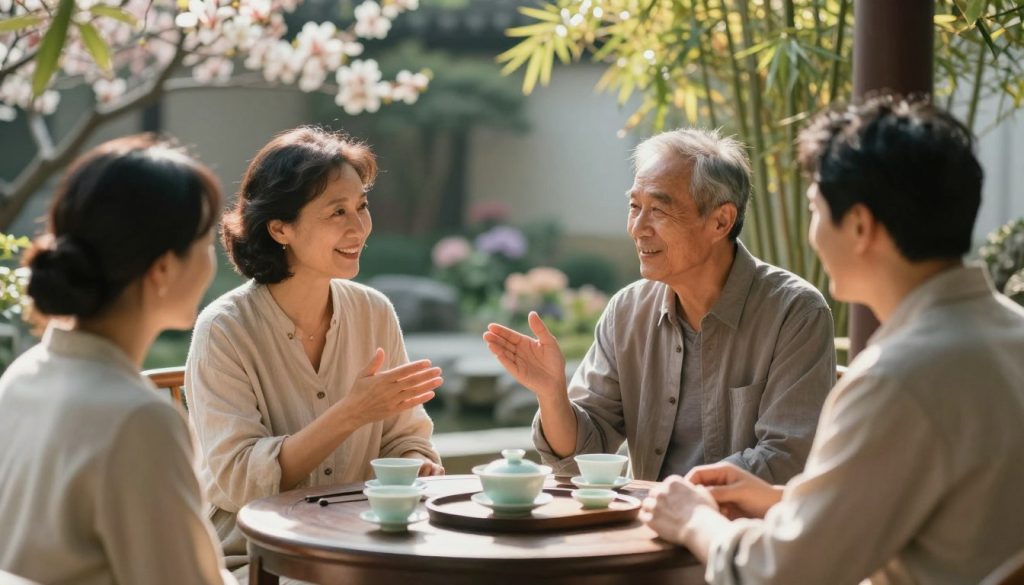
Seemingly simple questions carry deep emotional weight. Mastering these subtleties is key for any beginner.
The Power of Everyday Phrases and Caring Questions
A common phrase like “你吃了吗?” (nǐ chī le ma?) asks “Have you eaten?” Its literal meaning is mundane. In the right context, however, it’s a caring question showing someone is thinking of your well-being.
Other daily expressions function the same way. “Walk slowly, be careful” or “Go to bed early” are not commands. They are gentle gestures of concern.
Here are a few examples you might hear:
- “I’ll go with you” (我陪你去) – offering companionship.
- “Are you cold? Wear more layers” (你冷吗?穿多一点) – showing practical care.
- “I bought you something you like” (给你买了你喜欢的东西) – a thoughtful action put into words.
The character for love, 爱 (ài), is a powerful word. Using it verbally is a significant commitment. Softer terms like 亲爱的 (qīn ài de), meaning “dear,” are more common in daily life.
For people building relationships, recognizing this linguistic code is essential. The affection is in the subtext. Taking the time to learn these nuances prevents misunderstanding and reveals the deep care always present.
A Heartfelt Farewell: Embracing Cultural Love Traditions
Embracing diverse love languages enriches our lives and deepens our empathy for others. At its heart, love is a universal emotion that connects all people. The ways we express it are beautifully shaped by culture.
Understanding these differences is key to building stronger relationships. It allows us to see caring actions where we might expect words. This kind of insight prevents misunderstandings.
Learning the language and mindset behind these expressions is a powerful step. Places like Polyglottist Language Academy teach more than vocabulary. They help students grasp the subtle context that gives words true meaning.
Taking time to understand another’s emotional style is a profound expression of respect. It reminds us our methods may vary, but the human need for connection remains the same.