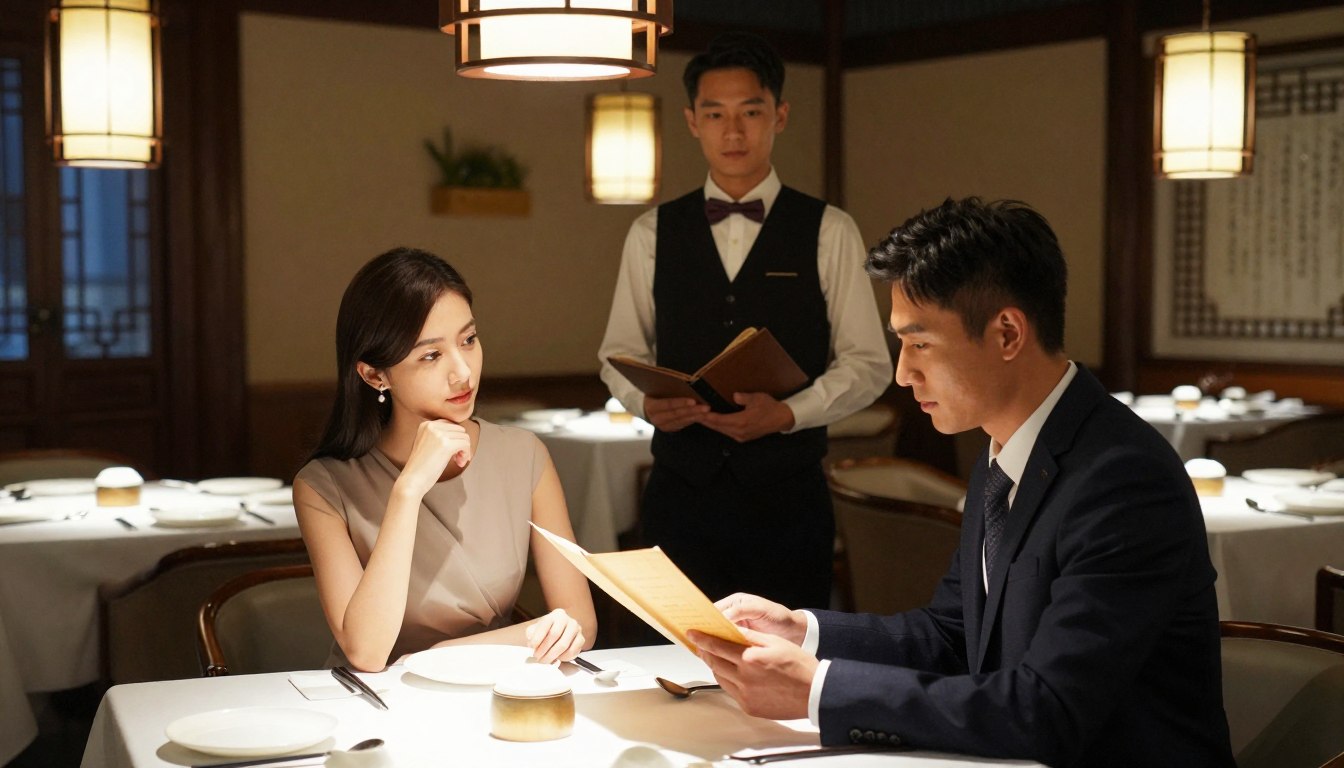
Figuring out who covers the check during a romantic outing can be tricky. This is especially true when exploring social norms in different parts of the world.
In Chinese society, traditional customs often guide these interactions. While “going Dutch” is an option in many places, it’s less common here. Understanding this local etiquette is key for a smooth experience.
A common cultural quiz highlights this very dilemma. It asks who is supposed to foot the bill according to local custom. The choices usually are the man, the woman, or splitting it.
This simple quiz reflects a bigger conversation. It shows how classic expectations are meeting new, modern attitudes. The result is a fascinating mix of perspectives on payment.
For anyone interested in romance within this culture, knowing these unwritten rules is crucial. It helps avoid awkward moments and shows respect for local traditions.
This guide offers friendly, practical advice. We’ll look at traditional views, recent changes, and smart ways to handle the situation. Our goal is to help you feel confident and polite.
Key Takeaways
- Traditional expectations in Chinese dating culture often place the financial responsibility on men.
- Splitting the bill 50/50, or “going Dutch,” is a less common practice compared to Western dating norms.
- Modern attitudes are creating new, diverse perspectives on payment etiquette for romantic outings.
- Understanding these customs is important for both locals and foreigners navigating the social scene.
- The question of who pays is a popular topic, reflecting an ongoing cultural conversation.
- Being aware of these norms helps ensure polite and respectful interactions during dates.
- This article provides clear guidance based on cultural insights and contemporary practices.
Understanding Chinese Dating Etiquette
The etiquette surrounding expenses during courtship is deeply intertwined with cultural values. To grasp the common expectations, one must look at longstanding social structures.
These structures shape how people view financial responsibility in a relationship.

Gender Roles and Cultural Expectations
Traditional culture often casts men as providers. In dating, this translates to an expectation that the man covers costs.
This norm reflects broader societal patterns. A global report once ranked this nation 99th for gender equality, showing how these views extend beyond romance.
Historically, women managed household spending. This created a dynamic where men earned and women allocated. That history still influences modern encounters.
Traditional Versus Modern Perspectives
So, do these old rules still apply today? The answer isn’t simple. It varies greatly between individuals and generations.
A university survey highlights this gap. Women said they expected to pay about 40% of costs. Men thought women should pay only 30%. In reality, women paid about 25%.
This difference between expectation and reality is key. It shows a tension between custom and new ideals.
Many educated young people now value autonomy. They often prefer to share expenses more equally. They see it as a sign of independence, not disrespect.
Yet, popular media shows another side. Some argue fiercely that a woman should not pay a single yuan. They see a man covering everything as a sign of respect.
This generational divide means there’s no single answer to the question. Understanding these cultural and gender differences is crucial for anyone navigating the scene.
Paying On A Date China: Essential Tips
The arrival of the check at a restaurant table is a moment loaded with cultural meaning. Knowing the essential tips can turn potential awkwardness into a smooth, respectful interaction.
The Norm of the Man Covering the Bill
The primary answer is clear. In traditional Chinese dating culture, men pay for romantic dinners. Splitting the cost fifty-fifty is genuinely rare.
This expectation isn’t just about money. It’s a gesture of respect and interest. It reflects the traditional view of the man as a provider.
When and How to Offer to Pay
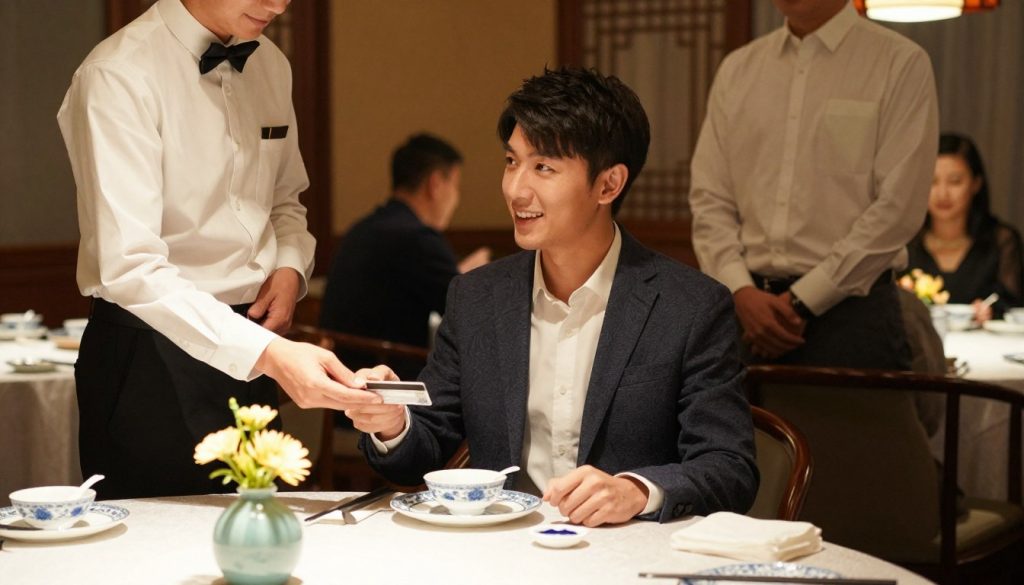
Etiquette involves a polite “battle” for the bill. The rule is for both people to offer. Women often make a gesture, like reaching for their wallet.
Men typically insist on paying. Offering twice is standard. For a very expensive meal, a third offer shows extra sincerity.
Watch out near the end of dinner. If your date excuses themselves, they might be using the “bathroom trick” to pay secretly.
While this is the common rule, individual preferences vary. Paying attention to your date’s comfort is always key.
Practical How-To Steps for a Polite Payment Process
When the server places the check on the table, a delicate social dance begins. Knowing the steps helps avoid missteps and shows respect.
This process involves polite offers, gentle refusals, and reading subtle cues. It’s a key part of the local culture.
Navigating the Conversation About Money
First, both people should reach for their wallet. This shows good faith. The woman often makes the first verbal offer to pay the bill.
The man typically declines politely and insists. This exchange may repeat once. For an expensive meal, a third offer shows sincerity.
Be aware of the “bathroom trick.” If your date excuses themselves near the end, they might be settling the bill secretly.
Verbal protests are fine. Avoid making a scene that draws the whole restaurant‘s attention. The goal is polite insistence, not a fight.
Handling Reactions and Potential Disagreements
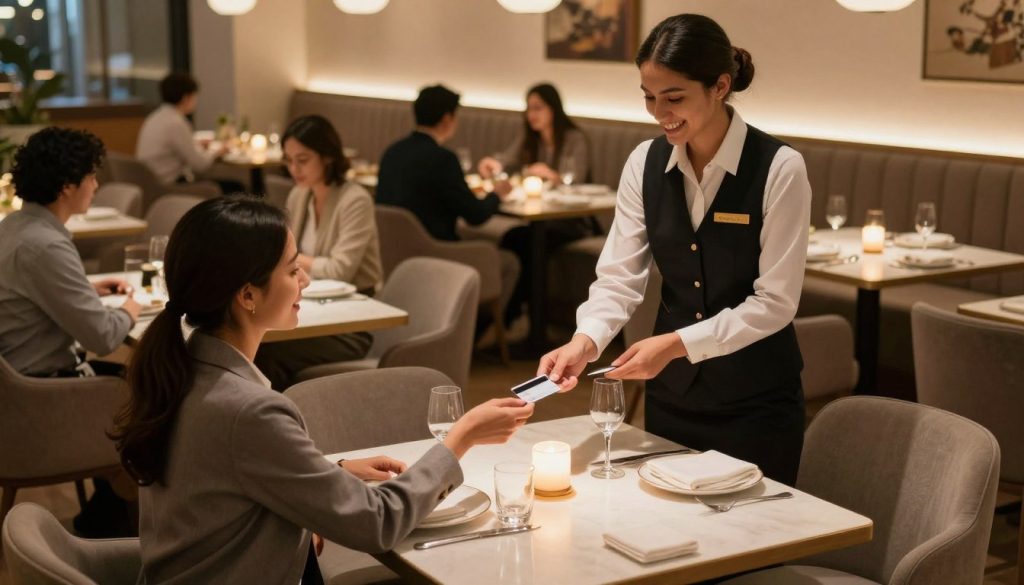
If a woman genuinely wants to pay her share, it may signal independence. It could also mean she’s not romantically interested. Pay attention to her cues.
When you’ve “lost” the battle, use gracious phrases. Say “多谢你,你太客气了” (Thank you so much, you’re too polite!). Or promise “下次我请你吧” (Next time I’ll treat you!).
That promise of “next time” is culturally significant. It implies a future date and ongoing relationship. It’s a polite way to reciprocate.
Disagreements over money are common. Surveys show over 20% of people argue with a date about it. Stay calm and discuss preferences openly.
For special cases, remember the rules. On a birthday, the birthday person pays. Friends give gifts to compensate. With close friends, splitting the bill is often fine.
Reading reactions is key. Some women appreciate traditional chivalry. Others prefer equal partnership. Adjust your approach to match your date‘s comfort.
Establishing a comfortable pattern early avoids awkward questions later. This helps both men and women enjoy the time together.
Conclusion
Ultimately, handling the bill gracefully is less about rules and more about mutual respect. The traditional answer is that the man is expected to pay for a date, like dinner or a movie. Yet modern culture is shifting, with many young women and men preferring to share costs.
Individual preferences vary widely. The best way is to let your partner’s cues guide you. Open communication about money matters builds a stronger relationship over time.
Compromise is key. A man can offer to pay, while a woman can suggest splitting. Understanding these dynamics makes dating less intimidating. It helps create authentic connections based on respect.