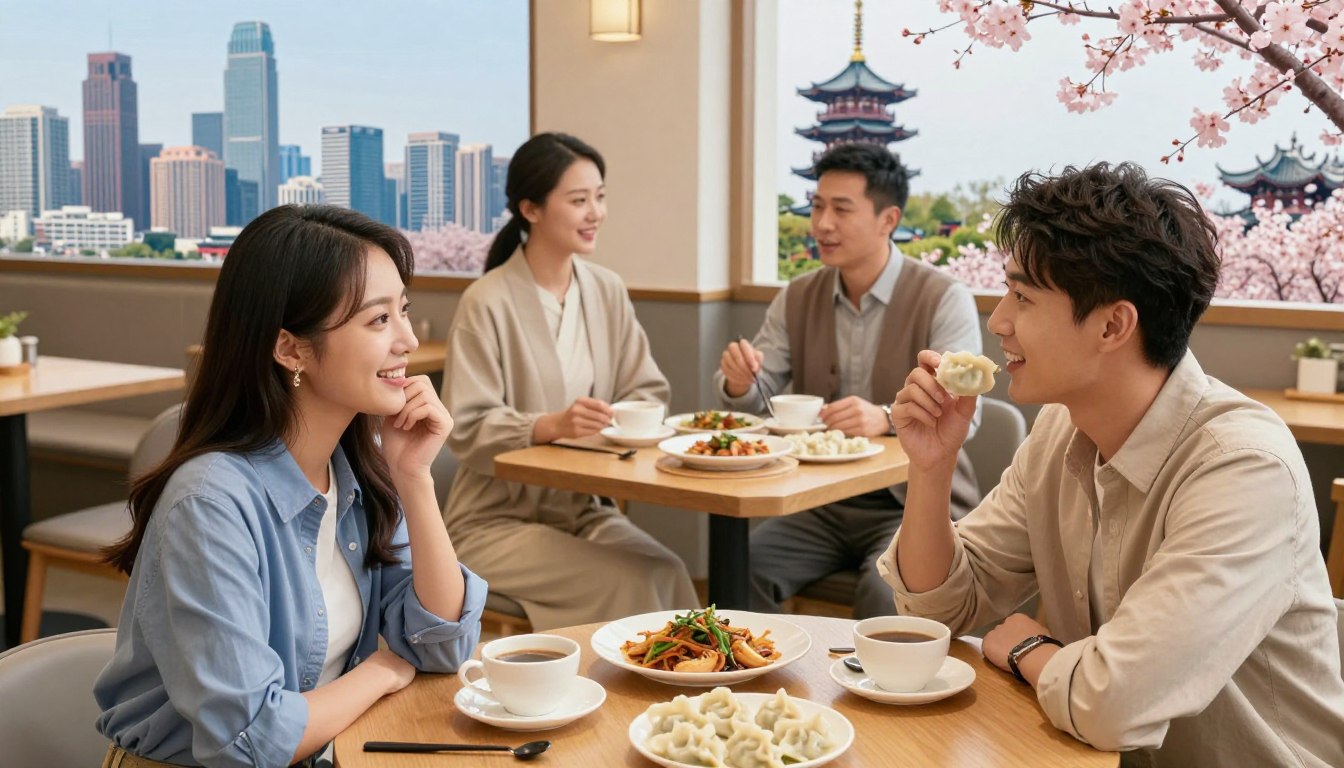
Have you ever wondered how romance works across different parts of the world? Even when two people speak the same language, their actions in a relationship can carry completely different meanings. This is especially true when it comes to expectations around independence and money.
While partnerships between individuals from different backgrounds are becoming more common, the cultural contrasts are deep. Approaches to love often highlight individual desires in one context, while another might emphasize traditional roles and family involvement.
This guide explores the fascinating world of cross-cultural romance. We’ll look at how these fundamental differences shape everything from communication styles to timelines for commitment. Understanding them is the first step toward building a genuine and respectful connection.
Key Takeaways
- Discover the core contrasts between romantic norms in different societies.
- Learn why expectations about personal freedom and finances can vary so much.
- See how people from various backgrounds approach commitment in unique ways.
- Gain practical insights to navigate potential misunderstandings smoothly.
- Understand how family involvement and expressions of affection differ.
- Build a stronger, more harmonious relationship by celebrating both partners’ cultural traditions.
Cultural Context: Independence and Financial Expectations
At the heart of many cross-cultural partnerships lies a fundamental difference in how people view personal autonomy and money. These aren’t just personal quirks but deeply ingrained cultural values that shape what each partner expects from the other.
Defining Independence in Different Cultures
Independence means something different everywhere. In individualist societies, it’s about making your own life choices without outside input. Your decisions about a relationship are yours alone.
In more collectivist settings, consulting family is seen as wisdom, not dependence. A person’s choices often consider their loved ones’ opinions. This shapes the entire way a partnership forms.
Understanding Money and Commitment
Financial habits reveal a lot. In some contexts, splitting a bill shows equality and mutual respect. It signals two independent adults sharing an experience.
In others, a man insisting on paying for everything is a primary gesture of care. It demonstrates he is a serious, responsible provider. This can be confusing if you’re used to a different system.
One person might see generosity as controlling. The other sees it as expressing serious intent. These differences in expectations are a major source of misunderstanding.
| Aspect | Individualist Perspective | Collectivist Perspective |
|---|---|---|
| Core Value | Personal Autonomy | Family Harmony & Responsibility |
| Decision-Making | Independent, personal choice | Often includes family consultation |
| Financial Signal | Splitting costs shows equality | Paying in full shows commitment & care |
| Goal of Gestures | To respect independence | To demonstrate provision and seriousness |
Recognizing these contrasting value systems is key. It helps you interpret your partner’s actions correctly. This understanding prevents conflict and builds a stronger bond.
Exploring Western Dating Norms
In numerous cultures, the path to a serious partnership is paved with informal dates and individual choice. This way of connecting focuses on personal compatibility and shared enjoyment.
Casual Dating and Individualism
Romance often starts without heavy expectations. People see dating as a process to explore compatibility. The goal isn’t always marriage right away.
This system values personal happiness above all. Men and women make choices based on their own feelings. Family pressure plays a smaller role here.
Timelines for commitment vary widely. Some relationships become serious in months. Others take years, and both paces are considered normal.
Couples often show affection openly. Holding hands or a quick kiss in public is a natural expression of love. It’s seen as a positive sign.
Communication is usually direct. Partners talk about their relationship status and feelings openly. They also often take time to become friends with former partners.
Chinese Dating Culture and Family Traditions
The journey toward commitment often follows a path shaped by generations of tradition. Here, a relationship is rarely just between two people. It is a union that deeply involves the entire family unit.

Role of Family and Social Expectations
Parental approval can be as crucial as personal chemistry. A guy introducing his partner to his parents is a major step. It shows he is serious about the future.
Your bond with his mother holds particular weight. This relationship can significantly influence the partnership’s success. Many men seek a partner who values home life and gets along well with their family.
There are strong expectations about marriage and children. For many, finding a stable partner is a primary goal from the start.
Traditional vs. Modern Dating Rituals
Traditional values emphasize reliability and family orientation. A partner’s ability to fit into the family structure is often prioritized.
Modern shifts are blending these values with contemporary desires. Young women and men now often seek love-based partnerships. Yet, the influence of parents and traditional culture remains strong.
This creates a unique landscape for dating. Chinese men typically approach relationships with exclusivity and clear intent. The culture views marriage as a natural progression for compatible couples.
Western Vs Chinese Dating: Unique Perspectives
Actions in romance are loaded with unspoken cultural assumptions. The same gesture can signal casual fun to one person and a lifetime promise to another. This is a key area where men and women from different backgrounds can misread each other completely.
Interpreting Physical Intimacy and Commitment
For many women in individualist societies, a kiss is about affection. It’s a way to explore chemistry and connection. Physical closeness does not automatically mean plans for marriage or love forever.
It’s part of figuring out if a relationship feels right. The idea is to “see where things go.” This approach values personal discovery.
For many Chinese men, the meaning is far more definite. Physical intimacy is a clear sign of serious intent. Kissing can mean you are officially a couples. More intimate acts often imply a willingness to build a family.
This difference in interpretation is profound. One partner thinks they are casually dating. The other believes they are on a fast track to engagement.
History shows this pattern. During WWII, American soldiers and British women had similar mix-ups. The same actions meant different levels of commitment to each group.
Open talk about expectations is crucial. A guy might not voice his assumption that intimacy equals forever. Knowing this helps prevent heartache and builds a truer connection.
Navigating Cross-Cultural Communication in Relationships
A simple text message saying ‘wear a jacket’ can carry a weight of meaning far beyond its literal words. This is the heart of cross-cultural communication. The way people express care and commitment varies deeply between societies.
Direct vs. Indirect Expressions of Affection
In some cultures, love is shown through actions, not speeches. Chinese men, for example, often communicate care through practical gestures.
Reminders to dress warmly or eat well are common. These texts are a sincere way of saying “I’m thinking of you.” For many women from other backgrounds, this can be confusing.
They might expect direct phrases like “I love you.” The idea that silence or service conveys deep feeling is a key difference to understand.
Handling Misunderstandings and Expectations
This gap can leave women wondering about a partner’s true intent. Some report needing to ask directly, “Do you like me?” Patience is essential.
Learning your partner’s emotional language is crucial. See caring actions as their vocabulary for affection. Also, be ready to clarify things openly when needed.
| Communication Aspect | Indirect Style | Direct Style |
|---|---|---|
| Primary Expression | Actions & Practical Care | Verbal Declarations |
| Example of Care | “Did you eat lunch?” text | “I miss you” statement |
| Conflict Approach | Often avoids confrontation | Seeks immediate discussion |
| Key to Understanding | Interpret gestures as love | Take words at face value |
Mastering this new language of love strengthens any relationship. It builds a bridge between two hearts from different worlds.
The Impact of Social Norms on Relationship Dynamics
The unwritten rules of society often dictate how men and women are expected to behave in romantic partnerships. These norms create a framework for everything from communication to conflict resolution.
Gender Roles and Communication Styles
In some cultures, gendered behaviors are clearly defined. The concept of sajiao—where a girl acts cute or helpless—is seen as endearing. It’s a way for women to elicit care from their partners.
For many Chinese men, this performance aligns with traditional expectations. They often view themselves as providers and protectors. Their attentiveness demonstrates commitment in relationships.
However, not every person enjoys these dynamics. Some men are attracted to partners who communicate directly. Independence can be a refreshing difference.
Couples may face challenges when adapting behaviors. If a woman uses sajiao as a joke, serious concerns might be dismissed. This highlights the risk of miscommunication over time.
The positive side is the genuine care many partners show. They prioritize their partner’s wellbeing consistently. This attentiveness is a cornerstone of many successful relationships.
Ultimately, couples need to find a middle ground. Discuss expectations openly to build a harmonious relationship. Respect each other’s cultural background while creating your own dynamic.
Finding Common Ground: Tips for a Harmonious Relationship
Navigating a romance across cultural lines is less about avoiding differences and more about weaving them into a stronger bond. Success requires both partners to invest time and genuine effort. This builds a relationship where cultural differences become a source of strength.
Strategies for Open Communication
Schedule regular check-ins to talk about feelings and expectations. Be direct about your needs and listen to understand your partner’s perspective. This prevents small misunderstandings from growing into serious conflicts.
Clarify what actions mean to each of you. A simple gesture of care might be interpreted differently. Open dialogue ensures you’re both on the same page.
Embracing Cultural Diversity
Go beyond just tolerating traditions. Show genuine interest in your partner’s background. Learn a few phrases in their language—it shows deep respect.
Participate in family gatherings with an open mind. Many Chinese men value family harmony highly. Sharing these experiences can deepen your connection and love.
View different values as a chance for personal growth. Each person brings unique things to the partnership. Together, you can create new traditions that blend both worlds beautifully.
| Focus Area | Action for Partner A | Action for Partner B |
|---|---|---|
| Regular Check-ins | Initiate calm discussions about feelings. | Share concerns openly without judgment. |
| Learning & Participation | Join family events and ask questions. | Explain traditions and be patient. |
| Building New Traditions | Suggest blending a holiday custom. | Embrace the new shared experience. |
This mutual investment of time and care builds a resilient and deeply rewarding relationship. The unique journey you share can foster a profound and lasting love.
Conclusion
Building a strong partnership with someone from a different background is a journey of mutual learning and respect. Understanding cultural differences in how people express love and view commitment is essential.
These contrasts aren’t barriers but opportunities to grow. When men and women from various country backgrounds connect, they bring unique perspectives. This experience enriches both partners.
Successful relationships thrive on open communication and genuine curiosity. For instance, many Chinese men value family harmony deeply. Learning your partner’s emotional language and culture builds a deeper bond.
It turns every difference into a chance for connection. Ultimately, the idea is to create a shared home for your hearts. Whether dating locally or abroad, this awareness fosters lasting harmony. Every person and every Chinese men you meet can teach you something new.