Welcome to this friendly guide on romantic connections in a fascinating cultural context. We’ll explore the common pathway from first meeting to long-term commitment.
In this culture, dating is often seen as a direct step toward marriage. Casual encounters for fun are less common. People usually enter relationships with serious, long-term goals in mind.
This article walks you through the typical phases. You’ll see how ancient traditions blend with modern life. Family hopes, personal choice, and social changes all play a part.
Whether you’re curious about cross-cultural romance or navigating a new partnership, this overview offers helpful insights. It demystifies the expectations and customs you might encounter.
Key Takeaways
- Romantic dating in this context is fundamentally oriented toward marriage and lifelong partnership.
- Family expectations and approval remain powerful influences throughout the courtship process.
- Modern values like personal choice now coexist with traditional views on commitment.
- Understanding these cultural patterns can help in building stronger, more respectful connections.
- The journey blends structured stages with genuine emotional growth and compatibility checks.
- Economic stability and future planning are often discussed seriously and relatively early.
- While common patterns exist, personal experiences can vary widely based on location and generation.
Foundations of Traditional Chinese Dating
The concept of romantic dating is a relatively recent development in this cultural context. For thousands of years, the modern idea of courtship for fun did not exist.
Instead, marriage was a social and economic contract. Families, not individuals, were the central players.
Historical Perspectives on Arranged Marriages
Parents or professional matchmakers arranged unions. They looked at social status and wealth. Personal attraction was not a priority.
This system was formalized by the ancient “Three Letters and Six Etiquettes.” These rituals created binding agreements between clans. Young people had little choice in the matter.
Marriage as a Family Contract
The main goal was to strengthen family alliances. It ensured wealth stayed within the right circles. Continuing the family line was the top duty.
A woman’s role was one of complete adaptation. A famous saying captures this expectation well.
“Marry a chicken, follow a chicken; marry a dog, follow a dog.”
Personal happiness came second to family duty. This view shaped core values for generations.
A major shift came with the 1950 Marriage Law. It banned arranged marriages legally. Yet, the legacy of marriage as a family affair still influences modern dating culture.
Modern Shifts in Chinese Dating Culture
The landscape of finding a partner is undergoing a quiet revolution, blending old customs with new ideas. This change is most visible in major cities, where global and local forces meet.
Young people today navigate a unique hybrid culture. Personal desires now balance with family hopes.
Impact of Globalization on Courtship
Exposure to Western media and education abroad has introduced new values. Ideas like romantic love and emotional compatibility are now important.
Individual choice (gèrén zhǔyì) matters a lot. Yet, it coexists with tradition (chuántǒng xísú). This creates a fascinating mix where dating is both personal and pragmatic.
Changing Attitudes Among Young Professionals
Marriage rates have declined to some of the lowest levels in decades. The average age for a first marriage is now around 28 nationwide.
In cities like Shanghai, it often exceeds 30. Surveys show 30-50% of young adults are single or not actively seeking relationships.
Career and personal development often take priority during peak working years. This shift creates tension between romantic autonomy and family pressure.
Urban centers embrace more casual dating patterns. Rural areas often hold stricter traditional views. Across the country, young people are carving out more time for self-discovery before commitment.
Family Influence and Social Expectations
In many societies, finding a partner is not just a personal journey but a family affair. This is especially true where historical policies have reshaped dynamics.
For decades, the One-Child Policy meant many grew up as an only child. This concentrated all parental hopes on one person.
Role of Parental Involvement
Parents feel immense duty to secure a good future for their children. Their involvement in partner selection is intense and ongoing.
With just one child, the pressure to continue the family line is huge. This makes every dating decision feel critical.
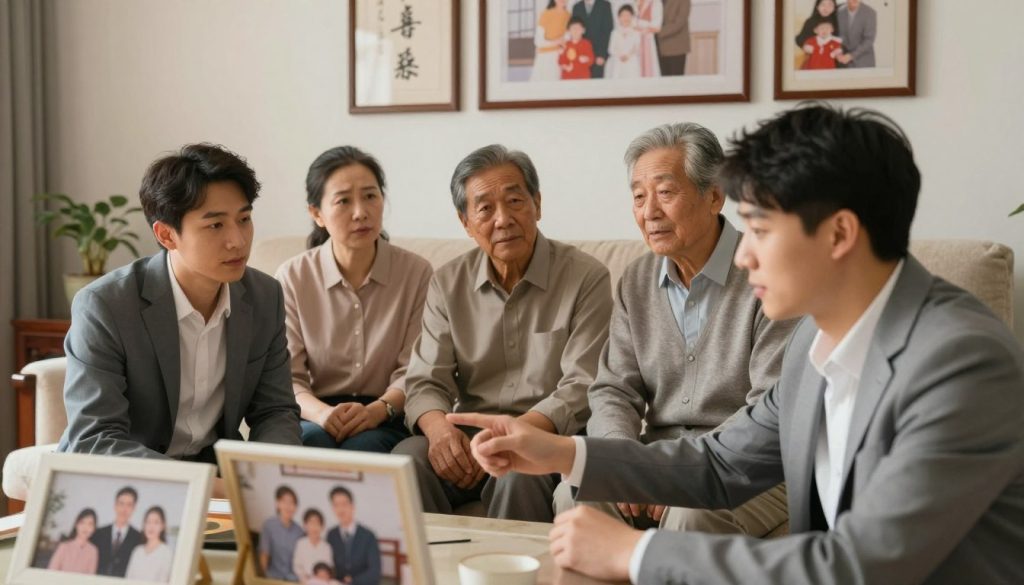
Insights from Marriage Markets
The most visible sign of this is the rise of marriage markets. These are weekend gatherings in city parks where parents meet.
They bring résumés listing their adult children’s key details. The goal is to negotiate a suitable match based on practical factors.
| Category | Typical Detail | Purpose |
|---|---|---|
| Age | Exact birth year | Assess compatibility and timeline |
| Education | University degree level | Gauge social status and intellect |
| Income | Annual salary figure | Evaluate financial stability |
| Occupation | Job title and sector | Understand career prospects |
| Property | Home ownership status | Confirm asset security |
| Hukou Status | Local household registration | Determine social benefits access |
These marriage markets show how marriage is often viewed as a union of families, not just individuals. Parents exchange contacts and set up dates.
This creates a lot of pressure on singles. They may rush into marriage just to ease family tension.
Young Chinese people often feel torn. They want personal choice but also feel deep obligation to their family. This internal conflict is a common modern challenge.
The Role of Technology in Chinese Dating
Digital tools have reshaped how singles connect, bringing traditional courtship into the smartphone era. For busy urban professionals, apps offer a practical way to meet potential partners. This shift doesn’t replace old norms but extends them online.
Rise of Dating Apps and Digital Matchmaking
Swipe-based apps like Tantan dominate the scene. They make meeting new people easy but often focus on quick, visual first impressions. Another platform, Momo, blends dating with social features like livestreams.
This creates a more casual space for interaction. Both apps reflect a modern search for connection, yet serious intentions often follow.
Social Media Integration in Finding Partners
WeChat is central, with features like “People Nearby” helping users discover matches. Many couples message daily for months before meeting. They can become official online, making the first in-person date a meeting of committed partners.
International sites like China Love Cupid also connect singles across borders. Technology broadens social circles but requires careful navigation.
Managing Economic Pressures in Relationships
Economic stability has emerged as a central theme in contemporary courtship, affecting how individuals approach relationships. The financial expectations tied to marriage can feel overwhelming for many men.
Bride Price, Financial Expectations, and Long-Term Stability
The traditional bride price, or cǎilǐ, is a major factor. It involves money and gifts from the groom’s family to the bride’s.
Amounts often range from 100,000 to 300,000 RMB. In some cases, they exceed 500,000 RMB. This represents years of income for many families.

Owning property is another common expectation. One real example involved an apartment costing 700,000 RMB plus a 150,000 RMB bride price. This creates a high barrier for young men.
| Region Type | Typical Bride Price Range (RMB) | Key Financial Expectations |
|---|---|---|
| Rural Areas | 100,000 – 200,000 | Cash payment, often family’s primary savings |
| Smaller Cities | 200,000 – 300,000 | Cash plus gold jewelry or car contribution |
| Major Metros | 300,000+ | Substantial cash, property ownership often required |
| High-Expectation Case | 150,000 + 700,000 property | Full apartment purchase before marriage |
When dating, men are expected to pay for everything. Gifts for women are often luxury items like iPhones or designer perfume.
January and February bring extra pressure. Valentine’s Day and the Spring Festival require gifts for a girlfriend and her parents.
After marriage, many women expect to manage all household money. This reflects traditional roles where they handle domestic finances.
Wealth is a primary criterion for many Chinese women seeking a partner. They see it as a way to ensure security and comfort.
Younger generations debate these customs. Some feel commercial expectations hurt genuine connection, while others see them as practical safeguards.
Exploring Chinese Relationship Stages
The journey from first meeting to committed partnership follows a structured path. Unlike Western patterns, there’s often no extended casual dating phase.
Initial connections frequently happen at university or work. Introductions from family and friends are highly trusted.
Key Steps from Courtship to Commitment
These introductions often follow the mén dāng hù duì principle. It matches social status and education for compatibility.
The formal xiāngqīn is a common step. Practical factors like income are screened before a couple meets.
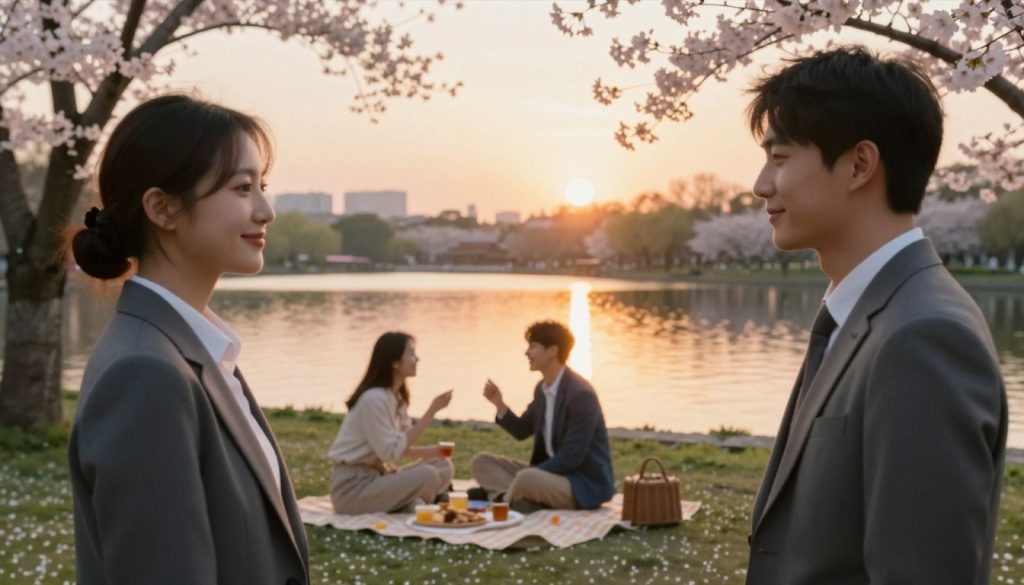
Romantic interest is shown indirectly. Frequent WeChat messages and group outings signal love.
Early date activities are public and low-pressure. They focus on building an emotional connection over time.
| Phase | Western Approach | Chinese Approach |
|---|---|---|
| Introduction | Casual meeting, often through social circles or apps | Often through trusted introductions or arranged meetings |
| Dating/Courtship | Explicit casual dating phase to explore compatibility | Skipped or minimal; courtship signals are indirect |
| Commitment | Explicit “exclusivity talk” after some time | Official boyfriend/girlfriend status assumed immediately |
Confessing feelings leads straight to an official relationship. There’s no need for an exclusivity discussion.
Deepening commitment is shown through gifts on special days like Qixi. Meeting parents is a major milestone, signaling serious marriage intentions.
Etiquette and Traditional Dating Rituals
The historical ‘Three Letters and Six Etiquettes’ system continues to shape dating expectations today. This ancient framework formalized courtship into clear, respectful steps.
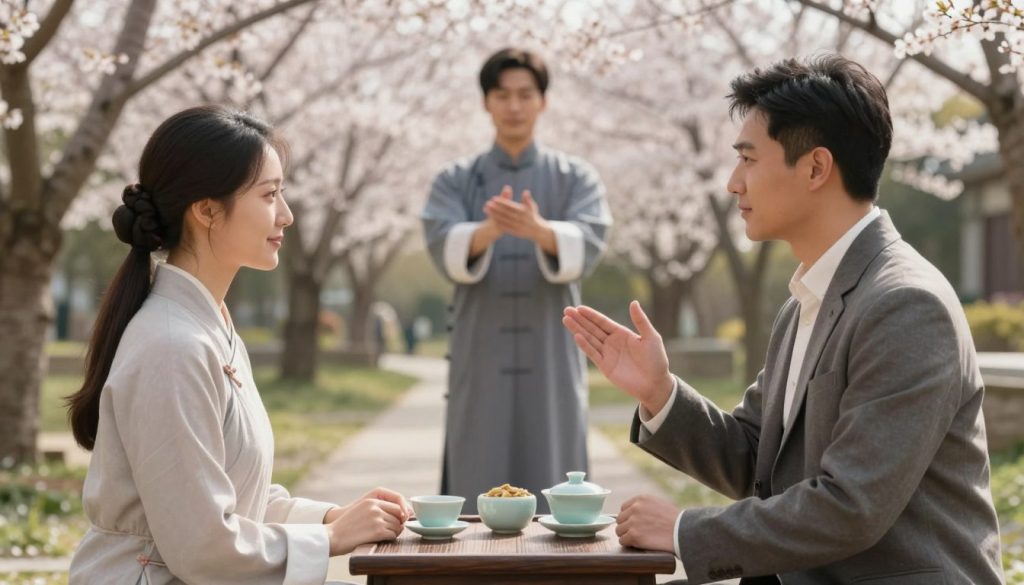
Understanding the Three Letters and Six Etiquettes
Dating back over 2,800 years, this tradition provided structure. The Three Letters were formal documents for betrothal, gifts, and the wedding.
The Six Etiquettes outlined the ceremonial process. Each step ensured family honor and compatibility.
| Etiquette Step | Primary Action | Cultural Purpose |
|---|---|---|
| Proposal (纳采) | Matchmaker seeks parental permission | Formalize family alliance |
| Birthday Matching (问名) | Astrological compatibility check | Ensure harmonious future |
| Presenting Betrothal Gifts | Exchange of symbolic silver coins | Seal the engagement agreement |
| Presenting Wedding Gifts (纳征) | Lavish gifts to bride’s family | Show respect and capability |
| Selecting Wedding Date (请期) | Fortune teller chooses auspicious day | Invite happiness and success |
| Wedding Ceremony (亲迎) | Groom fetches bride in red attire | Celebrate love and fertility |
The Art of Gift-Giving in Courtship
Modern gift expectations remain high. Many women expect luxury items like iPhones or designer perfume.
January and February are especially costly. A man often buys presents for Valentine’s Day and the Spring Festival.
The Qixi Festival, or Chinese Valentine’s Day, is key. The gift’s value signals serious emotional investment.
Public declarations like matching outfits are common. They show commitment to friends and family.
This blend of ancient ritual and modern practice defines the culture. It balances respect with contemporary expression.
Practical Tips for Navigating Chinese Dating
Navigating the dating scene here involves more than just personal chemistry. It’s about integrating into a family system. Success requires understanding both old customs and new realities.
Balancing Tradition with Modern Expectations
When dating chinese women or men, remember you’re pursuing their family too. Show respect to parents from the start.
Chinese men are often expected to take clear initiative. This means expressing interest, planning dates, and covering costs. It shows care and capability.
Liking the same girl among friends is common. Friends see it as a friendly competition, not a betrayal. This competition is normal here.
Ask yourself serious questions before committing. Are you ready for long-term plans like buying a home? Is your job stable? Think about these early.
Building Genuine Emotional Connections
Meeting a partner can happen at work or through friends. Bars might seem easy, but language barriers get tiring fast.
Dating apps are a great way to connect. Be authentic about your life. Don’t pretend to be wealthier than you are.
Focus on real emotional bonds. Learn a few Mandarin phrases. Show interest in local culture. Patience and honesty build the strongest connections.
Many chinese families value tradition. Talk openly with your partner about which customs you both value. Find a balance that works for your serious relationship.
Overcoming Challenges in Chinese Dating
Two major issues cast a shadow over the modern dating landscape: time scarcity and deception.
Young people often find their personal life squeezed by demanding careers.
Identifying and Avoiding Dating Scams
Romance fraud is a serious risk. So-called “pig-butchering” scams involve fake profiles building trust over months.
The scammer then pushes fake investments, causing huge financial losses. Be very cautious if someone professes love before meeting in person.
Red flags include urgent requests for money or pressure to invest. Traditional marriage fraud, where a bride price is taken and the partner vanishes, also exploits loneliness.
Handling Work Pressures and Time Poverty
The “996” work culture (9 am to 9 pm, six days a week) drains energy. Many feel they have no time to date seriously.
This time poverty makes building a relationship difficult. Cross-cultural differences in values add another layer of complexity.
When dating china, remember geography is vast. Meeting someone online might require long travel.
Despite these hurdles, patience and clear communication help. Building a connection takes time, but genuine effort can overcome modern challenges.
Conclusion
This guide has journeyed through the unique landscape where family legacy meets individual choice. The approach to dating and marriage here blends ancient custom with modern innovation.
Long-standing traditions have adapted, not vanished. They now coexist with contemporary values like personal fulfillment. This creates a hybrid culture where personal desires balance family expectations.
Understanding this dynamic helps navigate complexities. It is useful whether exploring cross-cultural romance or seeking deeper insight. Challenges like family involvement require patience and open talk.
Successful connections across differences need mutual respect. We hope this article offers a helpful perspective for your own journey. Thank you for exploring love and commitment in modern times.