Meeting your partner’s parents for the first time can be scary, with cultural differences adding to the challenge. In Chinese culture, gift-giving is a big deal. It shows respect and helps build relationships. Important times for giving gifts in China are birthdays, the Spring Festival (Chinese New Year), and the Mid-Autumn Festival.
Knowing how to give gifts is key to making a good first impression. The right gift can show your appreciation and respect. But, a bad gift can do the opposite. This section will explain why gift-giving is important in Chinese culture and when it’s most significant.
Key Takeaways
- Gift-giving is a significant gesture in Chinese culture that conveys respect and builds relationships.
- Major gift-giving occasions in China include birthdays, the Spring Festival, and the Mid-Autumn Festival.
- Understanding gift-giving etiquette is key to making a good impression when meeting your partner’s parents.
- The right gift can show appreciation and respect, while a thoughtless gift can have negative consequences.
- Being mindful of taboo gifts in China is essential to avoid unintended offense.
Understanding Gift-Giving Traditions in Chinese Culture
In China, giving gifts is more than just a gesture. It shows respect, gratitude, and the value of reciprocity. The act of giving and receiving gifts holds deep cultural meaning.
Gifts in China often carry deeper meanings than their surface value. For example, oranges are given during the Lunar New Year. This is because their sound is like the word for “luck.” Understanding these symbols is key to showing respect and avoiding misunderstandings.
The Importance of Symbolism in Gifts
Symbolism is key in Chinese gift-giving. Gifts are picked for their meanings, like wishing for good fortune or happiness. For example:
- Giving a pair of items symbolizes unity and togetherness.
- Certain numbers are considered lucky or unlucky; for instance, the number 8 is auspicious because it sounds similar to the word for “prosperity.”
- Flowers like peonies are given to represent good fortune and a happy marriage.
As Confucius said, “By three methods we may learn wisdom: By reflection, which is noblest; by imitation, which is easiest; and by experience, which is the bitterest.” This quote shows the value of understanding and experience in cultural practices like gift-giving.
The Role of Reciprocity in Relationships
Reciprocity is a core principle in Chinese culture, including gift-giving. When someone gives a gift, there’s an expectation to give back something of similar value. This exchange strengthens bonds and builds community and respect.
To navigate these traditions, it’s important to consider the gift’s symbolism and the principle of reciprocity. This way, you can show respect and strengthen your relationships with your Chinese in-laws.
Thoughtful Gifts for Chinese Parents
Giving your Chinese parents a meaningful gift can make your bond stronger. It shows respect too. When picking a gift, think about the cultural values and what they like.
Practical vs. Sentimental Gifts
There’s a long debate on practical vs. sentimental gifts. Practical gifts are useful and liked for their usefulness, like good kitchen tools or cozy clothes. Sentimental gifts are special because they hold memories.
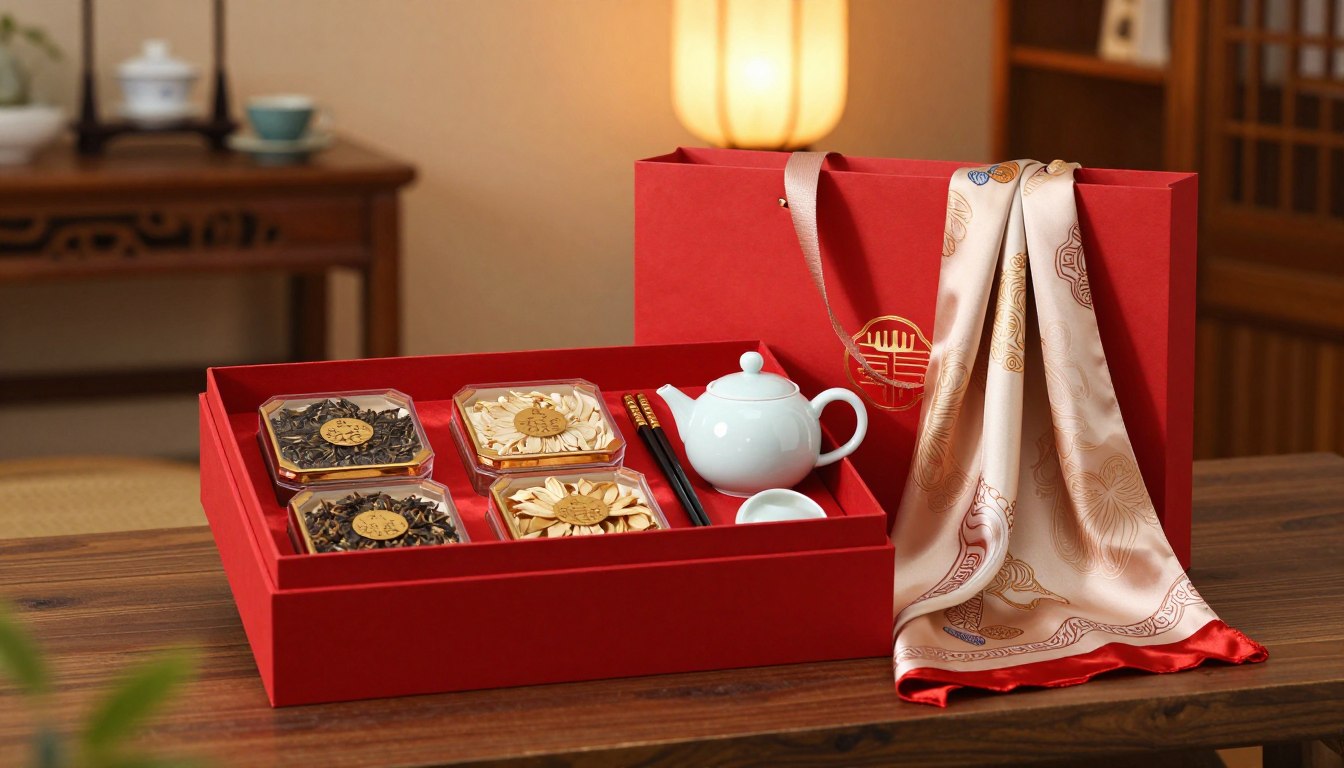
In Chinese culture, both kinds of gifts are valued. But knowing what your in-laws prefer is key. For example, a luxury tea set is both useful and meaningful.

Ideas for Meaningful Gifts
Here are some meaningful gift ideas:
- Local specialty products from your hometown, which connect you to your roots.
- Personalized items, like photo albums or custom jewelry, that show you care.
- Cultural or traditional items, such as calligraphy art or handmade crafts, that show respect for Chinese culture.
Personalization: Adding a Special Touch
Adding a personal touch to a gift makes it even more special. Think about adding a personal message or choosing something that reminds you of a shared memory. Personalized gifts show you’ve thought deeply about it.
For instance, a customized picture frame with a family photo or a monogrammed item adds a personal touch to your gift.
Gifts to Avoid: What Not to Bring
When you’re giving gifts to Chinese parents, knowing what not to give is key. Some gifts are considered taboo because of their negative meanings or because they sound like words for bad luck.
Clocks and Their Negative Connotations
It’s best to avoid giving clocks as gifts in Chinese culture. The word for “clock” (zhōng) sounds like the word for “end” or “funeral” (zhōng). This makes clocks a bad luck gift.
“The Chinese word for clock is a homophone for ‘attending a funeral,’ which makes giving clocks as gifts highly inappropriate.”
Sharp Objects and Relationship Implications
Sharp objects like knives or scissors are not good gifts. They suggest cutting ties or relationships, which could be seen as wishing someone out of your life.
Avoid gifting:
- Knives
- Scissors
- Other sharp objects
Certain Colors and Their Cultural Significance
In Chinese culture, colors have special meanings. Red is lucky, but white and black are for mourning. Giving gifts wrapped in white or black can be seen as disrespectful or bad luck.
| Color | Cultural Significance |
|---|---|
| Red | Auspicious, symbolizing good luck and prosperity |
| White | Mourning, associated with funerals and death |
| Black | Mourning, also associated with bad luck |
Also, giving gifts in sets of four is unlucky. The word for “four” (sì) sounds like “death” (sǐ). Knowing these cultural details helps you pick better gifts.
Food Gifts: A Delicious Option
In Chinese culture, food is more than just a meal. It’s a symbol of goodwill and respect, making it a great gift. When choosing a food gift, think about the cultural meaning of what you pick.
Popular Food Items to Consider
Fruit baskets are a favorite choice, but pick fruits wisely. Avoid pears, as they symbolize separation. Instead, choose apples or oranges for good fortune and abundance.
Other good options include high-quality teas, specialty snacks, or baked goods. The goal is to find items that taste great and look good too.
Presentation Matters: Wrapping and Arranging Food
How you present your food gift is key. Arrange your fruit or other items in a nice basket or container. Decorative wrapping or a gift box can also make it special.
When giving the gift, use both hands. This is a sign of respect in Chinese culture. A well-presented food gift can make a big impression on your Chinese in-laws.
The Role of Tea in Chinese Culture
Tea is a big part of Chinese culture, showing respect through gifts. For ages, tea has been key in Chinese life, standing for peace and friendship. Giving tea to Chinese relatives is a meaningful way to show respect and kindness.
Types of Tea to Gift
Not all teas are good for gifting. High-quality teas like Longjing (Dragon Well) or Ti Kuan Yin are top picks. They taste great and show deep respect for the person you’re giving it to.
Think about what your Chinese relatives like. If they have a favorite tea, get that. If not, Jasmine tea is a nice choice that’s often well-received.
How to Present Tea to Relatives
How you present the tea matters a lot. Beautiful tea packaging makes the gift more special. Look for a nice tea box or a decorative container that shows off the tea’s quality.
“The way to a friend’s heart is through a good cup of tea.” – Chinese Proverb
When you give the tea, a small bow or a polite hello can make it even more special. Adding a card or note about the tea’s meaning shows you care about the gift.
By choosing tea with thought, you show respect for Chinese culture and your relatives. It’s a way to build stronger bonds and make memories that last.
Traditional Gifts that Carry Deep Meaning
Traditional Chinese gifts are more than just presents. They hold deep cultural and symbolic meanings. When looking for gift ideas for Chinese girlfriend’s parents, understanding these meanings is key.
In Chinese culture, gifts symbolize respect, gratitude, and goodwill. Two standout gifts are red envelopes and traditional Chinese medicine.
Red Envelopes and Their Significance
Red envelopes, or “hongbao,” are given at special times like weddings and birthdays. They’re filled with money, bringing good luck and prosperity.
The color red in these envelopes is important. It means good fortune and keeps evil spirits away. Make sure the money inside is even, as odd numbers are unlucky.
The Gift of Health: Traditional Chinese Medicine
Traditional Chinese medicine (TCM) is a thoughtful gift for Chinese parents. It’s a key part of Chinese culture, focusing on health and wellness.
Gifts like herbal teas or ginseng show you care about their health. It’s a caring way to wish them well-being and a long life.
Choose TCM gifts based on their health needs. Ginseng boosts energy, while herbal teas help relax and balance.
Consideration of the Occasion
Choosing the right gift for your Chinese in-laws depends on the occasion. Each event has its own set of customs and expectations for gifts.
Gifts for Holidays and Festivals
Chinese culture is filled with holidays and festivals. Each one has its own traditions and gift-giving customs. For example, during the Lunar New Year, gifts are given to wish for good fortune and prosperity.
Red envelopes filled with money are a classic choice, as red is a symbol of good luck.
Another important festival is the Mid-Autumn Festival. Here, mooncakes are given as gifts. They symbolize unity and completeness.
Birthdays vs. Anniversaries: Different Approaches
Birthdays and anniversaries are big occasions that need special gifts. For birthdays, gifts that wish for longevity and health are appreciated. Examples include long-life noodles or health items.
Anniversaries, though, are about celebrating love and commitment. Traditional gifts might be items that show harmony and togetherness.
| Occasion | Gift Ideas | Cultural Significance |
|---|---|---|
| Lunar New Year | Red envelopes, oranges | Good fortune, prosperity |
| Mid-Autumn Festival | Mooncakes | Unity, completeness |
| Birthdays | Long-life noodles, health supplements | Longevity, good health |
| Anniversaries | Harmonious decorative items, couple-themed gifts | Love, commitment |
Knowing these details helps pick gifts that are not just right but also show respect for Chinese traditions.
“The way to get started is to quit talking and begin doing.” – This quote, while not directly related to gifting, emphasizes the importance of taking action, such as understanding and respecting cultural norms when giving gifts.
Cultural Sensitivity in Gift Choices
Giving gifts to Chinese in-laws is more than just a gesture. It’s about showing respect for their culture and understanding family dynamics. The right gift can mean a lot, going beyond its price or thought.
Understanding Family Dynamics
Chinese family dynamics are complex, with a big focus on respect for elders and tradition. Understanding these dynamics is key when picking a gift. Gifts that show respect and care for family values are always welcome.
- Gifts that symbolize good fortune and prosperity are always a hit.
- Considering the preferences of the elderly in the family can make a gift more meaningful.
- A thoughtful, handwritten note can add a personal touch to your gift.
Respecting Local Customs and Traditions
Chinese culture is full of customs and traditions, including gift-giving. Respecting these customs can make your gift special. For example, a beautifully arranged fruit basket is a thoughtful gift, symbolizing abundance and good health.
- Avoid gifts that are considered taboo, such as clocks or sharp objects, which have negative connotations.
- Opt for gifts with auspicious meanings, like certain types of tea or traditional Chinese medicine.
- Pay attention to the presentation; beautifully wrapped gifts are seen as a sign of respect.
By being mindful of these cultural nuances and showing respect through your gifts, you can strengthen your bond with your Chinese in-laws. Whether it’s a traditional gift or something more modern, the thought and effort you put into it will be appreciated.
The Importance of Presentation
Gift-giving in Chinese culture is not just about the gift itself. It’s also about how it’s presented. The way you present a gift can greatly affect how it’s seen by the person receiving it.
Wrapping Techniques and Choices
The wrapping of a gift shows respect and care. In Chinese culture, red wrapping is linked to good luck and wealth. Choosing the right wrapping color is key, as colors have different meanings.
For example, red is lucky, but white or black might mean mourning. Using high-quality wrapping paper and making sure the gift is neatly wrapped can improve how the gift is received.
The Role of Gift Giving Etiquette
Gift-giving etiquette is very important in Chinese culture. It affects not just the gift but also how it’s given and received. Knowing and following these customs can help build stronger relationships.
“The way we give is as important as what we give.”
Being mindful of presentation and cultural norms can greatly impact how gifts are seen by Chinese in-laws.
When picking gift ideas for Chinese girlfriend’s parents, it’s also wise to know taboo gifts in China to avoid any offense. The way you present a gift can be a thoughtful way to show respect for these cultural traditions.
Tips for Gifting from Across Cultures
For those from Western cultures, gifting Chinese parents requires understanding cultural differences. Gifting is a universal language, but its meaning can change across cultures.
Bridging Cultural Differences
Knowing the cultural importance of gifts in China is key. In China, gifts are more than just thanks; they show respect and goodwill. It’s important to understand the meaning behind gifts and how to present them.
The color red is lucky in Chinese culture, meaning good fortune and wealth. Giving gifts with red packaging is a thoughtful move. But, gifts in white or black should be avoided as they are linked to mourning.
Suggestions for Westerners Gifting to Chinese Parents
Westerners can show respect and care by choosing gifts that are meaningful and culturally aware. Here are some ideas:
- High-quality tea or wine, valued for their taste and cultural importance.
- Traditional Chinese teas, like Jasmine or Pu-erh, show you understand Chinese culture.
- Gift baskets with local treats or gourmet items, presented nicely.
- Personalized gifts, such as photo albums or engraved items, that show you’ve thought about them.
Also, how you present the gift matters. Elegant wrapping and a thoughtful card can make the gift even more special.
| Gift Type | Cultural Significance | Presentation Tip |
|---|---|---|
| Tea | Symbolizes respect and harmony | Use a beautifully crafted tea set |
| Wine | Represents luxury and appreciation | Choose a high-end wine with elegant packaging |
| Gift Baskets | Conveys thoughtfulness and variety | Arrange items attractively and use decorative baskets |
“The art of gifting is not just about the gift itself, but the thought, love, and respect it represents.”
— A wise saying that resonates across cultures.
By paying attention to these cultural tips and ideas, Westerners can impress their Chinese parents-in-law. They show respect and a desire to learn about their culture.
Engaging in Conversation and Feedback
When you give gifts to Chinese in-laws, showing respect is key. Talking and listening to their thoughts makes the gift-giving better. It shows you care about building a good relationship with them.
Understanding Preferences
Asking about their likes can tell you what gifts they’ll enjoy. For example, a fruit basket is thoughtful, but make sure it has their favorite fruits. Also, think about any food they can’t eat.
Gauging Reactions
Watching how they react to your gift is important. If they seem happy, it means you made a good choice. But, if they’re not pleased, it might mean you need to try something else next time.
Talking and listening to their feedback helps you get better at choosing gifts. This way, you can grow closer to your Chinese in-laws.