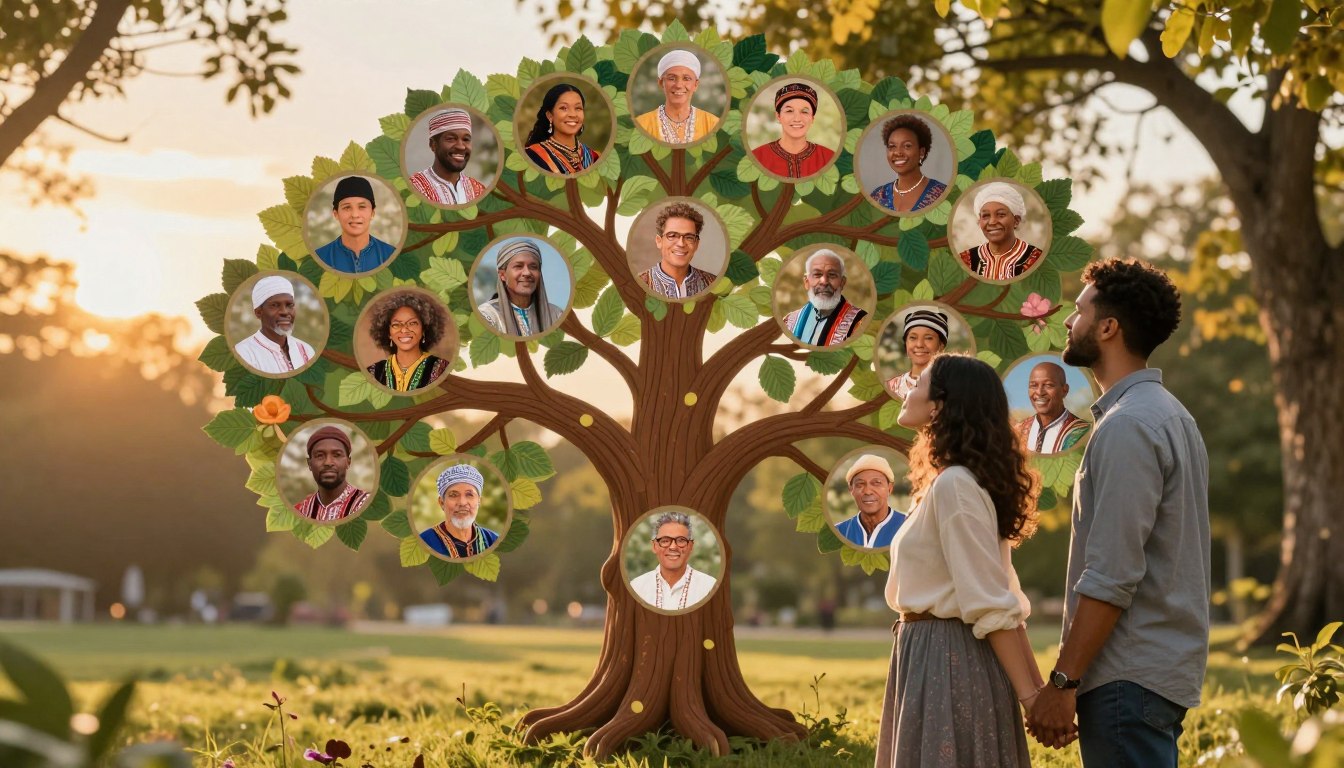
When you start a romance with someone from this background, you’re signing up for more than just one person. You’re connecting with their entire family tree.
Every choice you make together isn’t just between two people. It involves parents, grandparents, and even ancestors from generations past.
This isn’t about being controlled. It’s a fundamentally different worldview. Here, the group’s needs and harmony often come before personal wants.
If you’re used to Western independence, this can feel overwhelming. You might be used to making decisions alone or with just your partner.
These customs are rooted in thousands of years of tradition. They are deep and not easily set aside.
Even modern couples carry this weight. Younger generations may seem relaxed, but ancestral duties still shape their lives.
Navigating this landscape requires patience and cultural sensitivity. You must learn to see through a collectivist lens.
Embracing the Ghost at the Table: Understanding Communal Decision-Making.
Picture this: you’re sharing a meal with your partner, but the conversation about your future feels like it includes a few uninvited, yet deeply respected, guests. I call this “the ghost at the table.” It’s not a spooky metaphor, but a real framework where a couple’s choices are shaped by their lineage.
This invisible presence is upheld through daily life. Adult children often consult their parents on major steps, like marriage. Financial ties, such as help buying a home, strengthen this bond.

The Invisible Presence of Parents and Ancestors.
This presence means your partner values their family’s opinion. Asking “What will my parents think?” isn’t indecision. It’s honoring a deep-seated duty.
That approval is a key step before marriage for many. It shows respect for the entire clan’s stability.
How Are Decisions Made for the Entire Family?
In this worldview, a choice for one person affects all. Your career move or home purchase impacts the family’s reputation and finances. Marriage isn’t just two people in love. It’s two networks merging.
Your relationship timeline, living space, and plans for children become group discussions. Multiple generations have a stake in the outcome.
To an outsider, this can feel intense. Within the culture, it’s seen as caring involvement. It’s an investment in the collective happiness, not interference.
Cultural Pillars: Filial Piety, "Face," and the Marriage Market.
Three powerful forces shape romantic life in many East Asian societies, creating a framework where personal choice meets ancestral duty.

These traditions are not just old ideas. They actively guide how people connect today.
Filial Piety (Xiao) and Its Impact on Relationship Timelines.
Xiao is a lifelong debt to one’s parents. It means your success and stability honor them.
This duty creates a timeline. Many women and men feel pressure for marriage by their late twenties. It’s seen as repaying a sacred debt.
The Role of "Face" (Mianzi) in Partner Selection.
Your partner’s job and background reflect your whole clan’s standing. Losing “face” brings deep shame.
For example, a partner from a less prestigious background can affect a sibling’s prospects. Families vet partners to protect their reputation.
Confronting the "Sheng Nu" Stigma and Ancestral Debt.
The “Leftover Women” label targets unmarried women over a certain age. This social judgment is intense.
The pressure to marry and have children is about continuing the lineage. It’s an ancestral debt. In this way, personal love exists within a larger market of social status.
Chinese Dating Culture Family Expectations: Balancing Tradition and Individual Identity.
The key to a successful cross-cultural bond isn’t about choosing sides, but building bridges between them. You can honor deep-rooted customs while keeping your own identity intact.

Practical Tips for Navigating Cultural Expectations.
Start by learning a few basic phrases in your partner’s language. This shows genuine interest and effort, which speaks volumes.
Attendance at major festivals is practically mandatory. Treat these gatherings as key commitments to the relationship.
Master the art of giving gifts. Thoughtful presents for elders during holidays show respect for traditions in a tangible way.
Be upfront about finances early on. Understand that supporting extended family can be an expectation. Set clear boundaries to protect your own well-being.
Bridging the Gap Without Losing Yourself.
Pay close attention to nonverbal cues. Communication can be indirect, so patience is vital.
Set boundaries with future in-laws respectfully and privately. This helps everyone save face and avoids public conflict.
Find smart compromises. You might agree to attend all festivals but negotiate the length of your stay each time.
The best tip is ongoing, honest talk with your partner. Regular check-ins ensure you’re both comfortable with the balance between old customs and your new life together.
Why do parents seem so involved from the very beginning?
How are major life choices, like marriage, often decided?
What is "filial piety" and how does it affect a relationship?
What is the "leftover women" stigma really about?
What's a good way to show respect for traditions without feeling overwhelmed?
Conclusion
True connection requires seeing the world through another’s eyes, including those of their lineage. While these norms can feel intense, that deep involvement is also a form of care.
You gain a committed support system. Your partner’s parents and relatives often invest fully in your success as a couple.
Remember the pillars we discussed: honoring elders and social harmony. For many women and men, these aren’t old ideas but living guides.
Making a relationship work across backgrounds needs effort from both sides. It calls for patience, honest talk, and smart compromise.