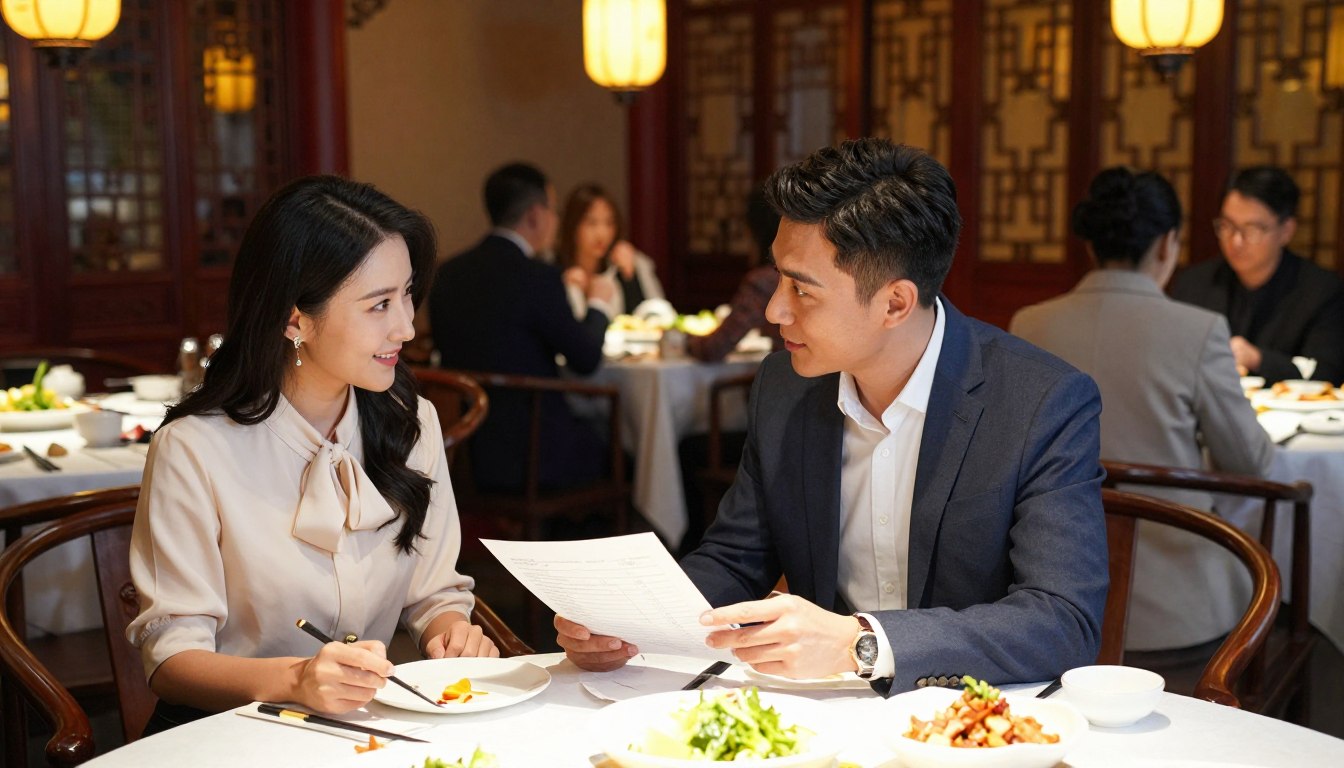
Welcome to an exploration of how finances shape the dating landscape. For many Westerners, the direct nature of these talks can be surprising.
Conversations about salary and stability happen much earlier here. They are seen as normal and acceptable behavior. This is a key difference from common Western dating norms.
This focus is not considered rude or invasive. It is viewed as a practical necessity. There are deeper historical and societal reasons behind this attitude.
Our goal is to help you navigate the intersection of love, culture, and personal finance. Understanding these norms can lead to healthier, more successful cross-cultural connections.
We will look at traditional roles, modern attitudes, and family expectations. We aim to educate with a friendly and non-judgmental perspective on both approaches to romance.
Key Takeaways
- Financial discussions begin early in the dating process within this cultural context.
- Asking about a partner’s salary is standard and not considered impolite.
- This practicality stems from a focus on long-term stability and security.
- Understanding these differences is crucial for successful cross-cultural relationships.
- Family expectations often play a significant role in financial matters.
- Transparency about finances is valued highly for future planning.
- These norms reflect unique historical values, not just materialism.
Understanding Money In Chinese Relationships
Dating norms concerning finances are not static. They evolve alongside a society’s economic landscape.
The Evolution of Financial Discussions in Dating
Over the years, partnerships moved from arranged marriages based on family wealth. Today, a hybrid approach is common.
Rapid economic growth created new attitudes. Yet, traditional values still influence major decisions.
With social safety nets less robust, practical security remains a priority. This shapes how people view commitment.
Modern Attitudes Toward Money and Love
For many, romantic feelings and financial stability are intertwined. This creates a holistic approach to partnership.
Modern daters balance heart and head. They consider long-term security alongside genuine affection.
This isn’t unique. Western literature like Pride and Prejudice shows similar priorities were standard just 150 years ago.
The main difference between cultures often lies in the timeline of economic development. Understanding these things requires looking at both history and current realities.
The Traditional Role of Money in Chinese Dating Culture
The concept of the provider remains a cornerstone of many romantic ideals. Within this cultural context, a man is traditionally viewed as the primary economic pillar.

This expectation creates significant pressure. Many feel they must achieve financial stability before pursuing serious commitments like marriage.
Women are actively encouraged to build careers. However, traditional views often suggest her earnings should complement rather than exceed her partner’s income.
Family expectations heavily influence dating decisions. Parents frequently encourage their daughters to seek partners who offer clear economic security.
Class and status consciousness remains strong. It affects who is seen as a suitable match within society.
The concept of “face” is crucial here. A man’s ability to provide reflects on his entire family’s social standing.
These traditions serve practical purposes. They offer a framework for security in a system with limited safety nets.
Ultimately, love in this framework doesn’t exclude financial talk. It incorporates economic capability as a genuine expression of commitment and care.
Direct Conversations About Salary and Finances
One of the most immediate cultural shocks for foreigners can be the frankness surrounding personal income. People are remarkably direct about finances here. Asking “How much do you earn?” on a first or second date is standard.
This is considered practical, not rude. It’s a way to quickly assess long-term compatibility.
Why Asking About Your Salary is Normal
The goal is to avoid investing time in a partnership that lacks financial foundation. For many, this transparency is a sign of serious intent.
It is not a sign of shallow materialism. A Western man might misinterpret these questions as greed.
This conclusion gives too little credit. Chinese women often share similar practical concerns with their Western counterparts.
Honesty about earnings is highly valued. The cultural preference is for full disclosure early on.
Navigating Honesty and Financial Expectations
A lot of misunderstanding stems from different communication styles. The key thing to remember is that these talks are about planning.
When asked, be honest but also discuss your values. You can set boundaries that feel right for your own connection.
Of course, not every individual has identical attitudes. Understanding this common norm helps prevent unnecessary friction.
View financial questions as part of building a stable future together. This approach fosters trust from the start.
Cultural Expectations in Family and Relationship Dynamics
When you date someone from this culture, you are not just dating an individual. You are connecting with their entire family system.
Your partner’s responsibilities extend far beyond your relationship. This creates a unique dynamic where family well-being is a shared priority.
Family Obligations and the Pressure to Provide
Adult children are expected to financially support their parents. This is a fundamental duty, not optional generosity.
Many people live at home with parents well into their 30s. This is common across society.
If someone has a job in the city while family remains elsewhere, sending funds home is a regular necessity. This remittance supports the household.
Parents themselves face social pressure. When their friends receive support from adult children, it creates a strong expectation.
They may feel their own offspring should provide similarly. This cycle reinforces the cultural norm.
A lot of conflict in cross-cultural partnerships stems from differing views on these duties. A Western partner might see it as a burden.
Planning for this early is key. Partners may need to send money regularly, and discussing this openly builds trust.
Understanding these expectations is crucial for any serious connection. It shows respect for your partner’s core values.
Comparing Chinese and Western Financial Norms in Relationships
When love meets finance, cultural scripts diverge sharply between East and West. These differences shape everything from first dates to long-term commitments.
Egalitarian Approaches in the West
Western partnerships often embrace an egalitarian model. Splitting the check on dates is common and signals mutual respect.
Couples frequently contribute equally to shared costs like rent. The idea is that both partners work together to build a life.
Stay-at-home fathers are becoming more accepted in Western society. This flexibility in gender roles is a key difference.
Ideally, affection is seen as conquering all obstacles, including financial ones. A woman with a high salary may accept a partner who earns less if he has good intentions.
Women who prioritize a man’s wallet can face harsh judgment. Terms like “gold digger” show this cultural disdain.
Provider Roles in Traditional Chinese Values
In contrast, traditional values in this culture emphasize the man’s role as the primary provider. His economic capability is a direct reflection of his commitment.
A woman earning more than her male partner can cause social discomfort. This is rarely discussed openly with friends.
Offering to split a bill might be interpreted as a lack of romantic interest. It could even be seen as stingy behavior.
What the West calls “gold digging” is often viewed here as prudent planning for security. Of course, individual attitudes vary.
Understanding these patterns is crucial for cross-cultural harmony. Neither approach is inherently right or wrong.
Financial Prerequisites for Love and Marriage
For countless young men, the greatest barrier to marriage isn’t a lack of love, but a lack of capital for a down payment. A common expectation is owning an apartment, a commitment worth hundreds of thousands of Yuan. This prerequisite shapes the entire journey toward commitment.
The Impact of Economic Security on Relationship Decisions
This creates a direct conflict between romantic feelings and economic reality. Many partnerships end because one person cannot meet these financial standards.
In a society with limited social safety nets, marriage itself becomes a key form of economic security. It’s about planning for a stable future life.
Women often face a difficult choice. They must weigh deep affection against the practical need for stability when selecting a long-term partner.
A lot of Western observers misinterpret this as pure materialism. In reality, it’s rational decision-making driven by survival concerns.
The pursuit of wealth in a partner isn’t about luxury. It’s about ensuring basic security for children and family well-being.
Understanding this link between love, security, and survival needs explains behaviors that might otherwise seem cold. Economic concerns profoundly impact personal decisions.
The Baijiu Test: Money's Role in Chinese Business and Affection
In the world of business dealings, a unique ritual blends generosity with a shrewd evaluation of character. This practice centers on the potent spirit, baijiu.
Buying rounds of this expensive alcohol is seemingly an act of warm hospitality. In reality, it serves a dual purpose as a strategic character assessment.
The cultural concept of “eating hardship” (吃苦, a Chinese idiom) is personified here. Enduring the physical challenge of the drink demonstrates resilience and worthiness.
A worthy partner is one who can handle struggle. The baijiu test becomes a miniature proxy for business reliability.
Spending money this way is an investment. It pays for insights into a person’s true nature as alcohol lowers inhibitions.
A lot of Western observers misunderstand these sessions as mere socializing. They are crucial evaluation moments within this business culture.
Of course, modern practices evolve. Yet, this tradition highlights a broader pattern of using shared hardship to build trust and affection.
Materialism Versus Genuine Affection in Chinese Contexts
Gifts in this culture carry a weight of meaning that goes far beyond their price tag. A common misunderstanding is labeling the desire for them as simple greed.
This view unfairly characterizes the motivations of many individuals. It gives too little credit to their genuine search for security and commitment.
Extravagant Gifts and Their Cultural Meaning
An expensive present is often tangible proof of a man’s capability and intent. If he cannot manage a significant purchase now, how will he handle a home later?
Many women can afford these items themselves. The gift from a partner is valued as a demonstration of devotion and sacrifice.
“He says he loves me, but is he willing to show it through his actions?”
This contrasts with a common Western approach. There, a person might ask for modest things to avoid appearing greedy.
Different cultural scripts explain this divergence. One prioritizes overt demonstrations of providing; the other values subtle signals of non-material interest.
| Cultural Context | Gift-Giving Rationale | Social Perception |
|---|---|---|
| Chinese Context | Proof of provider readiness and long-term commitment. | Enhances ‘face’ and shows serious intent. |
| Western Context | Symbol of thoughtfulness, often modest to avoid greed signals. | Focus on sentimental value over monetary value. |
| Key Insight | The same act (giving a gift) communicates vastly different cultural priorities. |
This logic extends to major events like weddings. Guests commonly give red envelopes with cash, not physical registry items.
This practice supports the new couple and publicly affirms the family’s social standing. It is deeply tied to concepts of face and community.
Of course, any system can be abused by a few with bad intentions. This does not represent the motivations of most people.
Understanding this context is crucial. Genuine affection and financial demonstrations are not opposites here. They are complementary expressions of love.
Social Security, Savings, and the Survival Mindset
National economic growth does not automatically translate to personal financial safety. A deep survival mindset shapes how many individuals handle their finances.
This focus stems from a lack of comprehensive social safety nets. One major health crisis can devastate a family’s wealth.
Even in cities like Beijing, aggressive saving is a necessity. People prioritize future security over present spending.
Economic reports show consumer spending remains low. Families save for potential emergencies instead of buying goods.
Parents often expect support from adult children. Formal retirement systems are frequently inadequate for their needs.
China’s overall wealth doesn’t mean individual security. Its GDP per capita ranks 88th globally.
The survival mindset from years of poverty persists. It influences discussions about partnership and family planning.
| Savings Motive | Primary Driver | Common Outcome |
|---|---|---|
| Medical Emergency Fund | Fear of catastrophic health costs | High savings rate, low consumption |
| Parental Support | Inadequate pension systems | Adult children sending money home |
| Future Marriage Security | Need for housing and stability | Pressure to accumulate assets early |
What seems like an obsession with money is often a rational response. It addresses genuine insecurity about future life needs.
Understanding this context is key. Financial stability reflects lived experience, not simple materialism.
How Financial Priorities Shape Long-Term Relationship Stability
The way a couple manages their finances can either build a fortress of trust or create cracks that widen over time. Early, transparent conversations are the foundation. They prevent resentment from building over the course of a relationship.
Different expectations can cause immediate friction. For example, a Western man offering to split a bill signals respect. For many chinese women, it signals a lack of romantic interest.
The reverse situation also hurts. A Western woman supporting her partner can cause severe loss of face for him. This fact highlights how deeply career and provider roles are tied to identity.
| Common Conflict | Root Cause | Healthy Resolution |
|---|---|---|
| Who pays on dates? | Clashing signals of interest vs. independence. | Discuss meanings beforehand; alternate treating. |
| Supporting parents financially. | Different views on family obligation. | Set clear, mutual budgets for family support. |
| Earning disparity & power. | One job pays much more, affecting dynamics. | Focus on teamwork, not who contributes more money. |
| Abuse of cultural trust. | One partner exploits the other’s unfamiliarity. | Learn norms together; be wary of constant demands. |
With compromise, these differences don’t have to be deal-breakers. The key thing is taking time to understand each other’s background. This work ensures your love has a stable home.
Conclusion
Final thoughts on blending hearts and households reveal that empathy is the ultimate currency. Financial expectations stem from cultural context, not materialism.
Understanding this difference helps avoid misunderstandings. It fosters stronger cross-cultural bonds.
Neither society’s approach is superior. Each reflects unique historical and economic realities.
Many men and women compromise successfully. A Western partner may pay for dinner but focus on joint savings. A Chinese partner learns about Western equality norms.
Open communication and mutual respect are essential. Day-to-day success requires ongoing dialogue.
Parents influence attitudes, but couples set their own boundaries. While abuse of cultural trust occurs, most people have genuine intentions.
Consulting further articles and reports can provide deeper insight. Career and wealth levels vary, requiring personalized solutions.
With work and understanding, cross-cultural couples build lasting relationships. They honor both partners’ values and backgrounds.