
In recent years, the concept of “fast-track” relationships has gained significant attention, particularly in the context of Chinese Dating Culture. As I delve into this phenomenon, it becomes clear that there’s a fine line between cultural pressure and what’s often termed as “love bombing.”
The term “fast-track” refers to the rapid progression of romantic relationships, often driven by societal expectations and the desire for companionship. However, this has also led to confusion and concerns about distinguishing between genuine cultural practices and potential scams.
This article aims to decode the nuances of fast-track relationships in China, exploring the cultural context and warning signs that can help individuals navigate these complex situations.
Key Takeaways
- Understanding the cultural context of “fast-track” relationships in China.
- Distinguishing between cultural pressure and love bombing.
- Identifying warning signs of potential scams in fast-track relationships.
- Exploring the societal expectations driving the “fast-track” phenomenon.
- Navigating the complexities of modern dating in China.
Why Chinese Relationships Move at Lightning Speed (And Why That Shocked Me at First)
The speed at which Chinese relationships unfold is nothing short of remarkable, and it caught me off guard initially. As I delved deeper into understanding the dynamics of Chinese dating culture, I realized that this rapid progression is largely driven by cultural pressure and the societal emphasis on marriage and stability.
In China, the concept of “dating with a purpose” is prevalent, where relationships are not just about romance but also about finding a suitable partner for marriage. This practical approach to dating is influenced by various factors, including parental expectations and the desire for financial security.

Parental pressure plays a significant role in the fast-tracking of relationships. In Chinese culture, marriage is viewed as a significant milestone, and parents often encourage their children to settle down early. This pressure can manifest in various ways, from subtle suggestions to direct involvement in the dating process.
Moreover, the societal emphasis on stability and security also contributes to the rapid progression of relationships. Factors such as income, house ownership, and Hukou (China’s household registration system) are often considered crucial in evaluating a potential partner. This focus on practical aspects can lead to a more direct and efficient approach to dating, where the goal is to find a compatible partner quickly.
Understanding these cultural nuances was key to my appreciation of why Chinese relationships move at such a lightning-fast pace. It’s not just about romance; it’s about building a life together, supported by a complex interplay of cultural, social, and economic factors.
Understanding "Dating with Purpose" in Chinese Culture
In Chinese culture, ‘dating with purpose’ is more than just a casual encounter; it’s a deliberate step towards a lifelong commitment. This approach to dating is deeply ingrained in the societal fabric, influenced by a mix of traditional values and modern expectations.
The concept of “dating with purpose” is not just about finding a partner; it’s about evaluating potential for a long-term relationship based on various practical considerations. Parental pressure plays a significant role in this evaluation process.
The Parental Pressure Factor: Why Marriage Isn't a Distant Dream
In China, marriage is often viewed as a significant life milestone, with parents actively encouraging their children to settle down. This parental pressure is a driving force behind the “dating with purpose” mentality, as individuals are motivated to find a suitable partner quickly.
The pressure is not just about finding anyone; it’s about finding someone who meets certain criteria that are deemed important for a successful marriage. This includes factors like financial stability, social status, and family background.
Why Income, House Ownership, and Hukou Come Up on Date One
When dating with purpose, practical matters are discussed early on. Topics like income, house ownership, and Hukou (China’s household registration system) are not taboo; they’re essential considerations that can make or break the potential for a relationship.
Discussing these matters upfront is seen as a sign of efficiency and pragmatism, rather than a lack of romance. It’s about ensuring that both partners are on the same page regarding their future together.
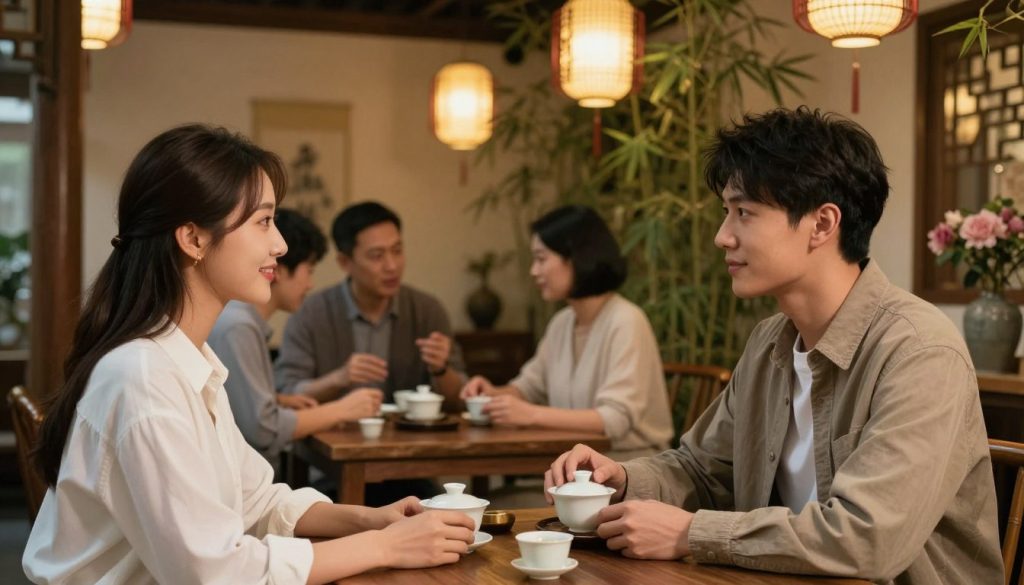
This Isn't Romance Killing—It's Efficiency and Tradition
The “dating with purpose” approach may seem pragmatic, but it’s rooted in tradition and cultural values. It’s not about killing romance but about being efficient in finding a compatible partner.
This cultural norm is about respecting tradition while embracing the practical aspects of building a life together. It’s a unique blend of old and new, where the goal is to create a stable and secure future.
What Love Bombing Actually Looks Like in Romance Scams
Romance scams have become increasingly sophisticated, often masquerading as genuine cultural practices. As someone who has delved into the complexities of Chinese dating culture, I’ve come to realize how scammers exploit these customs to deceive unsuspecting victims.
The Fantasy Future Without Reality Checks
Scammers create a fantasy future, showering their victims with affection and promises of a perfect life together. They avoid discussing practical aspects, such as financial stability or family expectations, focusing instead on an idealized version of their relationship.
This approach is particularly effective in cultures where relationships move quickly, as it mirrors the rapid progression of genuine relationships. However, scammers lack the genuine emotional connection and long-term commitment that characterizes real relationships.

How Scammers Mimic Cultural Speed But Miss the Details
Scammers often mimic the speed at which relationships progress in certain cultures, but they miss the subtle details that make these interactions meaningful. For instance, they might declare their love early on, but fail to engage in the nuanced conversations that typically accompany such declarations.
- They might avoid discussing practical aspects, such as financial stability or family expectations.
- Scammers often lack the cultural references and personal anecdotes that make a relationship feel authentic.
- Their attempts at intimacy can come across as forced or insincere.
The Isolation Strategy: You Against the World
Another tactic employed by scammers is isolating their victims from the rest of the world. They create a sense of exclusivity, making their victims feel like they’re the only ones who truly understand them.
This isolation can be particularly damaging, as it makes victims more dependent on the scammer and less likely to seek outside help or advice.
Key signs of isolation include:
- Being discouraged from interacting with friends and family.
- Being made to feel guilty for not being more available or responsive.
- Being isolated from other social interactions or activities.
Chinese Dating Culture vs Scams: The Critical Differences I've Noticed
As I delved deeper into Chinese dating culture, I began to notice significant differences between authentic relationships and scams. Understanding these differences is crucial to navigating the complex world of online dating, especially when cultural norms can sometimes be misconstrued as red flags.
Real Chinese Partners Ask Hard Practical Questions
Genuine Chinese partners tend to ask practical questions early on in the relationship. These questions are often related to one’s lifestyle, future plans, and financial stability.
Questions About Hukou, Salary, and Living Arrangements
Some of the practical questions asked include those about Hukou (China’s household registration system), salary, and living arrangements. For instance, a partner might ask:
- What is your current Hukou status?
- What is your average monthly salary?
- Do you own or rent your living space?
| Practical Questions | Examples |
|---|---|
| Hukou Status | What is your current Hukou status? |
| Salary | What is your average monthly salary? |
| Living Arrangements | Do you own or rent your living space? |
Family Background and Future Planning
They also inquire about family background and future plans, such as:
- What are your family’s expectations from our relationship?
- How do you plan to support our future family?
Scammers Avoid Reality and Push for Investments Instead
On the other hand, scammers tend to avoid such practical discussions and instead push for financial investments or gifts.
Gift Requests and Financial "Emergencies"
Scammers often make requests for gifts or claim financial emergencies, such as:
- Requesting money for a family member’s medical treatment.
- Asking for expensive gifts as a token of affection.
The Avoidance of Concrete Details
They also tend to avoid providing concrete details about themselves, such as their occupation, living situation, or family background.

By understanding these critical differences, one can better navigate the complex landscape of Chinese online dating and avoid potential scams.
My Journey: Learning to Decode Fast-Track Romance
As I navigated the complex world of Chinese dating, I realized that distinguishing between cultural norms and scams was a challenging task. My experience was a mix of cultural immersion and caution, as I encountered various practices that were both fascinating and alarming.
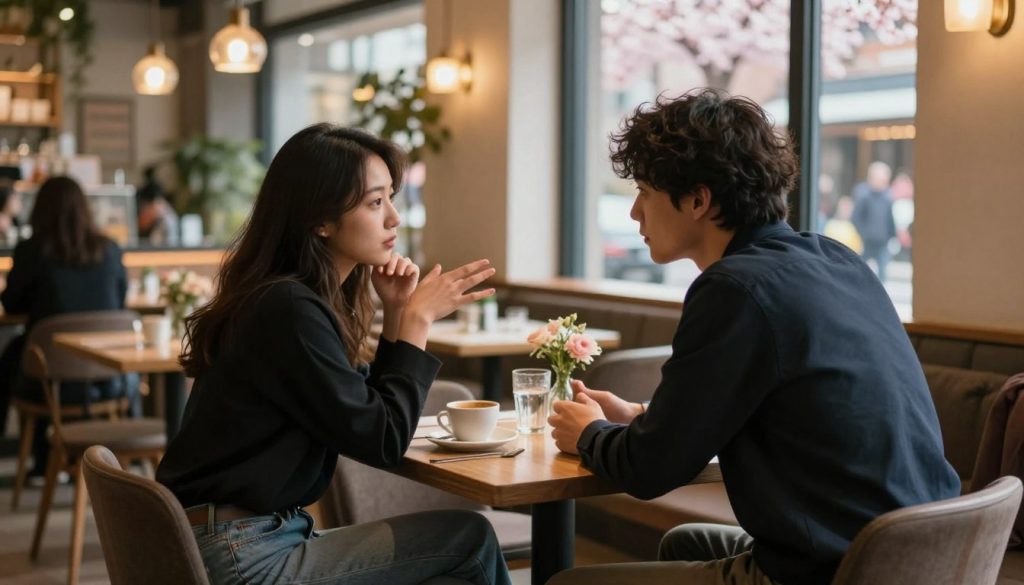
When Cultural Dating Pressure Felt Overwhelming But Was Legitimate
I recall instances where the pressure to settle down felt overwhelming, yet turned out to be legitimate cultural practices. For example, during a dinner conversation, a friend’s parents discussed their expectations for their child’s future marriage. This was not just a casual chat; it was a serious discussion that highlighted the importance of family involvement in Chinese dating culture.
The cultural emphasis on marrying within a certain timeframe and meeting specific criteria, such as income and house ownership, was significant. I observed how these expectations were not just about personal achievement but also about family honor and social status.
The Red Flags I Almost Missed in My Close Call with a Scammer
During my journey, I had a close call with someone who seemed perfect but turned out to be a scammer. The red flags were subtle: an avoidance of video calls, a request for financial help early in our conversation, and an inconsistent story about their job. I almost missed these signs because they were masked by charming messages and a seemingly genuine interest in getting to know me.
Upon reflection, I realized that these red flags were not just minor warning signs but significant indicators of a potential scam. I compiled a table to highlight the key differences I observed between legitimate cultural practices and potential scams.
| Characteristics | Legitimate Cultural Practices | Potential Scams |
|---|---|---|
| Family Involvement | High; family expectations are discussed openly | Low; family is rarely mentioned or involved |
| Financial Discussions | Practical discussions about financial stability | Requests for money or investments early on |
| Video Calls and Meetings | Agreements to meet in person or video calls | Avoidance of video calls or in-person meetings |
My experience taught me to be vigilant and to differentiate between cultural practices and scams. By sharing my story, I hope to help others navigate the complex landscape of fast-track romance in China.
Normal vs Suspicious: Your Complete Comparison Checklist
When navigating the complex world of Chinese dating, it’s crucial to distinguish between cultural norms and potential scams. To help you make this distinction, I’ve compiled a comprehensive checklist covering key areas where cultural practices and scamming behaviors diverge.
Speed and Timeline Patterns
Chinese dating culture is known for its fast-paced nature, but there are significant differences between a legitimate cultural timeline and a scammer’s approach.
Legitimate Cultural Dating Timeline
- Initial meetings often involve practical discussions about life goals and expectations.
- Progressing from online to offline dates typically happens within a few days to a week.
- Family introductions may occur relatively early, often within the first few weeks of dating.
Scammer Timeline Red Flags
- Rapid declarations of love or long-term commitment within the first few days.
- Pushing for immediate financial investments or gifts.
- Avoiding in-person meetings or delaying them indefinitely.
Questions and Conversation Topics
The types of questions asked and topics discussed can be a strong indicator of whether you’re dealing with a genuine partner or a scammer.
What Real Partners Ask
- Practical questions about your career goals, financial situation, and long-term plans.
- Inquiries about your family background and expectations.
- Discussions about cultural differences and how to navigate them.
What Scammers Avoid or Ask Instead
- Avoiding direct questions about themselves or their background.
- Focusing excessively on your financial situation or investment opportunities.
- Using overly flattering or insincere language to build a false sense of intimacy.
Family Involvement and Meeting Expectations
How a partner involves their family or discusses family expectations can be a significant indicator of their genuine intentions.
Cultural Partner Approach to Family
- Involving family in decision-making processes or seeking their approval.
- Discussing family expectations and how to meet them.
- Planning to meet each other’s families as a natural progression of the relationship.
Scammer Approach to Family
- Avoiding discussions about family or showing reluctance to meet them.
- Making excuses for why they can’t introduce you to their family.
- Using family obligations as a reason to request financial help.
Financial and Practical Discussions
How financial matters are discussed can be a crucial differentiator between genuine cultural practices and scamming behaviors.
Normal Cultural Financial Talk
- Discussing financial goals, savings, and investment strategies together.
- Talking about the financial implications of moving in together or getting married.
- Sharing information about income, expenses, and financial responsibilities.
Suspicious Financial Requests
- Requesting money for personal emergencies or family crises.
- Pushing for joint financial investments or business ventures early on.
- Using financial stress as a reason to ask for gifts or monetary help.
By using this checklist, you can better navigate the complexities of Chinese dating culture and identify potential red flags that may indicate a scam. Remember, genuine relationships involve mutual respect, practical discussions, and a willingness to meet each other’s families.
Red Flags That Scream "Scam" Not "Culture"
When navigating the complex world of Chinese dating, it’s crucial to distinguish between cultural norms and scam indicators. As I’ve learned, certain behaviors can signal a scam rather than a genuine cultural practice.
To avoid falling prey to scams, it’s essential to be aware of the warning signs. Here are some key red flags to watch out for:
Investment Opportunities and Gift Requests Before Meeting
One of the most significant red flags is when someone requests investments or gifts before you’ve met in person. This behavior is not typical in genuine Chinese dating culture, where building a relationship is prioritized over financial transactions.
- Be cautious of requests for money or valuable items early in the relationship.
- Legitimate partners will not pressure you for financial investments before meeting.
Refusing Video Calls with Family Members
In Chinese culture, family is highly valued, and involving family members in the dating process is common. If someone refuses to participate in video calls with family members or makes excuses, it could be a sign of a scam.
Be wary if your partner avoids family interactions or seems evasive about their family.
Endless Excuses for Not Meeting in Person
While cultural or logistical reasons might sometimes prevent in-person meetings, consistent excuses or avoidance can indicate a scam. Genuine partners will make an effort to meet or provide clear reasons for any delays.
Pay attention to whether your partner is making an effort to meet you or is consistently canceling plans.
Perfect English with No Cultural References
Scammers often use perfect English to appear more legitimate, but they might lack cultural references or nuances that native speakers take for granted. If someone’s language seems too perfect or lacks cultural context, it could be a red flag.
- Notice if your partner’s language seems unnatural or overly formal.
- Genuine partners will have their own cultural references and expressions.
By being aware of these red flags, you can better protect yourself from potential scams and focus on building a genuine connection with your partner.
How I Verify Someone Has Real Intentions (My Action Plan)
To distinguish between genuine interest and scams, I’ve developed a personal action plan. Verifying someone’s real intentions in China’s fast-track dating scene requires a combination of cultural understanding, direct questioning, and observational checks.
Requesting Video Calls with Parents or Siblings
One of the most effective ways I’ve found to verify someone’s intentions is by requesting video calls with their family members. This step helps gauge their willingness to integrate you into their family life, a significant aspect of Chinese culture.
When someone is hesitant or refuses to arrange such a call, it’s a red flag. Genuine partners are typically eager to introduce you to their family, as this is seen as a crucial step in building a serious relationship.
Asking the Uncomfortable Practical Questions Myself
I take the initiative to ask practical questions that can reveal a lot about the other person’s intentions. These questions include inquiries about their career goals, financial situation, and long-term plans.
- What are your plans for the next five years?
- How do you manage your finances?
- What are your expectations from a partner?
By asking these questions, I can assess whether the other person’s goals and values align with mine.
Insisting on In-Person Meetings in Public Places
Meeting in person is crucial, and I prefer public places for the initial meetings. This approach provides a safe environment while allowing me to observe how the other person interacts in different settings.
I’ve found that scammers often avoid in-person meetings, citing various excuses. Genuine individuals, on the other hand, are more willing to meet and get to know you better.
Checking Their Social Media and Real-World Connections
Verifying someone’s social media presence and real-world connections is another vital step. I check their profiles on various platforms to ensure their online presence is consistent with the information they’ve shared.

| Verification Steps | Red Flags | Genuine Indicators |
|---|---|---|
| Video Calls with Family | Hesitance or refusal | Willingness to arrange calls |
| Practical Questions | Evasion or inconsistency | Clear and consistent answers |
| In-Person Meetings | Excuses for not meeting | Willingness to meet in public |
| Social Media Check | Inconsistent or fake profiles | Consistent and genuine profiles |
By following these steps, I’ve been able to effectively verify someone’s real intentions in China’s fast-track dating scene. It’s a proactive approach that combines cultural understanding with practical verification techniques.
Conclusion
Navigating the complex world of modern dating requires a nuanced understanding of cultural differences, particularly when it comes to Chinese Dating Culture vs Scams. As I’ve explored in this article, the line between cultural practices and scams can often become blurred.
Understanding the distinction between cultural dating practices in China and love bombing scams is crucial in today’s globalized dating scene. By recognizing the differences, individuals can better protect themselves from potential scams while also appreciating the unique cultural practices that shape Chinese dating culture.
In conclusion, being aware of these differences is key to a healthy and safe dating experience. By being informed and cautious, individuals can navigate the complexities of cross-cultural dating with confidence.