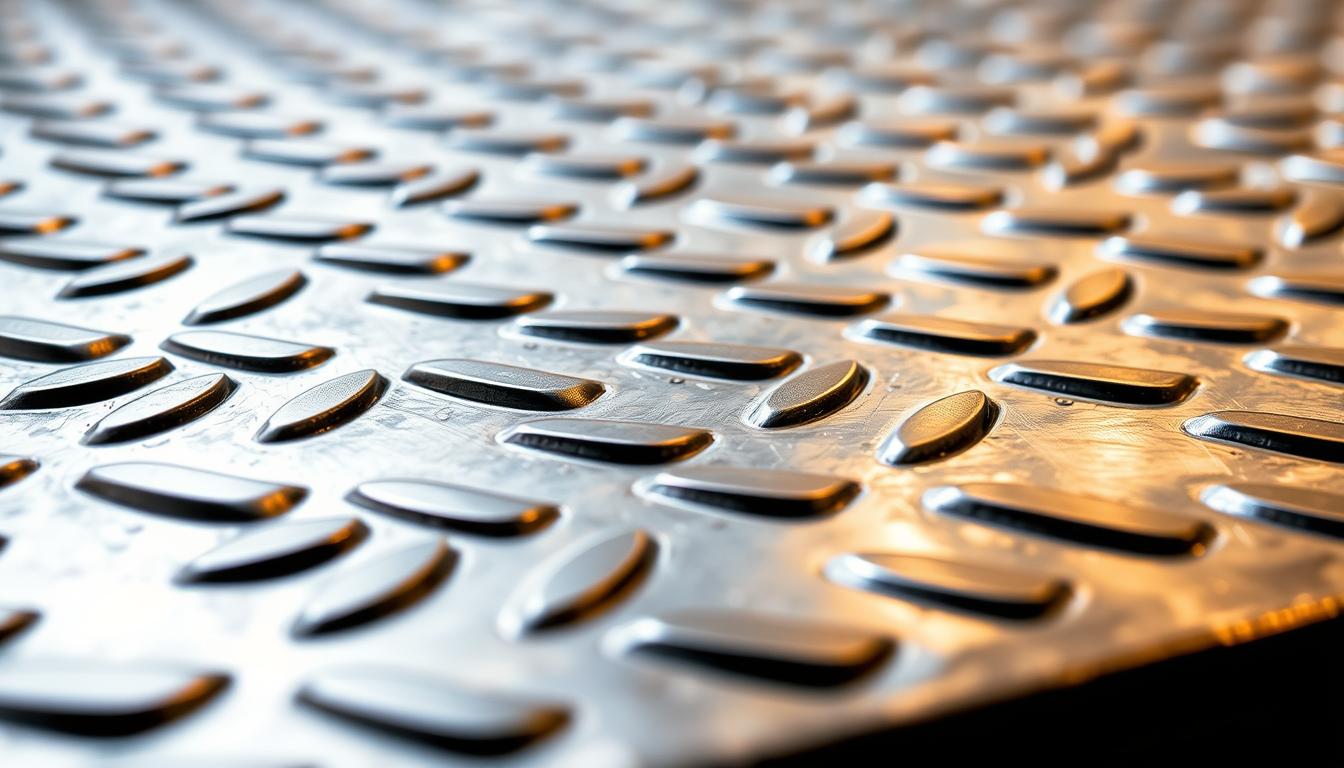
Have you ever wondered how some surfaces stay safe to walk on, even when things get super slippery? In places where falling could be a real problem, having the right kind of floor is seriously important.
Safety flooring has come a long way, and diamond plate has become one of the most trusted solutions out there. This metal has a unique raised pattern that gives you amazing grip, even if there’s oil, water, or other slippery stuff on it.
It all started in old factories where accidents pushed people to find safer flooring. Today, you’ll find these special materials keeping people safe in warehouses, manufacturing plants, and even restaurant kitchens. But they’re also great for home garages and outdoor paths.
Beyond industrial spots, these textured surfaces are a big help in public areas, especially when bad weather makes walking tricky. That unique raised pattern creates more contact points with your shoes, seriously cutting down the chance of slipping, even on inclines.
Here's the Gist:
- Diamond plate grips really well, even when it’s wet or oily.
- Its raised pattern gives your feet extra stability.
- Using these anti-slip surfaces seriously cuts down on accidents and injuries at work.
- You’ll find this material keeping things safe in both factories and homes.
- Having the right flooring is a must to follow safety rules in many businesses.
- The textured surface works great in all sorts of weather.
What Makes Diamond Plate a Superior Non-Slip Surface
Diamond plate is pretty much the king of safe flooring. This unique metal, with its signature raised diamond pattern, gives you amazing traction, even when things are super slippery. The secret isn’t just how it looks; it’s been perfected over decades of engineering to be both safe and useful.
Unlike regular flooring, diamond plate (also called checker plate) gives your shoes many points of contact, seriously cutting down on slips. This grip works in all directions, whether it’s wet or dry, making it perfect for high-risk areas where other surfaces might fail. Plus, that raised pattern helps liquids drain away, so dangerous puddles don’t form.
The Evolution of Safety Flooring
The journey to modern slip-resistant flooring began way back when factories realized they needed to stop people from getting hurt. Early attempts were pretty basic, like grooved concrete or simple metal grates, which didn’t offer much protection.
By the mid-1900s, people started trying out patterned metal surfaces. The diamond pattern quickly proved to be the best because it gave grip from every direction while still staying strong. This was a big step for safety in factories.
In the 1970s, diamond plate really took off with standardized designs. Engineers put these patterns through tough tests to find the perfect height, spacing, and angle for the diamonds. They discovered a specific layout that gave just the right balance between grip and easy walking, preventing both slips and trips.
Diamond Plate in Modern Safety Applications
Today, diamond plate is basically the top choice for slip-resistant flooring everywhere. Safety experts recommend it constantly for places where slips are a real danger. It’s popular because it’s proven to prevent accidents and keeps working well even after years of heavy use.
Modern factories, warehouses, and loading docks count on diamond plate to protect workers in areas where spills and moisture are common. You’ll also see checker plate on vehicle steps, ramps, and maintenance platforms in transportation, where staying steady is very important to avoid injuries.
What really makes diamond plate stand out is how long it lasts. While anti-slip coatings wear off and rubber mats fall apart, properly installed diamond plate can stay safe for decades. This amazing durability makes it the most cost-effective choice for permanent safety installations.
And it’s not just for factories anymore! Architects and designers are now using diamond plate in public spaces, commercial buildings, and even homes where they want both safety and a cool look. Its distinct appearance has become a symbol of strength and security.
The Science Behind Diamond Plate's Grip
You know that classic raised pattern on diamond plate? There’s some cool physics going on behind it that makes it so great at stopping slips. When we walk, different forces are at play that either keep us steady or send us sliding. Diamond plate’s effectiveness isn’t just about how it looks – it’s built on scientific ideas that engineers have fine-tuned for decades.
That raised diamond pattern gives it a mechanical edge that really cuts down on slips. This design isn’t random; it’s carefully engineered to get the most grip while keeping the metal strong. Diamond tread works by using how friction naturally behaves to make walking surfaces safer.
Micro and Macro Grip Features
Diamond plate’s amazing traction comes from a two-part grip system that works at the same time.
First, the big picture: the raised diamond pattern creates clear physical bumps that hook into shoe treads and even vehicle tires. These raised diamonds stick up about 1/16 to 1/8 inch, giving you an instant feel of grip.
But even smaller, the surface of the diamonds themselves has tiny textures you can’t see with your bare eyes. This microscopic roughness adds even more friction points for extra grip, even if you’re only touching a small area. As safety engineer James Harrington says,
“The smart part of diamond plate is that it has backup safety systems—if one way of gripping fails, the other keeps working.”
This dual approach means tread plate stays anti-slip in all sorts of conditions, from dry factory floors to wet outdoor areas. Combining these big and tiny features creates a complete grip solution that beats simpler options.
Increased Surface Area and Displacement
An important reason diamond plate works so well is how it dramatically increases the gripping surface compared to flat materials. Each raised diamond creates many angled surfaces that touch your shoes from different directions, multiplying where friction can happen. More contact means better grip in real-life situations.
Just as important, the pattern helps push away liquids that would otherwise make things slippery. The channels between the diamonds form a connected network that quickly guides water away from where you’re walking. When water, oil, or other liquids land on diamond plate, they flow into these channels, keeping the raised parts dry for contact.
This drainage system is super helpful where spills are common or in outdoor areas that get rain. While a flat surface would let liquids create a continuous slippery film, the diamond pattern breaks up this film and keeps those important friction zones working.
Directional Grip Properties
Unlike some anti-slip surfaces that only work well if you push in a certain direction, diamond plate gives you consistent grip no matter how you move. This omnidirectional grip comes from how the diamonds are arranged, usually in a 45-degree pattern relative to the plate’s edges.
This smart layout means that no matter which way someone walks or a vehicle moves across the surface, they’ll get the same level of resistance. The diamond pattern provides equal grip in all directions, which is perfect for areas where movement isn’t just straight lines.
In industrial places where workers might need to quickly turn or change direction, this constant grip is a crucial safety feature. It lowers the risk of unexpected slips that could happen with surfaces that only grip well in one direction when people change how they’re moving.
Putting these three things together—the two-level grip, the increased surface area with drainage, and the grip in all directions—makes diamond plate a truly reliable anti-slip surface for countless uses. This clever engineering is why tread plate is still the top choice for safety flooring, even with so many other options out there.
Industrial Applications of Diamond Plate
Places like factories and warehouses really depend on diamond plate to keep things safe, especially where floors get slippery. That unique raised pattern isn’t just for looks; it’s become super important in spots where slips are a daily risk. And it’s not just about safety rules – diamond plate (or checker plate, as some call it) actually helps things run smoother and prevents accidents.
Manufacturing Facilities
Manufacturing places are tough on floors. Think about machine oils, coolants, and other liquids – they can make surfaces super slick. But diamond plate handles these conditions easily, keeping its grip even when covered in industrial lubricants.
One big car factory in Michigan even saw a 73% drop in slip-related accidents after putting diamond plate around its machines. That raised pattern gives workers the crucial traction they need when operating heavy equipment.
You’ll often see it on:
- Work platforms around machines
- Walkways where liquids might be present
- Access points to equipment that need steady footing
- Maintenance areas where oils and solvents are common
Warehouses and Distribution Centers
Warehouses are busy places with lots of people walking and vehicles constantly moving. So, having slip-resistant flooring is important, especially near loading areas where condensation can form, or after cleaning makes surfaces wet.
Diamond plate is especially useful in elevated areas like mezzanines, where reliable grip is a must. Many distribution centers also use checker plate on stairs and equipment platforms to prevent falls in these high-risk zones.
Plus, this textured surface can take a beating from pallet jacks and forklifts without losing its safety features. That durability makes diamond plate a smart, long-term choice for busy warehouses where safety can’t be compromised.
Loading Docks and Ramps
Perhaps the riskiest spots in industrial settings are loading docks and ramps. These areas combine sloped surfaces, exposure to weather, and people working around heavy machinery.
Diamond plate’s amazing grip makes it perfect for these critical safety zones. The raised pattern provides traction for both people and vehicles, even when rain or snow makes surfaces wet. This dual grip helps prevent both pedestrian falls and dangerous forklift accidents.
Facilities that use checker plate on their loading ramps often report fewer delivery delays during bad weather. The reliable traction means operations can keep going safely when regular surfaces would be too hazardous. This means better efficiency and improved safety.
Diamond Plate in Transportation and Vehicles
You often see diamond plate on vehicles because it’s a super important safety feature, giving great grip when it really counts. As trucks and cars deal with different places and weather, having floors that won’t let you slip is key. The transportation world has widely adopted diamond plate to keep everyone safe.
Truck Beds and Trailers
Trucks that move goods use diamond tread a lot to keep cargo secure and protect workers. That raised pattern provides essential grip, stopping loads from sliding around during travel. This is extra important for flatbed trailers, where rain, snow, and ice can make things dangerously slippery.
Loading and unloading trucks become much safer when the beds have diamond plate. Workers can keep their footing even when moving heavy or awkward items. Many special transport vehicles, like those for animals or heavy equipment, use diamond plate not just on floors, but also on ramps and entry points.
Emergency Vehicles
For police, firefighters, and paramedics, every second—and every step—matters. Diamond plate is used extensively in ambulances, fire trucks, and police vehicles in areas where crew members need to move fast and safely. Fire engines have diamond plate on rear steps and gear storage areas so firefighters can grab equipment without slipping, even with big boots in wet conditions.
Ambulances use diamond tread at entryways and on inside floors to give medical staff stable footing while they care for patients. This anti-slip feature can literally save lives in stressful situations when medics need to stay balanced while doing critical work in a moving vehicle.
Public Transportation Access Points
Buses and trains use diamond plate at entry and exit points to keep passengers safe. Bus steps often have this pattern to reduce slips for everyone, especially older riders or those who have trouble moving around. Diamond plate lasts a long time, which is perfect for these busy spots that see thousands of footsteps daily.
Train platforms and subway stations also use diamond tread where people get on and off. These anti-slip surfaces are extra helpful when platforms get wet or icy from bad weather. By providing reliable grip in these areas, diamond plate helps prevent falls that could cause serious injuries.
The widespread use of diamond plate in transportation shows it’s a truly effective safety solution that also signals secure footing. Its continued use across different types of vehicles proves its unbeatable mix of durability, usefulness, and reliable slip resistance.
Commercial and Public Space Applications
When it comes to keeping people safe in busy shops and public places, diamond plate is a top choice. Its special raised pattern gives great grip and can handle lots of foot traffic and equipment moving around. Beyond just being practical, diamond plate flooring also visually tells visitors and employees that safety is a priority.

Retail Environments
In stores, safety and durability are just as important as keeping things running smoothly. Loading docks and receiving areas use checker plate to give workers solid footing when moving heavy goods, especially when wet weather makes surfaces slippery.
Stock rooms and warehouse parts of stores also benefit from diamond plate because it can withstand constant movement from carts and pallet jacks. The textured surface prevents accidents and resists wear that would quickly ruin normal flooring.
Even customer areas like outside entrances and transition spots use slip-resistant diamond plate. This helps stop customers from falling when it’s rainy or snowy, while also giving off that cool, industrial look many modern stores like.
Public Buildings and Institutions
Government buildings, schools, and hospitals have to be super safe while also being used by tons of people. Diamond plate flooring is perfect for maintenance areas, mechanical rooms, and service hallways where both staff and equipment need secure footing.
In schools, places like workshop floors, loading zones, and outside stairs benefit from diamond plate’s enhanced grip. It’s also a smart choice for public budgets because it lasts a long time with very little upkeep.
Hospitals use slip-resistant flooring in ambulance bays and utility areas. Diamond plate is also easy to clean, which helps meet the strict hygiene rules in medical settings while still keeping things safe.
Accessibility Ramps and Walkways
Perhaps where diamond plate’s non-slip power shines brightest is on accessibility ramps and walkways. These must provide safe passage for people with mobility issues and hold up against weather that could create hazards.
The raised diamond pattern offers a perfect balance of grip and smoothness for wheelchair users. It provides enough texture to prevent slipping when wet without making it too hard to push a wheelchair.
Transition areas between different floor levels often use diamond plate to create a safe crossing point. These critical zones benefit from both the visual warning and physical grip of checker plate, alerting users to the change and giving them the traction they need.
Many public places have found that diamond plate ramps last longer than other materials. The inherent strength of aluminum or steel checker plate can handle constant traffic from mobility devices without wearing down in a dangerous way.
Specialized Uses of Diamond Plate
Even beyond factories and warehouses, diamond plate’s super strong grip helps keep things safe in some special places. Its unique raised pattern creates a non-slip surface that really works where regular flooring just isn’t enough. These specific uses show how incredibly useful this safety-focused material can be.
Marine Applications
Being around water, salt, and constant movement makes things tricky for floors. But diamond plate is perfectly made for it. The kind of tread plate used in marine settings resists rust, making it ideal for boats and docks.
On boat decks, diamond plate gives essential grip when waves, spray, and rain make surfaces slippery. Fishing boats especially benefit from it in areas where water and fish oils create extremely slippery conditions. The raised pattern lets water flow away while keeping grip, even when the sea is rough.
Docks and marinas use diamond plate where land meets water. Loading ramps, walkways, and dock surfaces all get better grip, helping prevent dangerous falls. This material is also tough enough to handle lots of foot traffic, moving equipment, and harsh weather.
Oil rigs and offshore platforms are some of the toughest places for safety flooring. Diamond plate shines here because:
- Workers are always dealing with water, oil, and chemicals.
- Heavy equipment moves around often.
- Bad weather makes things even riskier.
- Escape routes need to stay safe in emergencies.
The reliable grip of diamond plate helps prevent accidents in these high-risk places where a fall could be disastrous.
Fitness Centers and Gyms
Gyms have their own flooring challenges, and diamond plate handles them well. Weight rooms benefit from tread plate’s ability to take dropped weights while still giving a secure base for lifting. Its toughness prevents damage that could lead to tripping hazards over time.
Around pools and in locker rooms, diamond plate offers slip resistance even in constantly wet areas. The pattern lets water drain away instead of forming dangerous puddles. This is especially good in spots where wet and dry areas meet.
Residential Applications
More and more homeowners are using diamond plate in areas where safety and durability are key. Garage floors get both the anti-slip benefits and the material’s ability to stand up to car traffic, chemical spills, and dropped tools. Home workshops get similar perks, plus it’s easy to clean.
Outside the house, you’ll see it on stair treads, basement entrances, and utility areas where moisture can cause slips. The unique look of diamond plate also adds a cool, industrial style that many homeowners like for these practical spaces.
Beyond Safety: The Durability of Diamond Plate
Besides its great grip, diamond plate is incredibly tough. That signature raised pattern that stops slips also makes the material super strong. This means it can handle a beating in places where other flooring would quickly fall apart. This double benefit makes diamond plate (also called checker plate or tread plate) a smart long-term investment, even if it costs a bit more upfront.
Load-Bearing Capabilities
The special pattern of diamond plate actually helps it carry more weight than flat metal of the same thickness. Those 3D diamonds spread the weight out better across the whole surface.
When something heavy pushes down on diamond plate, the raised pattern acts like a built-in support system, similar to how cardboard is strengthened by its ripples. This design lets diamond plate support heavier loads without bending or warping. That’s why it’s perfect for industrial platforms, walkways, and machine supports.
For example, thin aluminum diamond plate (1/8-inch) can hold about 150-200 pounds per square foot. Thicker steel diamond plate (1/4-inch) can handle over 600 pounds per square foot when properly supported. This impressive strength for its weight is why it’s chosen when both toughness and weight are important.
Impact and Wear Resistance
In busy industrial areas, floors get hit constantly by dropped tools, moving equipment, and lots of foot traffic. Diamond plate stands up to this abuse because it’s super resistant to impacts. The raised pattern helps spread out the force of a hit, preventing the kind of localized damage that often happens with flat surfaces.
When a heavy object drops on checker plate, the energy spreads along the diamond ridges, which greatly reduces dents and damage. Hardened steel tread plate also adds extra protection against scratches and wear that would quickly ruin softer materials.
Factories report that diamond plate floors in high-impact areas show very little wear, even after years of falling parts, rolling carts, and chemical spills. This resilience means less money spent on repairs and fewer interruptions to work.
Longevity in High-Traffic Areas
Perhaps the most impressive thing about diamond plate is how long it lasts in areas with constant foot and vehicle traffic. While regular flooring might need replacing every 5-10 years in busy spots, properly installed diamond plate can look good and work well for 20 years or more under the same conditions.
This long life comes from a few things. First, the metal is hard, so it resists gradual wear. Second, the raised pattern spreads out the wear instead of concentrating it in certain spots. Third, most diamond plate uses materials that naturally resist environmental damage.
A warehouse manager in Chicago mentioned that their diamond plate floor in the loading bay, installed in 1998, is still working perfectly today, despite daily use by forklifts and exposure to changing weather. Even though the initial cost was higher, it has saved them a lot of money by not needing replacements.
Corrosion and Weather Resistance
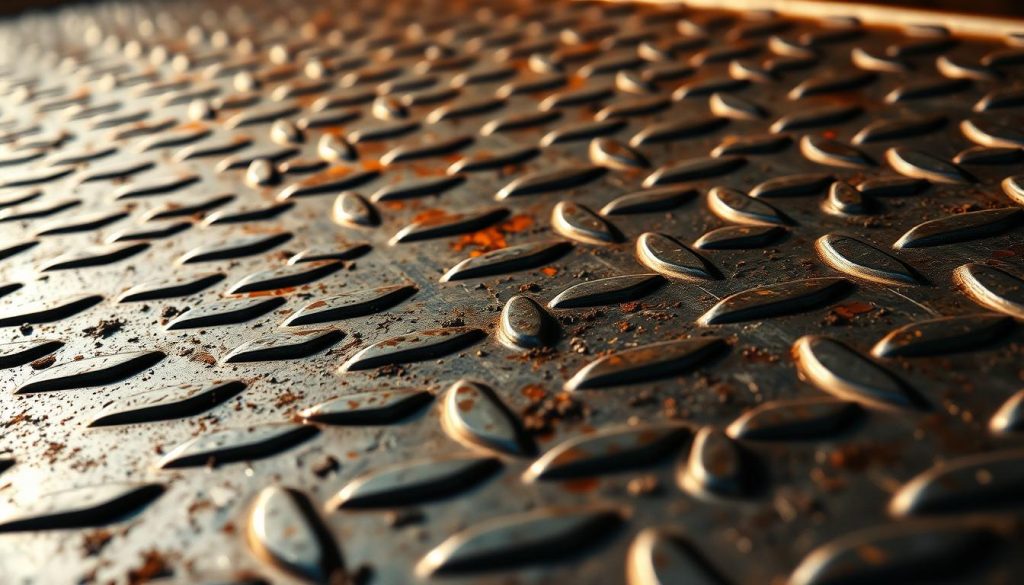
Different types of diamond plate naturally resist rust in varying degrees. Aluminum diamond plate resists rust without extra treatments, making it great for wet places. This natural protection happens because aluminum forms a protective layer when it touches air.
Steel diamond tread, while stronger, needs protective treatments to prevent rust. Manufacturers use a few good ways to make it resist corrosion:
- Galvanization: A zinc coating that protects the steel by rusting before the steel does.
- Powder coating: Creates a strong, protective layer against moisture and chemicals.
- Hot-dip galvanizing: Dipping steel in melted zinc for top-notch protection in extreme environments.
- Stainless steel: Offers excellent rust resistance for critical uses.
Checker plate keeps its strength and grip even in very hot or very cold temperatures. This makes it good for both inside and outside use in different climates. In freezing weather, the raised diamond pattern still provides traction even if there’s light frost or ice.
Sunlight, which can damage many materials over time, barely affects metal diamond plate. This resistance to sun damage means it keeps its look and function outdoors for years. Also, diamond plate handles repeated heating and cooling without warping or losing strength.
Chemical Resistance Properties
Industrial places often expose floors to harsh chemicals that can quickly break down normal materials. Diamond plate’s ability to resist chemicals varies by the type of metal, with each offering different benefits.
| Material Type | Acid Resistance | Alkali Resistance | Salt/Brine Resistance | Solvent Resistance |
|---|---|---|---|---|
| Aluminum Diamond Plate | Moderate | Poor | Excellent | Excellent |
| Steel Diamond Plate | Poor | Moderate | Poor | Good |
| Stainless Steel Checker Plate | Excellent | Good | Excellent | Excellent |
| Galvanized Diamond Tread | Moderate | Moderate | Good | Good |
For places with specific chemical exposures, choosing the right diamond plate material is important. Petroleum products, common in factories, usually don’t affect most diamond plate materials much. However, strong acids can damage even stainless steel over time, so you might need to check it regularly in those areas.
“The toughness of diamond plate against the environment is often underestimated. In our factory, we put aluminum diamond plate floors in areas with constant moisture and some chemical contact eight years ago. It looks and performs almost like new.”
– James Harrington, Industrial Safety Engineer
This combination of resisting rust, handling weather, and being tough against chemicals makes diamond plate an excellent long-term investment for safety flooring in challenging environments. It keeps its non-slip qualities while resisting wear from the environment, ensuring consistent performance for its entire long life.
Selecting the Right Diamond Plate for Your Needs
Choosing the right diamond plate is a big deal when you’re looking for non-slip flooring. The best choice depends on where you’ll use it, how much traffic it’ll get, and how you’ll install it. Making smart decisions now will save you hassle and money later, and keep everyone safer.
Material Options: Aluminum, Steel, and Stainless Steel
Aluminum diamond plate is light but strong. It’s about a third of the weight of steel, so it’s perfect for places where weight matters, like vehicle floors or ramps you move around. It also naturally resists rust, making it great for wet or outdoor spots.
For busy factory floors, carbon steel diamond plate is super strong and affordable. It can handle heavy loads and lots of wear, but it needs a proper finish to prevent rust if it gets wet.
Stainless steel checker plate is the top choice for really tough conditions. It’s excellent at resisting rust, so it’s ideal for food factories, chemical plants, and places near the coast. It costs more at first, but it lasts a very long time and needs little care, which often makes it worth the money.
Thickness and Pattern Considerations
How thick your diamond plate should be depends on how much weight it’ll handle. Light foot traffic might only need a thin (1/8 inch) sheet, but heavy machinery paths could need thick (1/4 inch) or even thicker plates. Thicker plates are tougher but also heavier and cost more.
The height of the pattern also affects grip. Deeper patterns give better traction in wet or oily conditions but can be harder to clean. Flatter patterns still offer good grip for dry areas and are easier to clean, making it smoother for wheeled equipment.
The All-Around Power of Diamond Plate
Diamond plate is more than just a tough-looking metal. From its clever design that gives amazing grip, even in slippery spots, to its incredible strength and long-lasting nature, diamond plate is a go-to for safety. It keeps us steady in factories, on truck beds, in public spaces, and even at home. Plus, it can handle tough weather and chemicals, making it a super smart choice for staying safe and saving money in the long run.