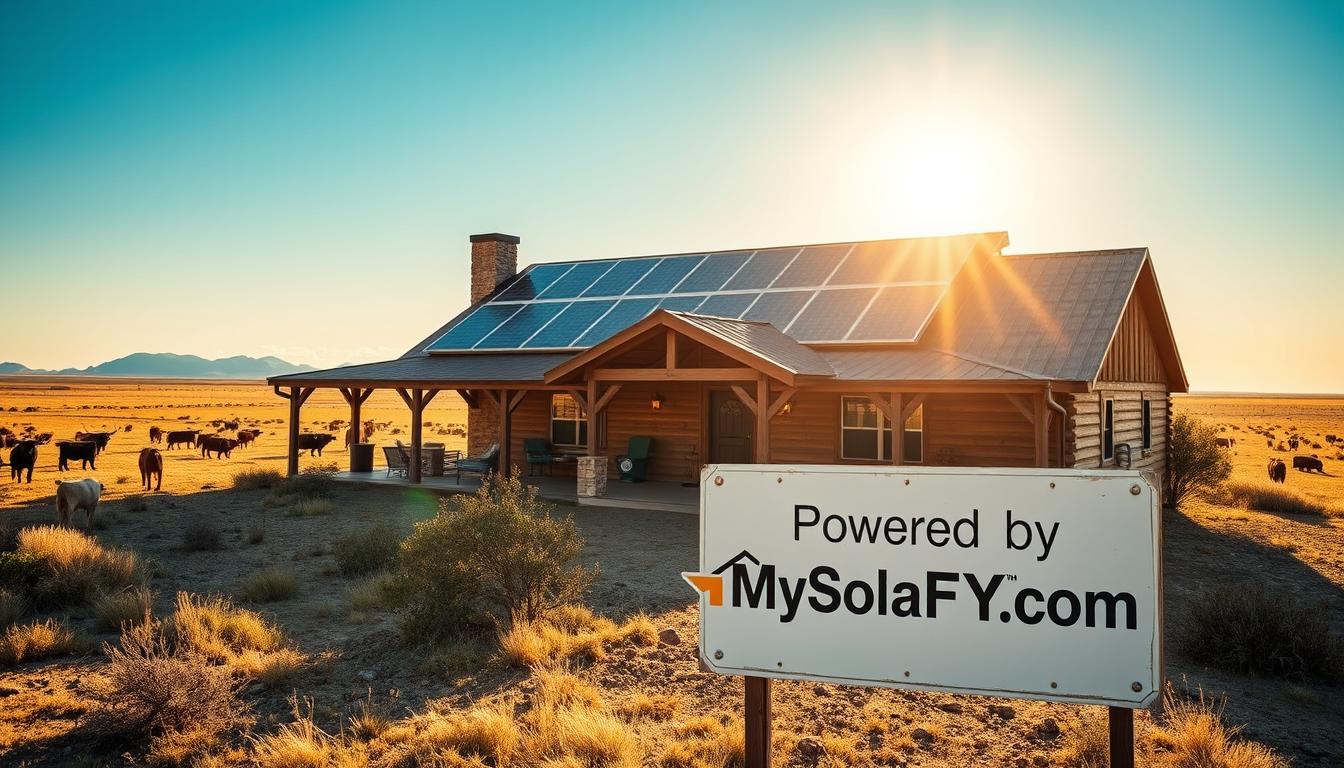
Texas is the U.S.’s second-largest solar energy producer, accounting for more than 14% of the country’s solar power supply. Thanks to its 200 to 300 sunny days yearly, the Lone Star State is an ideal place for harnessing solar power.
Because of the state’s climate, sunshine, and attractive incentives, more and more Texans are seeing solar as a great choice for their homes. This switch to residential solar panels is changing how people power their lives across Texas.
Solar installation in Texas is now more accessible and affordable. A typical 6-kW system costs about $16,320 before the 30% federal tax credit. After the credit, the cost drops to $11,424.
Texas offers a property tax exemption for solar panel systems too. This results in a 100% exemption for any home value increase after installation. Given these incentives, solar power becomes an attractive option for homeowners.
Top solar companies like Lone Star Solar Services have installed thousands of systems statewide. Their average installation time is just one week thanks to their knowledgeable sales teams and efficient installation crews.
Lone Star Solar Services gives you transparent pricing and high customer satisfaction. By choosing trusted solar professionals, you as a homeowner can confidently embrace renewable energy for your home.
Key Takeaways:
- Texas ranks second in the nation for solar energy production, with abundant sunshine and favorable climate conditions.
- Solar energy systems for homes in Texas are becoming increasingly popular, thanks to attractive incentives and the potential for significant cost savings.
- Residential solar panels in Texas can help homeowners reduce their reliance on the grid and lower their energy bills.
- The cost of solar installation in Texas is below the national average, with additional incentives like the federal tax credit and property tax exemption making it even more affordable.
- Reputable solar panel companies in Texas, such as Lone Star Solar Services, offer efficient installations, transparent pricing, and excellent customer support.
Understanding Solar Power Basics for Texas Homeowners
Texas has seen a surge in solar panel installations since 2008. Now, hundreds of thousands of panels dot the state’s landscape.
Solar energy harnesses the sun’s power, converting it into electricity for homes. This clean energy source is becoming more and more popular in Texas today. The state’s abundant sunshine and supportive policies make it ideal for this solar adoption.
How Solar Energy Works in the Lone Star State
Solar panels use photovoltaic cells to turn sunlight into electricity. These cells create an electric field, generating direct current (DC) electricity. An inverter then changes DC to alternating current (AC) for home use.
The National Renewable Energy Laboratory suggests an average system size of 7.15 kilowatts in Texas. This range, from 3 to 11 kilowatts, can meet the energy needs of an average Austin home.
And because Texas enjoys an average of 234 sunny days per year, it’s perfect for solar panel efficiency.
Components of a Residential Solar Power System
A typical residential solar system components include:
- Solar panels: Capture sunlight and convert it into DC electricity
- Inverter: Converts DC electricity into AC electricity for household use
- Solar charge controller: Regulates the flow of electricity from panels to batteries
- Battery storage (optional): Stores excess energy for use during low-sunlight periods
- Racking and mounting systems: Secure panels to the roof or ground
- Monitoring systems: Track energy production and system performance
Solar technology keeps advancing. Innovations like bifacial panels and thin-film cells are boosting its efficiency. With these advancements, the costs of going solar become more and more affordable for homeowners too.
The Importance of Solar Energy in Texas's Growing Energy Landscape
Solar power supports Texas’s move towards environmental sustainability. It produces no greenhouse gases or pollutants, reducing the state’s carbon footprint.
Solar energy also offers a solution to increasing grid demand. It reduces strain on the grid and lowers energy costs. Plus, it greatly lowers the environmental impact for homeowners.
Texas solar laws protect homeowners’ rights to install panels. House Bill 362 and Texas Property Code 202.010 safeguard these rights. Homeowners associations can impose some restrictions, but these can be appealed under Senate Bill 1626.
The federal government offers huge tax credits for solar installations, and this reduces initial costs for homeowners. The Solar Investment Tax Credit (ITC) provided a 26% credit for systems installed from 2020 to 2022.
Systems installed in 2023 receive a 22% credit. After 2023, the credit may decrease unless Congress renews it.
Texas Climate and Solar Energy Potential
Texas has hot summers and mild winters, so it’s ideal for solar energy. Besides, most of Texas gets 200 to 300 sunny days yearly, boosting solar power output. The state’s vast area offers diverse solar opportunities too.

The Advantages of Texas's Sunny Climate for Solar Power Generation
Texas’s intense solar radiation ensures effective energy production. This boosts solar system efficiency and leads to quicker returns on investment. In 2022, Texas ranked third in U.S. residential solar power, producing 2,575 GWh.
Over the last decade, Texas’s solar power grew by nearly 3,700%. This highlights the state’s huge solar energy potential. Solar power can also ease grid strain during high electricity demand.
Rooftop solar reduces the need for costly new infrastructure. This contributes to a more stable energy system in Texas.
Annual Sunshine Statistics and Their Impact on Solar Panel Efficiency
The NREL recognizes Texas for its vast solar radiance and land availability. For instance, El Paso, Amarillo, and Lubbock have high annual sunshine hours. So, they are perfect for solar installations.
But despite good conditions, Texas only produced 1.87% of its rooftop solar potential in 2022. Costly permits and lack of net metering have slowed solar adoption. However, 64% of Texas voters support expanding solar power plants.
No doubt, Texas can become a leading clean energy producer with its abundant sunshine and vast land resources. It’s possible by improving efficiency and streamlining adoption. This provides a sustainable energy solution for homes and businesses statewide.
Planning Your Texas Home Solar Power System
As a Texan, you can lower your electricity bills and reduce fossil fuel dependence when you go solar. But, your property’s solar potential depends on roof size, orientation, and shading.
A south-facing roof with minimal shading and steep pitch is best for solar efficiency. To know your home’s solar potential, you must consult with professional installers. They’ll recommend the best panel placement and take into account your energy consumption.
Assessing Your Home's Solar Energy Potential
Solar experts help design systems that meet current and future energy needs. They factor in average consumption and potential usage increases. This ensures your system is tailored to your specific requirements.
Determining the Optimal Size and Capacity for Your Solar Panel System
Calculating your household’s energy use is necessary for system sizing. Think about any expected growth in usage over time. A well-designed system should meet your energy needs and financial goals.
“Sizing your solar panel system correctly is essential to ensure that you generate enough electricity to power your home efficiently and cost-effectively.”
Choosing the Right Type of Solar Panels for Your Texas Home
Three main types of residential solar panels exist: monocrystalline, polycrystalline, and thin film. Each type has unique advantages and disadvantages. So, you must choose the one that best fits your needs and budget.
- Monocrystalline panels offer high efficiency and sleek looks. They’re ideal for limited roof space but cost more.
- Polycrystalline panels are more affordable with slightly lower efficiency. They suit larger roofs and tighter budgets.
- Thin film panels are flexible and lightweight. They have the lowest efficiency but work well on unique roof structures.
Careful planning ensures your solar investment is effective and rewarding. In doing this, solar panels can increase home value and contribute to a greener Texas. So, choose wisely to maximize benefits for your home and the environment.
Texas Solar Incentives and Cost Savings
Texas homeowners can benefit from different solar incentives and cost-saving opportunities.

Local Texas Solar Rebates and Incentive Programs
Many Texas utility companies provide solar rebates to residents. American Electric Power offers $1,500 to $3,000 depending on system size. Austin Energy gives $2,500 for new installations.
Oncor has rebates for solar PV systems with battery storage. At the same time, SMTX Utilities offers up to $2,500, or $1 per watt for installations.
CPS Energy provides up to $2,000 for solar water heaters. Denton Municipal Electric offers rebates up to $30,000 or 50% of installation cost.
Texas Property Tax Exemption for Solar Panel Installations
Solar panels don’t increase property taxes in Texas. This exemption saves about $403 yearly for a $24,000 solar installation.
The exemption encourages homeowners to invest in solar energy without worrying about higher tax burdens.
Net Metering Opportunities in Texas
Net metering helps homeowners offset energy costs and earn credits for excess solar energy.
Although Texas lacks a statewide net metering program, local utilities let homeowners sell excess energy back to the grid.
About 85% of Texans live in deregulated energy areas. They can choose different electrical providers and benefit from net metering arrangements like this.
Federal Solar Tax Credit for Texas Homeowners
The federal solar tax credit offers big savings for Texas homeowners. This nonrefundable credit is worth 30% of the total installation cost.
A 6-kW solar panel system in Texas costs about $16,320 before the credit. After applying the 30% credit, the cost drops to around $11,424.
This system with a 25-year lifespan can save over $30,000 after the federal tax credit. The table below shows costs for different solar system sizes in Texas:
| Solar System Size | Initial Cost | Cost After Federal Tax Credit |
|---|---|---|
| 3 kW | $8,160 | $5,712 |
| 5 kW | $13,600 | $9,520 |
| 10 kW | $27,200 | $19,040 |
With these incentives, Texas homeowners can lower upfront costs and enjoy long-term savings on energy bills. This makes solar energy a smart choice for many Lone Star State residents.
Solar in Texas: The Bright Choice
Solar in Texas: The Bright ChoiceWith 204 sunny days yearly, Texas is perfect for solar power. And going solar in Texas has a lot of advantages for homeowners. For instance, the federal ITC covers 30% of installation costs. Solar installations are exempt from property tax increases too.
Residential solar panel systems in Texas cities cost between $8,000 and $30,000. But, the long-term benefits are huge. When you install a solar system in your Texas home, you can expect a payback period of 7 to 10 years.
Texas home solar installations boost property values. Also, homeowners can reduce or eliminate their electricity bills. It’s because many utilities offer net metering, allowing homeowners to sell excess energy.
Solar panels are now more efficient than ever, even in low-light conditions. For Texans, going solar contributes to energy independence and environmental sustainability. It reduces reliance on the grid and traditional power plants.
So when you invest in solar power, you can save money and at the same time, reduce your carbon footprints. Solar energy means a cleaner future for the Lone Star State.
FAQ
How much does it cost to install solar panels on a home in Texas?
What are the benefits of installing solar panels on my Texas home?
What solar incentives are available for Texas homeowners?
Is Texas a good state for solar energy production?
How do I determine the right size solar panel system for my Texas home?
What are the differences between monocrystalline and polycrystalline solar panels?
Can I sell excess solar energy back to the grid in Texas?
How long do solar panels typically last in Texas?
Source Links
- Solar Power Planning for Texas Homes – Your Green Energy Guide – https://www.texasenergyexperts.com/solar-panels/planning-home-solar-energy-system
- Texas Solar Incentives, Tax Credits and Rebates – https://www.marketwatch.com/guides/solar/texas-solar-incentives/
- Go Solar In Texas With Lonestar Solar | Powering The State of Texas – https://www.lonestarsolarservices.com/
- Homeowner’s Guide to Going Solar – https://www.energy.gov/eere/solar/homeowners-guide-going-solar
- Solar Power for Texas Homes | Renewable Energy Experts – https://www.texasenergyexperts.com/solar-panels/residential-solar-energy
- Solar Rights & Regulations | www.gosolartexas.org – https://www.gosolartexas.org/solar-rights-regulations
- The Case for Solar in Texas – https://www.gosolartexas.org/case-solar-texas
- Texas ranks 3rd in the U.S. for residential solar power generation, new report says | Houston Public Media – https://www.houstonpublicmedia.org/articles/news/energy-environment/2024/02/13/477309/texas-ranks-3rd-in-the-u-s-for-residential-solar-power-generation-new-report-says/
- New ‘Value of Solar’ Study: Rooftop Solar Cuts Costs for the Texas Grid – https://txses.org/new-value-of-solar-study-rooftop-solar-cuts-costs-for-the-texas-grid/
- Best Solar Panels for Your Texas Home: A Comprehensive Guide – https://comparepower.com/solar-panels-for-your-home/
- Texas Solar Incentives, Tax Credits And Rebates Of 2024 – https://www.forbes.com/home-improvement/solar/texas-solar-incentives/
- Texas Solar Panel Incentives: Tax Credits, Rebates and Net Metering Programs – https://www.cnet.com/home/energy-and-utilities/texas-solar-panel-incentives-tax-credits-rebates-and-buyback-programs/
- Are Solar Panels Worth It in Texas? 2024 edition – https://www.west-texas-solar.com/post/are-solar-panels-worth-it-in-texas
- Are Solar Panels Worth It In Texas? – Solar Switch Blog – https://solarswitch.com/blog/are-solar-panels-worth-it-in-texas/