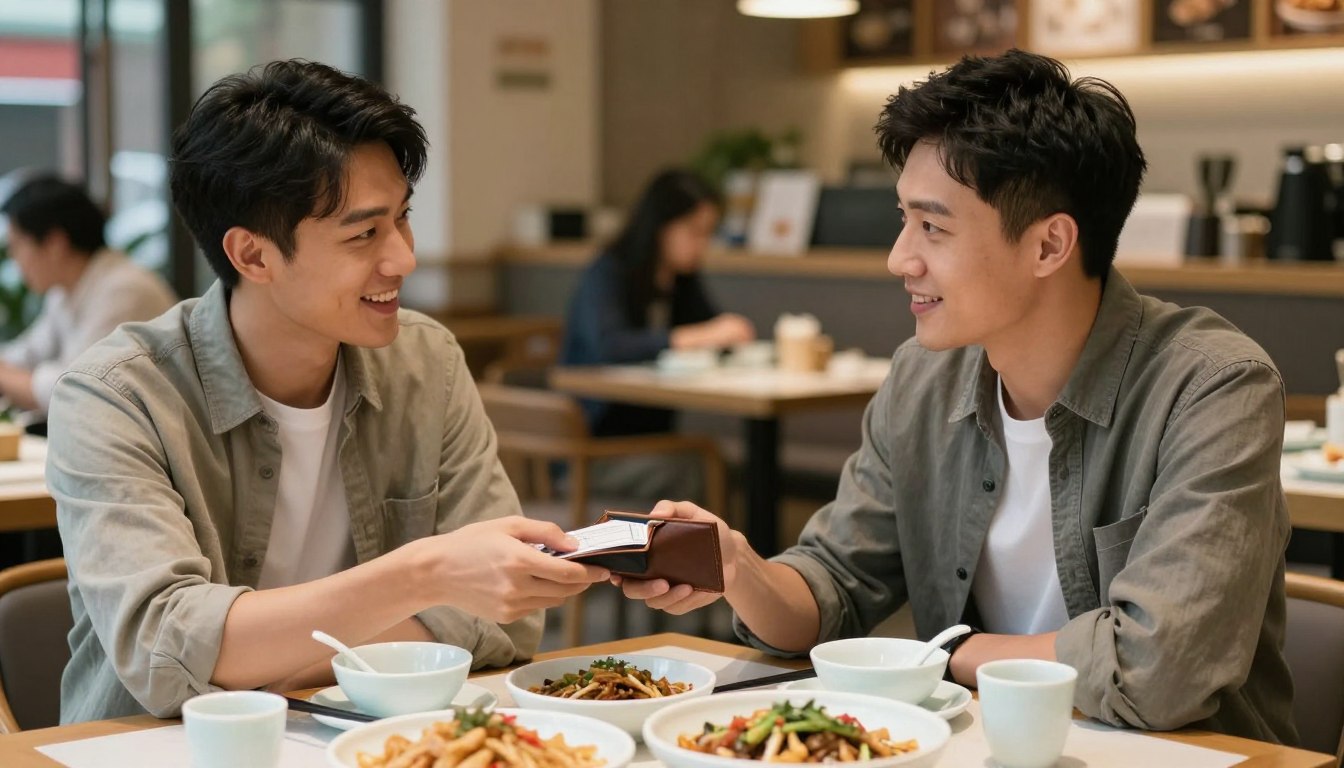
The tradition of Chinese men paying on dates is deeply rooted in the country’s cultural heritage. It’s a reflection of the traditional Chinese gender roles where men are often expected to take on a more significant financial responsibility.
In China, the concept of men paying on dates is not just about the act itself, but about the cultural context and expectations surrounding it. Understanding these nuances is crucial to grasping the complexities of Chinese men paying habits.
Yes, But It's More Complicated Than You Think.
In the context of Chinese dating, the expectation for men to pay on the first date is a nuanced issue. While the general rule leans towards men paying, there’s more to it than just the act of paying.

The Non-Negotiable Rule for First Dates.
In China, it’s generally expected that men will cover the expenses on the first date. This isn’t just about the money, it’s a sign of generosity and sincerity in dating. When a man pays, it signals that he’s interested and willing to invest in getting to know the woman.
Here are a few reasons why paying is significant:
- It shows respect for the woman’s time and company.
- It indicates that the man is financially stable.
- It sets a positive tone for the date.
What Does Paying or Not Paying Actually Signal to Her?
When a man offers to pay on the first date, it’s not just about the bill, it’s a gesture that communicates his intentions. If he hesitates or declines to pay, it might give the impression that he’s not serious about the date or her.
As noted by dating experts, “The act of paying is a form of communication, conveying respect and interest.” This highlights the importance of understanding the cultural context of dating in China.
“Paying for the first date is a sign of respect and a demonstration of one’s sincerity.” – Dating Culture Expert
Ultimately, whether or not to pay is not just a financial decision but a social one, influencing how the other person perceives you and your intentions.
Male Provider Role In China: Why Does This Tradition Run So Deep?
The tradition of Chinese men taking on the provider role is deeply rooted in the country’s cultural and economic landscape. This role is not just about being the primary breadwinner, it’s about providing financial stability and security for their partners and future families.
In China, the concept of financial stability is closely tied to the idea of being a reliable partner. This expectation is rooted in the country’s history and cultural values, where men are often seen as the primary providers. The pressure to fulfill this role can be significant, especially on dates, where paying habits are scrutinized as a reflection of a man’s ability to provide.
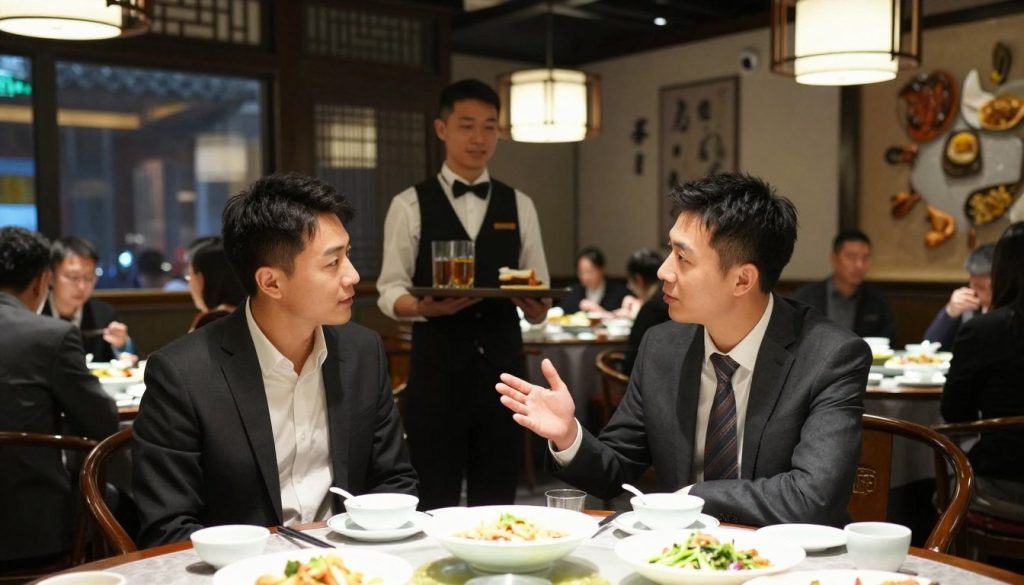
Chinese Men Paying Habits Are Rooted in Financial Stability.
Chinese men’s paying habits on dates are influenced by the need to demonstrate financial stability. This is not just about showing off wealth but about proving that they can take care of their partner’s financial needs. In a country where social safety nets are limited, this role becomes even more critical.
It's Not Greed, It's About Security in a Country Without a Safety Net.
The emphasis on financial stability is not driven by greed but by the pragmatic need for security. China lacks a comprehensive social safety net, making it essential for individuals to rely on their partners for financial support. This reality underpins the male provider role and influences paying habits on dates.
In the absence of robust social welfare systems, the burden of financial responsibility falls heavily on individuals. Men, in particular, are expected to shoulder this responsibility, making their role as providers crucial.
The Pragmatic Reality of Chinese Marriage Expectations
Marriage expectations in China are closely tied to the male provider role. The ability to provide financial stability is often seen as a prerequisite for marriage. This expectation is not just about personal preference but is deeply ingrained in societal norms.
By understanding the cultural and economic factors that drive the male provider role in China, we can better appreciate the complexities surrounding Chinese men’s paying habits on dates.
Traditional Chinese Gender Roles: The Historical Context.
To comprehend the intricacies of Chinese dating, it’s essential to explore the traditional gender roles that have been passed down through generations. These roles have been shaped by a complex interplay of cultural, social, and economic factors.
The concept of traditional Chinese gender roles is deeply rooted in Confucianism, which emphasizes the importance of social hierarchy and familial obligations. In this context, men were expected to be the primary breadwinners, while women were expected to manage the household and care for children.
Men as Providers.
The role of men as providers has been cemented over generations, with men expected to demonstrate their ability to support a family financially. This expectation is not only a reflection of their love and commitment but also a demonstration of their responsibility and capability.
The significance of this role cannot be overstated. It is a crucial aspect of Chinese culture, influencing not only marital relationships but also dating practices. Men are expected to prove their worth by showcasing their financial stability, which is often seen as a key determinant of their suitability as a partner.
The Marriage Market and Economic Pressure.
The marriage market in China is highly competitive, with economic pressure playing a significant role in shaping dating expectations. The cost of living, housing, and education has increased substantially, making financial stability a top priority for many Chinese families.
This economic pressure has led to a situation where men are expected to demonstrate their financial capabilities on dates, often by paying for meals, entertainment, and other expenses. This practice is not only a reflection of their generosity but also a demonstration of their ability to provide for their partner.
| Factor | Influence on Dating | Economic Impact |
|---|---|---|
| Financial Stability | High | Significant |
| Marriage Expectations | Very High | Substantial |
| Cultural Traditions | Moderate | Variable |
Why Are First Date Expectations So High?
The high expectations on first dates in China can be attributed to the cultural significance of demonstrating financial stability and the competitive nature of the marriage market. Men are expected to make a good impression by showcasing their ability to provide and care for their partner.
This pressure can be overwhelming, but it’s essential to understand that it’s rooted in a complex mix of cultural, social, and economic factors. By recognizing these influences, individuals can better navigate the complexities of Chinese dating culture.
The "Fake AA" Ritual: Don't Fall for This Common Trap.
When it comes to splitting the bill in China, there’s a hidden dynamic at play that every man should be aware of. The term “AA zhi” or going Dutch is commonly used, but the reality is far more complex, especially on dates.
Why Does She Offer to Pay But Absolutely Doesn't Mean It?
In Chinese dating culture, when a woman offers to split the bill or pay, it’s often a test rather than a genuine offer. This behavior is rooted in traditional expectations where men are seen as providers. Understanding this dynamic is crucial to avoid misinterpreting her intentions.
She might say, “Let’s go AA zhi,” but this is usually a polite gesture rather than an actual suggestion to split the bill equally. It’s a way of testing the man’s sincerity and willingness to take on the provider role.
The Social Test You're Being Given.
When a woman offers to pay, she’s not just talking about the bill, she’s assessing your reaction. Your response can significantly impact how she perceives you as a potential partner.
| Your Response | Her Likely Perception |
|---|---|
| You insist on paying | You are chivalrous and willing to take on the provider role. |
| You accept her offer to split | You might be seen as not confident or unwilling to take the lead. |
| You refuse to pay | You could be viewed as cheap or unappreciative. |
What Really Happens If You Accept Her Offer?
Accepting her offer to pay or split the bill can have unintended consequences. It may signal that you’re not interested in taking on the traditional provider role, which could affect your chances with her.
It’s essential to understand that in Chinese culture, financial responsibility is often associated with masculinity and the ability to provide. By accepting her offer without a clear understanding of her intentions, you might inadvertently create a negative impression.
In conclusion, navigating the “Fake AA” ritual requires a nuanced understanding of Chinese dating culture. By being aware of the subtleties involved, you can make informed decisions that enhance your dating experience.
Mianzi (Face) and Why Is Refusing to Pay Kills Your Chances?
In Chinese culture, the concept of ‘mianzi’ or ‘face’ plays a significant role in determining social dynamics, including dating etiquette. ‘Mianzi’ refers to the prestige, dignity, and reputation a person has in social contexts. When it comes to dating, maintaining ‘mianzi’ is crucial for making a good impression and building a connection.
How Does Paying Protect Your Reputation and Show Your Sincerity in Dating?
Paying on dates is closely tied to the concept of ‘mianzi.’ When a man pays, it not only shows that he is capable and willing to take care of his date but also protects his ‘mianzi’ by demonstrating generosity and sincerity. This act is perceived as a sign of respect and care for the other person, enhancing the chances of a successful date.
By paying, a person shows that they value the other person’s company and are willing to invest in the experience. This investment is not just financial, it’s also about showing commitment and interest. In the context of ‘mianzi,’ paying helps to avoid embarrassment or loss of face, which could happen if the date is seen as cheap or unwilling to spend.
The Social Cost of Being Cheap.
Refusing to pay or being overly frugal on a date can have significant social costs. In Chinese culture, being seen as cheap can damage one’s reputation and ‘mianzi.’ It can lead to negative perceptions about one’s character, such as being stingy or lacking generosity.
| Action | Perception | Impact on ‘Mianzi’ |
|---|---|---|
| Paying on dates | Generous, willing to invest | Positive, enhances ‘mianzi’ |
| Refusing to pay | Cheap, stingy | Negative, damages ‘mianzi’ |
| Splitting the bill (AA) | Modern, egalitarian | Neutral, context-dependent |
Understanding the dynamics of ‘mianzi’ and the implications of paying on dates can significantly improve one’s dating experience in China. By being mindful of these cultural nuances, individuals can navigate dating scenarios more effectively, avoiding unintended offense and fostering a positive connection.
When Is Splitting the Bill in China Actually Okay?
In China, the rules around who pays on dates are nuanced, with certain contexts making splitting the bill more acceptable. The traditional expectation that men should pay on dates is still prevalent, but modern dating practices are evolving.
AA Zhi (Going Dutch) with Friends vs. Romantic Dates.
When it comes to social gatherings with friends, AA zhi (Going Dutch) is a common practice. Friends often split the bill equally, as it’s seen as a fair way to share costs among peers. However, the dynamics change on romantic dates.
On a romantic date, the expectation that the man should pay is still strong. This is partly due to traditional gender roles and the concept of mianzi (face), where paying for the date is seen as a sign of respect and generosity.
| Context | Who Pays | Reason |
|---|---|---|
| Social Gathering with Friends | Split (AA zhi) | Fairness among peers |
| Romantic Date | Usually the Man | Tradition and showing respect |
Established Couples and Long-Term Relationships.
In established couples or long-term relationships, the approach to splitting bills can vary. Some couples prefer to split expenses equally, reflecting a more modern and egalitarian approach to finances.
Others might still follow traditional roles, where the man takes on more financial responsibilities. The key is understanding the dynamics of the relationship and what works best for the couple.
Reading the Relationship Stage Correctly.
Understanding the stage of the relationship is crucial in determining whether to split the bill or not. In the early stages of dating, it’s generally safer to follow traditional norms unless the other person suggests otherwise.
As the relationship progresses, couples can discuss and decide together how to handle expenses. Open communication is key to avoiding misunderstandings and finding a mutually comfortable arrangement.
Gen Z Dating Trends: How Does Modern China Is Change The Rules?
As Gen Z takes center stage in China’s dating scene, traditional roles are being redefined. The younger generation is bringing about a significant shift in how dating is perceived and practiced, moving away from the conventional norms that have long been a staple of Chinese culture.
Independent Chinese Women and Shifting Expectations.
One of the most notable changes is the rise of independent Chinese women who are redefining what it means to be in a relationship. These women are not only financially independent but also expect equality in their relationships. As one young woman noted, “
‘I don’t need someone to take care of me, I can do that myself. What I need is someone who respects me and my choices.’
This mindset is a far cry from the traditional expectation that men should be the primary providers.
The expectations from dating have also shifted. There’s a growing emphasis on emotional connection and mutual respect rather than just financial stability. This change is driven by the increasing financial independence of women and their ability to support themselves.
Urban Millennials vs. Traditional Mindsets
The contrast between urban millennials and those with traditional mindsets is stark. Urban areas like Shanghai and Beijing are hubs for modern dating trends, where going Dutch or splitting bills is becoming more common. In contrast, more traditional cities still hold on to the notion that men should pay on dates. As a dating expert observed,
‘The difference in dating practices between urban and rural areas is significant. Urban couples are more open to new ideas and practices.’
The Generational Divide: What's Different Now?
The generational divide is not just about age, it’s about values and expectations. Gen Z values freedom, equality, and emotional connection in their relationships. They are more open to non-traditional forms of relationships and are less bound by the societal norms that governed their parents’ generation. As noted by a Gen Z individual,
‘For me, it’s not about who pays; it’s about being with someone who understands and supports me.’
This shift is not without its challenges. The transition from traditional to modern values can lead to misunderstandings and conflicts, especially in relationships where partners come from different backgrounds or have different expectations.
Practical Guide: What Does This Mean If You're Dating Someone Chinese?
When dating a Chinese individual, understanding the cultural context is key to a successful relationship. The cultural nuances involved in dating someone Chinese can be complex, but being aware of certain customs and expectations can make a significant difference.
First Date Survival Guide: What Do You Need to Know?
On a first date with someone Chinese, it’s essential to be aware of the cultural norms surrounding payment. Traditionally, the man is expected to pay, as this is seen as a sign of respect and generosity. However, this doesn’t mean you should overspend or go into debt.
- Be prepared to pay for the date, but don’t feel obligated to break the bank.
- Understand that the act of paying is a sign of respect, not just a financial transaction.
- If she offers to pay, it’s often a social test rather than a genuine offer.
How to Show Generosity Without Going Broke?
Showing generosity on a date doesn’t have to mean overspending. There are several ways to demonstrate your kindness and respect without breaking the bank.
- Offer to pay for small gestures, like buying a coffee or dessert.
- Be thoughtful in your actions, such as opening doors or offering your seat.
- Show appreciation for her company, and express gratitude for the date.
What Does She Really Means When She Reaches for Her Wallet?
When a Chinese woman reaches for her wallet on a date, it’s not always a genuine attempt to pay. Often, it’s a social gesture or a test of your character.
Key signals to look out for:
- If she reaches for her wallet, it’s likely a sign that she expects you to pay or is testing your willingness to do so.
- If you accept her offer to pay, it might be seen as a sign of cheapness or lack of sincerity.
- A polite decline of her offer, accompanied by a smile, can go a long way in showing your respect and generosity.
Conclusion
Dating in China is deeply rooted in tradition and cultural expectations. The male provider role is a significant aspect of Chinese dating culture, where men are expected to take on financial responsibilities, particularly on dates.
This tradition is not just about being chivalrous, it’s deeply tied to the concept of financial stability and security in a country where social safety nets are limited. Understanding this cultural nuance is crucial for anyone looking to navigate the complex world of Chinese dating.
By recognizing the importance of the male provider role in China, individuals can better appreciate the intricacies of Chinese dating culture and build more meaningful relationships. Whether you’re dating someone Chinese or simply interested in understanding different cultural practices, being aware of these customs can make a significant difference.