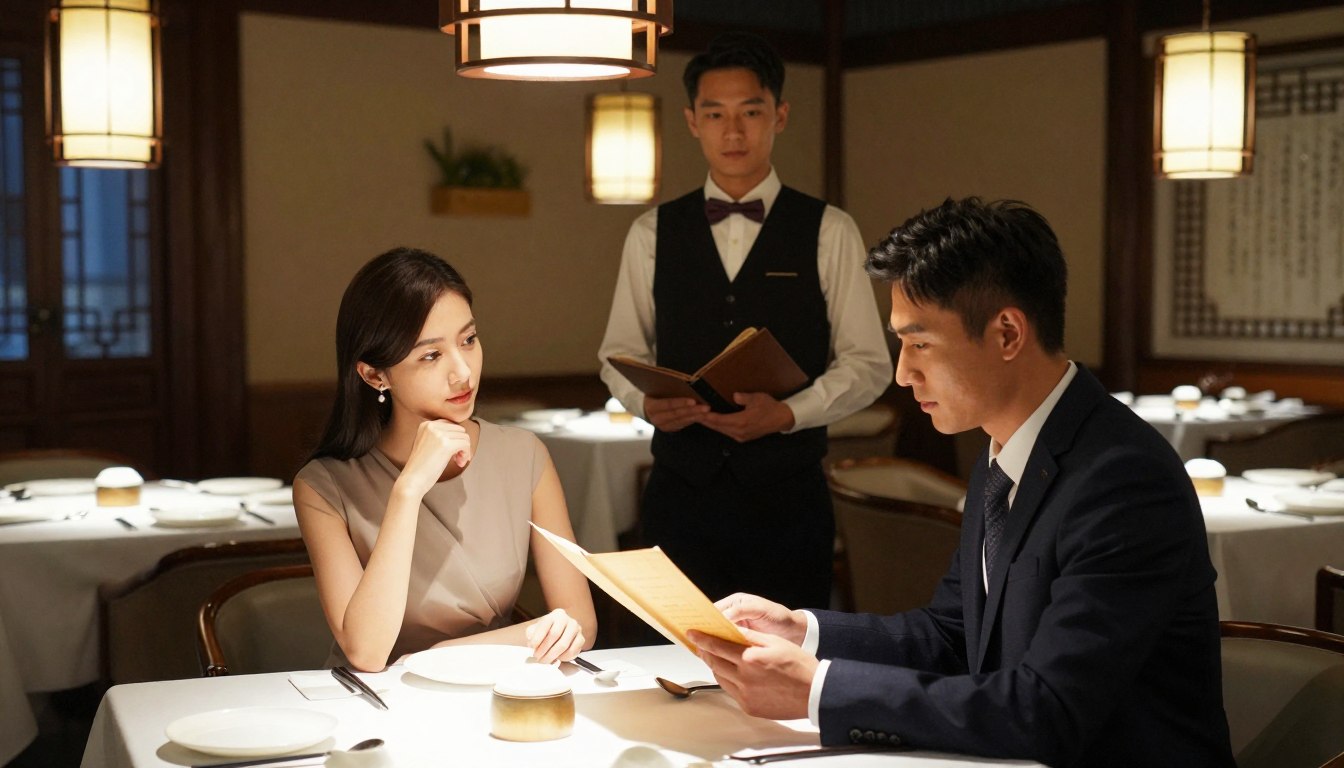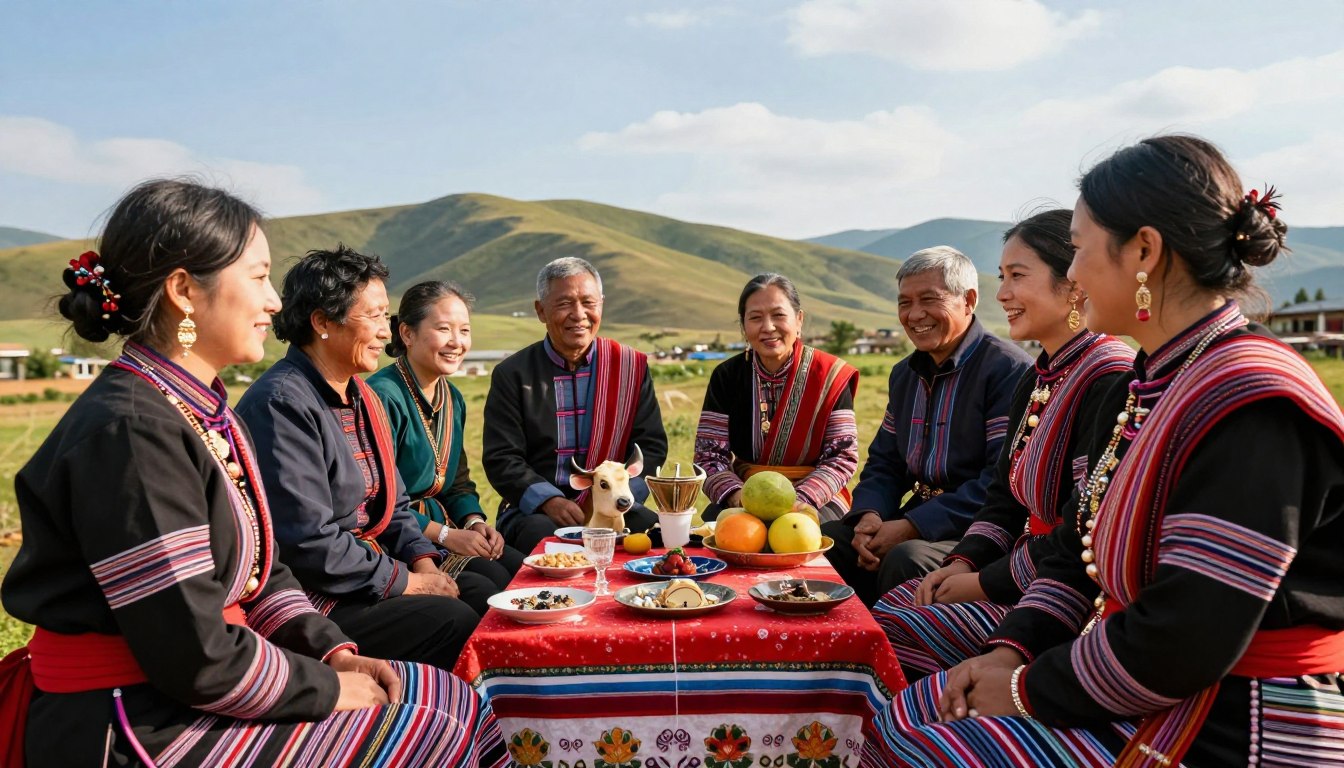
Welcome to an exploration of a fascinating Chinese tradition that has shaped marriage customs for generations. This practice, known as Caili, is a cornerstone of many unions.
Here’s how it works. Before a wedding, the groom and his family present money and other valuable gifts to the bride and her family. This betrothal gift is a fundamental part of the process.
Understanding this custom matters in our connected world. It offers insight for anyone interested in Chinese culture or cross-cultural relationships.
This isn’t just a relic of the past. It’s a living tradition that affects real couples and families today, especially in rural areas where it holds strong cultural meaning.
In this article, we’ll journey through its historical roots, cultural significance, and modern challenges. We’ll look at how this practice shapes social dynamics for millions.
Key Takeaways
- The bride price, or Caili, is a pre-marriage gift from the groom’s family to the bride’s family.
- It often involves money, property, or other valuable assets.
- This tradition is deeply rooted in Chinese history and social customs.
- It remains a common practice in many parts of China and among diaspora communities.
- The custom is closely tied to patrilocal marriage, where the bride joins the groom’s household.
- Understanding Caili is key to understanding broader family and marriage dynamics in Chinese culture.
- Modern economic and social pressures are influencing how this tradition is practiced today.
Caili Explained: Tradition, History, and Significance
Why does the groom’s family present money and assets to the bride’s family before a wedding? Understanding this practice reveals its deep cultural roots.
Understanding the Role of the Bride Price in Marriage
The bride price process is straightforward. The groom’s side presents betrothal gifts, like cash or valuables, to the bride’s parents. This formalizes the marriage agreement.
This custom connects to patrilocal marriage. The bride typically moves into her husband’s home. Her original household loses her support and labor.
It differs from a dowry. A dowry comes from the bride’s parents to her. It is often less valued and not always required.
https://www.youtube.com/watch?v=O6JFFGV-3cs
Cultural and Social Implications in Traditional Settings
The exchange is not a simple sale. It symbolizes compensation for the woman’s family losing a potential income source. It’s also a profound thank you.
Caili, as such, is a token of appreciation to the woman’s parents for gifting their daughter in marriage.
Parents feel great pride in securing a good match. This duty can drive requests for higher betrothal gifts. Traditionally, the amount was flexible, based on the groom’s status.
Ultimately, this tradition creates bonds. It ties two families together, making marriage a union of networks, not just couples.
Historical Perspective and Evolution of Betrothal Gifts
The story of betrothal gifts stretches back over three thousand years, to the courts of ancient Chinese dynasties. This long history shows a tradition that has constantly adapted.
From Ancient Rituals to Imperial Practices
In the Western Zhou Dynasty, these gifts were blessings. They symbolized the bond between two families.
Later dynasties changed the practice. The Han era saw more lavish spending on weddings. The bride price became more formal.
By the Tang Dynasty, accepting the gifts made an engagement legally binding. The wealth on display showed a family’s social position.
Changing Patterns and Modern Data on Betrothal Gifts
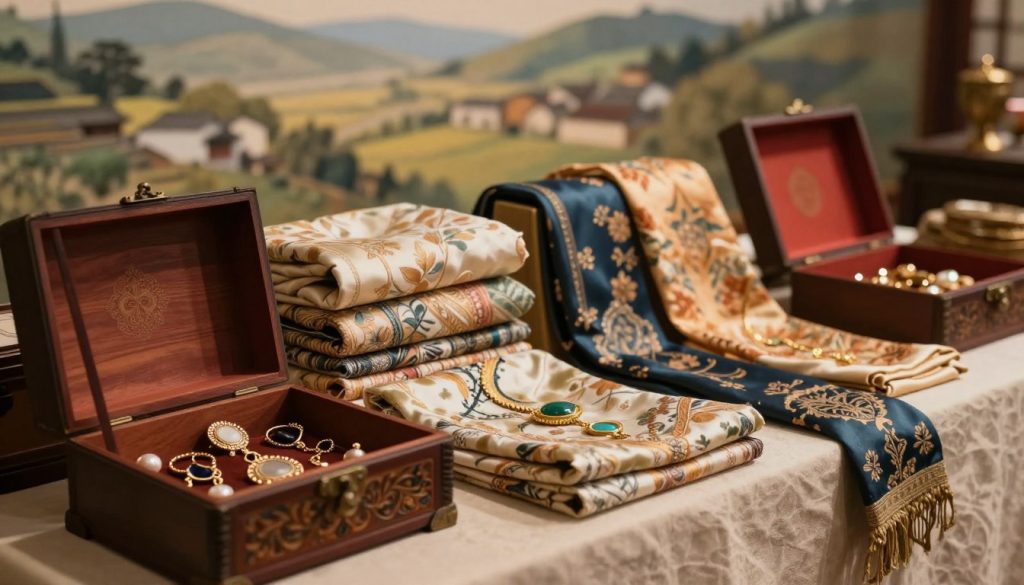
The “three main gifts” have changed with time. Each decade had its own prized items. This table shows one example of the shift.
| Decade | Common Betrothal Gifts |
|---|---|
| 1960s | Bicycle, Sewing Machine, Watch |
| 1980s | Refrigerator, TV, Motorcycle |
| 2000s | Car, Apartment Down Payment, Jewelry |
Research confirms this growth. A study of 134 couples found bride price values soared after the 1980s.
Families compete to show wealth and status. This turns a symbolic gift into a major financial source of pressure.
Modern Implications: Economic and Social Pressures
A significant gender imbalance is now a primary driver behind the escalating costs of getting married in China. Official data reveals there are over 30 million fewer women than men.
This shortage creates intense competition. Men must often compete financially to attract a partner.
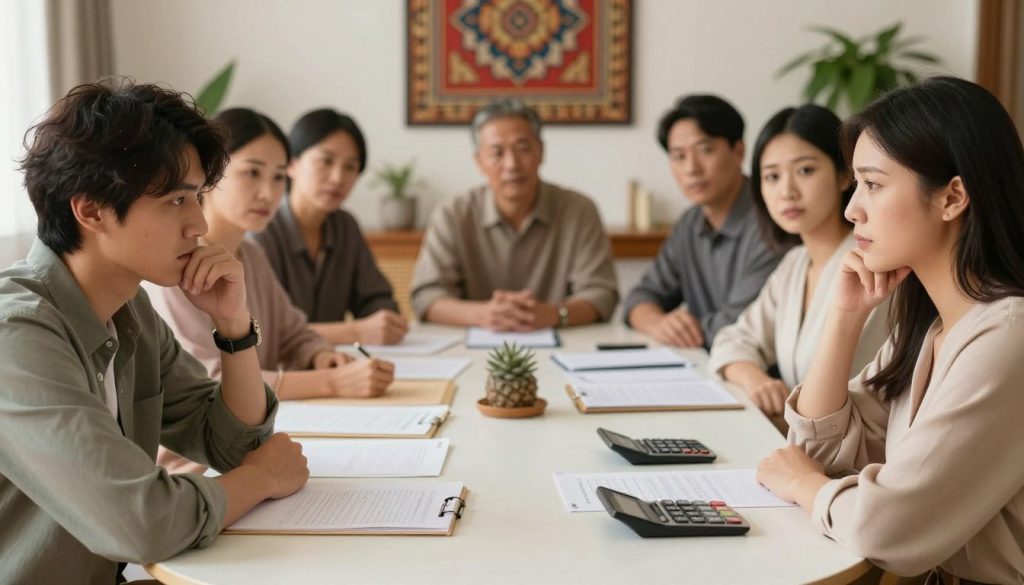
Financial Challenges for the Groom and His Family
The one-child policy skewed birth ratios for decades. Now, many men struggle to find a wife.
In rural areas, unmarried sons are sometimes called “bare branches.” This label carries heavy social stigma for the entire family.
The pressure to secure a marriage at any cost is immense. In one tragic example, a young man from Anhui province took his own life after paying a 120,000 yuan bride price.
The financial burden can be devastating, turning a tradition of respect into a source of despair.
In major cities, men seeking marriage are expected to own a home. With sky-high property prices, this can mean needing over two million yuan.
Even in the countryside, the amount of money demanded can represent years of a family’s income. Some take out bank loans just to pay the caili.
Impact on Marriage Trends and Social Expectations
What was once a symbolic gift is now often a commercial display. Families may seek higher prices simply to show off their wealth and status.
This unhealthy competition prices out genuine compatibility. It leads some women to delay or forgo marriage entirely.
The exorbitant costs also influence family planning. Parents may hesitate to have a second child, knowing there’s a 50% chance they would face these same crushing expenses for a son in the future.
Conclusion
From a token of respect to a significant burden, the evolution of betrothal gifts mirrors broader social changes in China. This tradition, once a symbolic gift, now often demands a large amount of money.
A key driver is the gender imbalance, with millions more men seeking marriage than women. Families also compete to show wealth and status. The bride price can become a heavy financial pressure.
In rural areas, the cost may exceed a family’s annual income. This prevents many from being able to get married. Some couples choose to delay or avoid marriage entirely.
Understanding caili helps us see the complex mix of culture, economics, and family expectations. It reminds us that marriage customs everywhere adapt to new realities.