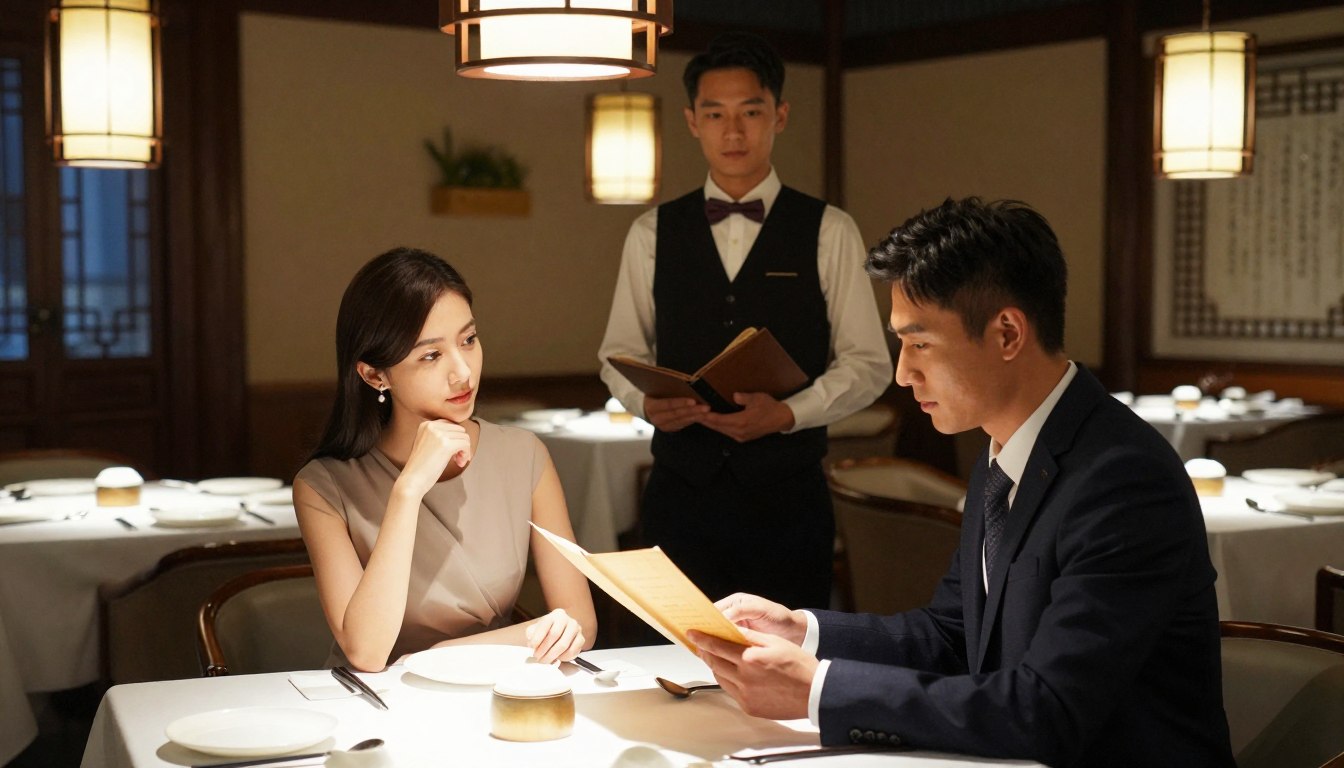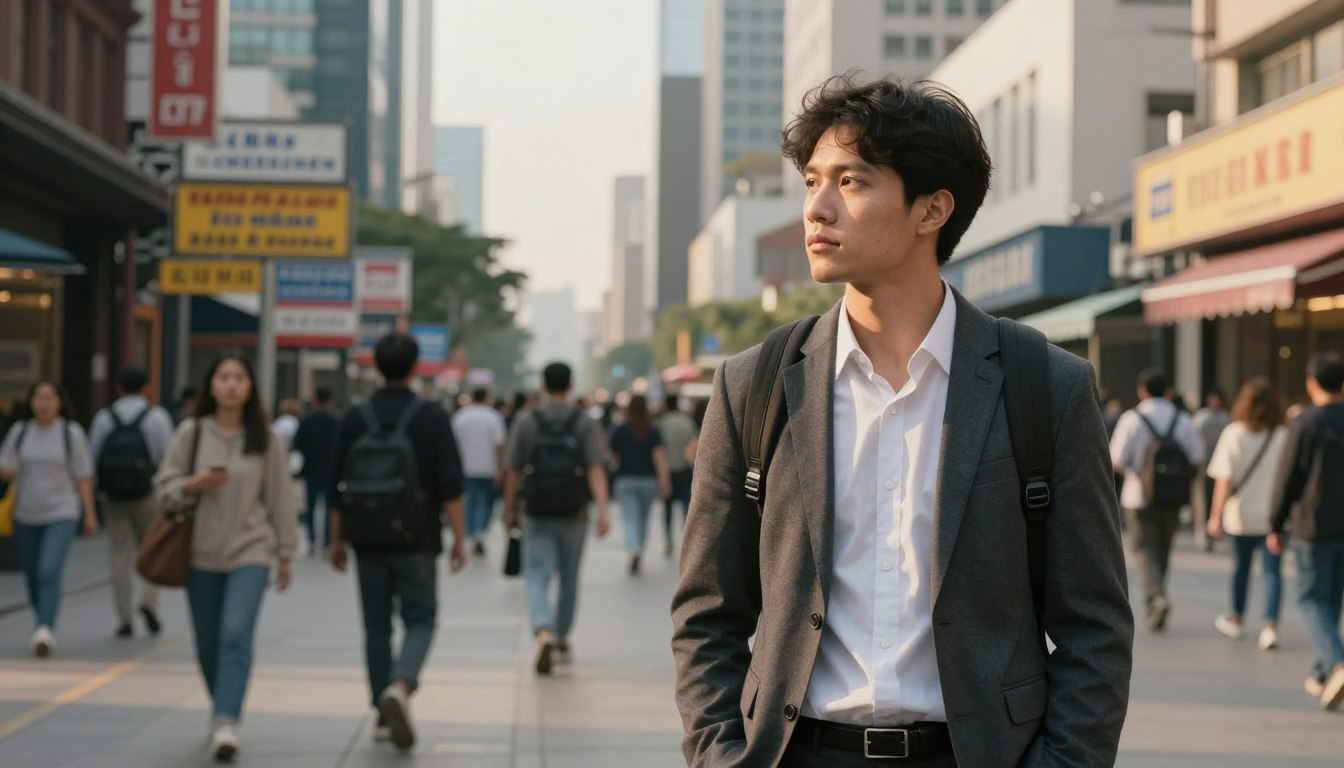
Moving abroad sparks excitement. There are new jobs, adventures, and the promise of a lifetime experience. This initial thrill is real and powerful.
For families, the focus soon shifts. After the honeymoon phase, reality sets in. Adjusting to a new place involves serious challenges.
Spouses navigate unfamiliar terrain, both literally and emotionally. New cities and systems are confusing. This can strain even strong relationships.
The romantic idea of international love gives way to daily struggles. Misunderstandings and isolation are common. Many people feel shaken by this change.
These hard parts aren’t discussed enough. A false glamour surrounds the expat life. It’s okay to feel sad during this adjustment time.
This article draws on decades of observation. We’ll explore common hurdles, from cultural gaps to communication breakdowns. You’re not alone in this journey.
Key Takeaways
- The initial excitement of moving abroad is often followed by a challenging adjustment period.
- Families face both practical and emotional hurdles when settling into a new country.
- Daily life struggles can strain relationships, contrary to romanticized expectations.
- Feelings of isolation and frustration are common but rarely discussed openly.
- Acknowledging these difficulties is the first step toward managing them effectively.
- Real-world experience and research provide a more authentic view of international living.
Understanding Cultural and Communication Challenges
Living together abroad magnifies every small cultural misunderstanding. The daily rhythm of life becomes a series of tiny tests.
Culture shock isn’t about big events. It’s the slow drip of confusing social cues and different ways of doing things. This constant friction can wear down even the most patient people.
The Impact of Cultural Misunderstandings on Relationships
Small disagreements about money or family visits add up fast. They create significant stress over time. This strain tests the strongest relationship.
Building cultural intelligence helps, but it takes months or years. Learning the local language is just the first step. Understanding unspoken rules is the real challenge.
Feeling misunderstood by foreigner family members is common. They might not grasp your past experiences. This gap can make you feel isolated, even at happy gatherings.
Why Communication is Everything When You Live Together
Open, honest talk is your most important tool. What was a minor issue while dating becomes major when sharing a home. You must navigate life plans and obligations together.
This is especially true during holidays or family events. Comments may be well-meaning but still hurt. Talking about these feelings is the way to bridge the gap.
Recognizing these challenges early is key. Committing to clear dialogue helps relationships thrive across two cultures. It turns daily friction into a shared journey of understanding.
Navigating Daily Life and Practical Adjustments
From paying bills to seeing a doctor, everyday systems work differently. This shift defines the practical adjustment phase abroad.

Overcoming Language and Logistics Barriers
A simple grocery run can become a major project. The language barrier impacts every task, making them slow and sometimes frustrating.
Technology adds another layer. Essential apps for payments and social connections require a new skillset. This digital learning curve is a big part of daily life.
Many expats lean heavily on translation tools and local guides. This reliance can feel exhausting and chip away at confidence over time.
Learning basic local phrases is a powerful step. It shows respect and helps with smoother daily experiences. Even a few words make a difference.
Staying close to people back home means navigating odd hours and different apps. Maintaining these ties can feel like extra work.
In places like China, community support networks are vital. Some cities have vibrant groups, while others have more transient populations.
Creating a structured plan and asking for help early is key. Patience with yourself turns overwhelming logistics into manageable routines.
Overcoming Specific Challenges for Expat Couples China
When spouses relocate internationally, they encounter distinct obstacles. These tests can challenge even the strongest bond.
Missing your family and friends back home is a deep pain. Some people go years without a visit. Time zones and tech make staying close hard work.
Balancing Home Ties and New Cultural Experiences
You must build a new life while honoring old roots. This balancing act requires deliberate effort.
Schedule regular calls with loved ones. Celebrate holidays from both cultures. This creates a bridge between your worlds.

Dealing with Career Changes and Shifting Identities
Many spouse leave their job behind. This can cause a loss of purpose and experience.
Research by ChapmanCG (2024) shows planning new opportunities is key. Consider remote work, further education, or volunteering.
Building a new professional identity takes time. Be patient with yourself during this transition.
Strategies for Strengthening Your Relationship Abroad
Honest talks about risks are essential before you move. Relocate together if possible.
Each partner needs their own fulfilling life. This protects individual happiness and shared love.
Nurture your connection despite the chaos. Date nights and shared goals keep you united.
| Common Challenge | Proactive Strategy | Key Benefit |
|---|---|---|
| Loss of Career Identity | Pursue remote work or local courses | Restores purpose and confidence |
| Isolation from Family | Set weekly video call rituals | Maintains emotional closeness |
| Strain on the Relationship | Schedule regular couple events | Reinforces partnership commitment |
| Navigating Social Scenes | Discuss boundaries before foreigner events | Prevents misunderstandings |
Conclusion
Embracing a new chapter overseas is a journey filled with both profound rewards and undeniable tests. The hard parts you face are real and significant. They are a normal part of building a life in a foreign country.
The most important thing is to maintain open, honest talk with your partner about these challenges. Patience with yourself and the process is essential. Seeking support from communities or a coach is a smart strategy, not a weakness.
Facing these experiences together can strengthen your relationship. Many people not only adapt but thrive. Remember, you are not alone in this time of adjustment.