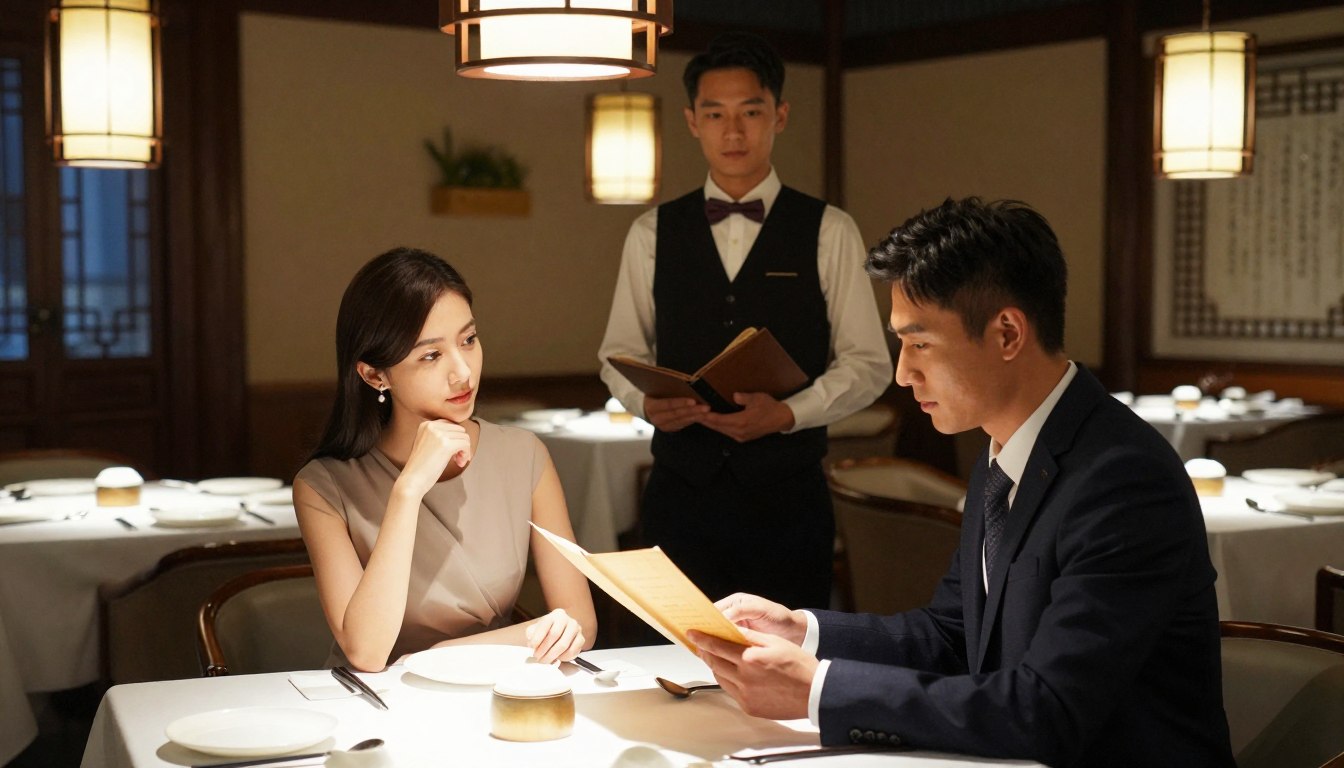
Sharing a home is a major milestone for any couple. When my boyfriend and I moved into a small apartment in Shanghai, everything felt fresh and exciting. We quickly realized that we had to adjust to each other’s distinct habits and preferences.
This journey highlights the beauty and complexity of intercultural relationships. While we occasionally clashed over small household chores, those moments helped us grow closer as a couple. Navigating a successful China expat life requires a lot of empathy and open-mindedness toward new perspectives.
It involves more than just splitting the rent; it means blending two different ways of seeing the world. My own time living with a Chinese partner revealed how traditional values often shape even the smallest daily actions. By setting clear expectations early, you can build a strong foundation for your future together.
Key Takeaways
- Adjust daily habits to accommodate cultural differences.
- Use open communication to solve household friction.
- Discuss financial management and chores early on.
- View language barriers as a positive growth tool.
- Be patient when interacting with extended family members.
- Respect cultural norms to create a harmonious home.
The Journey of Moving In Together
When you decide to take the plunge and live together in China, you’re not just sharing a space, you’re merging two lives. This significant step in any relationship is filled with excitement and challenges, especially when cultural differences come into play. Adjusting to each other’s habits is crucial when moving in together.
Setting Expectations Before the Move
Before making the move, it’s essential to have open and honest discussions about your expectations. This includes talking about your lifestyle, daily routines, and personal space needs.
- Discuss your daily routines and how they might change.
- Agree on household responsibilities and chores.
- Talk about your financial expectations and budgeting.
The Logistics of Finding an Apartment in China
Finding the right apartment in China requires careful consideration of several factors, including location, size, and amenities. Researching neighborhoods and understanding the local real estate market can help you make an informed decision.
Key considerations when searching for an apartment:
- Proximity to work, public transportation, and amenities.
- Apartment size and layout.
- Security and safety features.
Initial Cultural Shocks in a Shared Home
Living with a Chinese partner can expose you to new cultural practices and ways of living. Being prepared for these differences can help you navigate any initial cultural shocks.
Common cultural differences include:
- Different cleanliness standards and household chores.
- Varying expectations around personal space and alone time.
- Unique cultural practices and traditions.
Understanding the Cultural Nuances of Living With Chinese Partner
When you live with a Chinese partner, you’re not just sharing a home; you’re also navigating a complex cultural landscape. This journey involves understanding and respecting the cultural nuances that shape your daily life together. Cultural differences can sometimes lead to China culture shock, but being aware of these differences can help you build a stronger and more harmonious relationship.
The Concept of Mianzi in Domestic Life
In Chinese culture, the concept of “mianzi” or “face-saving” plays a significant role in domestic life. It refers to the reputation and dignity that an individual has in social contexts. Understanding and respecting this concept can help you navigate interactions with your partner and their family, avoiding unintentional offense or embarrassment.
For instance, being mindful of your partner’s traditional values and avoiding direct confrontation can help maintain harmony in your home. It’s about being considerate of each other’s feelings and social standing.
Collectivism Versus Individualism at Home
Chinese culture often prioritizes collectivism over individualism, which can influence how decisions are made and how household responsibilities are shared. Your partner might prioritize family needs over personal preferences, which can sometimes lead to conflicts if not understood and respected.
Finding a balance between collective and individual needs is crucial. Open communication about your expectations and preferences can help you navigate these cultural differences and build a more harmonious living environment.
Respecting Traditional Values in Modern Settings
Living with a Chinese partner means encountering a blend of traditional and modern values. Traditional values can influence daily habits, food preferences, and even how you celebrate festivals and holidays.
Respecting these values doesn’t mean you have to adopt them entirely, but being understanding and accommodating can strengthen your bond. It’s about finding common ground and appreciating the richness that cultural diversity brings to your relationship.
Navigating Daily Habits and Household Routines
Adapting to each other’s daily habits is essential for creating a balanced and peaceful living environment in a cross-cultural relationship. When living with a Chinese partner, you may encounter differences in daily routines that can either complement or clash with your own.
Morning Rituals and Sleep Schedules
One of the first adjustments you’ll need to make is to your morning rituals and sleep schedules. In China, it’s common for people to wake up early for a morning routine that may include exercises, meditation, or reading. However, sleep schedules can vary greatly depending on individual lifestyles and work requirements.
To harmonize your morning routines, consider discussing your preferences and finding a middle ground. For instance, if one partner is an early riser and the other a night owl, you might need to adjust your sleep schedules to ensure you’re both getting enough rest.
The Importance of Hot Water and Temperature Control
Hot water is a staple in many Chinese households, used not just for bathing but also for drinking and cooking. Temperature control is also a significant aspect of daily life, with preferences often leaning towards very hot or very cold temperatures.
Understanding and respecting these preferences can make a big difference in your daily comfort. Investing in a good water heater and being mindful of temperature settings in your home can help in achieving a comfortable living environment.
Managing Daily Chores and Responsibilities
Dividing household chores fairly is crucial for maintaining harmony in your living space. In many Chinese households, chores are often divided based on personal preferences, skills, or sometimes traditional roles.
To manage daily chores effectively, have an open discussion about your expectations and responsibilities. Creating a shared chore chart or schedule can also help in ensuring that both partners contribute equally to the household.
The Role of Family Dynamics in Your Shared Space
When living with a Chinese partner, understanding the intricacies of family dynamics is crucial for a harmonious shared space. In Chinese culture, family is highly valued, and this is reflected in the way family members interact with each other and with their relatives.
The influence of family dynamics can be seen in various aspects of daily life, from how often relatives visit to the expectations placed on you and your partner. Being aware of these dynamics can help you navigate complex relationships and create a more harmonious living environment.
Interactions with Extended Family Members
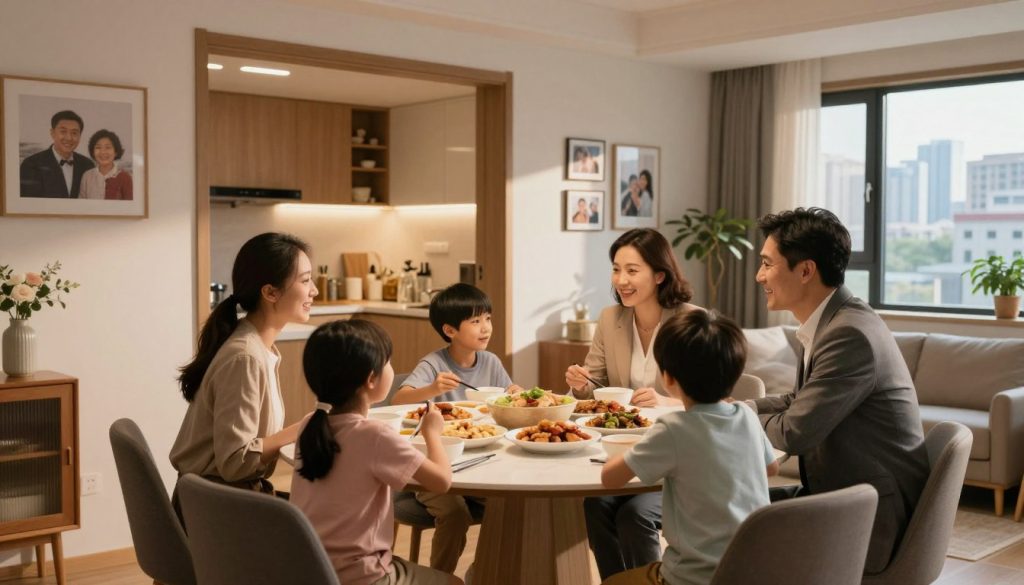
In China, it’s common for extended family members to be closely involved in each other’s lives. This can mean frequent visits from relatives, which may require some adjustments if you’re not used to such close family ties.
To navigate these interactions smoothly, it’s essential to be respectful and open-minded. Understanding the importance of family in Chinese culture can help you build stronger relationships with your partner’s relatives.
- Be prepared for frequent visits and interactions with extended family members.
- Show respect and interest in your partner’s family traditions and values.
- Communicate openly with your partner about any challenges or concerns you have regarding family interactions.
Setting Boundaries with Visiting Relatives
While it’s essential to be respectful of your partner’s family, it’s also important to set boundaries to maintain your personal space and privacy.
Discussing boundaries with your partner can help you both be on the same page when dealing with visiting relatives. It’s crucial to be clear and respectful when communicating your needs.
“Setting boundaries is not about being distant; it’s about being clear and respectful of each other’s needs.”
The Influence of Parental Expectations
Parental expectations can significantly influence your life with your Chinese partner, especially when it comes to significant life decisions such as having children or financial planning.
Understanding and discussing these expectations with your partner can help you navigate any potential challenges and build a stronger relationship.
Key considerations:
- Understand the cultural significance of parental expectations in Chinese culture.
- Communicate openly with your partner about your own expectations and how they align with or differ from their parents’ expectations.
- Work together to find a balance that respects both your needs and the cultural context.
Managing Finances and Shared Expenses
Effective financial management is key to a harmonious living experience when sharing a home with your Chinese partner. Open communication about finances is crucial for a stress-free living experience.
When living together, it’s essential to have a clear understanding of each other’s financial expectations and responsibilities. This involves discussing your financial goals, spending habits, and any debts you may have.
Discussing Money Early and Often
Discussing money matters early in your cohabitation can prevent misunderstandings and conflicts down the line. It’s advisable to have an open conversation about your financial situation, including your income, expenses, and savings goals.
Key topics to cover in your financial discussions include:
- Monthly expenses and how to split them
- Long-term financial goals, such as saving for a home or retirement
- Debt management, if applicable
Digital Payment Apps and Shared Accounts
China is known for its advanced digital payment systems, with apps like WeChat Pay and Alipay being ubiquitous. Utilizing these digital payment apps can simplify managing shared expenses.
| Digital Payment App | Features | Benefits for Couples |
|---|---|---|
| WeChat Pay | Integrated with WeChat messaging app, allows for easy money transfers and bill payments | Simplifies splitting bills and making joint payments |
| Alipay | Offers a range of financial services, including payment processing and investment options | Provides a comprehensive platform for managing finances together |
Splitting Rent and Utility Costs
Splitting rent and utility costs fairly is crucial to avoid conflicts. It’s essential to discuss and agree upon a method that works for both partners.
A common approach is to split these costs based on income proportion. For example, if one partner earns 60% of the total household income, they would pay 60% of the rent and utilities.
By discussing financial matters openly, utilizing digital payment apps, and fairly splitting expenses, couples can manage their finances effectively and maintain a harmonious living environment.
Communication Styles and Conflict Resolution
Living with a Chinese partner requires understanding and adapting to different communication styles to navigate conflicts effectively. Effective communication is key to resolving conflicts and maintaining a healthy relationship.
In Chinese culture, communication styles can be quite different from those in Western cultures. Understanding these differences is crucial for a harmonious coexistence.
Direct Versus Indirect Communication
Chinese communication often leans towards being indirect, relying on context and non-verbal cues. In contrast, Western cultures tend to value directness and explicitness. Recognizing these differences can help prevent misunderstandings.
For instance, a Chinese partner might not directly say “no” to avoid conflict, instead using phrases like “we’ll see” or “let’s discuss it later.” Being aware of these nuances can help you interpret their intentions more accurately.
Handling Disagreements Without Losing Face
In Chinese culture, “saving face” or maintaining dignity is crucial. When disagreements arise, it’s essential to handle them in a way that respects this cultural norm. Avoid direct confrontations or public embarrassment, as these can lead to loss of face.
Instead, address issues privately and focus on finding a resolution that works for both parties. This approach not only resolves the conflict but also strengthens the relationship.
The Importance of Patience and Empathy
Patience and empathy are vital components of conflict resolution in any relationship, especially when cultural differences are involved. By being patient, you allow for a more thoughtful and considered approach to resolving issues.
Empathy, or the ability to understand and share your partner’s feelings, is equally important. It helps in creating a supportive environment where both partners feel heard and understood.
To illustrate the importance of these aspects, consider the following comparison:
| Aspect | Western Approach | Chinese Approach |
|---|---|---|
| Communication Style | Direct and Explicit | Indirect and Contextual |
| Conflict Resolution | Direct Confrontation | Avoiding Loss of Face |
| Emotional Expression | Open Expression | Reserved Expression |
Understanding and respecting these differences can significantly enhance your relationship with your Chinese partner.

Food Culture and Kitchen Dynamics
When living together in China, food culture becomes a significant aspect of your shared daily life. Chinese cuisine is renowned for its diversity and richness, reflecting the country’s various regional identities. Understanding and embracing this aspect can greatly enhance your living experience with your Chinese partner.
The kitchen is often considered the heart of the home in Chinese culture, where meals are not just about sustenance but also about family bonding and social harmony. As such, cooking styles and kitchen equipment play a crucial role in defining your kitchen dynamics.
Cooking Styles and Kitchen Equipment
Chinese cooking involves a variety of techniques, from stir-frying and steaming to braising. The equipment used can range from woks and bamboo steamers to rice cookers. Adapting to these cooking styles and familiarizing yourself with the necessary equipment can make cooking together a enjoyable experience.
For instance, a wok is a staple in many Chinese kitchens, used for a wide range of dishes. Learning how to properly use and maintain a wok can be a great starting point. Additionally, understanding the importance of ingredients and their preparation can help you appreciate the effort that goes into Chinese cooking.
Grocery Shopping Habits and Local Markets
Grocery shopping is another aspect where cultural differences may arise. Chinese grocery shopping often involves visiting local markets where fresh produce, meats, and other ingredients are sourced. These markets offer a sensory experience, with vibrant displays of food items and lively vendor interactions.
Embracing local grocery shopping habits can be a fun and enriching experience. It allows you to explore a variety of ingredients and dishes that you might not have encountered before. Understanding the importance of freshness and seasonality in Chinese cuisine can also enhance your cooking.
Dining Out Versus Eating In
The decision to dine out or eat in is influenced by various factors, including convenience, cost, and personal preference. In China, dining out is a common practice, with many restaurants and street food stalls offering a wide range of culinary delights.
Eating out can be a great way to experience the local food culture, with many dishes available that you might not typically cook at home. On the other hand, cooking together at home can be a bonding experience, allowing you to share in the preparation and enjoyment of meals.
Ultimately, finding a balance between dining out and eating in can enrich your culinary experiences and contribute to a harmonious kitchen dynamic.
Adapting to Different Standards of Cleanliness
Adapting to different cleanliness standards is crucial for a harmonious living environment when sharing a home with your partner. When two individuals from potentially different backgrounds come together, their habits and expectations regarding cleanliness can vary significantly.
Defining What Clean Means to Each Partner
It’s essential to have an open conversation about what cleanliness means to each of you. This involves understanding the cleanliness standards you both were raised with and how they influence your daily habits.
- Discuss your personal hygiene practices.
- Share your expectations for household chores.
- Understand the frequency of cleaning that feels comfortable for both.
This dialogue helps in finding a middle ground that respects both partners’ needs.
The Use of Slippers and Indoor Hygiene
In many cultures, including the Chinese culture, the use of slippers indoors is a common practice that contributes to indoor hygiene. Wearing slippers can help keep the home clean by reducing the dirt and dust tracked in from outside.
Discussing and agreeing on such practices can enhance your living environment and contribute to a more comfortable home life.
Organizing Shared Storage Spaces
Shared storage spaces can quickly become cluttered if not managed properly. Organizing these spaces is vital for maintaining a clutter-free and comfortable living environment.
- Assign specific areas for each partner’s belongings.
- Use storage solutions that keep items out of sight but are easily accessible.
- Schedule regular decluttering sessions to maintain the space.
By doing so, you can ensure that your shared living space remains tidy and organized, reducing stress and improving your overall shared living experiences.
Balancing Personal Space and Togetherness
Maintaining a healthy and fulfilling relationship while living together in China involves striking a delicate balance between personal space and togetherness. This balance is crucial for nurturing a strong and resilient partnership.
In the context of Chinese culture, balancing personal space and togetherness is vital for a harmonious living arrangement. It allows individuals to maintain their identity and sense of self while being part of a couple.
Finding Time for Individual Hobbies
One of the key aspects of maintaining personal space is finding time for individual hobbies. Engaging in personal interests and activities can help individuals recharge and maintain their sense of identity.
By prioritizing individual hobbies, partners can bring new experiences and enthusiasm into their shared life, enriching their relationship.
Creating a Sanctuary Within the Home
Creating a sanctuary within the home is essential for maintaining personal space. This can be achieved by designating a quiet area for relaxation or personal activities.
Having a peaceful retreat within the home can help individuals unwind and recharge, promoting overall well-being.
Maintaining Social Connections Outside the Relationship
Maintaining social connections outside the relationship is vital for a healthy and balanced partnership. Nurturing friendships and social networks can provide emotional support and a sense of community.
By staying connected with friends and family, individuals can maintain their social identity and bring new experiences into their relationship.
Preparing Yourself for the Transition
Transitioning to a shared life in China requires more than just a change of address; it demands preparation and cultural understanding. As you prepare to embark on this new journey with your Chinese partner, it’s essential to consider several key factors that can significantly impact your living experience.
Essential Conversations to Have Before Moving
Before making the move, having open and honest conversations with your partner about your expectations, lifestyle preferences, and long-term goals is vital. This includes discussing your views on personal space, household responsibilities, and financial management.
- Discuss your daily routines and how they might be affected by cultural differences.
- Talk about your expectations regarding family involvement in your daily life.
- Clarify your financial responsibilities and how you will manage shared expenses.
Learning Basic Language Skills for Domestic Harmony
Learning basic Chinese can greatly enhance your living experience and reduce potential misunderstandings. Simple phrases and expressions can go a long way in showing respect for your partner’s culture and can facilitate smoother interactions with your partner’s family and in your community.
Key phrases to learn include:
- Greetings such as “nǐ hǎo” (hello) and “xiè xiè” (thank you).
- Basic expressions like “duì bù qǐ” (excuse me/sorry) and “qǐng” (please).
- Phrases related to household chores, such as “wǒ lái zuò” (I’ll do it).
Building a Support System in Your New Environment
Establishing a support system in your new environment can provide a safety net during challenging times. This can include connecting with other expats, joining local clubs or groups that align with your interests, and maintaining regular communication with friends and family back home.
Consider the following ways to build your support network:
- Join online forums or social media groups for expats living in your area.
- Participate in local events or join clubs that match your hobbies.
- Regularly schedule video calls with loved ones back home to stay connected.
Conclusion
Living with a Chinese partner can be a rewarding experience, filled with opportunities for growth and cultural exchange. By understanding the cultural nuances and daily habits, you can navigate the challenges and create a harmonious living environment.
As you’ve learned, cultural differences can impact various aspects of your life together, from communication styles to household routines. Being aware of these differences is key to building a strong and fulfilling relationship.
To make the most of this experience, it’s essential to be patient, empathetic, and open-minded. By doing so, you’ll be better equipped to handle the unique challenges that come with living with a Chinese partner.
By embracing the cultural differences and being willing to learn from each other, you can strengthen your relationship and create a more harmonious home life. This journey requires effort and dedication, but the rewards are well worth it.