When I started seeing people in my new home, a quiet question kept popping up in my mind. Was I looking for a real connection, or was my search influenced by the need for stability in a new land?
This isn’t just my story. Many people who move to a new country face this same inner conflict. The heart wants one thing, while practical worries about visas and building a future whisper another.
It’s easy to fall for the stereotype of “dating for a visa.” But real life is far more complex. My journey, and the journeys of others, involves deep emotions, cultural identity, and shared dreams.
I was shaped by the idea of Run Xue—the philosophy of leaving for better opportunities. This mindset doesn’t just guide career moves. It quietly shapes who we are and who we hope to find as a partner.
This article is my honest look at that personal path. It’s about finding someone who gets the unique experience of starting over. It’s about more than paperwork; it’s about building a life with someone who understands your past and shares your future goals.
Dating here comes with its own set of hurdles. Language gaps and different customs can make things tricky. Sometimes, the expectations from family back home add another layer of pressure to every new connection.
Key Takeaways
- Many immigrants wrestle with separating genuine romantic feelings from practical concerns about residency.
- The common “green card marriage” stereotype often misses the nuanced reality of these cross-cultural relationships.
- The Run Xue (to study abroad) philosophy influences life choices, including partnerships.
- Finding a compatible partner often means seeking someone who understands the immigrant journey.
- Dating in a new country involves navigating language barriers and cultural differences.
- Family expectations from one’s home country can significantly impact relationship decisions.
- The goal is a shared life built on mutual understanding, not just legal status.
Understanding Immigration Dating Dynamics
My first date in America came with an unspoken guest: my visa status. I realized my legal standing was a silent partner in every new connection. This isn’t about being opportunistic. For many of us, residency affects every part of life and future planning.

The Intersection of Love and Visa Intentions
There’s an extra layer of calculation locals might not grasp. We evaluate romantic compatibility and practical partnership for a stable future. The system adds pressure. Quick marriages face heavy scrutiny from authorities, making genuine couples hyper-aware of perception.
This intersection forces intentionality. Deeper talks about life goals happen much earlier. As one friend shared,
“You’re not just dating a person; you’re dating a potential life architect.”
Insights from My Personal Journey
I once dated someone who saw my status as a problem to solve, not a part of my story. It created tension and mismatched expectations. My cultural background valued family input, while American dating emphasized individual choice.
These dynamics aren’t about manipulation. They reflect the reality that immigrants weigh multiple factors when building authentic relationships. The goal is a true partnership that understands this unique journey.
Embracing Run Xue Relationship Dynamics in Dating
The philosophy of ‘Run Xue’—seeking better opportunities abroad—became the lens through which I viewed every potential connection. This isn’t just about moving countries. It’s a whole mindset that shapes what you want from love and life.
For me, embracing Run Xue meant my search for a partner changed. I wasn’t just looking for chemistry. I needed someone who understood the courage to start over far from home.
How Run Philosophy Shapes Connection
This outlook transforms early dating talks. Conversations quickly go deeper than usual. We discuss where ‘home’ is and what we’re willing to leave behind.
There’s an instant bond with people who share these goals. You recognize each other’s sacrifices. This creates a powerful foundation for a relationship.

Finding a Partner with the Same Run Goals
I once spent time with someone who saw my plans as a hurdle. It felt lonely. Then, I met a partner who shared my vision. Everything clicked.
We were both committed to the journey, not just the destination. This alignment is everything. It turns two individuals into true partners building one new life.
Finding these connections takes effort. I looked in specific online groups and communities. It was worth it to find someone who gets it.
Navigating Partner Migration Challenges: From China to the West
Planning our move from China together, my partner and I quickly learned that love alone couldn’t clear bureaucratic hurdles. The journey tests your bond with forms, interviews, and tough talks with family.
Overcoming Visa and Relocation Obstacles
We explored every visa path. A marriage-based option seemed straightforward, but I kept my work visa active. This independent path protected my autonomy and our relationship’s health.
Authorities scrutinize quick unions. We spent time gathering proof—photos, travel tickets, joint bills. The official interview felt invasive but was a necessary step.
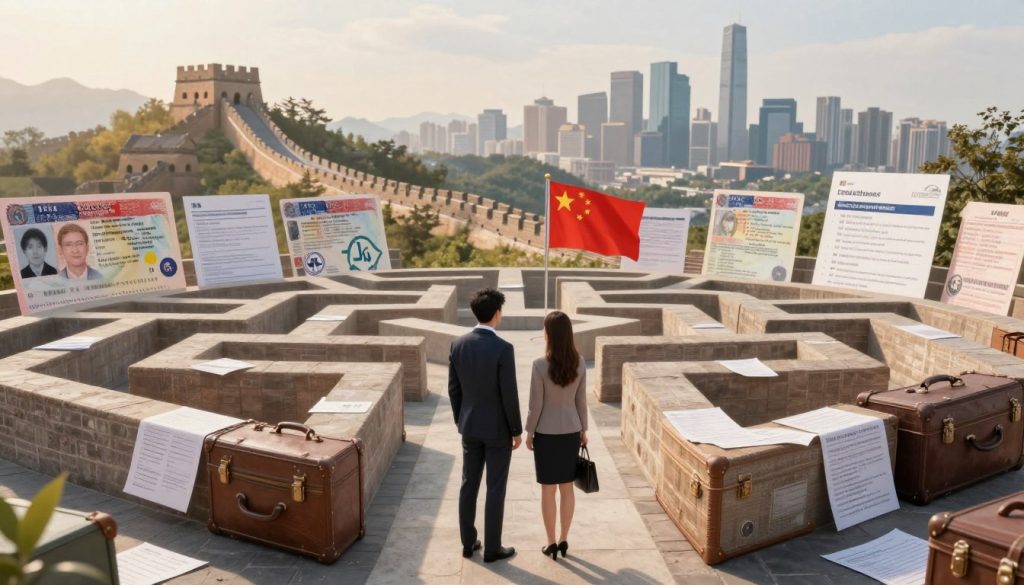
Understanding the options is key. This table compares common routes for immigrants.
| Pathway | Key Requirement | Processing Time | Independence Level |
|---|---|---|---|
| Marriage-Based Green Card | Proving genuine marriage to U.S. citizen | 1-2 years | Low (status tied to spouse) |
| Employment-Based Visa (e.g., H-1B) | Job offer from U.S. employer | Several months | High (self-sponsored) |
| Fiancé(e) Visa (K-1) | Intent to marry within 90 days of entry | 6-9 months | Low initially |
Balancing Cultural Expectations and Family Ties
Telling my parents was hard. They worried about losing support and connection. Guilt weighed on me as we planned to leave home.
Language barriers made official processes stressful. We practiced explaining our story clearly. This improved our communication as a partnership.
We negotiated new family norms. How often would we call? When could we visit? Balancing their expectations with our new life’s demands was a constant effort for both our families.
This process reveals true compatibility. The stress forces you to build a solid foundation, far from the easy parts of dating.
Cross-Cultural Impacts on Dating and Relationship Choices
Family acceptance became the ultimate test of my cross-cultural relationship. It revealed deep-seated expectations I hadn’t fully considered. Our different backgrounds shaped every choice we made together.
My Experiences with Family Acceptance and Cultural Barriers
My parents were worried when I introduced my partner. They feared losing our connection and our shared culture. Their vision for my relationship was someone from our home country.
This created a heavy emotional toll. I felt guilt for disappointing them. There was also frustration that they didn’t understand my perspective.
The language barrier made things harder. My partner couldn’t speak with my parents easily. This slowed their ability to build a real connection.
We faced many specific conflicts. The table below shows common areas where expectations clashed in our relationships.
| Conflict Area | My Family’s Expectation | My Partner’s Perspective | Our Common Ground |
|---|---|---|---|
| Financial Support | Send money to parents regularly | Save for our future first | Agreed on a fixed monthly amount |
| Gender Roles | Clear traditional duties | Equal sharing of chores | Flexible tasks based on skill |
| Communication Style | Indirect, avoid confrontation | Direct and explicit talk | Schedule calm weekly check-ins |
| Raising Children | Strict cultural traditions | Blended modern approach | Teach both heritage and new values |
Finding support was crucial. I connected with other people in immigrant communities. Sharing stories with others in similar relationships gave me strength.
My families gradually adjusted over time. These challenges require constant patience. Building a life between two worlds is an ongoing journey.
Final Reflections on Love, Culture, and Citizenship
The question at the start of this article—love or citizenship—has no single answer in my lived experience. For many immigrants, it’s rarely either/or. It’s a complex blend of heart and practical life-building.
I’ve learned that strong relationships need honesty from the start. Keeping my own path to residency was key. Love must be the real foundation, even when other factors are present. Your age and stage in life shape these pressures.
The best connections create a “third space.” This is where both backgrounds and cultures are honored. Partners don’t have to choose one identity over another. This flexibility builds deeper understanding.
My advice? Build your support within communities of people who get it. Give your families time to adjust. Language barriers and outside expectations are real, but your shared vision is stronger.
Home is now the world I’ve built with my partner. It’s the relationship that holds our shared journey. With patience and genuine love, you can honor both your heart and your new life.