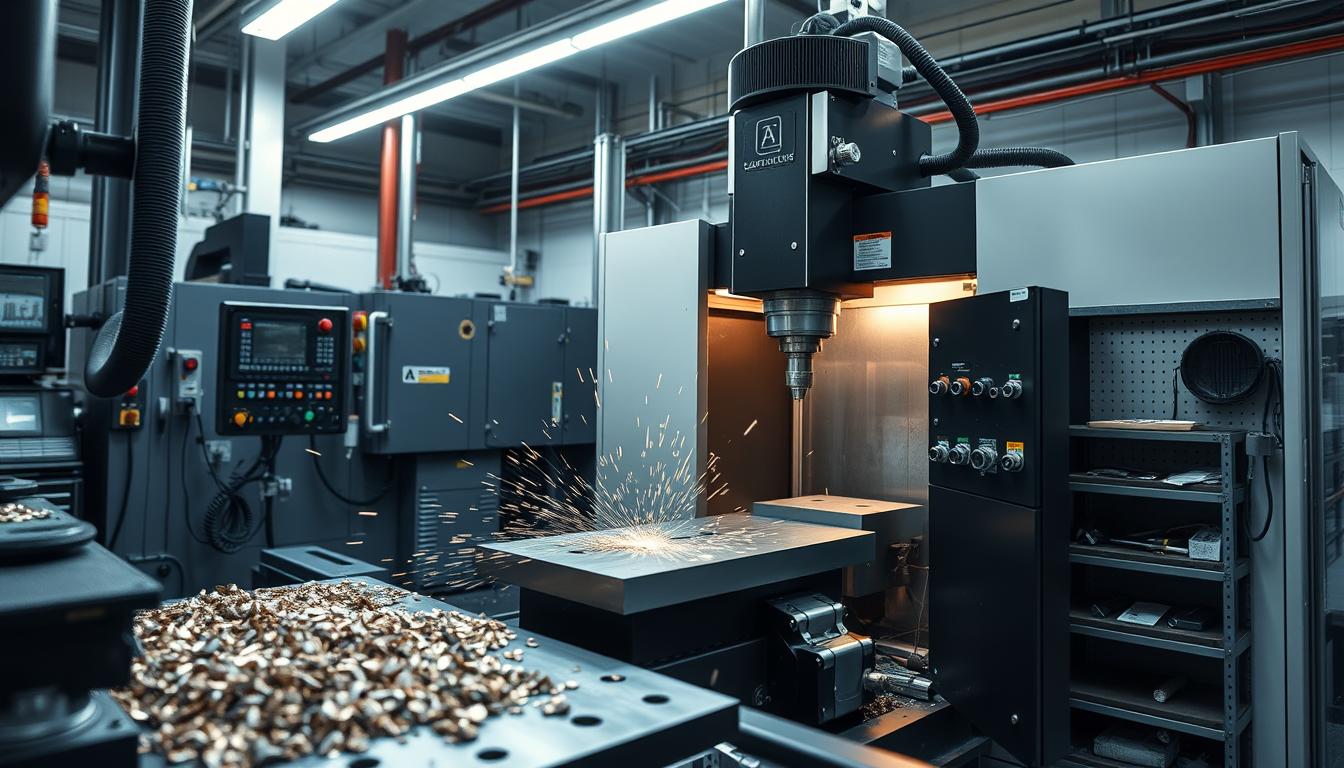
The global CNC machine market is booming. Projected to hit a staggering $140.78 billion by 2029, this rapid growth brings with it a surge in demand for smarter, more efficient machining practices.
CNC machining has transformed metal fabrication, offering unmatched precision and repeatability. But achieving the best results goes beyond just programming the machine. CNC machining optimization is designed to enhance your efficiency, slash costs, and elevate the quality of your metal fabrication projects.
Whether you’re a seasoned machinist or just starting out, discover how to:
- Minimize material waste
- Reduce machining time
- Extend tool life
- Improve surface finish
Get ready to unlock the full potential of your CNC machine and transform your metal fabrication process.
Key Takeaways
- Understand the core principles of CNC operations and their benefits in metal fabrication
- Discover design optimization techniques to enhance efficiency and reduce costs
- Learn about advanced machining process optimization strategies
- Implement effective quality control and maintenance protocols for long-term success
- Leverage software and resources to streamline CNC machining workflows
Understanding CNC Machining in Metal Fabrication Industry
CNC machining has become indispensable to the metal fabrication industry. Using computer-controlled tools, manufacturers achieve levels of precision and efficiency which are once unimaginable. This technology helps businesses to produce high-quality parts with incredible accuracy, repeatability, and speed.
How Does CNC Machining Work?
CNC systems act as the brains of the operation, directing tool movement and controlling every aspect of the machining process. These systems translate programmed instructions (often in G-code and M-code) to guide the machine’s actions, including:
- Precise toolpaths: Ensuring accurate cuts and complex geometries.
- Automated tool changes: Optimizing workflows for uninterrupted production.
- Controlled cutting parameters: Managing spindle speed, feed rate, and cutting depth for optimal material removal.
- Coolant application: Regulating temperature and prolonging tool life.
The Advantages of CNC Machining
This automated approach to manufacturing provides a wealth of benefits:
- Enhanced Efficiency: Reduced lead times and faster production cycles.
- Unmatched Precision: Ability to create intricate parts with tight tolerances.
- Improved Safety: Minimized human intervention reduces the risk of accidents.
- Increased Flexibility: Adaptable to a wide range of materials and designs.
- Reduced Waste: Optimized cutting strategies minimize material usage and scrap.
Key Components of CNC Systems
A typical CNC system comprises three core elements:
- Machine Tool: Provides the physical platform for machining operations (e.g., mills, lathes, routers).
- Control System: Interprets programmed instructions and directs the machine’s movements.
- Cutting Tools: The instruments that shape the workpiece (e.g., drills, end mills, cutting inserts).
CNC machining has transformed metal fabrication, enabling the creation of complex components with specific properties. This technology continues to advance, driving greater efficiency, safety, and production capabilities within the industry.
To truly understand the power of CNC machining, let’s take a closer look at its core capabilities:
| CNC Machining Capabilities Flexibility | ||
| Tight tolerance parameters (+/- .001 inch) | Ability to produce runs as small as 5 pieces | |
| High-speed machining (up to 12,000 RPM) | Diverse material capabilities (stainless steel, plastic, aluminum) | |
| Quality control with ISO 9001:2018 certification | Range of specialized machining outputs (turning, milling, grinding, drilling) |
“CNC machining is a game-changer in the metal fabrication industry, allowing manufacturers to achieve high levels of precision, flexibility, and efficiency in their production processes.”
Design Optimization for Maximum Efficiency
Design optimization is necessary for maximizing the efficiency of your CNC machining processes. If you strategically plan your design, you can reduce costs a lot, improve product quality, and streamline production.
Design Considerations for CNC Machining
Instead of drilling holes, consider using end mill interpolation for a smoother finish, and remember that deep holes might require machining from both sides. When adding threads, utilize thread mills for precise and efficient cutting. For text and fine details, ensure proper spacing and recessing, and consider using carbide tools for thin features and deep cuts.
To achieve complex geometries, leverage live-tool CNC turning for long-axis parts and 5-axis milling for intricate designs and angled features.
Optimizing the Machining Process
While CNC machining offers speed and precision, remember that design choices directly impact the manufacturing process. Factor in material hardness when selecting tools and determining feed rates. Generally, higher feed rates produce smoother finishes but can increase the risk of burning.
Streamline toolpaths and minimize unnecessary movements to reduce cycle time. Avoid sharp corners to prevent tool breakage and ensure smooth machining. Clearly define tolerance requirements to achieve the desired precision and functionality.
Advanced Optimization Techniques
Utilize software to simulate the machining process and identify potential issues before production. After machining, verify that the finished parts meet quality standards and function as intended.
Monitoring and Maintenance
Regular maintenance is necessary for optimal performance and consistent quality. This includes ensuring machine accuracy through routine calibration, implementing a schedule for preventative maintenance, and conducting regular quality checks on machined parts to identify any deviations.
Software and Resources
Specialized software can greatly assist in design optimization. Simulation tools can help you detect potential problems early on, while design guides provide access to resources and best practices for creating efficient and manufacturable designs.
By incorporating these optimization strategies and using available resources, you can unlock the full potential of CNC machining and achieve exceptional results in your metal fabrication projects.
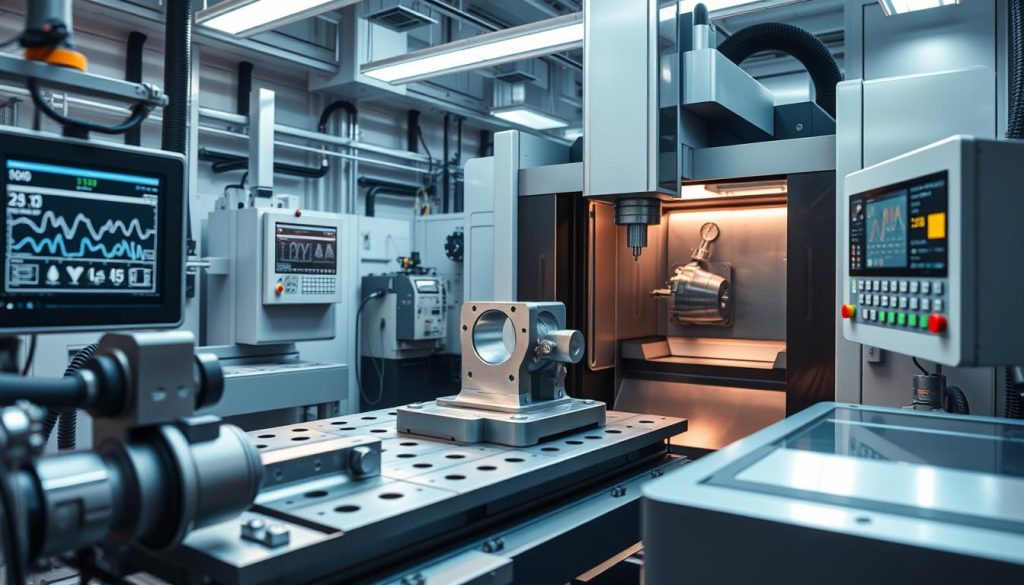
CNC Machining Metal Fabrication Process Enhancement
CNC technology opens doors to cost-effective operations and the ability to meet diverse customer needs within the ever-changing metal fabrication landscape.
Tool Selection and Management
Selecting the right tools is necessary for achieving clean cuts and superior finishes. High-quality tools greatly enhance machining performance. Utilizing appropriate cutting fluids is equally important. These fluids cool and lubricate both the tools and workpieces, minimizing friction and heat, which in turn extends tool life and improves surface quality.
Optimizing Cutting Parameters
Fine-tuning cutting parameters helps maximize efficiency and quality in CNC machining. Important parameters include spindle speed, feed rate, and depth of cut. By carefully adjusting these parameters based on the specific materials and tools being used, you can optimize material removal rates and achieve exceptional accuracy.
The inherent precision of CNC machining ensures consistent quality and repeatability, allowing manufacturers to meet even the most stringent tolerances.
Workholding Solutions
Proper fixturing and workholding helps a lot in maintaining precision throughout the CNC machining process. Utilizing high-quality vises, chucks, and other workholding solutions minimizes vibrations and ensures secure clamping, which is very important for achieving accurate and consistent results.
CNC machining’s versatility extends to a wide range of metals, including aluminum, steel, and titanium. This adaptability allows fabricators to confidently tackle diverse projects and material challenges.
Advanced Optimization Techniques
For manufacturers seeking to elevate productivity and quality, using advanced CNC machining optimization techniques is important. The industry is constantly exploring innovative solutions to maximize operational efficiency, and new technologies are rapidly transforming CNC machining processes.
Cutting-Edge Tooling and Techniques
Modern cutting tools with advanced coatings enable faster spindle speeds and increased Material Removal Rates (MRR). Implementing proper lubrication methods helps reduce aluminum buildup on machine tools, further enhancing efficiency and tool life.
High-Speed Machining (HSM) toolpaths are designed to manage tool deflection in deep pockets, optimizing both MRR and tool longevity. Even simple changes like strategically using twist drills instead of end mills can greatly increase MRR for specific tasks.
The Rise of Intelligent Machining
Artificial intelligence (AI) and machine learning (ML) are transforming CNC toolpath optimization. Computational intelligence methods like Genetic Algorithms (GAs) and Simulated Annealing (SA) enhance precision and bring new levels of efficiency to CNC machining.
Nature-inspired algorithms like Ant Colony Optimization (ACO), which simulates ant pathfinding for toolpath optimization, and Particle Swarm Optimization (PSO), which models optimization based on swarm social interaction, are also gaining traction. Deep learning algorithms use vast datasets to improve various aspects of CNC processes.
Adaptive and Multi-Objective Optimization
Reinforcement learning algorithms allow for adaptive toolpaths that adjust in real-time based on feedback from the machining process. Multi-objective optimization strategies balance competing factors like machining time, surface finish, and tool wear to achieve the best overall results.
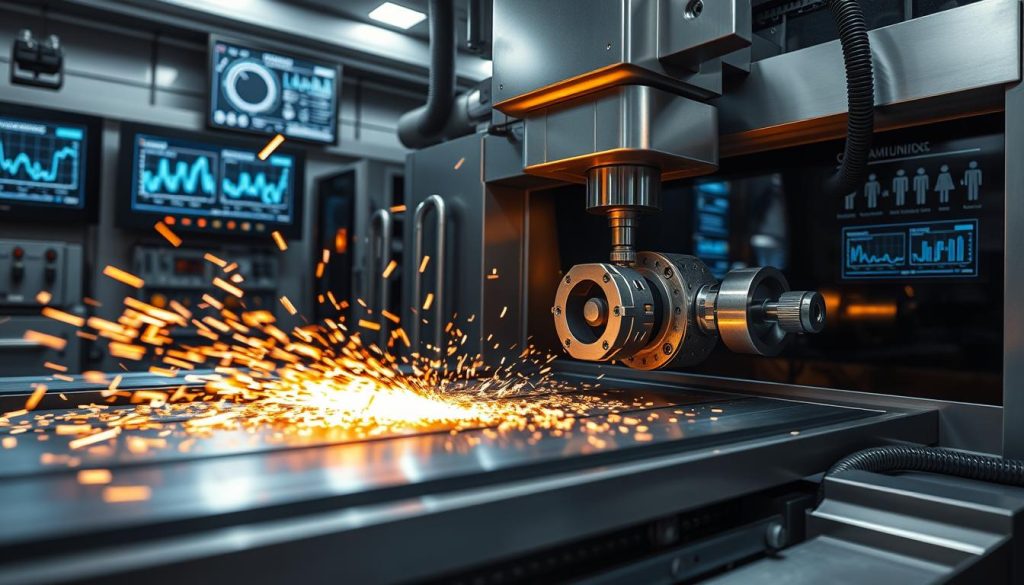
CNC Machining: The Precision Powerhouse of Modern Manufacturing
CNC machining has undeniably revolutionized metal fabrication, offering unparalleled precision, efficiency, and flexibility. To fully harness its potential, manufacturers must prioritize optimization strategies including design, tool selection, cutting parameters, and quality control. By following best practices and using cutting-edge software, businesses can unlock new levels of productivity, enhance quality, and maintain a competitive edge in the dynamic world of metal fabrication.