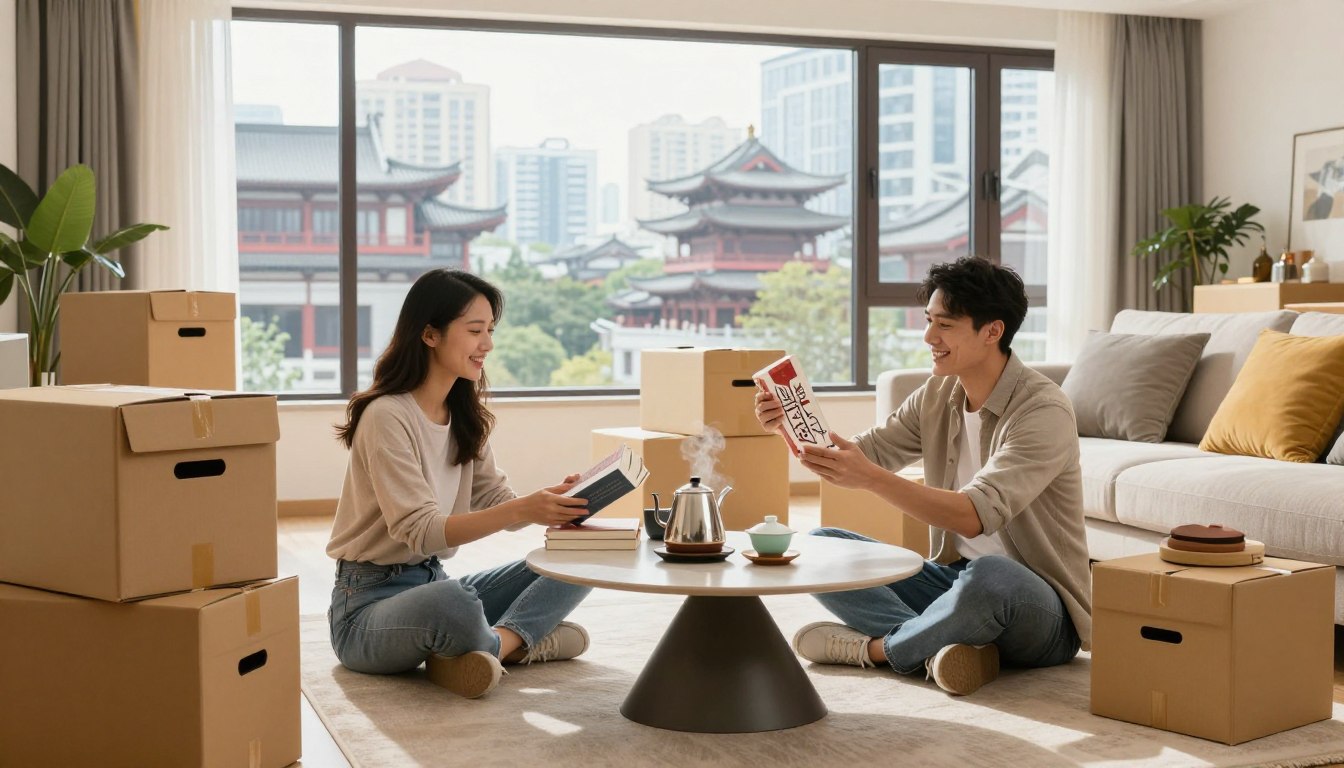
Welcome to a candid look at a major life transition. Deciding to share a home is a huge step that brings excitement and a few surprises. It marks the start of a deep daily connection with your partner.
In modern urban areas, Moving In Together China is becoming the new norm for many. Recent data reveals that over 70% of young urban couples choose to cohabit before marriage. This represents a significant shift from more traditional values.
This shift happens as the average age for first marriage in the country rises to 28.67 years old. While cohabitation helps partners adapt to living habits, it also presents challenges. You may face a loss of personal privacy or a decrease in that initial romantic freshness.
Many city apartments are small, so you must learn how to share limited square footage. This article provides practical guidance on managing space, finances, and family expectations. We draw from real experiences and cultural data to help you prepare.
Understanding how things change helps you build a more resilient relationship over time. Whether you are a local or a foreigner, these insights will help you navigate this unique journey. Let’s explore what it takes to thrive in a shared home.
Key Takeaways
- Over 70% of young urban couples in China now choose to live together before marriage.
- The average age of first marriage has increased to 28.67 years, reflecting changing social norms.
- Small apartment sizes in major cities make effective space management a top priority for couples.
- Cohabitation offers a chance to test compatibility and adapt to each other’s daily habits.
- Couples must balance the loss of personal privacy with the benefits of mutual understanding.
- Open communication is vital for navigating financial arrangements and family expectations.
The Cohabitation Revolution in Modern China
A quiet revolution is happening in China’s apartments as more young chinese skip the wedding and go straight to moving in. According to a 2019 survey, around 70% of people in major urban areas now live together before their wedding day.
This trend is most visible in bustling cities where Western cultural influence is strongest. Domestic life is changing as couples prioritize testing their compatibility over following old traditions. This shift has sparked massive online debates about what it means for the future of the family.
The interest in this lifestyle is truly massive. Attorney Chen Jie recently posted a Douyin video discussing the legal side of cohabitation without marriage. That single video received over 28,000 comments, showing just how much people care about this topic today.
The average age for a first marriage has now climbed to 28.67 years. Men are waiting until nearly 30, while women are often over 27. This delay gives couples more time for dating and exploring their careers before making a legal commitment.
High education levels and a tough job market also contribute to these later starts. While modern dating is accepted in big cities, rural areas remain much more conservative. This creates a fascinating gap between modern choices and the expectations of older generations who still value traditional paths.
| Demographic Metric | Statistical Value | Trend Context |
|---|---|---|
| Average Marriage Age | 28.67 Years | Rising steadily |
| Men’s Marriage Age | 29.38 Years | Delayed by careers |
| Women’s Marriage Age | 27.95 Years | Focus on education |
| Urban Cohabitation | 70% of couples | Common in Tier-1 |
Moving In Together China: Understanding the Cultural Shift
Understanding why so many young professionals in China are moving in together requires looking at both modern needs and ancient traditions. Today, chinese people are navigating a massive shift in how they approach love and domestic life. This change reflects a blend of global influences and new economic realities.
The traditional path to a home once required a wedding certificate first. However, the younger generation is now redefining what it means to build a life together. They are moving away from rigid social scripts toward personal autonomy.
Why Over 70% of Urban Young Chinese Now Cohabit Before Marriage
Recent surveys show that over 70% of urban youth now choose to live together before they get married. This trend serves as a practical way to test compatibility in a high-pressure society. Sharing a home helps couples adapt to each other’s unique habits over time.
Many young people want relationships to remain focused on genuine, emotional connection. This “pure intimacy” allows them to explore the daily reality of a partner’s lifestyle. It serves as a vital trial run for a potential marriage without immediate legal or financial risks.
- Testing Compatibility: Couples learn if they can handle daily chores and shared responsibilities.
- Financial Strategy: Splitting rent in expensive cities like Shanghai or Beijing is a smart economic move.
- Emotional Growth: Living together fosters deeper communication and mutual understanding.
The Gap Between Traditional Values and Modern Choices
Traditional Confucian values emphasize family morality, where marriage is the essential foundation of a household. For centuries, cohabitation was viewed as a risk to one’s social standing and family reputation. However, increased financial independence, especially among women, has empowered young adults to make their own choices.
While parents and older generations may still disapprove, personal happiness often takes priority in cosmopolitan centers. There is a clear geographical divide, as rural areas remain much more conservative than globalized cities. This creates a unique tension for couples trying to balance respect for elders with their own desires.
| Feature | Traditional Values | Modern Urban Choices |
|---|---|---|
| Primary Goal | Family Morality | Personal Compatibility |
| Influence | Confucian Ethics | Western Education |
| Decision Maker | Extended Family | The Couple |
“We want our connection to be about the person and the bond, not just conforming to a proper form for society,” says Liuliu, a young professional living in Shanghai.
Ultimately, young adults are reimagining the transition into adulthood. They are balancing the weight of history with the freedom of the present. This cultural shift continues to reshape the landscape of modern Chinese society.
The Space Challenge: Sharing Tight Quarters in Chinese Apartments
The reality of cohabitation in China’s mega-cities often involves mastering the art of living in very small spaces. In expensive hubs like Beijing or Shanghai, housing costs consume a massive portion of a young couple’s income. Most young people find that their first home together is much smaller than they originally imagined.
And that’s why it matters to talk about space. Apartments can be small, sometimes consisting of just a single room for living and sleeping. You need to learn how to share tight quarters to ensure a smooth and harmonious experience during this new chapter of your life.
Why Space Matters More Than You Think
Every square foot is precious when you are sharing a tiny urban flat. In many Western countries, you might have a spare room or a basement, but in a Chinese tier-one city, your bedroom often doubles as your office. This lack of personal territory can quickly lead to tension and irritability.
Over time, these small physical frustrations can turn into major emotional conflicts. It is not just about where you choose to put your things. It is truly about having enough mental room to breathe and feel like an individual within the relationship.
How to Share Small Apartments Without Losing Your Mind
Learning to live together in a cramped environment requires a very specific mindset. You have to establish clear routines early on to keep your mind at ease and avoid unnecessary friction. For example, setting a strict schedule for bathroom use during the morning rush can prevent daily arguments.
It is also vital to respect each other’s need for occasional solitude. Even in a studio apartment, you can agree on “quiet hours” where both partners focus on their own separate activities. Maintaining these boundaries helps prevent the feeling of being constantly “on top” of one another.
Creating Personal Zones in Limited Square Footage
You can still find a way to feel independent even in a home with limited square footage. Use creative tools like room dividers, tall bookshelves, or simple curtains to separate a work desk from the sleeping area. Designating specific corners for individual hobbies helps maintain a sense of self-identity.
Living in forty square meters taught us more about communication than any therapy session ever could. You have to be patient when your partner is always in your line of sight.
Invest in multi-functional furniture, such as beds with built-in drawers or folding dining tables that tuck away when not in use. Utilizing vertical storage is another essential trick for keeping the floor clear and the atmosphere calm. Adapting to these tight quarters is a gradual process that requires plenty of compromise and patience.
| Space Challenge | Creative Solution | Expected Result |
|---|---|---|
| Lack of Privacy | Use folding screens or curtains | Private sanctuary space |
| Clutter Accumulation | Invest in vertical wall shelving | Clearer floor walkways |
| Shared Entryway | Assign specific racks for both people | Organized shoe storage |
| Work-Life Blur | Create a “desk-only” zone | Better focus and boundaries |
When Romance Meets Reality: Daily Life Changes
Moving in isn’t just about sharing a closet; it is about merging two different worlds. Once you share a key, the magic of the first few months starts to meet the grind of daily life. This transition often changes the core of your relationship in ways you might not expect.
The Shift from Dating to Domestic Partnership
For couples like A-Du and Xiaoyun, the shift was immediate and practical. Xiaoyun now spends every evening cooking healthy meals from scratch for the household. This is a far cry from their early dating days when they mostly explored new city restaurants.
However, the transition isn’t always smooth for everyone. Some women find that their partner begins to act more like a guest than an equal contributor. Instead of sharing chores, one person may end up carrying the weight of all household responsibilities.
“My boyfriend treats our apartment like a hotel where I am the staff, not his equal partner in this journey.”
Discovering Each Other's Living Habits
Living together reveals small details that were invisible when you lived apart. You quickly learn about each other’s sleep schedules and cleanliness standards on a typical day. These tiny habits can either build a stronger bond or create unexpected friction.

Real experiences often involve discovering quirks like leaving wet towels on the bed or staying up late for gaming. While these seem small, they require constant communication to resolve. You must decide what levels of mess are acceptable to keep the peace during dating transitions.
Adjusting Expectations About Quality Time Together
Many couples find that simply being in the same room does not count as meaningful time. It is easy to fall into a “roommate” routine where you only talk about bills or groceries. To prevent this, you must be intentional about your connection.
Some people notice that the physical intimacy or “spark” can fade when routines become too predictable. Familiarity is wonderful, but it can sometimes diminish the romance that defined your early stages. Successful couples prioritize dedicated date nights to keep the excitement alive even when sharing a bathroom.
| Daily Aspect | The Dating Phase | Living Together Reality |
|---|---|---|
| Meal Times | Planned dinners at restaurants | Cooking from scratch and dishes |
| Personal Space | High privacy and “me time” | Constant shared environment |
| Focus | Making a great impression | Managing chores and schedules |
| Connection | Excitement and newness | Deep understanding and routine |
Money Matters: Financial Dynamics After Moving In
Stepping into a shared apartment means more than just splitting rent; it requires a deep dive into cultural financial expectations. Managing money in a new relationship can feel like a full-time job. Couples must decide early on how to handle their daily costs without causing friction.
Setting Up Shared Expenses and Bank Accounts
Modern couples in China are finding new ways to handle their wallets. Some choose to keep their earnings completely separate to maintain their independence. Others prefer a more collaborative approach to build their future together.
Liuliu and her boyfriend are a great example of this modern shift. They use shared accounts to manage their daily living costs effectively. Each partner transfers a specific amount every month to cover rent, utilities, and groceries.
This system ensures that communal costs are covered while allowing for personal spending. It also prevents one person from feeling the weight of all the bills. Communication is key to making this hybrid model work over the long term.
Navigating Property Ownership and Bride Price Expectations
Traditional customs still play a huge role in how young people view assets. Often, the man is expected to provide a home before marriage is even considered. This is a massive financial hurdle when a modest apartment can cost RMB 700,000.
The parents of the bride may also expect a bride price, known as a betrothal gift. This amount can frequently reach RMB 150,000 or even higher. While the woman’s family usually provides a car or furniture in return, less wealthy families may claim an exemption from this part of the custom.
“My ex-girlfriend wanted a bride price of RMB 150,000 plus an apartment costing RMB 700,000,” one foreign expat shared.
Reflections on International Dating in China
Who Controls the Money in a Chinese Cohabiting Relationship
A unique aspect of Chinese culture is that the wife often controls the household money. This tradition can be a major shock for people from Western cultures. They might be used to splitting every bill right down the middle as equals.
In a cohabiting situation, the wife or female partner might still expect this level of authority. However, without a legal marriage certificate, managing large assets becomes very risky for both parties. Property ownership is particularly tricky because foreigners cannot legally own land in China.
This law forces them to put the property in their Chinese partner’s name. This creates a situation where the foreign partner has very few legal rights to the investment. It is important to discuss these risks before putting large sums of cash into a shared home.
| Financial Category | Traditional Custom | Modern Cohabitation Reality |
|---|---|---|
| Housing Costs | Man provides the apartment | Costs are often shared or split |
| Daily Expenses | Wife manages all household funds | Couples use shared apps and accounts |
| Large Gifts | High bride price is expected | Negotiated based on family wealth |
| Property Title | Registered to the head of house | Registered to the Chinese citizen |
Family Pressure and Social Expectations
For many young couples, the biggest challenge after moving in isn’t the chores. Instead, it is the growing pressure from their relatives. In China, living together is rarely just about two people. It involves a complex web of family expectations that can feel overwhelming.
Handling Questions About Marriage from Parents
Parents often view cohabitation as a direct prelude to a wedding. Because of the cultural value of filial piety, many children feel they must provide grandchildren for their aging parents. This expectation often leads to uncomfortable dinner conversations and constant prodding about the future.
A-Du’s mother once experienced this social shame firsthand. She got into a screaming match with a neighbor who cruelly said she would never have descendants. This happened simply because her sons were not yet wed. Such public pressure can push a couple toward marriage before they feel truly ready.
The "Leftover Woman" Stigma and Age Pressure
Single women face even more scrutiny as they approach their late 20s. Society often uses the harsh label “sheng nu,” or “leftover women,” for those who are not yet married. This creates a ticking clock for many who feel they must find a husband before they reach the age of 30.
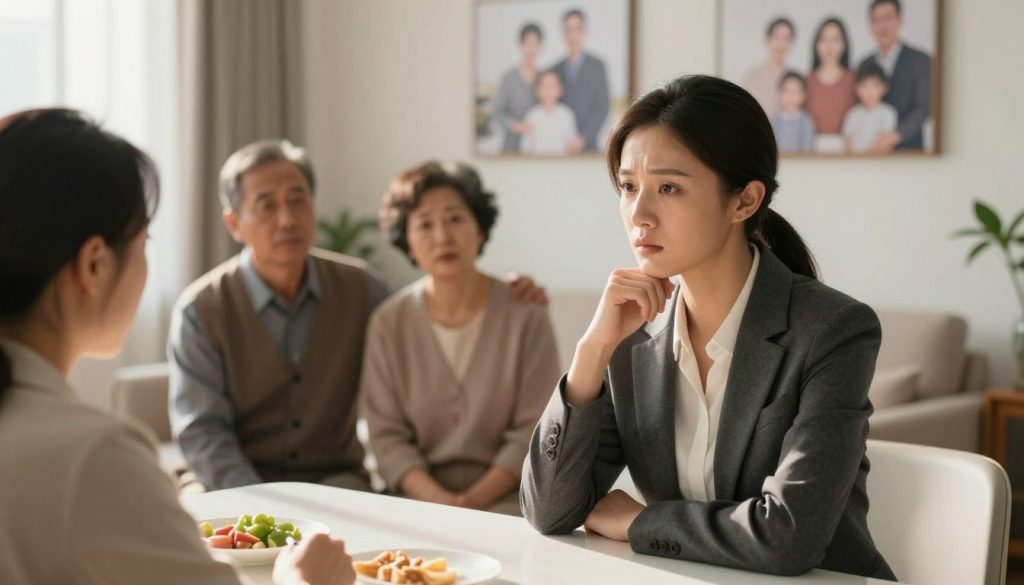
This social climate makes sharing a home a high-stakes decision. While it allows for intimacy, it also intensifies the demands from relatives to make the union official. Many people feel that if you are sharing a space, you should also be planning for children.
Maintaining Boundaries with Relatives
Meeting a partner’s family is a massive step that carries heavy weight in Chinese culture. An introduction to the mother is often seen as a near-guaranteed commitment to marriage. Since many women are very close to their mothers, the partner’s relationship with the mother-in-law often determines the success of the couple.
Some couples, like Liuliu and her boyfriend, choose a different path to maintain their peace. They avoid introducing each other to their families for a long time, even after living together for years. By keeping their domestic life private, they protect their relationship from the heavy weight of outside opinions and stay in control of their own lives.
Legal Consequences of Living Together Without Marriage
While sharing a home feels like a lifelong commitment, the Chinese legal system treats cohabiting couples very differently than married ones. Many people assume that domestic life naturally grants legal protection, but this is rarely the case. Understanding these rules helps you protect your future and your assets.
Moving in is a big step that changes your status in the eyes of the government. You might feel like a wife or husband, but without a formal marriage, you lack a legal marital bond. Attorney Chen Jie notes that the law does not recognize your union as a family unit.
What Chinese Law Protects (and Doesn't Protect)
The law in China provides very little protection for those who do not have a marriage certificate. Neither party is considered a legal spouse, which means there is no automatic right to financial support if you break up. The bond is purely social rather than legal.
One major risk involves the end of a relationship or the death of a partner. Even if you live together for decades, you have no automatic inheritance rights. if one person passes away without a specific will, the surviving partner has no legal claim to their savings or home.
Property Rights, Debts, and Inheritance Issues
Property rights follow a simple rule: what is yours remains yours. There is no community property for unmarried partners, regardless of how long the relationship lasts. You must keep clear records of who paid for what to avoid disputes later.
Debt responsibility is also strictly individual under the updated 2021 Civil Code. You are generally only responsible for debts that you personally incurred. This protects you from being held liable for your partner’s private loans or financial mistakes.
| Feature | Marriage Status | Cohabitation Status |
|---|---|---|
| Property Ownership | Community Assets | Separate Assets |
| Debt Responsibility | Often Shared | Always Individual |
| Inheritance Right | Automatic | Requires a Will |
How Cohabitation Differs from Marriage Legally
Legal fidelity is another area where the rules differ significantly. While marriage includes a legal expectation of faithfulness, there is no such requirement for partners. Infidelity does not carry the same legal weight in a separation as it might in a divorce settlement.
However, the law is very clear when it comes to children. Chinese law ensures that kids born outside of a marriage receive the exact same protections and support as those born to married parents. Both parents remain legally obligated to provide care and financial assistance.
Finally, domestic violence cases are handled with a different practical approach. Police often encourage married couples to reconcile for the sake of the family. In contrast, they are often more likely to detain an assailant when the parties are not legally married.
Practical Adjustments That Make or Break Cohabitation
Success in a shared home often hinges on how well two people handle the small, everyday tasks. Liuliu describes the early stages of living together as “磨” (mó), or a wearing-in process. This involves smoothing out the sharp edges of individual habits until both people fit together. It is a vital way to build a lasting foundation for the future.
Dividing Household Chores and Responsibilities
Many couples struggle when one person arrives unprepared for the reality of domestic duties. Liuliu felt deep frustration when her boyfriend acted more like a guest than an equal partner. He had been spoiled by his parents and roommates, which left him without basic home knowledge.
This dynamic often forces one person into a caretaking “mom” role that creates instant resentment. To avoid this, successful pairs negotiate a fair division of labor. This includes specific plans for cooking, cleaning, laundry, and taking out the trash.
| Strategy | Method | Core Benefit |
|---|---|---|
| Written Schedules | Assign specific days for chores | Eliminates “forgetting” tasks |
| Task Rotation | Switch roles like dishes and vacuuming | Prevents boredom and burnout |
| Strength Loading | Assign tasks based on personal skill | Increases efficiency and speed |
Managing Different Standards of Cleanliness
Conflict often arises when one person expects a spotless home while the other is comfortable with clutter. Maintaining a clean space throughout the day requires constant effort and mutual agreement. It is about respecting the shared environment to keep relationships healthy and free from petty arguments.
Learning Basic Life Skills Your Partner Expects
Learning how to work through daily tasks is essential for a balanced life together. This includes simple skills like frying an egg or understanding that monthly utilities cost real money. Some find unique rhythm in their routines, such as Xiaoyun, who cooks meals from scratch each night for A-Du.
While friends envy their delicious food photos, this arrangement only works when both people feel the balance is fair. Successful cohabitation requires both people to step up. You must contribute your fair share rather than expecting to be taken care of like a child. Shaping your habits takes time, but the effort makes the home a peaceful place for everyone.
Communication: Your Most Important Tool
While sharing a home involves many logistics, talking openly remains the most vital skill for any couple. In fact, healthy communication is more critical than the size of your apartment or your bank account. It is the primary tool that determines how you navigate every other challenge in your life together.
Moving from Mind-Reading to Direct Conversations
Many partners fall into the trap of expecting their significant other to read their minds. Liuliu, for instance, used to wait for her boyfriend to guess why she was upset, thinking it was romantic. She eventually realized he simply didn’t know, and switching to direct speech reduced their friction significantly.
Data suggests that 70% of people believe cohabitation actually improves their communication effectiveness. This way of being honest creates a deeper bond between every person involved. Instead of leaving passive-aggressive comments, successful couples learn to express their needs clearly and kindly.
| Approach | Expected Result | Actual Outcome |
|---|---|---|
| Mind-Reading | Romantic Understanding | Confusion and Resentment |
| Direct Talk | Conflict Resolution | Clarity and Trust |
Resolving Conflicts in Small Spaces
Living in tight quarters means you cannot easily run away from an argument. To keep the peace, use “I feel” statements to express your emotions without sounding accusatory. Addressing issues promptly prevents resentment from building up over a long time.
If the tension feels too high, try taking a brief cooling-off walk outside. This kind of proactive behavior allows both people to feel heard and respected before the discussion continues. Avoid bringing up multiple old grievances or comparing your partner to others during these vulnerable moments.
Setting and Respecting Boundaries
Even when you share a bed, you still need your own world to remain happy. Successful couples like Xiaoyun and A-Du maintain a tranquil relationship by respecting each other’s boundaries. They do not show excessive possessiveness and allow each other plenty of autonomy within the home.
Relationships thrive when both individuals have space for personal hobbies and friendships outside the couple. Respecting physical and emotional boundaries ensures that living together feels like a choice rather than a cage. Always prioritize openness and mutual respect to build a lasting domestic partnership.
Building a Partnership That Lasts
Living together is often a test of endurance and compatibility. For many in modern China, a lasting bond is defined by daily choices rather than a legal document. Success comes from active commitment rather than just following traditional social scripts.
Maintaining Individual Identity and Independence
It is easy for partners to lose themselves when sharing a small apartment. Building a life together should not mean giving up your personal hobbies or career goals. Successful long-term cohabitants prioritize their own growth alongside the relationship.
Maintaining separate friendships and interests makes the time spent together more meaningful. When two whole individuals come together, they create a much stronger foundation. This independence prevents the burnout that often comes from being overly merged.
Deciding Whether Marriage Is Your Next Step
For some, cohabitation is a trial run before getting married. Others find that the lack of a certificate does not change the depth of their devotion. Deciding whether to find a spouse is a deeply personal choice that depends on values and past experiences.
Some couples stay together for years without ever signing a legal contract. They choose to stay because they want to, not because they are legally bound. This daily choice can foster a deep sense of mutual respect and long-term stability.
Real Stories: What Works for Long-Term Cohabiting Couples
Real-life examples show that there is no single path to happiness. Consider A-Du and Xiaoyun, who have lived together for over ten years. Although Xiaoyun once wanted a wedding, she now feels that their current bond is perfect as it is.
“The certificate means little to us now. We have no regrets about our path.”
— Xiaoyun
Others, like Big Ice, choose cohabitation after a failed marriage. She has a young daughter with her current partner but refuses to legally bind herself again. Meanwhile, Liuliu and her boyfriend prefer to keep things “pure” by avoiding family introductions and child-rearing altogether.
| Couple | Time Together | Stance on Marriage |
|---|---|---|
| A-Du & Xiaoyun | 10+ Years | Unnecessary; content without it |
| Big Ice & Partner | 4 Years | Refusal; prefers independence after divorce |
| Liuliu & Boyfriend | 4 Years | No plans; values personal “purity” |
Ultimately, a future spouse is not a requirement for a fulfilling life. What matters is alignment on major decisions and maintaining mutual respect. By focusing on these elements, you can build a partnership that lasts a lifetime.
Conclusion
Living together before marriage has become the new normal for a generation navigating the intersection of tradition and modern life. Over 70% of young Chinese in cities now choose to live together before they get married. This shift shows how people are moving away from older customs to find a modern version of romance.
Transitioning from dating to a shared home brings real tests like managing small spaces and money. Many women and men face family pressure from a father while balancing a job. However, this experience often leads to better communication and a deeper understanding of a future spouse.
Success requires a balanced mind and hard work to maintain your own identity after years of partnership. Whether you are a guy living with a girlfriend or a person with a wife, setting boundaries is essential. Every girl in a relationship must learn to share chores every day.
This article highlights that building a stable home in this country is possible when people prioritize love. Whether you eventually have a child or stay independent, the kind of bond you create matters most. We invite your comments on how guys and girls can thrive while getting married or staying as partners for another year. Women who navigate dating carefully can build a marriage that lasts.