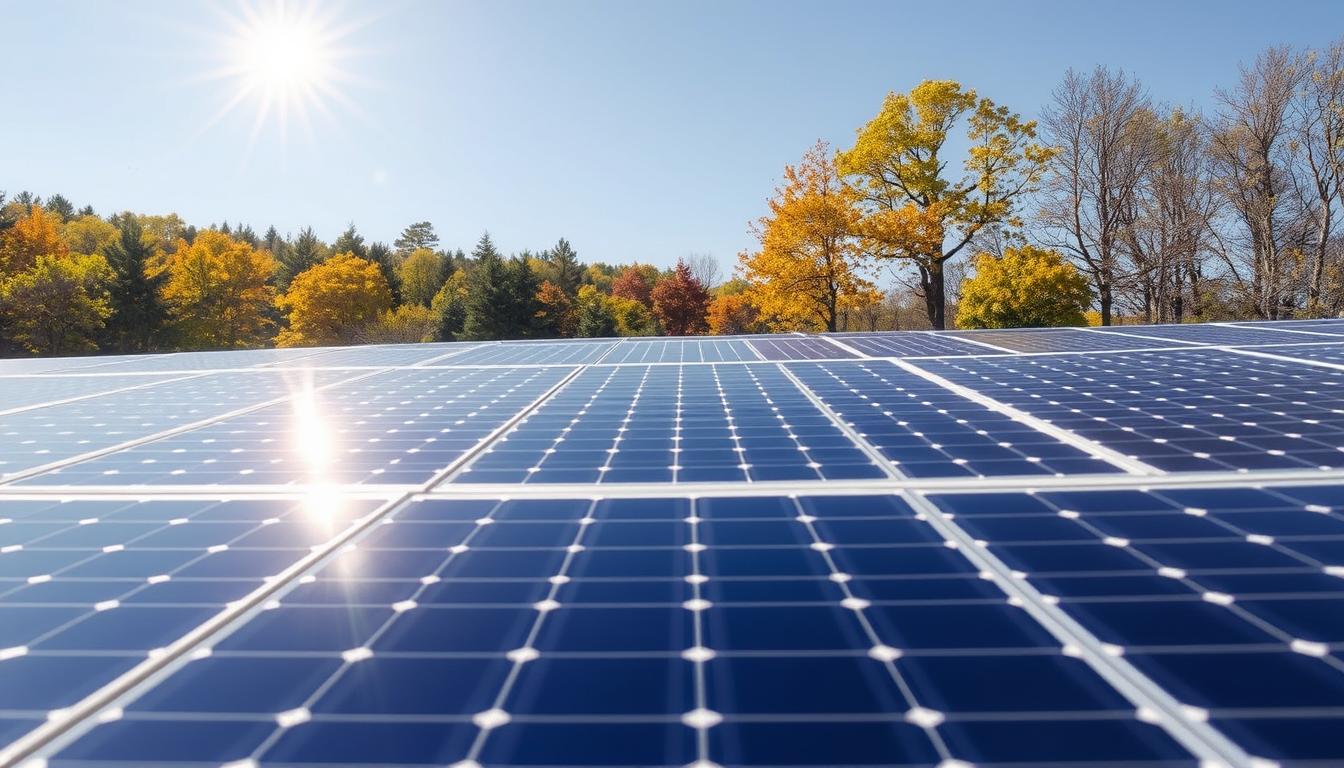
What if your renewable energy system could work smarter, not harder, through every season? While many assume panels automatically deliver peak performance, the truth is more nuanced. Weather patterns and shifting daylight hours create dramatic swings in electricity generation – but with smart planning, you can turn these challenges into opportunities.
Modern systems are designed using historical weather data and performance analytics to predict seasonal needs. Summer brings intense sunlight but also higher cooling demands, while winter often requires creative solutions to offset shorter days. The key lies in understanding how factors like panel angle and reflective surfaces impact daily output.
Advancements like bifacial panels that capture light from both sides, or tracking systems that follow the sun’s path, help maintain consistent production. Pairing these technologies with energy storage creates a resilient setup that smooths out seasonal dips. By analyzing a full year’s utility statements, homeowners gain insights to fine-tune their setup for maximum savings.
Key Takeaways
- Weather patterns directly affect electricity generation and household needs
- Modern panel designs outperform traditional models in low-light conditions
- Energy storage solutions help bridge seasonal production gaps
- Annual performance reviews reveal optimization opportunities
- Strategic upgrades can increase yearly savings by 18-34%
Understanding Seasonal Solar Production Factors
Four invisible forces shape your energy harvest every month. While panels work year-round, their output fluctuates based on nature’s clock. Let’s decode what makes your system sing in July and whisper in January.
Sun Angle and Altitude
Summer sun beams directly onto panels like a laser pointer, while winter light arrives at a shallow angle. This difference causes 40-60% less energy generation in December compared to July. Higher solar altitude during warm months means more photons hit your system head-on.
Daylight Hours
Longer June days give panels 15+ hours of potential generation time. By December, this window shrinks to 9 hours in many regions. Those extra morning and evening minutes add up – 65% of annual output happens between March and September.
Weather Patterns
Cloudy skies filter sunlight, reducing output by 10-25% per day. Rain cleans panels but cuts immediate production. Snow? It’s a double-edged sword – reflective but potentially blocking cells until melted.
Temperature
Cooler days actually boost panel efficiency by 3-5% compared to scorching afternoons. However, heavy snow accumulation can temporarily halt generation completely. It’s a delicate balance between crisp air benefits and precipitation challenges.
By tracking these patterns, you’ll spot opportunities to tweak your setup. Remember – every climate has unique advantages waiting to be harnessed!
Designing an Efficient Solar System for Year-Round Efficiency
Smart design choices turn shifting sunlight into reliable power every month. Three critical elements work together to squeeze maximum value from every sunbeam: strategic placement, advanced tech, and intelligent energy management.
Panel Orientation and Tilt
South-facing setups capture 15-25% more energy annually in northern regions. The ideal tilt often matches your latitude – 33° in Phoenix versus 45° in Minneapolis – but seasonal adjustments boost winter gains. A 10° winter increase improves low-angle light capture by 18%.
Panel Technology
Modern units convert 22% of sunlight into usable electricity versus 15% for older models. Bifacial designs grab reflected light from snow or light-colored roofs, adding 9% winter output. These upgrades prove crucial in cloudy areas where every photon counts.
Microinverters vs. String Inverters
Microinverters let each panel operate independently – shaded units don’t drag down the whole system. String setups cost less initially but struggle with uneven conditions. Real-time monitoring spots underperforming panels quickly, preventing seasonal surprises.
Your local climate dictates the best mix. Snowy areas benefit from steep tilts and microinverters, while sunny regions might prioritize high-efficiency panels. The right configuration keeps your lights on through every solstice and storm.
Home Solar and Seasonal Variation: Strategies for Improvement
Transform seasonal hurdles into energy opportunities with smart tweaks to your setup. Small changes in panel care and positioning can boost year-round production by up to 19%. Let’s explore practical upgrades that keep your system humming through every weather pattern.
Seasonal Tilt Adjustments
Angling panels 10-15° steeper in colder months captures 22% more low-hanging sunlight. This simple shift compensates for the sun’s lower path while letting snow slide off naturally. Portable mounting systems make these adjustments tool-free in minutes.
| Season | Optimal Tilt | Energy Gain |
|---|---|---|
| Summer | Latitude -15° | Peak production |
| Winter | Latitude +25° | +18% output |
Snow Management
While heavy accumulation blocks light, thin layers let through 35% of potential energy. Resist scraping – panels shed snow faster when slightly warm. For stubborn buildup, use soft roof rakes only on ground-mounted units.
Shade Management
Trim tree branches by late fall before leaf drop shadows lengthen. Install panels 3+ feet from evergreens to prevent winter shading. Annual vegetation checks maintain clear sightlines to the sky.
Monitoring and Maintenance
Track production dips through your system’s app – sudden drops signal needed cleanings. Schedule professional inspections every 18 months to tighten connections and test inverters. Rain handles most grime, but spring pollen requires gentle rinsing.
These proactive steps help balance energy consumption across seasons. Remember – consistent care turns temporary weather changes into long-term savings.
Managing Energy Storage and Grid Optimization
Your power strategy needs two smart partners working in harmony. Storage solutions stockpile surplus electricity for cloudy days, while grid connections turn temporary shortages into manageable blips. Together, they transform unpredictable weather patterns into predictable savings.
Battery Storage Systems
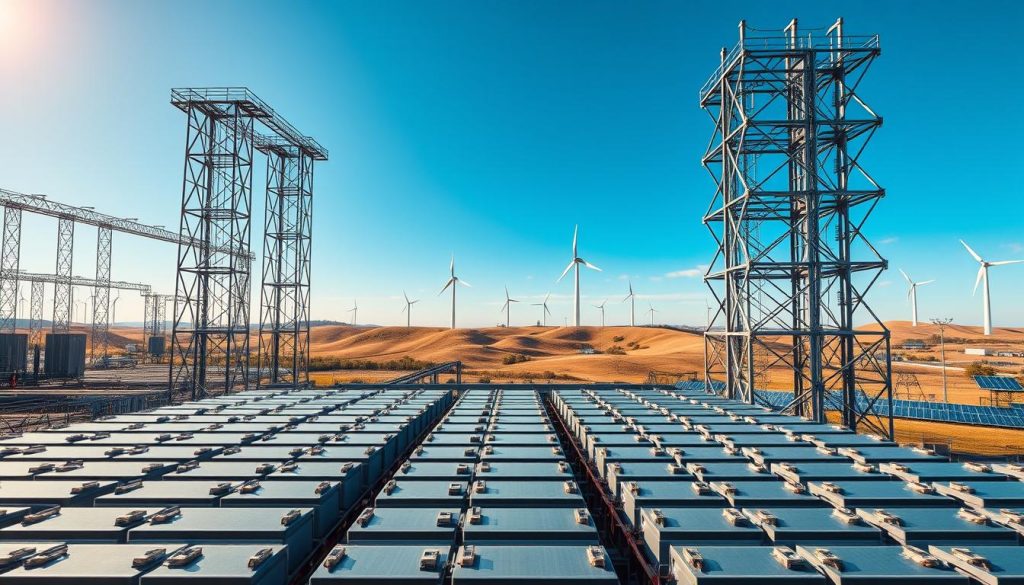
Modern lithium-ion units like BARANA’s models maintain 95% efficiency in freezing temperatures – 25% better than standard options. These units capture excess summer production, releasing it during winter’s peak consumption hours. Proper sizing matters: a 10 kWh system typically offsets 65% of winter deficits in mid-Atlantic states.
“Smart algorithms shift stored energy to high-rate periods, slashing grid dependence by 35% during price surges”.
| Storage Type | Capacity | Best For |
|---|---|---|
| Lithium-Ion | 5-20 kWh | Daily cycling |
| Pumped Hydro | 24,000 MWh | Regional grids |
| Flow Batteries | 100+ kWh | Commercial use |
Net Metering and Feed-in Tariffs
Most utility companies offer credit programs for excess production. For every kilowatt-hour sent back to the grid, you earn bill credits that offset winter purchases. In Arizona, participants reduce annual electricity costs by 42% through strategic exports.
Dynamic throttling prevents grid overload during peak exports. This tech adjusts output based on real-time energy prices and neighborhood demand. Combined with storage, it creates a self-regulating system that maximizes every sunbeam’s value.
Embracing Future Trends in Solar Technology
The next wave of clean energy breakthroughs is rewriting the rules of rooftop power. Cutting-edge innovations now tackle historical limitations, turning yesterday’s sci-fi concepts into today’s installation-ready solutions.
Emerging Technologies and Innovations
Bifacial panels now harvest light from both sides, boosting energy production by 27% compared to traditional designs. These dual-surface units excel in snowy regions where ground reflections amplify winter output. Meanwhile, nanotechnology-enhanced cells absorb 40% more sunlight without increasing panel size – a game-changer for urban spaces.
Dynamic inverters automatically adjust to shifting weather patterns. One industry leader notes: “Smart systems now predict cloud movements, rerouting power flows before shadows even hit the panels”. This real-time adaptation minimizes summer-to-winter performance gaps better than static setups ever could.
- Ultra-thin solar films: Bend around curved surfaces while generating 88% of standard panel output
- Self-cleaning coatings: Reduce maintenance costs by 65% through hydrophobic surfaces
- AI-driven analytics: Optimize energy storage decisions using weather forecasts and usage patterns
Recent breakthroughs in material science promise even bigger leaps. Perovskite-silicon tandem cells recently smashed efficiency records, converting 47% of sunlight into usable energy. These multi-layer designs perform exceptionally well under low-light conditions – perfect for cloudy winters.
| Technology | Efficiency Gain | Seasonal Benefit |
|---|---|---|
| Bifacial Panels | +27% Annual Output | Winter Reflection Boost |
| Smart Inverters | +19% Cloudy Days | Summer Storm Recovery |
| Tandem Cells | 47% Conversion Rate | Year-Round Stability |
As these technologies mature, homeowners gain systems that automatically compensate for environmental changes. The future shines bright – literally – for those ready to harness these advancements.
Adapting to Weather Variability and Changing Consumption
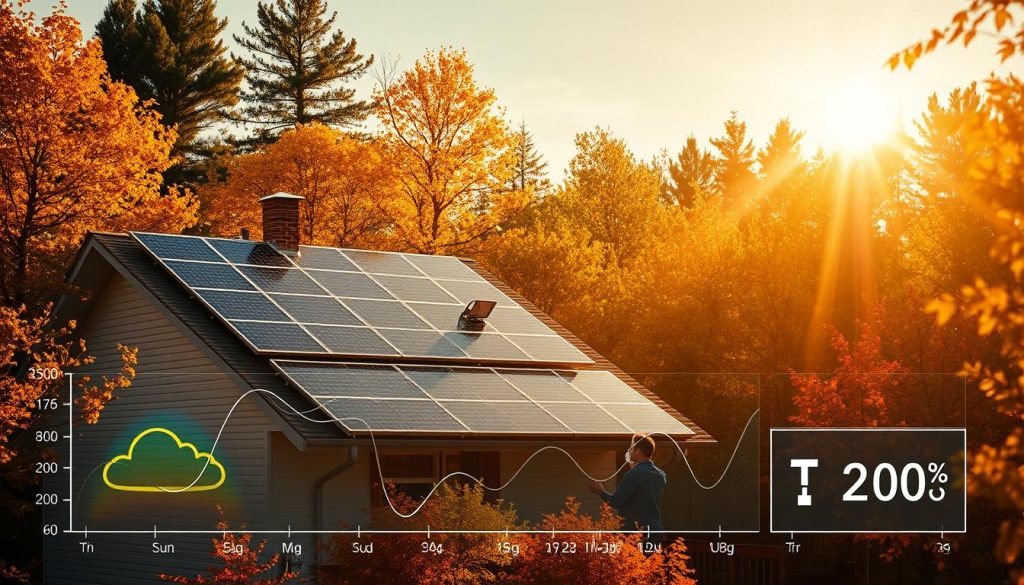
Ever noticed how your lights flicker during a storm? Weather doesn’t just affect your picnic plans—it directly influences how much power your panels produce. Cloudy skies can slash daily generation by 25%, while unexpected storms might cut output completely for hours.
Understanding Weather Impacts
Sunny mornings might give way to afternoon thunderstorms, creating unpredictable energy patterns. Studies show diffuse light during overcast days still provides 40% of potential output. The key? Check forecasts nightly and program smart devices to conserve electricity when storms loom.
Seasonal Energy Consumption Patterns
Winter brings a double challenge: panels make less power while households use 35% more energy for heating. Holiday gatherings amplify this effect—homes with guests consume 18% extra electricity during December.
Try these balancing acts:
- Run dishwashers at noon when winter sun is strongest
- Preheat homes before sunset during cold snaps
- Use smart plugs to limit phantom loads on cloudy days
Track monthly usage trends through your utility app. Spot a 10%+ jump? It might be time to adjust thermostats or seal drafty windows. With smart habits, you’ll ride out every weather surprise while keeping bills predictable.
Optimizing Utility Savings Through Seasonal Analysis
Your monthly bills tell a story – learn to read between the kilowatt-hours. Summer’s surplus often hides winter’s deficit, but strategic planning turns this imbalance into year-round savings. Let’s decode your energy statements like a financial detective.
Aligning Production with Rate Structures
Peak summer electricity rates often match your system’s highest output. In California, this alignment creates credits covering 78% of winter bills. Review your utility’s time-of-use periods – shifting laundry loads to sunny afternoons boosts savings by 18%.
Track monthly production against usage patterns. A 5kW system generates 25kWh daily in June (5 sun hours × 5kW), but only 15kWh in December. Smart thermostats can automatically shift heating/cooling to match these rhythms.
| Season | Avg. Rate | Credit Value |
|---|---|---|
| Summer | $0.32/kWh | 1.5x winter value |
| Winter | $0.18/kWh | Direct bill offset |
Three steps to maximize net metering:
- Compare bills with inverter data monthly
- Program appliances during high production windows
- Bank summer credits for holiday lighting spikes
Remember: The grid becomes your battery when rates favor exports. One Arizona homeowner slashed annual costs by 63% through strategic timing. Your system’s true value lies not just in watts made, but when they’re traded.
Conclusion
Harnessing the sun’s power requires both smart tech and seasonal savvy. While panels still generate energy year-round, their output dances with nature’s rhythms – longer summer days balance winter’s crisp efficiency gains. Arizona’s 286 sunny days prove location matters, but proper tilt adjustments can boost any system’s performance by 18%.
Three factors rule your energy harvest: direct sunlight angles, local weather patterns, and temperatures. Cooler days enhance panel efficiency, while strategic storage bridges shorter daylight hours. Reviewing electricity use throughout the year reveals optimization chances – like timing appliance use with peak power production.
New tracking systems and battery tech smooth seasonal changes, turning bill worries into predictable savings. With 63% annual cost reductions possible through grid partnerships, now’s the time to audit your setup.
Ready to maximize every sunbeam? Check panel angles before solstices, monitor output monthly, and explore storage options. Your future self will thank you when days grow short but savings stay strong.

