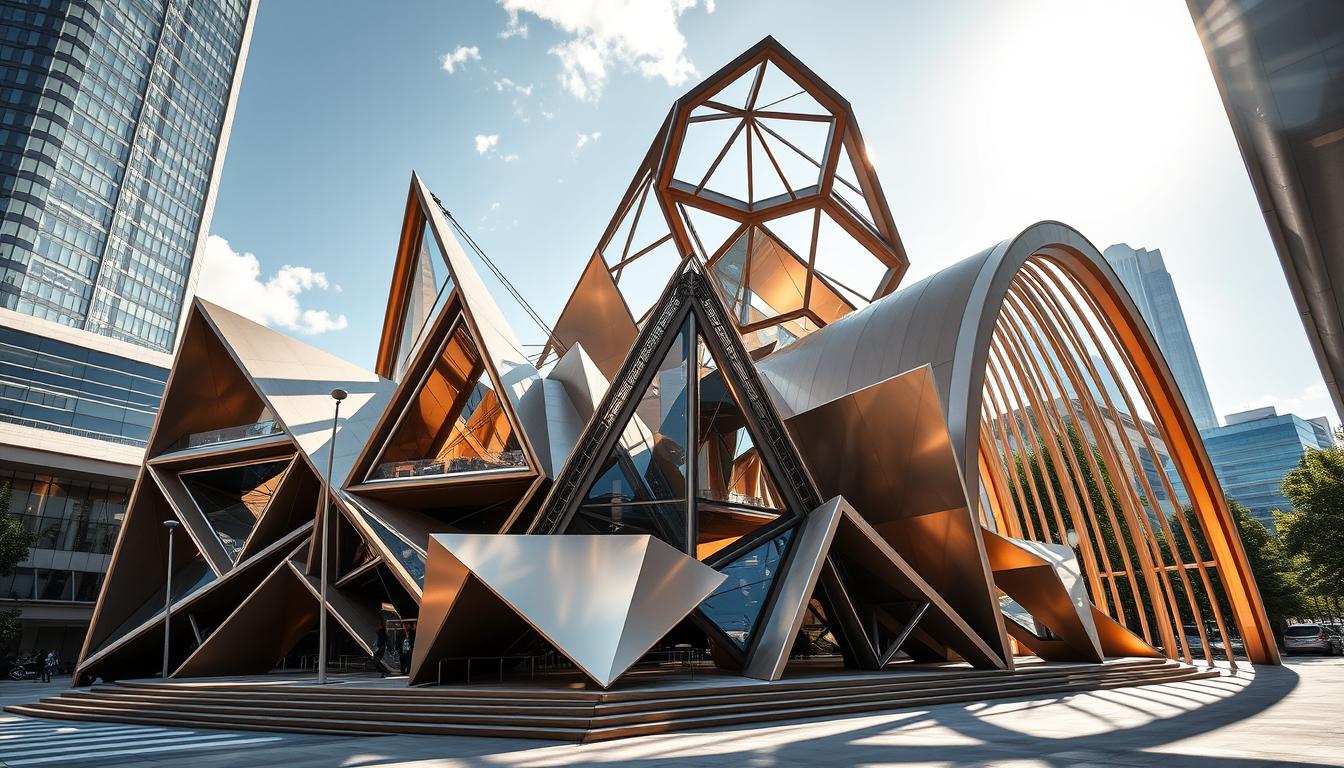
The shape of a building is its secret weapon. The right geometry can make a skyscraper stand tall against the wind or a bridge stretch across a vast expanse. From the elegant arch of a cathedral to the sturdy triangle supporting a roof, geometry empowers architects to create structures that are both beautiful and enduring.
It’s the secret to unlocking strength, stability, and longevity in any construction, whether it’s a grand bridge or a cozy home.
Key Takeaways
- Structural shapes, such as beams, columns, and trusses, are the foundation of any construction project.
- The geometry of these shapes, including their cross-sectional profiles and load-bearing capabilities, directly impacts the strength and stability of a structure.
- Understanding the relationship between geometry and structural integrity is crucial for designing safe, durable, and efficient buildings and infrastructure.
- Engineers and architects must carefully consider the geometric properties of structural elements to ensure their projects can withstand the forces of nature and the demands of modern life.
- Advancements in materials science and computational design are constantly expanding the possibilities for innovative structural shapes and their applications.
Understanding Structural Shapes
Structural shapes are vital in construction and engineering. They ensure buildings and bridges are strong and stable. These shapes, with specific geometric forms, are the foundation of many structures.
They help architects and engineers create sturdy buildings. These structures can handle gravity, wind, and other environmental pressures. They make infrastructure safe and durable.
Defining Structural Shapes
Structural shapes are pre-fabricated steel sections with specific geometric configurations designed to carry loads and provide support in construction and other applications. These shapes are produced through processes like hot rolling, cold rolling, or welding, and they come in a variety of standardized forms, each with unique properties and applications.
The Role of Geometry in Design
Geometry in structural shapes is very important for design. It’s not just about looks. The shape’s geometry affects how well it can handle loads and forces.
That’s why engineers use these shapes to make buildings stronger. They can create amazing structures by understanding shape, strength, and stability. This knowledge helps them push construction limits.
“The geometry of a structural shape is not merely a matter of aesthetics, but a critical factor in determining its strength and stability.”
Applications of Structural Shapes
Structural shapes are incredibly versatile, finding applications in a wide range of construction and engineering projects. Their diverse forms and properties make them suitable for everything from towering skyscrapers to intricate bridges.
Here are some of their many applications:
1. Building Construction:
- High-rise Buildings: I-beams, H-beams, and hollow structural sections (HSS) form the skeleton of skyscrapers, providing the necessary strength and stability to withstand wind loads and gravity.
- Industrial Buildings: The open spans and load-bearing capacity of structural shapes are ideal for warehouses, factories, and other large industrial structures.
- Residential Construction: Lighter structural shapes like C-channels and Z-shapes are commonly used for wall framing and floor joists in residential buildings.
2. Infrastructure:
- Bridges: I-beams, box girders, and trusses are essential for bridge construction, enabling long spans and supporting the weight of vehicles.
- Tunnels: Structural shapes reinforce tunnel walls and ceilings, ensuring stability in underground environments.
- Towers and Masts: Angles and channels provide support for communication towers, transmission towers, and other tall structures.
3. Transportation:
- Ships: Structural shapes form the hull and internal framework of ships, providing strength and buoyancy.
- Railroad Cars: Heavy-duty structural shapes are used in the construction of railroad cars to withstand the stresses of transport.
- Aircraft: While less common now, certain aircraft components historically utilized structural shapes for their strength-to-weight ratio.
4. Industrial Equipment:
- Cranes and Hoists: Structural shapes provide the framework for cranes and hoists, enabling them to lift and move heavy loads.
- Manufacturing Equipment: Structural shapes are used in the construction of various manufacturing equipment, providing support and stability.
5. Other Applications:
- Stadiums and Arenas: Large-span roof structures often rely on trusses and other structural shapes to cover vast areas.
- Sculptures and Art Installations: Some artists and sculptors utilize structural shapes to create unique and visually striking works of art.
This versatility highlights the importance of structural shapes in modern society, enabling the construction of the infrastructure and buildings that support our daily lives.
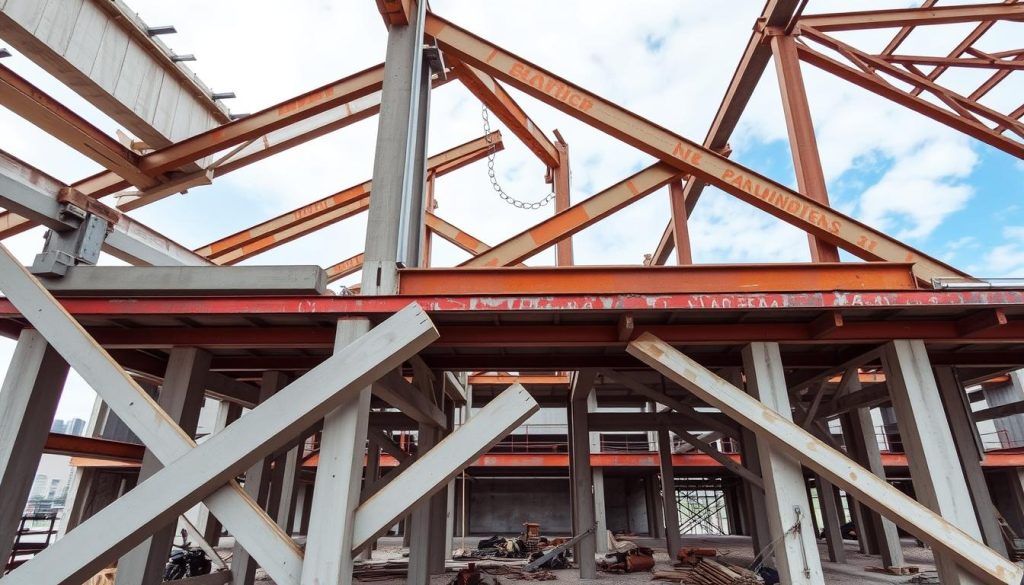
“The geometry of structural shapes is not merely a matter of aesthetics – it is the foundation upon which the built environment is constructed.”
Exploring Common Structural Shapes
Structural shapes are the fundamental components that give buildings their strength, stability, and form. They are the skeletal framework upon which walls, floors, and roofs are built. These shapes, meticulously designed and engineered, ensure that structures can withstand various forces, from gravity and wind loads to seismic activity.
Here are some of the most common types:
- I-beams: Resembling the letter “I” in cross-section, these beams are workhorses in construction. The two horizontal flanges at the top and bottom resist bending, while the vertical web in between provides shear strength. I-beams are exceptionally efficient at carrying heavy loads across long spans, making them ideal for supporting floors, roofs, and bridges.
- Rectangles: Rectangular shapes, like those found in steel tubes or concrete columns, offer versatility in design and construction. They can be used as columns to support vertical loads, beams to span openings, or combined to create complex frameworks. Their simple geometry makes them easy to manufacture and connect, contributing to their widespread use.
- Triangles: Nature’s strongest shape, the triangle is inherently stable due to its rigid geometry. Any force applied to a triangle is distributed evenly along its sides, making it resistant to deformation. Triangles are often used in trusses, which are lightweight yet strong structures composed of interconnected triangular units. Roof trusses, for example, efficiently distribute the weight of the roof and any overlying snow or wind loads.
- Angles: L-shaped in cross-section, angles are commonly used for structural support and bracing. They can be used to connect beams and columns, reinforce corners, or provide stability to walls. Their versatility and ease of fabrication make them a valuable component in many construction projects.
- Channels: C-shaped in cross-section, channels are similar to I-beams but with a wider flange on one side. They are often used for structural support, framing, and bracing. Their unique shape makes them suitable for applications where a flat surface is needed for attachment or support.
Engineers carefully select and combine these shapes, and others like circular hollow sections and wide flange beams, to create a robust and efficient structural system for each building.
Factors like the building’s height, purpose, and local environmental conditions all influence the choice of shapes and their arrangement. The result is a framework that safely supports the building and its occupants for generations to come.
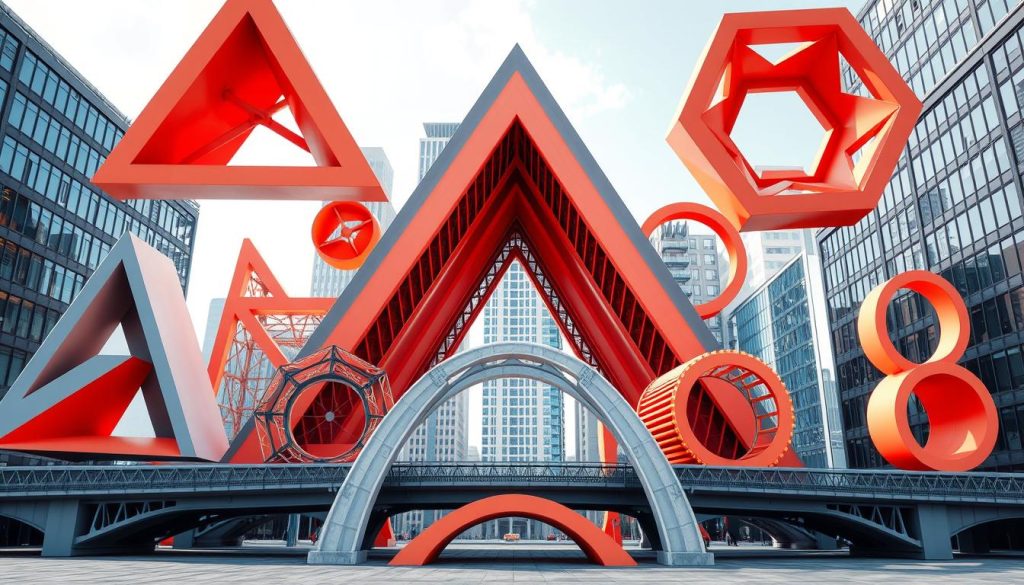
“The strength of a structure lies not only in the materials used but also in the geometric forms that define its shape.”
Building on the Strength of Shapes
Ultimately, the strength of shapes reflects the ingenuity of humankind. By harnessing the inherent power of geometry, we have pushed the boundaries of what is possible, creating structures that defy gravity and withstand the forces of nature.
From the everyday structures that shelter us to the iconic landmarks that define our cities, structural shapes and their underlying geometric principles are a testament to human creativity and our relentless pursuit of innovation.
This understanding will continue to guide us as we shape the world around us, building a future where form and function unite to create enduring and awe-inspiring structures.

