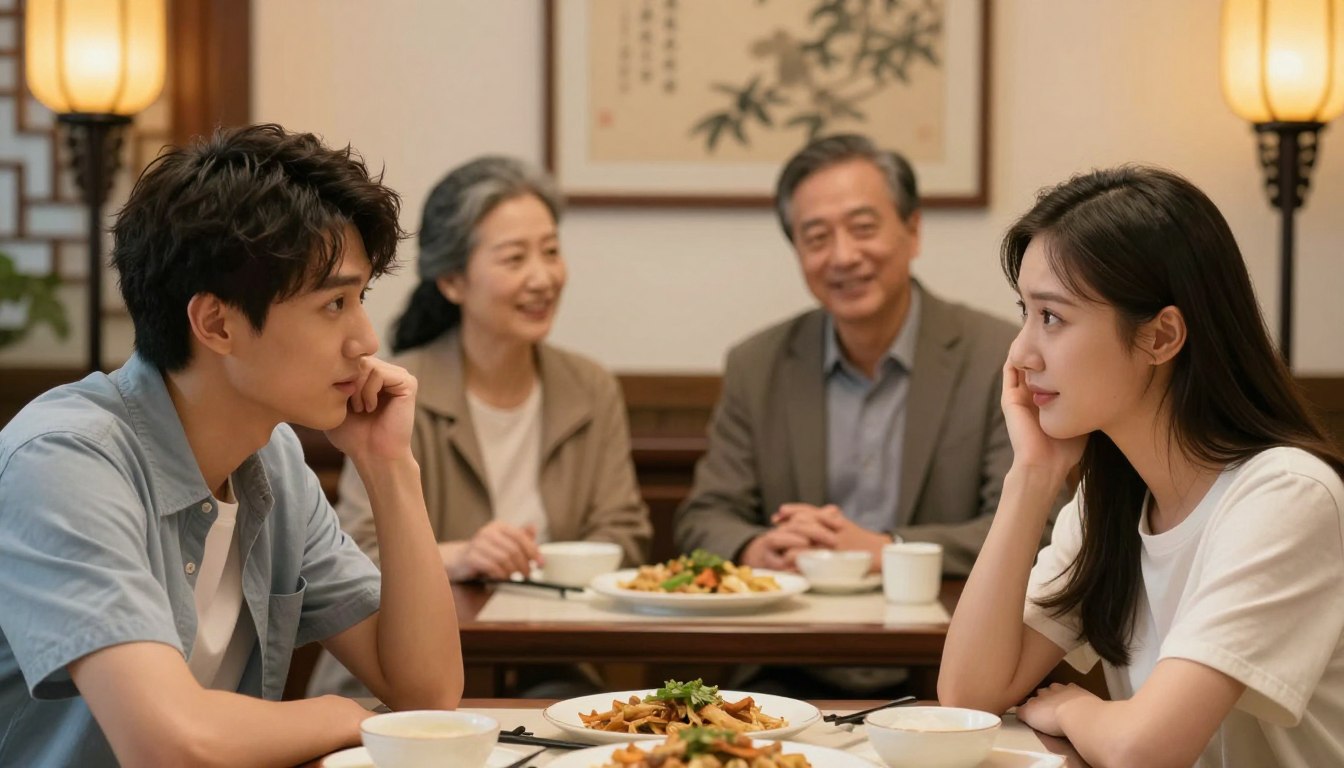
Here’s the thing: When you commit to a person from this cultural background, you’re also committing to their entire circle of relatives.
Romantic connections here extend far beyond two people. They involve multi-generational networks that deeply shape courtship and major life decisions.
Understanding these dynamics is not just helpful—it’s essential. Whether you’re from this heritage or are dating someone who is, grasping these values is key to a thriving partnership.
Gaining acceptance from your partner’s loved ones is often the determining factor. It can be the difference between a relationship that flourishes and one that faces constant hurdles.
This guide is here to help. We’ll provide practical insights drawn from real experiences. You’ll learn how to navigate expectations and build strong, harmonious bridges with your significant other’s kin.
Key Takeaways
- Romantic relationships often involve the entire network of relatives, not just the couple.
- Cultural understanding is a fundamental requirement for long-term success.
- Acceptance from parents and elders can significantly influence a partnership’s future.
- Traditional values and modern romance must find a balance.
- Practical strategies can help you build trust and rapport with your partner’s kin.
- A supportive, informed approach turns potential obstacles into opportunities for connection.
Understanding the Role of Family in Chinese Dating
Imagine a relationship where your partner’s relatives are as invested in your future as you are. This is the core reality for many couples within this cultural heritage. A lasting union is seen as a merger between two entire families.
Your bond with your significant other’s parents and kin can be as crucial as your romantic connection. This perspective stems from ancient Confucian principles that prioritize collective harmony.
The Significance of Marrying into a Family
When you commit to a person from this background, you are joining their whole circle. This isn’t just symbolic. It’s a practical framework that guides major life choices.
Real-world examples abound. On a popular TV matchmaking show, a young man asked his aunts to find him a pretty wife. They overruled his wish, insisting, “His wife must be hardworking, hardworking!”
This highlights how collective priorities often come first. The search for a spouse evaluates a potential member’s fit into an existing structure.
Cultural Roots and Filial Piety
Filial piety is a cornerstone value. It obligates children to honor their parents’ wishes in major decisions, including marriage. This belief system creates a partnership culture distinct from Western individualism.
The involvement of kin reflects genuine concern for long-term happiness. The practical view is that compatibility between families predicts marital success more reliably than passionate love alone.
| Aspect | Western Individualistic Perspective | Chinese Collectivist Perspective |
|---|---|---|
| Primary Focus | The couple’s happiness and personal fulfillment. | The harmony and stability of the extended families. |
| Decision-Making | Primarily led by the individuals in love. | Often involves consultation with, and deference to, parents and elders. |
| Key Value | Personal autonomy and romantic choice. | Filial duty, respect, and family responsibility. |
| Long-term Goal | A sustainable partnership between two people. | A successful alliance that strengthens both family networks. |
Embracing Family Approval China Dating
The journey toward marriage often involves a critical checkpoint: gaining the blessing of your partner’s parents. This step is deeply rooted in cultural values where a union represents joining an entire network of relatives.
https://www.youtube.com/watch?v=E-Y4t7NiEFs
Their consent is rarely just a formality. Many individuals feel a strong duty to honor their parents’ wishes, guided by filial piety. This sense of obligation can outweigh personal romantic feelings.
Why Parental Approval Is Crucial
Without this support, couples may face practical hurdles. Financial help for a wedding or a home might be withheld. Ongoing tension can strain even the strongest bond over time.
Adult children, even in their 30s and 40s, often seek their parents’ input. This isn’t about dependence. It’s about respect for their elders’ experience and a desire for familial harmony.
Disapproval places immense emotional weight on a partner. They may feel torn between loyalty to their kin and love for their significant other. This stress can affect the relationship’s quality.
Parents see their involvement as a responsibility. They want to ensure their child’s future stability and happiness. Building bridges with them is key to a thriving partnership that benefits both families.
Navigating Inter-Generational Dynamics
Modern relationships must often reconcile deeply held traditions with contemporary ideals. This creates a unique dynamic where love is viewed through different lenses.
Each generation brings its own expectations to the table. Bridging this gap requires patience and understanding from everyone involved.
Balancing Modern Love and Traditional Values
Many young people today seek partners for emotional connection and shared life goals. They value personal choice and compatibility above all else.
This modern perspective can clash with a more traditional culture. Elders often prioritize stability, reputation, and practical support for the long term.
In recent years, rapid changes in society have widened this gap. Economic pressures add new layers of complexity to an old conversation.
Over time, young people have gained more exposure to global ideas. This shapes their desires for partnership in profound ways.
| Traditional Priorities (Elders) | Modern Desires (Young People) |
|---|---|
| Core Focus: Long-term security and family harmony. | Core Focus: Personal fulfillment and emotional intimacy. |
| Key Partner Criteria: Financial stability, strong family background. | Key Partner Criteria: Shared values, mutual respect, and life compatibility. |
| Underlying Goal: A stable alliance that strengthens the wider family network. | Underlying Goal: A supportive partnership that enables individual growth. |
Finding common ground is key. Open, respectful dialogue helps each side appreciate the other’s concerns. This turns potential conflict into a foundation for a stronger bond.
Exploring Insights from Chinese Dating Shows
Across China, a fascinating social ritual unfolds every weekend in public parks, driven by parental concern. This real-world activity is mirrored and amplified by popular television programs. Together, they offer a clear window into how mate selection often works.
Reality TV and Real-Life Family Influence
Dragon TV’s hit show “Chinese Dating with the Parents” puts theory into practice. In each episode, parents interview potential matches while their own adult children watch from soundproof rooms.
The format is revealing. Elders openly prioritize a strong work ethic and stable character over mere physical appeal. The children’s absence during critical talks highlights where the real power often lies.

Lessons Learned from Matchmaking Corners
This TV dynamic plays out live in places like Chongqing’s People’s Park. On weekends, parents gather to advertise their sons and daughters. They treat finding a partner like a detailed transaction.
Listings specify height, job, income, and home ownership. One frequent visitor, Shen Zaicheng, notes the high bar. “Women’s families expect men to have a car and a house, to be tall and handsome,” he explains.
A major demographic shift fuels these demands. With millions more young men than women, the latter and their kin hold significant leverage. Ironically, these parks are filled with anxious parents but very few young people themselves.
| Aspect | TV Show Matchmaking | Park Matchmaking |
|---|---|---|
| Setting | Studio, televised for national audience | Public park, local and weekly gathering |
| Primary Actors | Parents and candidates on stage | Parents representing their children |
| Selection Criteria | Work ethic, family background, character | Material assets (car, house), education, height |
| Youth Involvement | Present but isolated (soundproof room) | Mostly absent; profiles are presented by parents |
Understanding Economic and Social Pressures
Economic pressures have quietly rewritten the rules for when and how people marry. For many young adults, the dream of partnership is delayed by the harsh reality of their bank accounts.
Financial stability is now a primary gatekeeper for serious commitment.
Impact of Financial Stability on Marriage Decisions
Consider the typical budget. A young person might earn 4,000 to 6,000 RMB a month. After paying 1,000 RMB for a basic rental, plus food and transport, savings vanish.
This makes buying a house or a car seem like a distant fantasy. These are items often expected before a union can proceed.
The job market adds another layer of stress. For those aged 16 to 24, unemployment hit 20.4% in one recent year.
With over 11 million new graduates entering the workforce annually, secure positions are scarce. Without a stable job, building a future feels impossible.
This is why parents focus so intensely on finances. They see property as essential security for their daughters.
For men, owning a home demonstrates the ability to provide long-term stability. Personal qualities often take a back seat to this practical concern.
| Traditional Expectation | Current Economic Reality |
|---|---|
| Stable job by a certain age | High youth unemployment and intense competition |
| Savings for a wedding & home down payment | Monthly wages barely cover rent & necessities, leaving little to save |
| Man provides a car and house | Asset prices soar while income stagnates |
| Marriage in mid-to-late 20s | Many delay or avoid marriage entirely due to cost |
The three-year pandemic period made things worse. It erased benefits and froze wages while costs rose.
This squeeze pushes marriage further out of reach. It explains why material standards remain high, especially when women have demographic advantages.
Managing Expectations: Family and Partner Criteria
The search for a spouse often transforms into a meticulous audit conducted by potential in-laws. Specific benchmarks must be met before a romance can even begin.
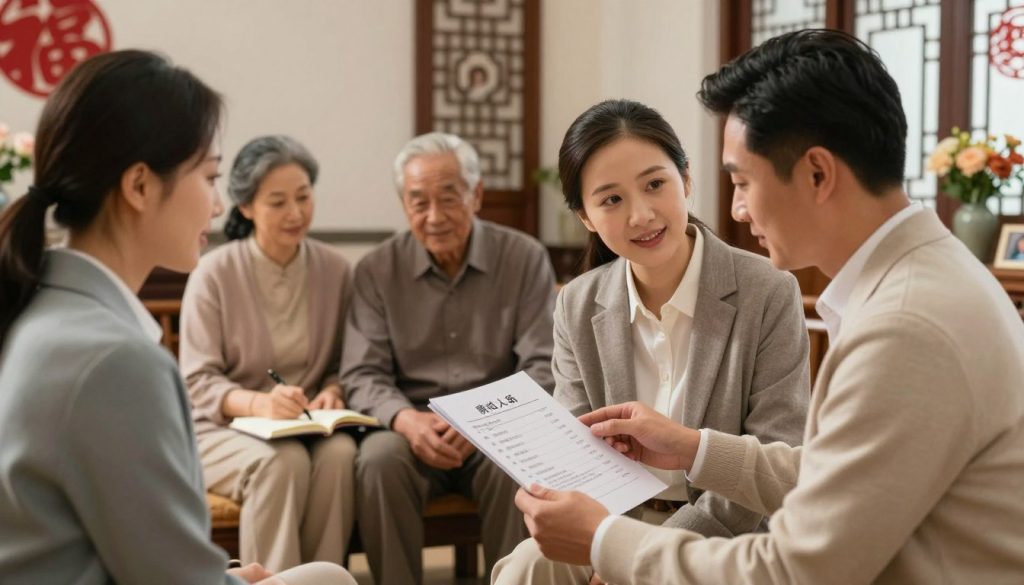
Common criteria form a non-negotiable checklist for many parents. The “big three” are property ownership, a stable career, and a strong educational background.
These parents act as rigorous gatekeepers. They spend weeks verifying a candidate’s finances, property deeds, and job history before their children can meet.
As one father at a matchmaking corner noted, “They not only look at the man‘s education and job, but also want him to have a car and a house.” This leaves many people from modest backgrounds feeling excluded.
The process has become openly transactional. For a woman and her families, a son-in-law’s financial promise often outweighs personal chemistry.
This creates a tough reality. Many young people cannot get married because they fail to meet these material standards set by others.
Tips for Winning Over Your Partner's Family
Winning over your significant other’s relatives requires a blend of genuine respect and strategic understanding. It’s about building trust and showing you are a kind and committed person.
Effective Communication Strategies
Start by showing real interest in your partner’s parents. Ask respectful questions about their lives and listen carefully to their answers. Use proper titles and observe family hierarchies to demonstrate your respect.
Active listening is more powerful than talking. When concerns arise, avoid becoming defensive. Instead, acknowledge their feelings. This shows you value their perspective.
Practical Steps for Gaining Support
Actions often speak louder than words. Offer to help with small tasks during visits. Thoughtful gift-giving, based on their preferences, shows you pay attention.
Your partner is your best ally. They can coach you on dynamics and advocate for you. Be patient; trust builds over time as parents see your consistent character.
Most importantly, be authentic. Show respect for traditions while staying true to yourself. People, especially a mother, can sense genuine love and commitment.
Conclusion
Ultimately, forging a lasting bond goes beyond two individuals connecting. It involves honoring a rich cultural tapestry where kin play a pivotal role. This reality persists despite modern pressures.
Many young people genuinely want marry. Yet high costs, job uncertainty, and demanding material standards create steep barriers. A fear of marriage also grows, fueled by high divorce rates.
Parents show incredible dedication, spending years in parks hoping their children will find someone. Demographic shifts mean women and their families often set high criteria for men.
Understanding these dynamics is the essential first step. With patience, respect, and genuine love, many couples successfully build bridges. As society evolves, there is hope for a better balance between tradition and modern needs for this generation.