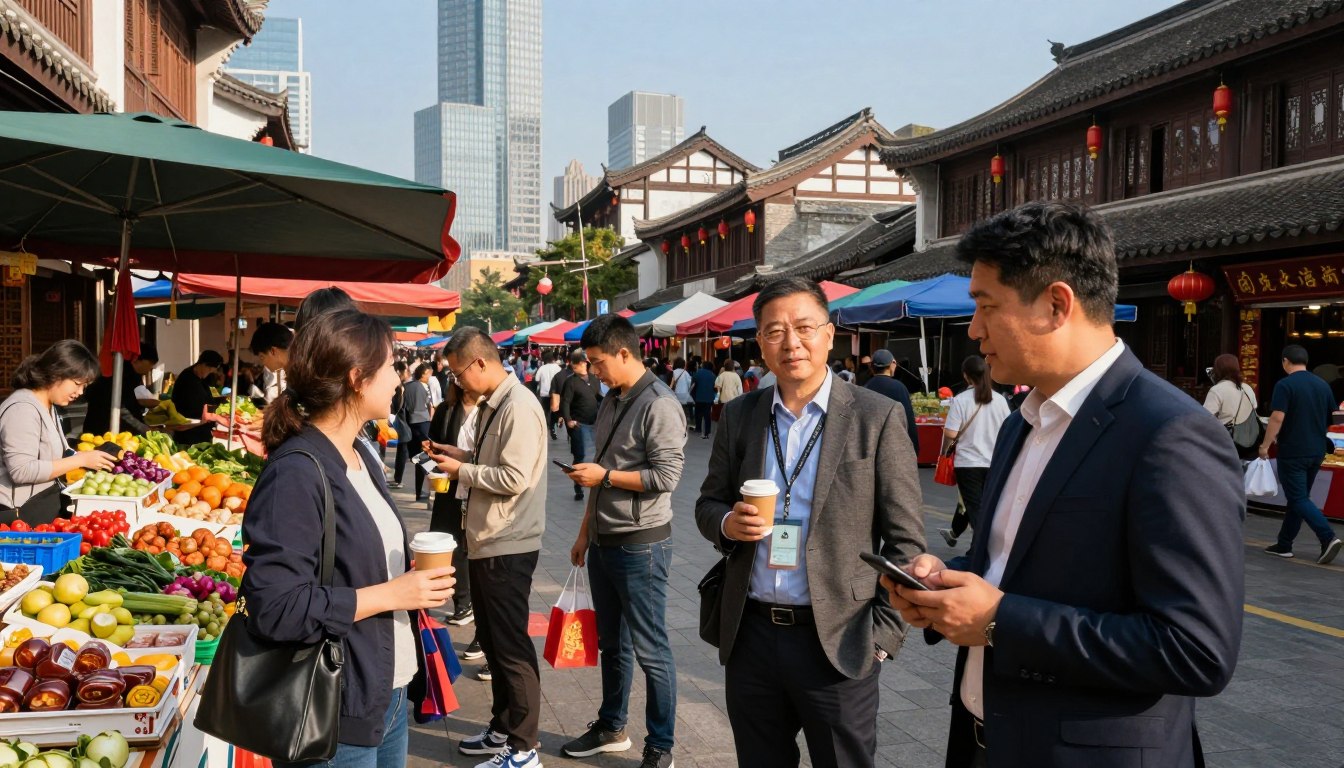
Packing bags regarding a fresh start brings incredible thrills. Moving To China For Love is a huge step, chasing romantic dreams across the globe. At first, every street corner offers discovery and constant excitement.
However, that initial honeymoon phase eventually fades. You soon realize living as an expat involves much more than just sightseeing and eating delicious street food. Simple tasks like paying monthly bills or setting up local apps can feel like giant hurdles.
Navigating daily logistics remains a vital part of your long-term journey. Building a social circle that exists independently beside your partner is important. Embracing these unique expat experiences within the nation helps you truly feel at home in this vibrant, fast-paced environment.
Settling in takes time, patience, and a good sense of humor. You will face cultural shifts that challenge your perspective every single day. Stay open-minded as you become a local resident.
Key Takeaways
- The honeymoon period ends as daily responsibilities begin.
- Paying bills and managing apps can be difficult.
- Independence from your partner supports long-term success.
- Building a local social circle is highly recommended.
- Cultural shifts will challenge your mindset daily.
- Patience and humor are essential during the transition.
The Reality of Moving To China For Love
The decision to move to China for love is often met with excitement and a touch of uncertainty. As you embark on this new chapter, the thrill of exploring a new country with your partner can be incredibly exhilarating. However, it’s essential to understand that this significant life change can also bring its own set of challenges.
The Initial Excitement and Cultural Novelty
At first, everything about China seems fascinating – the culture, the food, the language, and the customs. You’re likely to be captivated by the vibrant city life, the historical landmarks, and the unique traditions. This initial excitement is a natural response to the novelty of your new surroundings. As you navigate through the bustling streets and try new experiences, the thrill of discovery can bring you and your partner closer together.
However, as time passes, the novelty begins to wear off, and the reality of living in a new country starts to set in. You may begin to encounter cultural differences that challenge your perceptions and force you to adapt. Being aware of these potential cultural shocks can help you prepare and navigate them more effectively.
Managing Expectations in a New Relationship Dynamic
Moving to China for love also means adjusting to a new dynamic in your relationship. Living together in a foreign country can be both exciting and stressful. You may need to take on new roles and responsibilities, and your communication style may need to evolve to accommodate the challenges of expat life. Open communication and mutual support are key to managing these changes and strengthening your relationship.
As you settle into your new life, it’s crucial to manage your expectations and be patient with each other. Cultural differences can sometimes lead to misunderstandings, but they can also enrich your relationship by broadening your perspectives and fostering growth. By being aware of the potential challenges and working together, you can build a stronger, more resilient relationship.
When the Honeymoon Phase Fades
Once the novelty of living in China wears off, the true test of expat life begins. The initial excitement and curiosity about the new surroundings gradually give way to the realities of daily life.
Recognizing the Shift from Vacation Mode to Daily Routine
The first few weeks or months in China are often filled with a sense of adventure and exploration. However, as time passes, the thrill of discovering new places and experiencing a new culture starts to fade, and the mundane tasks of daily life take over. Simple tasks like grocery shopping, paying bills, and navigating public transportation become challenging due to language barriers and cultural differences.
Paying bills in a new country can be particularly daunting, as it involves understanding local banking systems, dealing with different currencies, and navigating through unfamiliar financial terminology. This shift from vacation mode to daily routine can be jarring, and it’s essential to recognize the signs and adapt accordingly.
Dealing with the Emotional Toll of Cultural Displacement
Cultural displacement is a common phenomenon experienced by expats, where the stress of adapting to a new culture and the feeling of being disconnected from one’s own culture can take an emotional toll. It’s not uncommon to feel isolated, frustrated, or homesick as the differences between the home culture and the new culture become more apparent.
To manage the emotional toll, it’s crucial to find ways to stay connected to your home culture while embracing the new one. This can involve staying in touch with family and friends back home, joining expat communities or local interest groups, and practicing self-care. By building a support network and finding healthy ways to cope with cultural displacement, expats can mitigate the emotional challenges and make a smoother transition to their new life in China.
Navigating the Financial Landscape
One of the most daunting tasks when moving to China is navigating its complex financial landscape. Paying bills in a new country can be challenging, especially when dealing with different currencies, banking systems, and payment methods.
As you settle into your new life, you’ll need to understand the local financial systems to manage your daily expenses effectively. The China banking system is quite different from what many foreigners are used to, with a strong emphasis on digital payments.
The Complexity of Paying Bills in a New Country
Paying bills in China can be complex due to the prevalence of digital payment platforms. You’ll need to set up local bank accounts and digital wallets to navigate this landscape effectively.
Setting Up Local Bank Accounts and Digital Wallets
To start, you’ll need to open a local bank account. This will allow you to receive your salary and pay bills. Additionally, setting up digital wallets like WeChat Pay and Alipay is crucial, as these platforms are ubiquitous in China.
Understanding WeChat Pay and Alipay Ecosystems
WeChat Pay and Alipay are more than just payment methods; they are ecosystems that integrate various services, including shopping, transportation, and even investments. Understanding how to use these platforms is essential for daily life in China.
Managing Currency Exchange and International Transfers
Managing currency exchange and international transfers is another critical aspect of navigating China’s financial landscape. You’ll need to understand the best ways to transfer money into China and how to manage your foreign currency holdings.
Using the right banking services and being aware of the exchange rates can save you a significant amount of money. It’s also worth exploring services that offer competitive exchange rates and low transfer fees.
By understanding the complexities of paying bills in China, setting up the right financial tools, and managing your currency exchange effectively, you can navigate the financial landscape with confidence.
Mastering Daily Logistics and Infrastructure
After the honeymoon phase ends, navigating China’s daily logistics becomes essential for expats. To thrive in China, you’ll need to master the daily infrastructure, which includes understanding public transportation systems, learning basic Mandarin, and securing suitable housing.
Understanding Public Transportation and Navigation Apps
China’s public transportation system is extensive and efficient, with metro lines connecting major cities and towns. To navigate this system, you’ll need to familiarize yourself with apps like Didi Chuxing for taxis and ride-hailing, and Gaode Maps or Baidu Maps for directions and public transport routes. These apps are indispensable for getting around, and most have English versions available.
The Importance of Learning Basic Mandarin for Survival
While many younger Chinese speak some English, learning basic Mandarin can significantly enhance your daily life. It enables you to communicate with locals, read signs, and navigate everyday situations more effectively. Start with basic phrases like “hello” (nǐ hǎo), “thank you” (xiè xiè), and “where is…?” (… zài nǎ lǐ?). This effort will be rewarded with a more authentic experience and greater respect from the local community.
Securing Housing and Understanding Rental Contracts
Finding the right housing is crucial, and understanding rental contracts is vital to avoid potential pitfalls. Look for apartments or houses that fit your budget and are conveniently located near your workplace or public transport links. When signing a rental contract, ensure you understand the terms, including the rent, deposit, lease duration, and any additional fees. It’s advisable to have a local friend or a lawyer review the contract before signing.
By mastering these aspects of daily logistics and infrastructure, you’ll be better equipped to handle the challenges of living in China and enjoy a more fulfilling expat experience.
Building a Social Circle Beyond Your Partner
Once the honeymoon phase ends, establishing a social network in China is crucial for a happy expat experience. As you transition from the excitement of a new relationship and a new country to daily life, having a diverse social circle can make a significant difference.
Expanding your social circle not only combats loneliness but also enriches your experience in China by exposing you to different perspectives and ways of life. It’s about creating a support system that understands the challenges and joys of expat life.
Finding Expat Communities and Local Interest Groups
One of the most effective ways to build a social network in China is by connecting with expat communities and local interest groups. These groups can be found through online forums, social media platforms, and local event listings.
Websites and apps like Meetup.com are invaluable resources for finding groups that align with your interests, whether it’s hiking, language exchange, or cultural events. Joining these groups not only helps you meet like-minded individuals but also provides opportunities to engage in activities you’re passionate about.
“The expat community in China is vibrant and diverse, offering numerous opportunities to connect with others who share similar experiences and challenges.”
Expat.com
Some popular expat communities in major Chinese cities like Shanghai and Beijing often organize social events, sports activities, and cultural outings. Participating in these events is a great way to meet new people.
| City | Popular Expat Groups | Common Interests |
|---|---|---|
| Shanghai | Shanghai Expats, Shanghai Social | Networking, Cultural Events |
| Beijing | Beijing Expat Community, Beijing International | Outdoor Activities, Language Exchange |
Overcoming the Isolation of Language Barriers
Language barriers can significantly hinder your ability to socialize in China. However, there are several strategies to overcome this challenge.
Enrolling in a Mandarin language course can greatly improve your communication skills and confidence. Many cities in China offer language classes specifically designed for expats, focusing on practical conversational skills.
- Language exchange programs where you can practice Mandarin with native speakers while helping them with English.
- Using translation apps and carrying a phrasebook for quick references.
- Engaging in activities that don’t require extensive language skills, such as sports or art classes.
As one expat noted, “Learning a few key phrases in Mandarin can go a long way in making connections with locals and feeling more at home.”
By actively seeking out expat communities, local interest groups, and taking steps to overcome language barriers, you can build a rich and supportive social network in China. This not only enhances your expat experience but also contributes to a more fulfilling life.
Adapting to the Chinese Workplace Culture
For many expats, adapting to China’s workplace culture is both a challenging and rewarding experience. As you settle into your new life in China, understanding the local work environment can significantly impact your career success and overall well-being. China’s workplaces are known for their fast-paced and demanding nature, making it essential to grasp the nuances of professional etiquette and hierarchy.
Understanding Professional Etiquette and Hierarchy
Professional etiquette in China is deeply rooted in respect for hierarchy and tradition. Understanding the chain of command and showing deference to senior colleagues is crucial. This includes using formal titles and polite language when addressing superiors.
Business cards, for instance, are exchanged with great ceremony, and it’s customary to use both hands when giving or receiving a card. Paying attention to these details can make a significant difference in how you are perceived by your colleagues.
Balancing Work-Life Expectations
China’s work culture is often demanding, with long hours being common. Finding a balance between work and personal life is vital to maintaining your mental and physical health. It’s essential to set clear boundaries and prioritize self-care.
Many companies are now recognizing the importance of work-life balance, offering flexible working hours or wellness programs. Exploring these options can help you manage the demands of the Chinese workplace.
| Aspect | China | United States |
|---|---|---|
| Work Hours | Often long, with overtime common | Typically 8 hours, with overtime less common |
| Vacation Time | Limited, with a focus on national holidays | More generous, with a focus on personal and family time |
| Work Culture | Hierarchical, with a strong emphasis on team harmony | More flexible, with an emphasis on individual performance |

Health, Wellness, and Accessing Services
Living in China as an expat comes with its challenges, particularly when it comes to accessing healthcare and maintaining mental well-being. As you navigate your new life, understanding the local healthcare system and how to maintain your mental health is crucial.
Navigating the Healthcare System as a Foreigner
China’s healthcare system can be complex, especially for foreigners. The system includes both public and private healthcare providers, with varying levels of service and language support. Understanding your health insurance options is a critical first step. Some employers offer international health insurance that covers you in China, while others may require you to enroll in China’s social insurance program.
When it comes to medical facilities, major cities like Shanghai and Beijing have high-standard hospitals with international departments that cater to foreigners. These hospitals often have English-speaking staff and more advanced medical equipment. However, in smaller cities, options may be more limited, and language barriers can become a significant challenge.
| City | Notable Hospitals for Expats | Language Support |
|---|---|---|
| Shanghai | Shanghai International Medical Center | English, Japanese |
| Beijing | Peking Union Medical College Hospital | English |
| Guangzhou | Guangdong General Hospital | English |
Maintaining Mental Health While Living Abroad
Maintaining mental health is equally important when living in China. The stress of adapting to a new culture, language barriers, and being away from family and friends can take a toll. Finding a therapist or counselor who understands the expat experience can be incredibly beneficial. Many cities with large expat communities have mental health professionals who offer services in English.
Additionally, staying connected with loved ones back home through regular calls and visits can help mitigate feelings of loneliness. Engaging in local activities and hobbies is also a great way to build a new social network and feel more grounded in your new environment.
Cultural Integration and Long-Term Adjustment
The journey of integrating into Chinese culture can be both exciting and challenging, but it’s essential for long-term happiness. As you navigate this new chapter, you’ll discover that cultural integration is not just about adapting to local customs but also about finding your place within the community.
Embracing Local Traditions and Social Norms
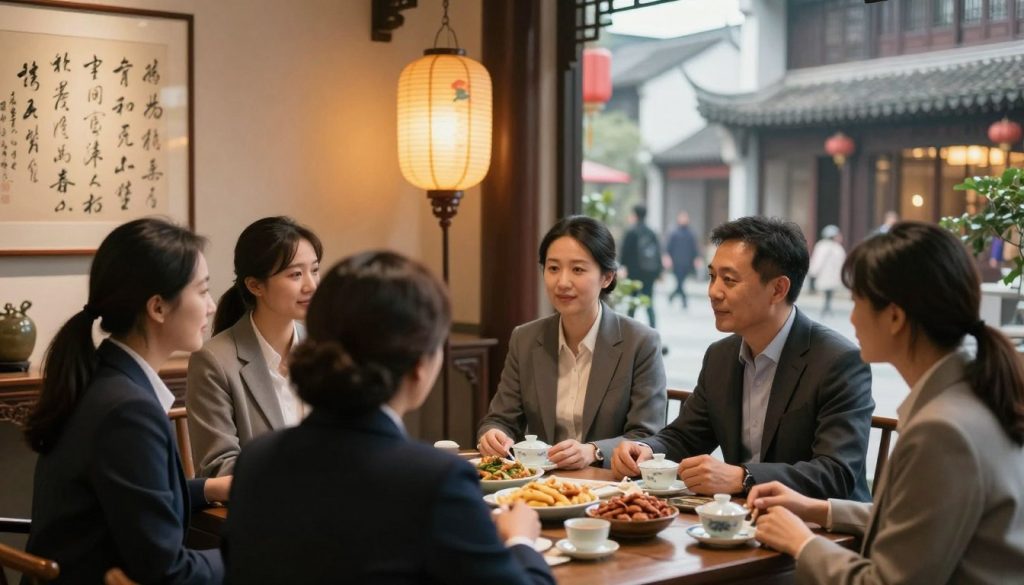
One of the first steps in cultural integration is embracing local traditions and social norms. China is rich in cultural heritage, with numerous festivals and customs that are worth experiencing. For instance, participating in the Chinese New Year celebrations can be a profound experience, offering a glimpse into the country’s vibrant culture. Trying local cuisine is another way to integrate into the culture; Chinese food is not just about sustenance, it’s an integral part of social bonding.
Understanding social etiquette is also crucial. Simple actions like using both hands to give or receive something, especially business cards, or learning basic Mandarin phrases can significantly enhance your interactions with locals. It’s not just about being polite; it’s about showing respect for the culture and people.
Finding Your Identity Outside of Being an Expat
While being part of the expat community can be comforting, finding your identity outside of this circle is vital for a fulfilling life in China. Engaging in local activities or joining clubs that align with your interests can help you build a diverse social network. Whether it’s through work, hobbies, or community involvement, establishing a routine and pursuing your passions can make you feel more grounded.
Moreover, learning to navigate everyday challenges, like paying bills in a new country, can be incredibly empowering. It not only helps you become more self-sufficient but also integrates you further into the local lifestyle. By embracing these aspects, you can transition from being just an expat to becoming a part of the community.
Conclusion
Moving to China for love can be a life-changing experience, filled with excitement and challenges. As the initial euphoria fades, reality sets in, and the complexities of expat life become apparent. Paying bills in a new country can be daunting, but with the right mindset and support, you can navigate these challenges.
Understanding the cultural nuances, financial intricacies, and logistical aspects of daily life in China is crucial for a smooth transition. By embracing local traditions, building a social circle beyond your partner, and adapting to the Chinese workplace culture, you can create a fulfilling life.
Love and relationships know no borders, and with an open heart and willingness to learn, you can turn the experience of moving to China into a rewarding adventure. Expat life in China offers a unique blend of cultural immersion and personal growth, allowing you to discover new aspects of yourself and your relationship.