
Welcome to an eye-opening look at a notorious tourist trap that has impacted visitors across the globe. This friendly introduction can quickly turn into a costly lesson.
Imagine a friendly local inviting you to a traditional tasting. You enjoy a few cups of a cultural beverage. Then, the shock arrives: a bill for hundreds, even thousands, of dollars.
This specific confidence trick is infamous in major cities like Beijing and Shanghai. Similar schemes have been reported in other popular destinations, including parts of Thailand. It’s an operation that has ensnared travelers for years.
Understanding this ploy is crucial for anyone exploring new countries. Being informed helps you focus on the amazing experiences, not unpleasant surprises.
While destinations like China are incredibly safe and fascinating, a little awareness goes a long way. This guide will show you how to spot the red flags and protect your wallet.
Key Takeaways
- This tourist trap often begins with a friendly invitation from a stranger.
- Victims are presented with a massively inflated bill after a simple tasting.
- The scheme is well-known in major Asian cities and has operated for a long time.
- Awareness is your best defense against this and other travel frauds.
- Informed travelers can still fully enjoy their journeys with greater confidence.
- Real stories and clear warning signs will be detailed in the following sections.
The Allure and Setup: How the Scam Lures Tourists
It all starts with a seemingly innocent encounter in a popular tourist district. Friendly people initiate a chat on a busy street.
They often claim to be students eager to practice English. This request feels helpful and builds instant trust with foreigners.
A Friendly Invitation with Hidden Motives
The interaction usually begins with a simple request, like taking a photo. It quickly turns into a longer talk about travel and culture.
Scammers operate in high-traffic areas like Nanjing East Road in Shanghai. They also target spots near Tiananmen Square in Beijing.
One victim recalled a girl in pink sneakers starting a conversation. Another, Michael Kliewer, met a couple posing as an English teacher and student.
Solo travelers are prime targets. They may be more eager for a local friend in a new city.
Understanding the Cultural Twist
This ploy cleverly exploits a traveler’s wish for an authentic experience. The invitation to a tea tasting is framed as a unique cultural lesson.
It seems like a chance to connect with locals and learn traditions. The conversation feels genuine, with personal details shared.
Real students in China are typically busy with studies. They don’t usually spend afternoons approaching tourists on the street.
| Aspect | Scammer Tactic | Genuine Local Interaction |
|---|---|---|
| Initial Contact | Approaches you in a major tourist place | May occur in a social setting or through mutual friends |
| Stated Purpose | Wants to “practice English” immediately | Interest is often more organic and not rushed |
| Invitation Style | Pushes for a visit to a specific tea place quickly | Might suggest a public cafe or park |
| Focus of Conversation | Overly friendly, asks many personal questions | Balanced exchange, less intense |
Tea House Scam China: How It Works
Following the friendly stranger, victims enter a world where normal pricing rules seem to vanish. The operation moves from the public street to a controlled, private space.
From Tea Sampling to a Sky-High Bill
You are led away from busy areas into quieter side streets. The destination is often a small, unmarked building up a staircase.
Inside, you’re taken to a curtained-off private room. This intimate setting feels exclusive but isolates you from other patrons.
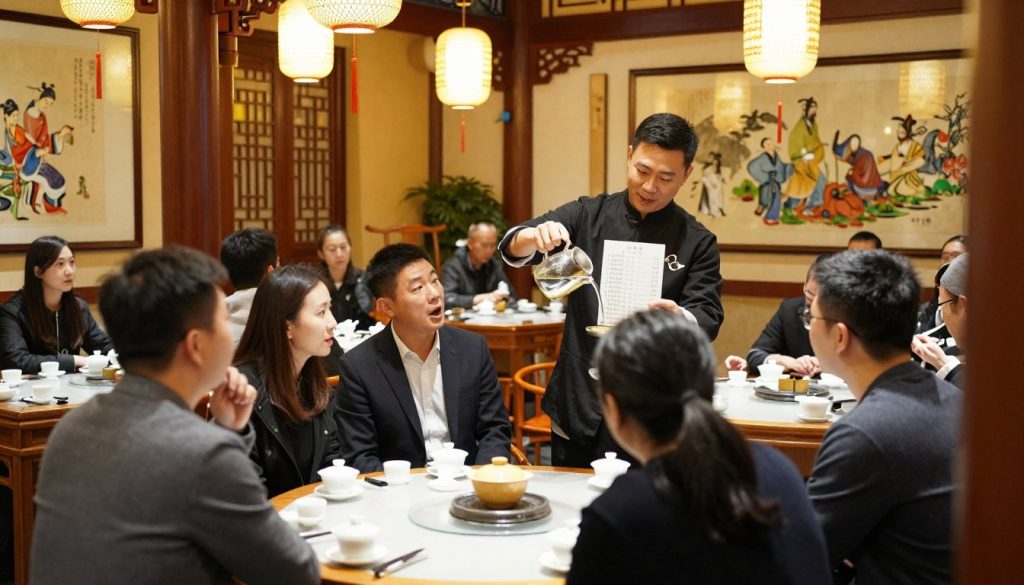
The server begins bringing small cups of various beverages. There is no menu with prices to review. The tasting of multiple regional tea types is presented as a cultural lesson.
The Role of the Attractive Host or Hostess
An attentive server explains each drink’s origin and taste. This makes the experience feel authentic and special.
The person who invited you often stays, maintaining a friendly conversation. This builds trust and makes everything seem legitimate.
The moment of truth arrives when the bill is presented. Charges for “rare” leaves, a “private room,” and “service fees” create an astronomical total. Victims are shocked, having had no price reference point.
Real-Life Encounters: Victim Stories and Experiences
Hearing directly from victims shows how a friendly meeting can turn into a financial nightmare. Their stories reveal the emotional and money toll of this deceptive practice.
Michael Kliewer's Unexpected Bill
Michael, an experienced traveler, met a couple on his trip. They spent hours together, building what felt like real friendship.
At the tea house, after sampling drinks, he got a bill for 2,000 Yuan. He only had 600 Yuan in cash.
He felt embarrassed, thinking he should cover his share. His new “friends” offered to pay the rest with a card.

Lawrence Andrews' $4,700 Credit Card Fiasco
During a business day, Lawrence visited a similar tea house. He expected a bill around $250.
Later, he found a charge for $4,704 on his card. The hostess refused to give him a receipt copy.
His credit card company initially sided with the merchant. It took a long time and advocacy to get his money back.
Another traveler, Alex, felt trapped in a second-floor room in a foreign city. He couldn’t argue due to language barriers.
The common thing is the feeling of betrayal. These scams exploit trust, leaving people shocked and violated.
Dissecting the Scammers' Tactics and Strategies
The success of this scheme hinges on a series of well-rehearsed psychological plays. Every step is designed to lower defenses and create a false sense of security.
The Private Room Setup and Unpriced Menus
Isolation is a key tool. Victims are led to a secluded room away from public areas. This makes it hard to ask for help or compare notes with others.
Critical information is withheld. There is often no menu with a clear price list. You cannot make an informed choice about what you’re ordering.
This creates a massive power imbalance. You are completely in the dark about costs until the shocking bill arrives.
Techniques That Create a Sense of Trust
Scammers often pose as students. Tourists see them as harmless and curious. This persona builds instant rapport.
They invest significant time chatting. This builds a friendly connection that feels genuine. The victim then feels obligated to accept the invitation.
The exit is perfectly timed. The person who invited you suddenly has to leave. They vanish right before the bill comes, so you can’t confront them.
The experience is framed as cultural education, not a sale. This makes outrageous costs seem possibly legitimate to a visitor.
If you question the charges, staff attitudes can shift quickly. A friendly atmosphere turns tense, making you feel trapped and pressured to pay.
Tourist Impact and Local Business Implications
Beyond the immediate financial loss, this type of fraud creates lasting ripples that harm tourism and cultural trust. The damage affects honest people and authentic traditions.
One major casualty is legitimate cultural appreciation. Many foreigners arrive hoping for a real tea ceremony experience. They encounter a manufactured version designed for exploitation.
This creates a sad misunderstanding. Authentic ceremonies are special occasions, not everyday practice for most locals. The fraudulent version preys on a tourist‘s lack of knowledge.
Cultural Misunderstandings Versus Deliberate Fraud
The fallout extends to future travel. Victims like Michael became overly cautious. In Syria, he declined a genuine invitation, missing a beautiful moment.
He later found Syrian locals incredibly hospitable. This shows the real cost: missed connections in other countries due to one bad experience.
Honest businesses suffer too. When scams dominate stories, all related places get a bad reputation. Legitimate shops lose potential customers who are now afraid.
It’s crucial to remember most people are not involved. Criminal operators are a tiny minority. Yet, their actions can paint an entire community unfairly.
The broader impact discourages exploration. Visitors may stick only to policed zones, limiting real cultural exchange. Awareness helps distinguish deliberate fraud from warm, genuine hospitality.
Protective Measures: What to Do If You're Targeted
Arming yourself with practical knowledge is the most effective shield against deceptive practices while traveling. This advice offers clear steps to avoid trouble and handle it if you’re already involved.
Practical Tips to Spot Red Flags on the Street
Your first defense happens before you ever enter a shop. Be very cautious of overly friendly strangers on a tourist street who invite you to a secondary location. If there’s no menu with a clear price, consider it a major warning.
The best way to stay safe is a polite but firm refusal. Check the U.S. State Department website and travel forums for destination-specific warnings before your trip.
Steps to Dispute Fraudulent Charges
If you find yourself presented with a shocking bill, stay calm. Never sign a credit card slip without seeing the total. Take a photo of the receipt for evidence.
Immediately contact your credit card company. U.S. law provides strong fraud protections. File a formal dispute and provide all your evidence.
Report the establishment to the local tourist police station. Sharing your experience online can also protect others from this tea scam.
Conclusion
Ultimately, the goal of this guide is to ensure your adventures are defined by discovery, not deception. This tourist trap has operated for years, exploiting desires for friendship and authentic cultural connections. The true cost extends beyond money to damaged trust.
Awareness is your most powerful protection. Knowing how these operations work makes you far less likely to become a victim. Stay open to genuine experiences while maintaining healthy skepticism about unsolicited invitations.
With proper research and common sense, you can explore confidently. Focus your time and resources on legitimate cultural activities. Share this knowledge with fellow travelers to protect the global community.

