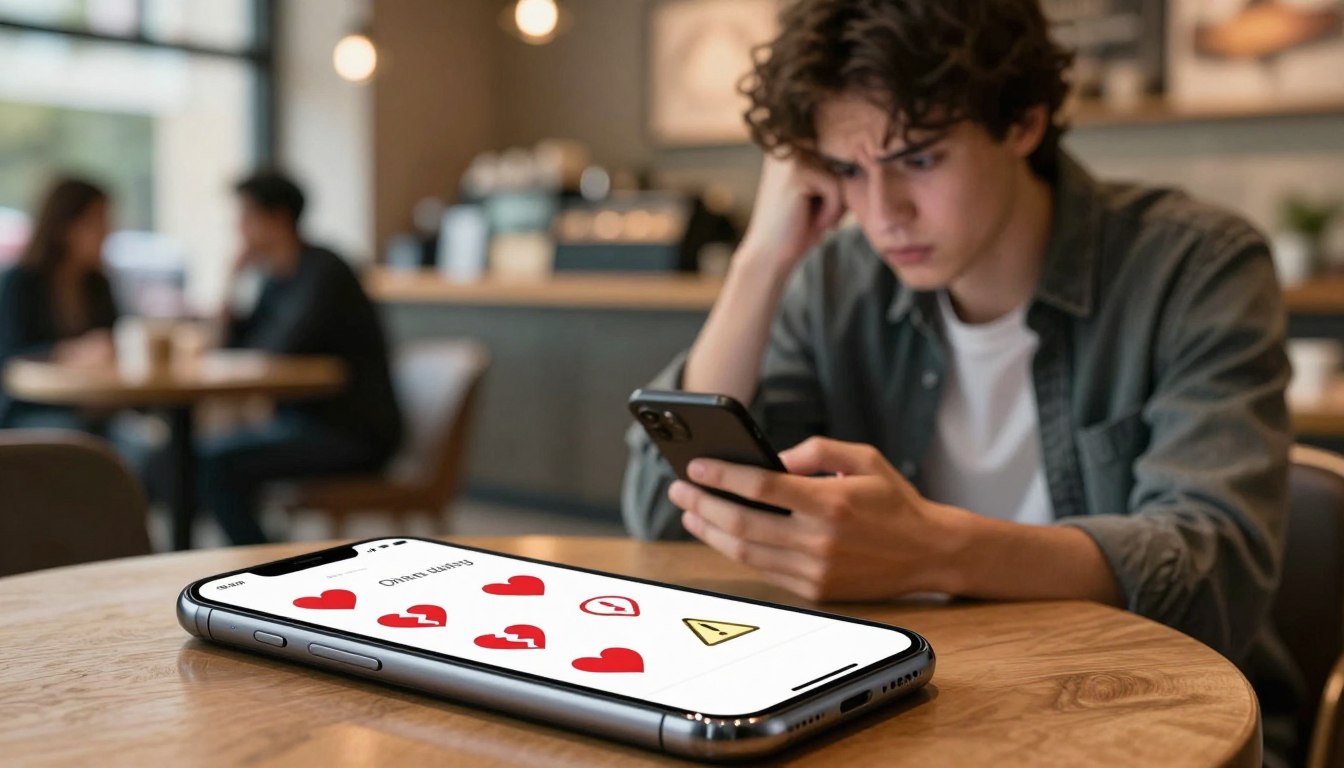
Welcome to your guide for navigating the digital dating world. Knowing what to look for is your first step toward safer and more meaningful connections.
Apps have changed how we meet people. But they also introduce new behaviors that can be confusing or risky.
This article will give you the knowledge to spot various problematic patterns. We’ll look at everything from subtle manipulation to outright scams.
Understanding these warning signs isn’t about becoming cynical. It’s about dating smarter and protecting your emotional well-being while staying open to real connections.
We cover a wide range of topics. You’ll learn about common issues like ghosting and more serious concerns like catfishing.
Our goal is to help you make informed choices. You’ll gain confidence in deciding who deserves your time and emotional investment.
Key Takeaways
- Awareness is the essential first step to protecting yourself.
- The digital landscape creates unique challenges and behaviors.
- Knowledge empowers you to identify subtle manipulation tactics.
- Smart dating is about protection, not pessimism.
- This guide covers a spectrum from common issues to serious scams.
- Recognizing patterns helps you make better decisions about your time and energy.
- You can safeguard your well-being while remaining open to authentic relationships.
Introduction: Navigating the Landscape of Online Dating
Finding a partner through an app is now a common starting point for millions of Americans. In fact, about one-third of U.S. marriages begin on digital platforms. This proves that meaningful, long-term connections are absolutely possible.
The experience itself can feel like a rollercoaster. One day brings exciting conversations and genuine hope. The next might lead to confusing silence or disappointing behavior.
The screen’s anonymity sometimes brings out the worst in individuals. It becomes easier for them to hide their true intentions, pretend to be someone else, or suddenly vanish. This stringing along creates real emotional exhaustion for those seeking something real.
These challenges don’t mean you should avoid apps altogether. Instead, they highlight the need for awareness and healthy boundaries. Think of this guide as your toolkit. It will help you move through the digital world with more confidence, spotting both concerning patterns and positive signs.
Understanding Red Flags in Online Dating
Think of a warning sign as your internal alert system when interacting with someone new. It’s a signal that a person’s behavior, intentions, or character might need a closer look.
Not every alert means you should stop talking to them. Some are just hints that you need more information.
Why Awareness Matters
These signals often point to unresolved personal issues or emotional patterns. They could affect your well-being later.
Keep in mind, what bothers you might not bother someone else. Your own values and boundaries define what a true warning sign is for you.
Spotting these signs requires self-awareness and self-respect. It means knowing what you need and having the courage to step back when something feels off.
| Type of Sign | Description | Suggested Action |
|---|---|---|
| Minor Alert | A small, one-off behavior that gives you pause. It may be harmless. | Ask a gentle follow-up question. Watch for a pattern. |
| Moderate Concern | A repeated action that clashes with your core values or comfort. | Have a direct conversation. Decide if you’re compatible. |
| Major Deal-Breaker | A clear sign of dishonesty, disrespect, or potential harm. | Prioritize your safety. Be ready to end contact. |
Paying attention early helps you save emotional energy. You can then focus on people who are genuinely a good fit. This isn’t about being cynical. It’s about dating with clear intention and protecting your peace.
Scammers and the Critical Red Flag of Refusing Video Calls
Scammers operate with remarkable patience, weaving elaborate stories to gain your confidence. They may invest weeks or even months building a connection through text.
One of the biggest warning signs is a consistent refusal to hop on a video call. If someone always has an excuse after significant time has passed, take note.
These individuals avoid showing their face because they often use stolen photos. They might be in a different location than they claim.
In contrast, a genuine person interested in a real connection will usually be excited to video chat. They see it as a natural step toward meeting.
Common excuses include a broken camera, bad internet, or feeling shy. Some say they want to wait until they “know you better.”
While camera shyness is real, ongoing avoidance over an extended period is a serious red flag. It should raise major concerns about their authenticity.
Make a brief video verification a non-negotiable step before investing more emotional energy. This simple act protects you and filters out dishonest people.
Don’t take it personally if someone turns out to be fake. Knowing how to weed them out is a key part of smarter dating.
Ghosting, Breadcrumbing, and Inconsistent Communication
Have you ever felt strung along by someone who texts just enough to keep you wondering? These confusing patterns are major red flags.
Recognizing Ghost-Light Techniques
Ghosting is when a person vanishes without a word. Breadcrumbing is giving just enough attention to keep you hooked.
A more manipulative mix is “ghost-lighting.” Someone disappears, then returns acting normal. If you mention it, they act confused.
This makes you question your own feelings. It’s a clear sign of disrespect.
Avoiding Mixed Messaging
Inconsistent contact creates an emotional rollercoaster. The highs of a random text feel exciting.
But you’re left waiting for plans that never happen. This wastes your time and emotional energy.
Someone who values you will communicate consistently. They won’t play games with their availability.
| Behavior | What It Looks Like | Impact on You |
|---|---|---|
| Ghosting | Complete, sudden silence after regular contact. | Confusion, rejection, lack of closure. |
| Breadcrumbing | Sporadic, flirty messages with no follow-through. | Frustration, false hope, emotional exhaustion. |
| Ghost-Lighting | Disappears, reappears, and denies the silence happened. | Self-doubt, feeling manipulated. |
Red Flags Online Dating: What to Look For
Building a genuine bond starts with recognizing signs that someone isn’t right for you. Awareness of these patterns is your best defense against investing time in the wrong people.
You control how you respond to disrespectful behavior. You cannot control how others act on digital platforms.
Major concerning behaviors fall into key categories:
- Communication issues like ghosting or inconsistent messaging.
- Pushing or ignoring your personal boundaries.
- Any form of dishonesty or misrepresentation.
- Emotional manipulation tactics.
- Signs of being emotionally unavailable.
You deserve to be treated with respect, consideration, and honesty from the very first interaction.
Fundamental Principle
View these warning signs as helpful filters. They quickly identify people who aren’t good matches.
Spotting them early saves your emotional energy. It protects your mental health and lets you focus on connections with real potential.
Always trust your gut feeling. Your intuition often picks up on concerning things before your conscious mind does.
Identifying these patterns is an act of self-care. It shows you value yourself enough to walk away from situations that don’t serve your well-being.
The goal isn’t to find a perfect partner. It’s to find someone who shows genuine interest in building a respectful and honest relationship with you.
Love Bombing, Rushing Intimacy, and Pushing Boundaries
Imagine meeting someone who declares their undying affection before you’ve even had a second conversation. This overwhelming flood of attention is called love bombing.
Spotting Love Bombing Early
It involves excessive compliments, grand promises, and intense focus happening far too soon. While it feels flattering, it’s a manipulation tactic to gain trust quickly.
A genuine relationship develops gradually as two people get to know each other over time. This tactic creates an artificial intimacy not based on real knowledge.
Typical behaviors include constant messaging, premature declarations of deep affection, and talking about a shared future. They often pull away suddenly, leaving you hurt.
Another serious concern is pushing boundaries in the early stages of dating. Someone may pressure you for emotional, physical, or financial intimacy faster than you’re comfortable.
Examples include insisting on a private meet-up after you requested public, or pushing for personal details. This shows they prioritize their desires over your comfort.
Anyone building a healthy relationship will respect your pace and limits. Be wary of someone who decides you’re “the one” without knowing you—they’re infatuated with a fantasy.
Catfishing and Fake Profile Warning Signs
A deceptive profile can make you question everything you thought you knew about finding a partner. This practice, called catfishing, involves creating a fake identity or significantly misrepresenting oneself.
Common tactics include using heavily edited or stolen photos. Someone might claim a prestigious job they don’t have or pretend to be a completely different person.
The emotional damage is real. Victims often question their judgment and lose faith in people. This can make future vulnerability with honest individuals feel risky.
Minimal profile information is a major red flag. A bio with one generic sentence or “ask me” shows a lack of effort from the start.
Someone who won’t try on their profile likely won’t try in a real relationship. They assume the bare minimum is enough to get what they want.
Watch for photos that all look similar or professionally shot. Be wary if stories don’t add up over time. Protect yourself by doing a reverse image search and requesting a brief video chat early on.
Negging, Trolling, and Emotional Manipulation
A backhanded compliment can be the first clue that someone is playing a manipulative game. These tactics are designed to undermine your confidence and control the interaction.
They often start small, making you question your own judgment. This is a form of psychological abuse.
Understanding Negging Tactics
Negging involves subtle insults disguised as praise. Someone might say, “You’re pretty for a scientist,” or “That’s a brave outfit choice.”
The hidden criticism makes you seek their approval. It chips away at your self-worth over time.
Trolling is more blatant. A person sends rude or offensive messages just to provoke a reaction.
This can include crude jokes or unsolicited images. It shows a complete lack of respect for you.
Cyberbullying on apps is unfortunately common. Harassment and insults aim to damage your self-esteem.
Victims often feel too ashamed to tell friends. This isolation makes the situation harder to escape.
Anyone who uses these tactics has serious personal issues. They are not worth your time or emotional energy.
Keep in mind, their behavior reflects their character, not your value. If you encounter this, it’s a major red flag.
Immediately unmatch, block, and report the profile. Protect your peace and move on to healthier connections on dating platforms.
Monkey Branching and Benchwarming: Staying Alert
Two subtle but hurtful patterns to watch for are “monkey branching” and “benchwarming.” These behaviors show a lack of genuine investment in you.
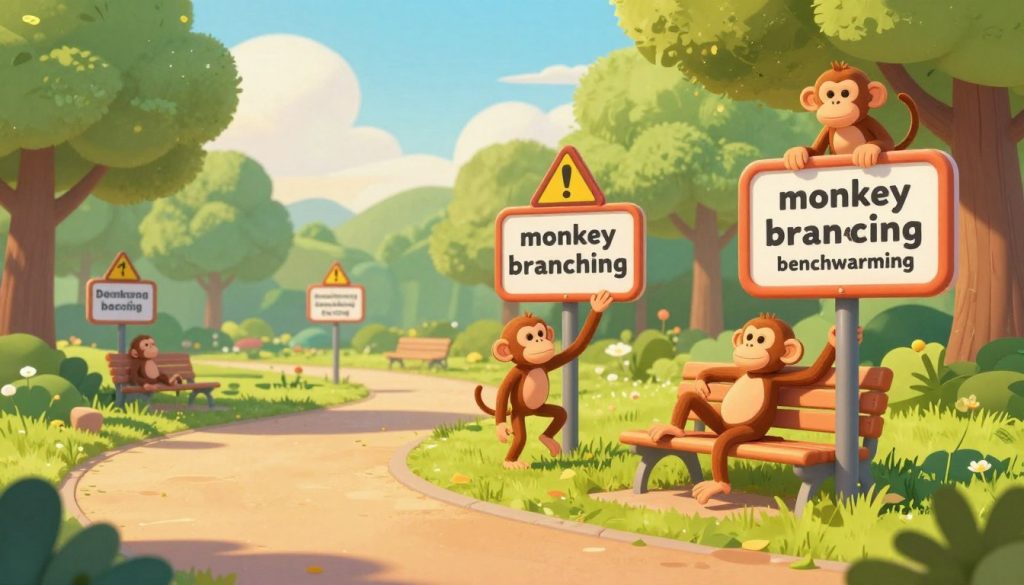
Monkey branching is when a person lines up their next relationship before ending their current one. They test the waters with you while still committed to someone else. Many experts see this as a form of emotional cheating.
Benchwarming is being kept as a backup option. You get sporadic attention only when their primary interest is unavailable. This makes you feel like a placeholder in their dating life.
| Behavior | Key Signs | How It Makes You Feel |
|---|---|---|
| Monkey Branching | Vague about status, secretive, stories don’t add up, only available at odd times. | Like a safety net, disrespected, part of a dishonest transition. |
| Benchwarming | Sporadic texts, canceled plans, interest that comes and goes without reason. | Undervalued, not a priority, waiting on the sidelines. |
Both patterns leave you feeling used. You deserve to be someone’s first choice, not a backup plan. Recognizing these things helps you walk away from situations where you aren’t truly valued.
Financial Requests and Other Trust Violations
Financial scams and hidden relationships represent two major breaches of trust on apps.
You must establish an absolute rule: never send money or share financial information with someone you’ve met through an app. Any request for funds, no matter how small or sad the story, is a serious red flag.
Scammers are patient. They build an emotional connection over weeks before mentioning a sudden emergency or a “can’t-miss” investment. This tests your willingness to give.
Another painful violation involves people who are not single. They use apps while in committed relationships, which is a form of cheating.
Signs can include being vague about their life, having limited availability, or never video chatting during typical family hours. Their social media might also show clues of a partner.
Being involved with someone who is cheating—even unknowingly—wastes your time and places you in a disrespectful situation.
You deserve someone who is genuinely available. If you encounter a financial request or suspect dishonesty about relationship status, end contact immediately.
Report the profile to the platform. This protects you and other dating app users from further harm.
Expert Advice for Managing Red Flags
When you encounter a potential warning sign, knowing how to respond is just as important as spotting it. Relationship professionals provide clear strategies to protect your well-being.
Your intuition is a powerful tool. Experts say if something feels off, trust that feeling immediately.
Do not ignore concerning behaviors because you are excited about a match. These flags usually point to deeper problems.
Setting Healthy Boundaries
Be clear about your expectations from the start. Do not compromise your core values for someone new.
If a person’s actions are disrespectful, unmatch or block them. You control your experience on these platforms.
Consistency is key for building trust. Chronic hot-and-cold behavior is a major red flag.
| Expert Recommendation | Immediate Action | Long-Term Benefit |
|---|---|---|
| Trust your gut feeling | Pause the conversation; ask clarifying questions | Prevents emotional investment in unstable situations |
| Set clear personal boundaries | Communicate your limits early and firmly | Filters out incompatible people quickly |
| Value consistent communication | Note patterns of inconsistency and disengage | Focuses energy on potential healthy relationships |
| Seek support if harassed | Talk to a trusted friend and report the profile | Protects your mental health and safety |
Inconsistent people often have unresolved issues. They might be juggling multiple connections or are emotionally unavailable.
Never settle for treatment that makes you feel anxious or undervalued. You deserve respect in any potential relationship.
If you experience bullying, get support. Talking to someone trusted is crucial for your safety and peace of mind.
Optimizing Your Profile and App Strategy
The effort you invest in your profile directly shapes the quality of your matches. A thoughtful approach on dating apps can transform your entire experience.

Crafting a Standout Profile
Begin with recent, clear photos that show your face and interests. Write a detailed bio that gives real insight into your personality.
Clarity about your intentions from the start avoids mismatched expectations. State if you seek a serious relationship or casual dating.
A well-crafted profile with substantial information attracts people genuinely interested in you. Minimal-effort profiles often draw similar energy.
Include specific details like hobbies or favorite music. These serve as easy conversation starters for compatible matches.
Honesty about deal-breakers might reduce total matches but improves connection quality. It filters for people who share your goals.
Putting effort into your profile shows you take finding a partner seriously. This attracts others with similar commitment levels on dating apps.
Using apps a bit more strategically can yield better results. Update your profile regularly to reflect your current life. Review which photos spark the best chats to refine your approach.
Staying Safe on Dating Apps with Practical Tips
Taking proactive steps to safeguard yourself can make your entire dating app experience more positive and secure. Your well-being should always come first when using these apps.
Most dating apps provide built-in tools to help. Key features include reporting and blocking functions, photo verification systems, and video chat options.
You can also share date details with a trusted contact. Using these measures shows you take your safety seriously.
Safety Features and Measures
Never share personal information like your home address or workplace. Keep financial details private at all times.
Use the app’s messaging system instead of giving out your phone number right away. This adds a layer of protection.
Always plan first meetings in public locations. Tell a friend where you’re going and who you’re meeting.
Arrange your own transportation to and from the date. This gives you control over your exit if needed.
| Safety Action | Why It Matters | Quick Tip |
|---|---|---|
| Use In-App Messaging | Keeps your phone number private | Delay sharing personal contact info |
| Meet in Public | Ensures others are around | Choose a busy café or park |
| Share Plans with a Friend | Someone knows your whereabouts | Send a screenshot of the profile |
| Verify Photos | Confirms the person is real | Look for platform verification badges |
How to Spot Red Flags in Real Time
Pay close attention during conversations. Notice if someone respects your boundaries or pushes against them.
See how they respond when you say “no” to something. A respectful person will accept your limits.
Watch for inconsistent stories as you chat. This can be a sign of dishonesty.
Overly sexual remarks before any foundation is built are a major red flag. Healthy connections start with respect.
If someone doesn’t follow through on plans, they may not be genuinely interested. Your time deserves respect.
Take a bit of time to verify profiles and trust your instincts. If something feels wrong, end the conversation immediately.
You can always report users for unwanted behavior. This helps keep the community safe for everyone.
Conclusion
Your journey toward meaningful connections is empowered by the knowledge you now hold. While digital dating presents challenges, your awareness lets you navigate them successfully.
You cannot control how others behave, but you have complete control over your response. Recognizing concerning patterns is about protecting your emotional well-being, not becoming cynical.
You deserve to be treated with respect, honesty, and genuine interest. Set firm boundaries about what you will accept in your personal and social life.
Prioritize your safety and peace of mind above the excitement of new matches. The right person will respect your pace and make you feel valued.
By applying this knowledge, you filter out mismatches and focus energy on real potential. Don’t settle for less than you deserve. Believe in real love and protect the things you value most.

